Prioritizing Oral Health in Your Daily Routine
At drparrella.com, our team views your regular visits as much more than a routine cleaning. While it is common to view these appointments as a simple polishing session, they actually function as essential preventive maintenance. Just as you service your car to prevent major engine failure, these visits allow our professionals to detect silent issues like periodontitis or early decay before they cause lasting damage.
Your dental hygienist acts as a dedicated health partner rather than just a technician. By performing thorough scaling to remove hardened tartar, they stop bacterial growth that home brushing cannot reach. Unlike practices that rely on standardized, one-size-fits-all care, we emphasize a personalized care plan tailored to your unique history, medications, and lifestyle needs.
Prevention remains the most effective strategy for long-term wellness. By identifying risk factors early, we help you avoid complex, costly restorative work later. We believe in empowering you through transparent communication to ensure that your home routine aligns perfectly with your clinical health goals.
Understanding the Vital Connection Between Oral and Systemic Health
 Your mouth functions as a vital gateway to the rest of your body, serving as an entry point to both the digestive and respiratory tracts. Oral health is therefore far more than an aesthetic concern. When oral bacteria are left to accumulate through poor hygiene, they can enter the bloodstream and contribute to inflammation throughout the body.
The inflammatory burden caused by conditions like periodontitis is significant. Chronic gum disease acts as a persistent reservoir for harmful pathogens that researchers have linked to serious systemic issues, including cardiovascular disease, pneumonia, and pregnancy complications. Because the mouth and body are so closely tied, dental professionals often serve as the first line of defense in detecting early signs of systemic distress.
Why is regular dental hygiene so important for my overall health?
Maintaining regular dental hygiene is vital because your oral health is deeply interconnected with your body’s overall systemic well-being. Chronic conditions like periodontitis create persistent inflammation and can act as a reservoir for bacteria that may enter the bloodstream, potentially impacting distant organs and systemic health. While research continues to explore these links, it is well-established that oral health is essential to managing chronic conditions such as diabetes and cardiovascular disease. By prioritizing a consistent dental routine, you are not just protecting your smile; you are actively lowering your body's inflammatory burden. Our team at drparrella.com views oral care as a fundamental pillar of your long-term health, and we are here to help you maintain that essential connection.
Managing conditions like diabetes becomes more manageable when you maintain a healthy mouth, as oral infections can complicate blood sugar control. At drparrella.com, we focus on personalized risk assessment and education to ensure your care plan addresses your unique health profile. By treating your oral hygiene as a proactive health strategy, you support your systemic wellness for years to come.
The Core Philosophy of Preventive Dental Care
 The primary goal of preventive dental care is to maintain optimal oral health and protect your overall well-being by identifying and addressing potential issues before they become serious, painful, or costly. By combining regular professional check-ups, cleanings, and X-rays with consistent at-home habits like brushing and flossing, we can help preserve your natural teeth and gum tissue for a lifetime.
This proactive approach focuses on early detection and intervention, which effectively lowers the risk of cavities, gum disease, and other oral health conditions. Beyond just protecting your smile, preventive care plays a vital role in supporting your systemic health and reducing the need for more extensive dental treatments in the future.
At drparrella.com, we are dedicated to partnering with you through compassionate education and care to ensure your long-term dental health remains a top priority. While some larger dental chains might rush patients through standard procedures, our practice focuses on the individual, prioritizing the kind of personalized oral hygiene instruction that makes a tangible difference in your daily routine.
Every dollar spent on preventive dentistry can save patients significantly on future restorative and emergency treatments. By maintaining natural tooth structure, we avoid the need for complex interventions, ensuring that your path to wellness is both manageable and cost-effective.
Inside the Professional Cleaning and Exam Experience
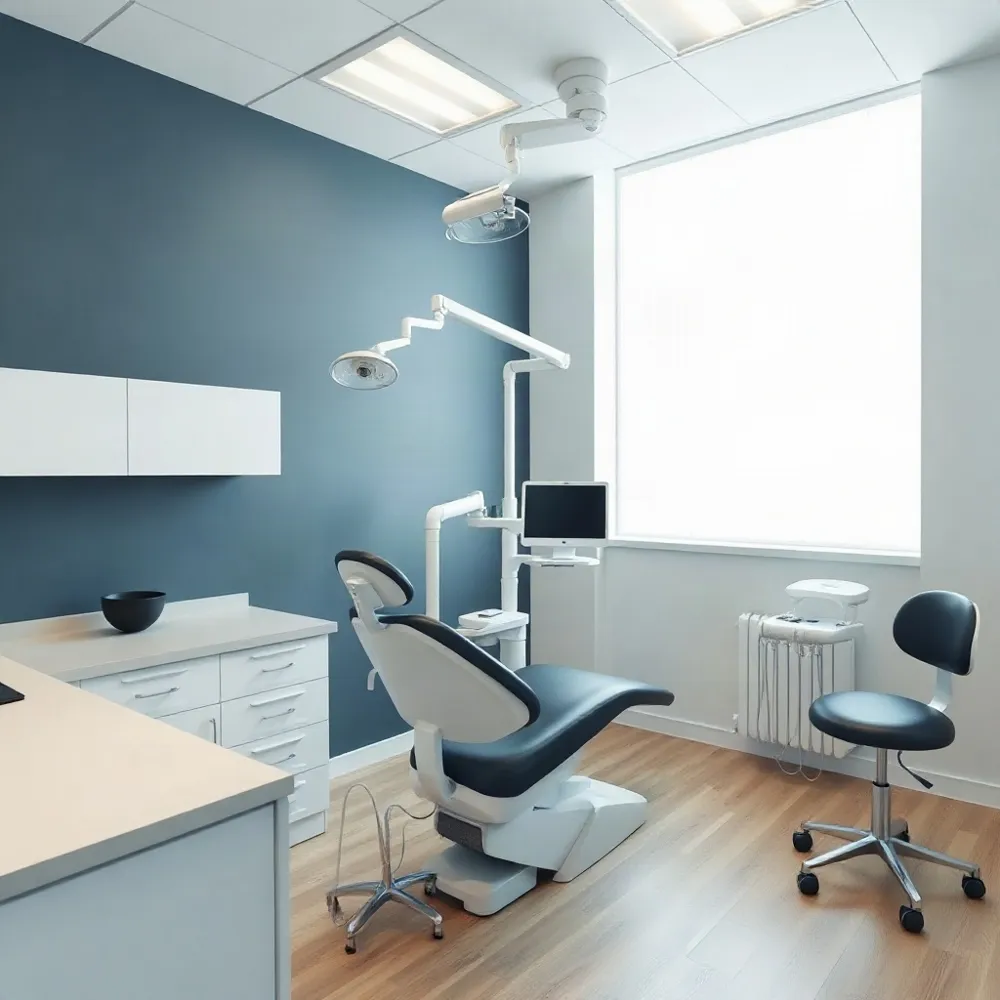 A professional dental cleaning, or prophylaxis, serves as a cornerstone of your long-term oral wellness. Unlike routine brushing at home, which maintains daily hygiene, a professional cleaning is required to remove hardened plaque, known as calculus or tartar, from your teeth National Institute of Dental and Craniofacial Research. Because this mineralized buildup is firmly attached to your enamel, it cannot be cleared away without specialized professional instruments, such as ultrasonic scalers The Role of Dental Hygienists in Oral Health Care. At drparrella.com, we use these advanced tools to ensure every surface is thoroughly cleaned, preventing the inflammation that leads to gum disease.
What to expect during your clinical evaluation
Your visit typically begins with an update of your medical history, as certain conditions like diabetes or the use of specific medications can influence your oral health Dental Hygienists: What They Do & Qualifications. Your hygienist then proceeds with a meticulous scaling to remove plaque above and below the gum line, followed by a gentle polishing to remove surface germs and debris What Happens During a Dental Cleaning? - Cleveland Clinic. Following the cleaning, your dentist conducts a comprehensive evaluation, often utilizing digital X-rays to detect hidden concerns such as cavities between teeth or signs of bone loss Standards For Clinical Dental Hygiene Practice - adha.org.
Personalizing your visit frequency
While the standard recommendation is a visit every six months, your specific health needs may necessitate a customized schedule Oral Hygiene: Best Practices & Instructions for Good Routine. Patients managing periodontal disease or compromised immune systems often benefit from professional cleanings every three to four months to stabilize their oral health. At drparrella.com, we prioritize personalized care over a one-size-fits-all approach, ensuring your recall frequency aligns with your unique clinical requirements.
Managing dental anxiety with compassion
We understand that dental appointments can cause anxiety for many patients. Our team emphasizes transparent, patient-centered communication to help you feel comfortable throughout your procedure Prevention with purpose: How dental hygienists can ethically .... By taking the time to explain each step of the exam and cleaning process, we aim to build trust and ensure you are an active partner in your care. If you have any concerns about comfort, please let us know when you schedule your appointment so we can tailor the experience to your needs.
Distinguishing Roles in Your Care Team
Understanding the division of labor between your dental hygienist and your dentist is fundamental to appreciating how drparrella.com manages your long-term health. While both are essential members of your oral healthcare team, they have distinct roles, educational paths, and areas of expertise. A dental hygienist focuses primarily on preventive care, including professional cleanings, taking X-rays, and educating patients on maintaining healthy gums and teeth at home.
A dentist acts as the lead clinician, possessing extensive training that allows them to diagnose complex conditions, create comprehensive treatment plans, and perform restorative or surgical procedures like fillings and root canals. Unlike some large-scale, corporate-run practices, our team at drparrella.com ensures that hygienists and dentists work in lockstep to provide collaborative care for high-quality outcomes. The hygienist often performs the initial screening and cleaning, which allows them to spend significant time with you, acting as your primary educator regarding home hygiene techniques.
This partnership ensures that while you receive thorough, evidence-based preventive maintenance, any findings are promptly reviewed by the dentist. By clearly defining these roles, we help you understand exactly who is guiding each step of your preventive care journey.
Mastering Your At-Home Oral Hygiene Routine
To maintain healthy teeth and gums, establish a consistent routine centered on removing plaque and bacteria. Brush at least twice daily using fluoride toothpaste and a soft-bristled toothbrush, angling the bristles at a 45-degree angle toward the gumline to effectively clean all surfaces. This mechanical action is essential because plaque is a sticky film that, if left undisturbed, hardens into tartar that only a professional can remove.
Beyond Brushing: Interdental and Dietary Habits
Brushing alone misses roughly 35% of your tooth surfaces. Use dental floss once every day to reach the tight spaces between teeth where a toothbrush cannot reach. If you have dexterity challenges or tight contacts, tools like interdental brushes or water flossers can assist in maintaining this critical barrier against decay. At drparrella.com, we emphasize that these home efforts are the most effective way to prevent the progression of periodontal disease.
- Prioritize products bearing the ADA Seal of Acceptance to ensure they meet rigorous safety and efficacy standards.
- Incorporate tongue scraping into your daily habits to further reduce the bacterial load in your mouth.
- Limit the consumption of sugary beverages and snacks, which fuel the acid-producing bacteria responsible for enamel erosion.
- Schedule regular exams and professional cleanings at our office to catch potential issues before they require complex intervention.
Navigating Insurance and Specialized Care Needs
Dental insurance typically categorizes treatments by their intent, complexity, and cost to define coverage levels. Preventive services are proactive measures like routine exams, professional cleanings, and X-rays designed to maintain health and catch issues early. These are often covered at higher percentages to incentivize wellness. Conversely, basic care includes reactive, restorative procedures like fillings or simple extractions used to address existing problems. At drparrella.com, we emphasize that prioritizing these preventive visits is the most cost-effective long-term strategy, as each dollar spent on prevention can save patients between $8 and $50 in future emergency or restorative treatments per UnitedHealthcare data.
How does dental insurance distinguish between preventive and basic care?
Insurance plans treat preventive care as a foundational investment. While basic restorative work involves treating diagnosed decay or disease, preventive services are focused on screening and maintenance to avoid those very conditions. Understanding these distinctions helps you maximize your benefits, as many plans exclude preventive care from annual maximums and offer low or zero copays.
Is periodontal maintenance different from a standard cleaning?
Yes, periodontal maintenance is a therapeutic necessity for patients previously treated for gum disease, whereas a standard cleaning, or prophylaxis, is intended for maintaining healthy tissues. During maintenance, our team performs specialized assessments, including measuring periodontal pockets to track stability and prevent further bone or tissue loss. This procedure is critical for controlling active infection. While some practices treat these interchangeably, our approach at drparrella.com ensures each patient receives the precise, evidence-based care required to keep their smile healthy and stable.
Building a Future of Health Together
At drparrella.com, we prioritize your long-term wellness by shifting the focus from reactive repairs to a proactive, evidence-based preventive care model defined by the 2025 Standards of Dental Hygiene Practice. Our practice centers on personalized assessments, ensuring every patient receives a care plan tailored to their unique medical history and risk factors rather than a one-size-fits-all approach.
Taking the first step toward better health is simple when you partner with a team dedicated to clear communication and patient-centered care. Whether you are returning after a hiatus or maintaining a consistent schedule, we are here to support your journey toward a healthier, more confident smile. Contact us today to schedule your next visit and invest in the foundation of your overall well-being.