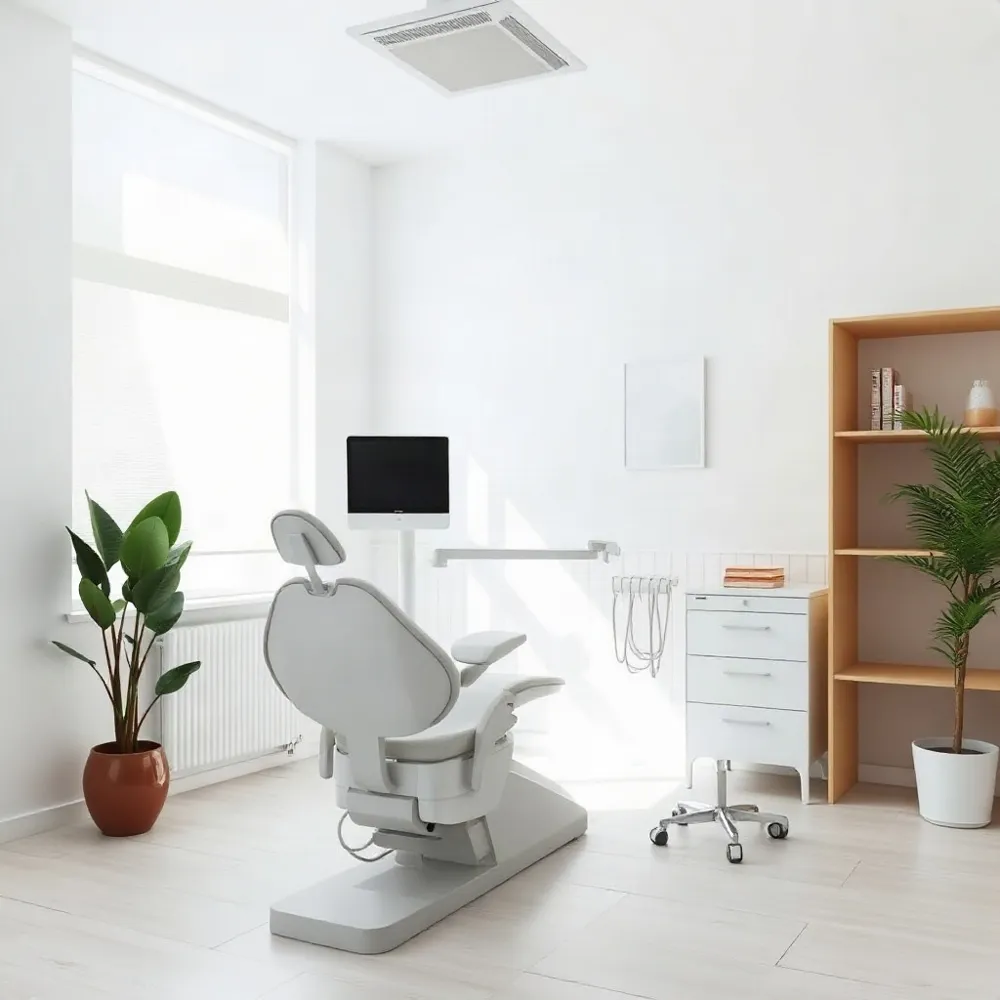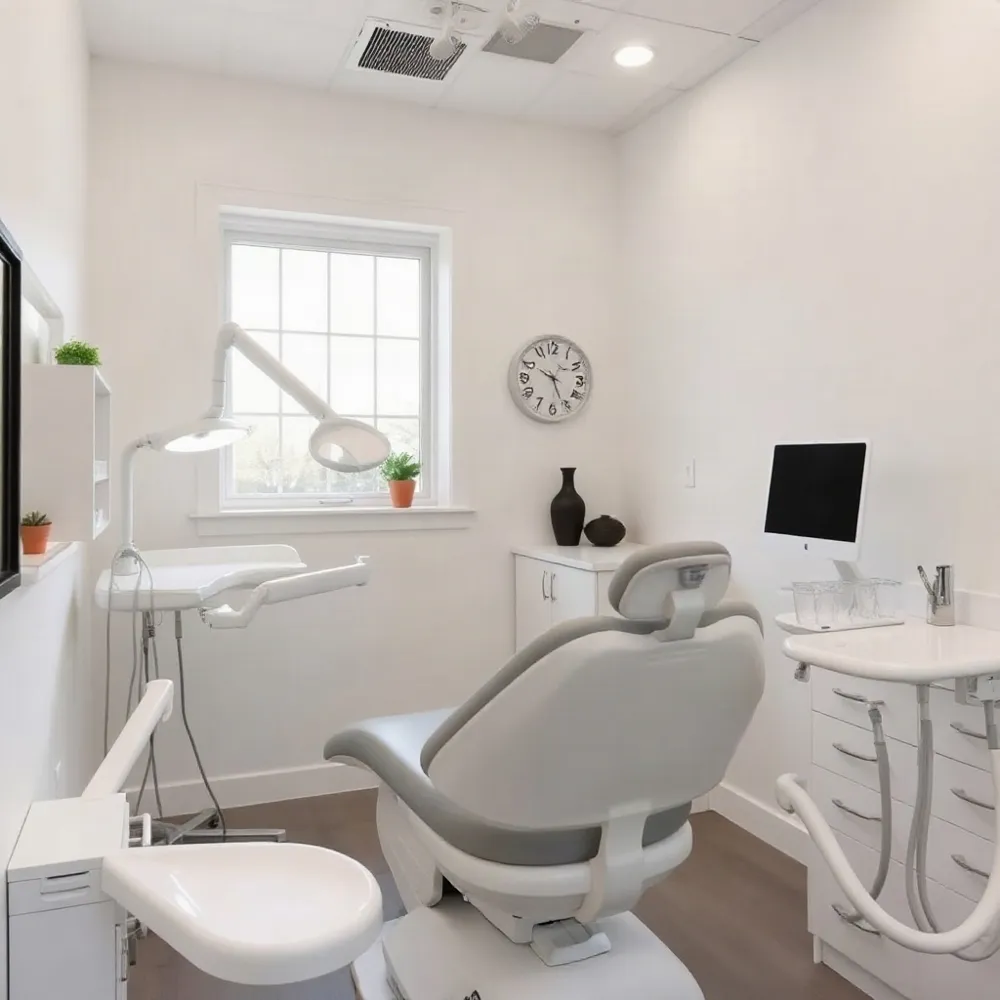
A Visit With A Preventive Purpose
A professional cleaning removes plaque and hardened tartar from places a toothbrush may not fully reach, helping support healthy teeth and gums. It complements, rather than replaces, daily brushing and flossing. Cleveland Clinic’s overview of dental cleanings explains how the care can vary with oral health needs.
At drparrella.com, the practice’s family-focused care centers on clear communication, so patients can ask questions and share concerns as the visit unfolds. The dental team can explain each step and what to expect, whether this is a familiar appointment or a first cleaning.
The exact steps and any additional treatments depend on the patient’s teeth and gums. A routine cleaning may involve scaling and polishing, while X-rays or preventive treatments may be considered when appropriate. Your dental professional can explain the recommendations and how they fit your needs.
The Steps Of A Routine Cleaning
 Knowing what happens during a professional cleaning can make the appointment feel more familiar. At drparrella.com, the care team can explain each step and check in with you as treatment progresses.
The visit often starts with a look at your teeth and gums. A hygienist may use a small mirror to spot plaque or tartar buildup, irritation, or another concern, and consult the dentist if something needs attention. This initial check helps the team tailor the cleaning to what they see.
During scaling, the dental professional removes plaque and hardened tartar with specialized instruments. An ultrasonic scaler may add gentle vibrations to loosen deposits. Scraping sounds are normal, but you should tell the hygienist if you feel discomfort so the team can respond. The Cleveland Clinic’s overview of dental cleanings explains the main steps and how cleaning types differ.
Next, a soft rubber cup and special toothpaste polish the teeth, removing remaining deposits. Professional flossing may also clear debris between teeth and help the hygienist notice areas that need attention. A routine prophylaxis is generally intended for people with healthy teeth and gums.
The type of cleaning depends on your oral health. Gross debridement may be recommended when there is heavy buildup or a long gap in dental care. Scaling and root planing is a deeper treatment for gum disease; it reaches below the gumline and around tooth roots, with the gums numbed beforehand.
Depending on your needs, the dental team may recommend X-rays to check for problems not visible during an examination, fluoride to strengthen teeth and help prevent cavities, or sealants to protect teeth with deep grooves. These treatments are not automatic additions, and the team can explain why a particular option may be appropriate. A routine cleaning commonly takes about 30 to 60 minutes, though more involved care may take longer.
Timing And Personalized Prevention
 Many people have professional cleanings about every six months, but the right interval depends on individual oral health. A dentist can tailor the schedule to your gums, medical history, and home-care routine rather than treating the usual interval as a rule. At Dr. Anthony P. Parrella’s family-run Somerville practice, preventive care is part of a personalized approach to dental health. Read more about personalized cleaning schedules.
More frequent visits may be appropriate for people with gum disease, a history of cavities, weakened immunity, or periods of illness or stress. Other health concerns and home-care habits can also affect the plan. Discuss your circumstances with your dentist to decide how often to return. The Cleveland Clinic’s guidance on dental cleanings also notes that cleaning frequency should reflect a patient’s needs.
A routine cleaning usually takes about 30 to 60 minutes, though the amount of buildup and gum health can affect the time. X-rays or other preventive care may add time, while treatment for gum disease may require a longer, separately scheduled deep cleaning. The team at drparrella.com can explain what to expect based on your needs when arranging a visit.
Do not wait for a routine appointment if you have bleeding or swollen gums, loose teeth, or a toothache. Contact a dentist for advice and timely evaluation.
Comfort Before And After The Visit
 A cleaning should not hurt, though scaling can feel tender or briefly sensitive, especially when gums are inflamed or tartar has collected near the gumline. Scraping sounds are common, but they do not mean anything is wrong. Cleveland Clinic explains what to expect during a cleaning.
At drparrella.com, care is delivered through a longstanding, family-run Somerville practice led by Dr. Anthony P. Parrella, with an emphasis on personalized, clear communication. Tell your hygienist or dentist if you feel anxious, have sensitive teeth, or notice discomfort. The team can pause and discuss ways to help you feel more at ease.
No special preparation is generally needed for a routine cleaning. Brush and floss as usual, and share relevant medical conditions, medications, and concerns with the dental team. A question you raise before treatment can help the team tailor the visit to your needs.
Mild gum soreness or tooth sensitivity may follow a cleaning and usually settles within a few days. Contact the dental team if discomfort is severe, gets worse, persists, or otherwise concerns you. Afterward, continue brushing twice daily and cleaning between your teeth each day. If you receive fluoride or another treatment, follow the instructions provided, including any guidance about eating or drinking.
Why Professional Care Complements Home Care
Daily brushing and cleaning between your teeth help remove plaque before it hardens. The American Dental Association’s recommendations include brushing twice a day with fluoride toothpaste and cleaning between teeth daily with floss or another suitable tool.
Once plaque hardens into tartar, brushing and flossing cannot remove it. A dental professional uses specialized instruments to clear deposits, including buildup along the gumline and in spots that can be difficult to reach at home. At drparrella.com, preventive visits are part of the practice’s comprehensive care for local families, with recommendations tailored to each patient.
Is professional teeth cleaning worth it? For most people, it can be a useful part of ongoing oral care. Regular cleanings can lower the likelihood of cavities and gum disease, reduce germs associated with bad breath, and give the dental team a chance to spot concerns and discuss prevention before problems grow. The Cleveland Clinic’s guidance on dental cleanings also emphasizes that the right schedule depends on individual needs.
Home care remains essential between appointments, and professional cleaning does not replace it. Keep up your daily routine, and ask your dental team about any areas that are hard to clean or changes in your teeth or gums. At drparrella.com, those conversations support personalized preventive care rather than a one-size-fits-all plan.
Understanding Cleaning Costs
How much does a professional dental cleaning cost? There is no single fee that applies to every patient. The amount depends on the type of cleaning, location, services included, and individual oral-health needs. A routine prophylaxis cleaning is different from scaling and root planing, a deeper procedure used to treat gum disease. Cleveland Clinic’s overview of cleaning types explains how the care can vary.
Before the visit, ask the dental office what the planned appointment includes and whether additional services may be recommended. Then contact your insurer to confirm benefits, coverage limits, copays, and deductibles. Coverage and out-of-pocket costs vary by plan and provider, so an online estimator can offer only a general estimate, not a guaranteed final fee.
At drparrella.com, patients can discuss their individual care needs with a family-run dental practice in Somerville. For more context on why fees can differ between routine and more involved care, see this guide to cleaning costs and personalized care.
Make Prevention A Conversation
A cleaning is a preventive visit, not a one-size-fits-all routine. Your dental team can explain what each step is for and tailor recommendations to your oral health and needs. The Cleveland Clinic’s dental cleaning guide also notes that some patients may need a different type of cleaning or schedule.
Share any worries, sensitivities, or questions before and during the appointment. If you notice bleeding or swollen gums, loose teeth, or a toothache, contact your dental team rather than waiting for your next routine visit. Clear communication helps the team decide what care is appropriate and when you should be seen.