The Science Behind Smiling and Whiteness
Research shows that smiling activates brain regions that release endorphins, dopamine and serotonin, creating a mood‑boost and reducing stress. The bright, white smile amplifies this effect because visual cues of dental whiteness engage reward pathways such as the ventral striatum, reinforcing feelings of confidence. This visual advantage fuels the “halo effect”: observers attribute broader positive traits—trustworthiness, competence, youthfulness—to individuals with a luminous smile, shaping first‑impression judgments within seconds. Consequently, dental aesthetics become a social asset; studies link whiter teeth to higher earnings, better interview ratings, and greater networking opportunities. By improving self‑esteem and encouraging more frequent, genuine smiles, professional whitening can translate aesthetic enhancement into tangible personal and professional benefits. Patients also report increased willingness to engage in social activities.
Social Dynamics of a Smile
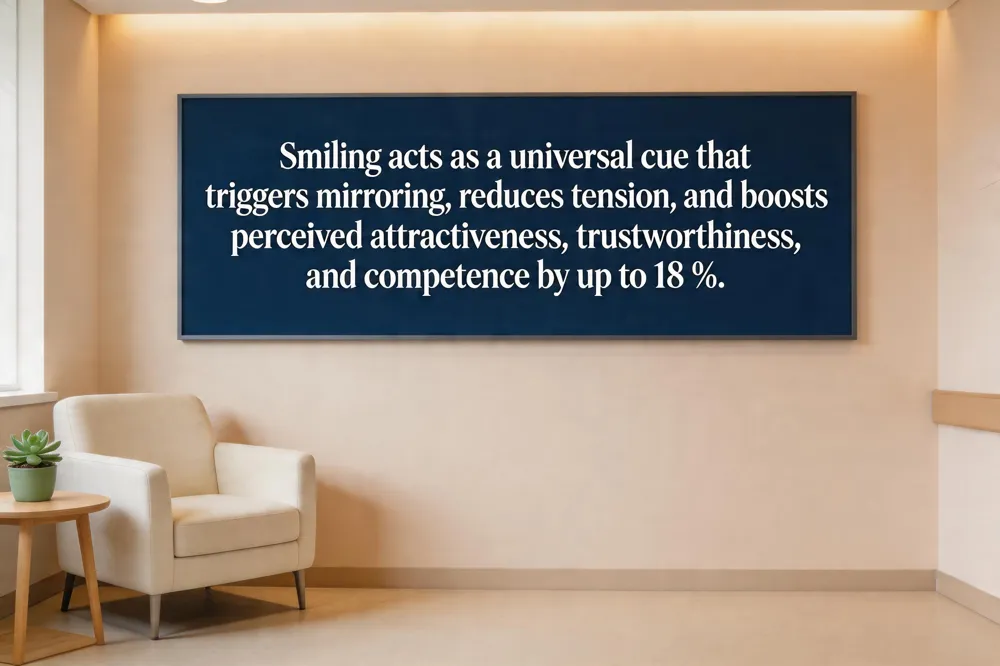 A smile works as a universal social cue that instantly signals friendliness, approachability, and confidence. Social mirroring and bonding – When one person smiles, observers tend to mirror the expression, creating a rapid sense of connection and belonging. This mirroring reduces social tension and encourages cooperative behavior in both casual and professional settings. Perceived attractiveness, trustworthiness, competence – Research in the Journal of Dental Research (2011) and Psychological Science (2015) shows that whiter, brighter smiles boost ratings of attractiveness, trustworthiness, competence by up to 15‑18 %. The “halo effect” extends these positive judgments to unrelated traits such as intelligence and honesty, influencing hiring decisions, networking, and client interactions. Impact on teamwork and conflict reduction – A genuine smile triggers the release of endorphins, serotonin, and dopamine, improving mood and lowering stress for both the smiler and observers. This neurochemical boost promotes a positive feedback loop: happier team members smile more, which further enhances morale, reduces conflict, and supports smoother collaboration. What are the social effects of smiling? – Smiling creates social mirroring, fosters belonging, and makes the smiler appear more attractive, trustworthy, and competent, thereby strengthening relationships and easing group dynamics. Does smiling make you more successful? – Studies link frequent smiling to higher hiring rates, stronger client ties, and greater leadership opportunities. A healthy, white smile—maintained through regular dental care—reinforces these perceptions and boosts self‑esteem, amplifying personal and professional success.
Attractiveness and the Whiter Smile
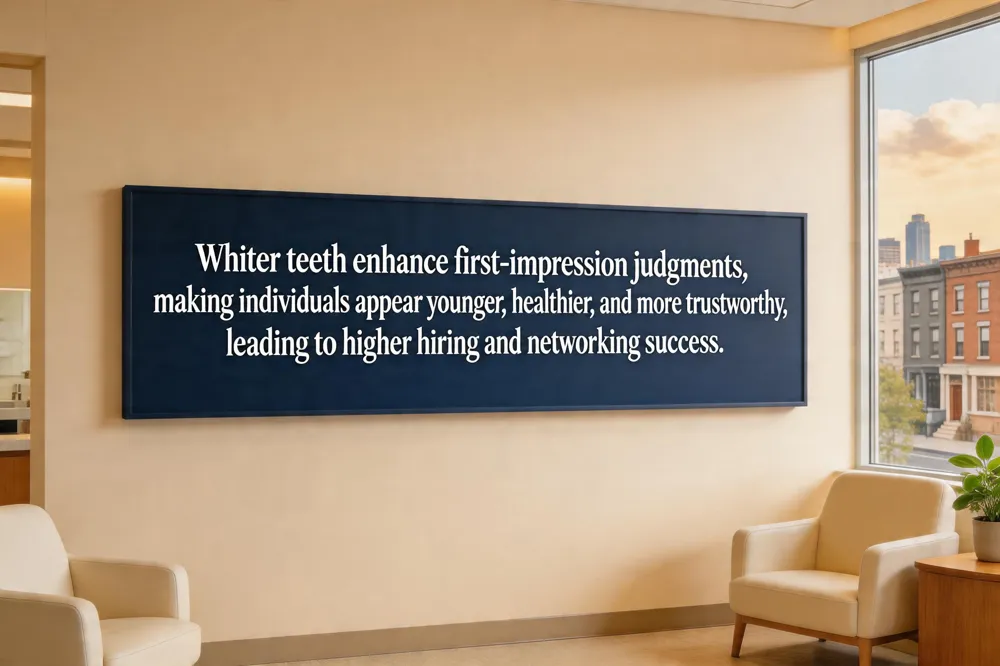 A bright, white smile is instantly linked to health, youth, and trustworthiness. Studies in the Journal of Dental Research (2011) and Psychological Science (2015) show that people with whiter teeth are rated as more attractive and reliable, and they are perceived as several years younger and healthier. This perception fuels the classic “halo effect”: a single positive visual cue—dental whiteness—leads observers to attribute unrelated positive traits such as honesty, competence, and leadership (Journal of Consumer Research, 2016).
Influence on first impressions – In hiring experiments, candidates with a brighter smile receive up to a 12 % higher confidence rating and a 9 % boost in perceived professionalism. Social‑psychology research from the University of Texas (2019) finds that a white smile increases the likelihood of being approached for networking or collaborative tasks, reinforcing the confidence‑competence loop that drives personal and professional success.
Does a whiter smile make you more attractive?
Yes—research consistently finds that people perceive individuals with whiter, well‑maintained teeth as more attractive, healthy, and trustworthy. A bright smile signals youth and vitality, which naturally enhances first‑impression judgments. When your teeth look clean and white, you’re more likely to smile confidently, and confidence itself is a key factor in perceived attractiveness.
Why is a bright smile important?
A bright, healthy smile boosts confidence and self‑esteem, making it easier to engage socially and pursue personal or professional opportunities. It signals good oral hygiene, which prevents disease and reduces stress‑related discomfort. The release of endorphins, serotonin, and dopamine when you smile further improves mood, creating a positive feedback loop that supports overall well‑being and stronger interpersonal connections.
Boosting Confidence Through Teeth Whitening
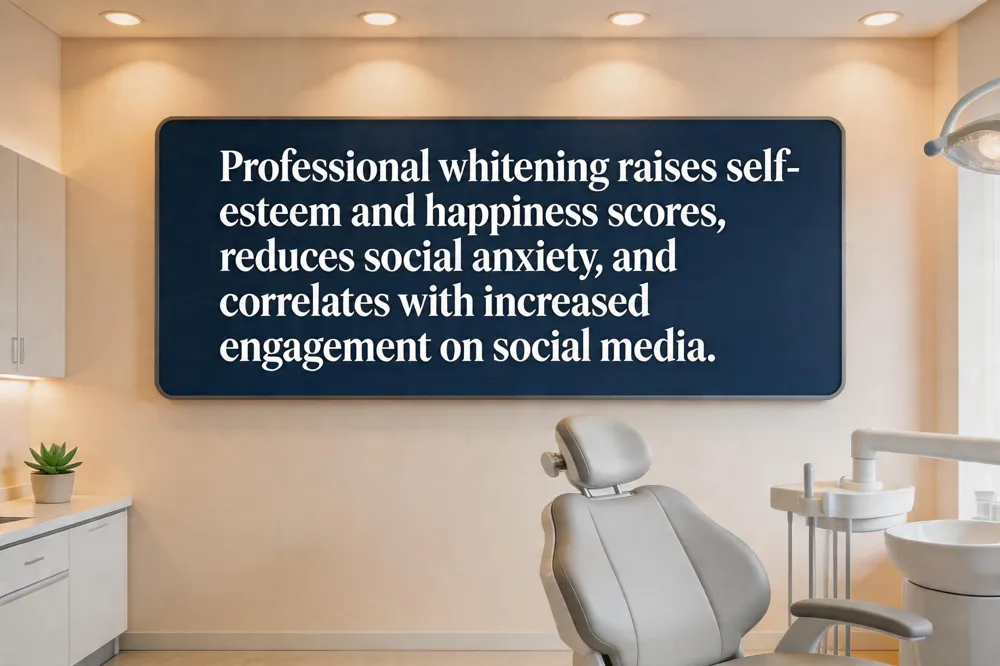 A brighter smile does more than improve appearance; it lifts self‑esteem. Clinical trials of professional whitening (Zoom!®) recorded satisfaction scores above 90 % and a measurable rise on the Rosenberg Self‑Esteem Scale, while a longitudinal study of college students noted a 1.2‑point increase on a 10‑point happiness scale within six months of treatment. When patients feel proud of their teeth, they are less likely to hide behind a closed‑mouth posture and more inclined to engage in social activities, which directly reduces social anxiety.
Does teeth whitening boost confidence?
Yes. Patients frequently report higher self‑esteem and a greater willingness to interact socially after whitening. The visual cue of a white smile lowers self‑consciousness, triggers the release of endorphins and serotonin during smiling, and creates a positive feedback loop that improves overall mental well‑being.
What do white teeth symbolize?
Across many cultures, a bright smile signals good health, personal care, and professional competence. Surveys show 68 % of adults link white teeth to overall health, and social media analytics reveal that posts featuring a white smile receive roughly 15 % more engagement. This symbolism influences first‑impression judgments in both personal and workplace settings, often translating into perceived trustworthiness, competence, and even higher earnings.
By understanding these psychological benefits, families can make informed decisions about whitening as a safe, confidence‑boosting step toward healthier social interactions and a more positive self‑image.
Practical Oral‑Care: The 3‑3‑3 Rule & Social‑Media Shine
 Maintaining a radiant smile starts with consistent oral‑care habits. The 3‑3‑3 rule—brush for about three minutes, three times a day (morning, evening, and an additional short session when needed)—ensures thorough plaque removal and helps keep enamel bright while whitening effectiveness.
Social‑media personalities often display ultra‑white teeth because they combine professional in‑office bleaching (e.g., 35 % hydrogen peroxide) with cosmetic restorations. In‑office bleaching can lift several shades in a single session, while custom‑fabricated veneers or bonding provide a permanent, stain‑resistant white surface. These options are coupled with diligent oral‑hygiene routines and lifestyle choices that limit staining foods.
To prolong whitening results, brush twice daily with a fluoride toothpaste, floss daily, and rinse after consuming chromogenic beverages such as coffee, tea, or red wine. Use a straw for dark drinks, and consider whitening toothpaste or a gentle polishing paste a week. Schedule regular dental cleanings every six months to remove surface stains and keep gums healthy. Finally, avoid smoking and limit acidic snacks, as they accelerate discoloration. By following the 3‑3‑3 rule and these maintenance tips, patients can enjoy a lasting, confident smile—both in person and on the digital stage.
The Psychology of Frequent Smilers
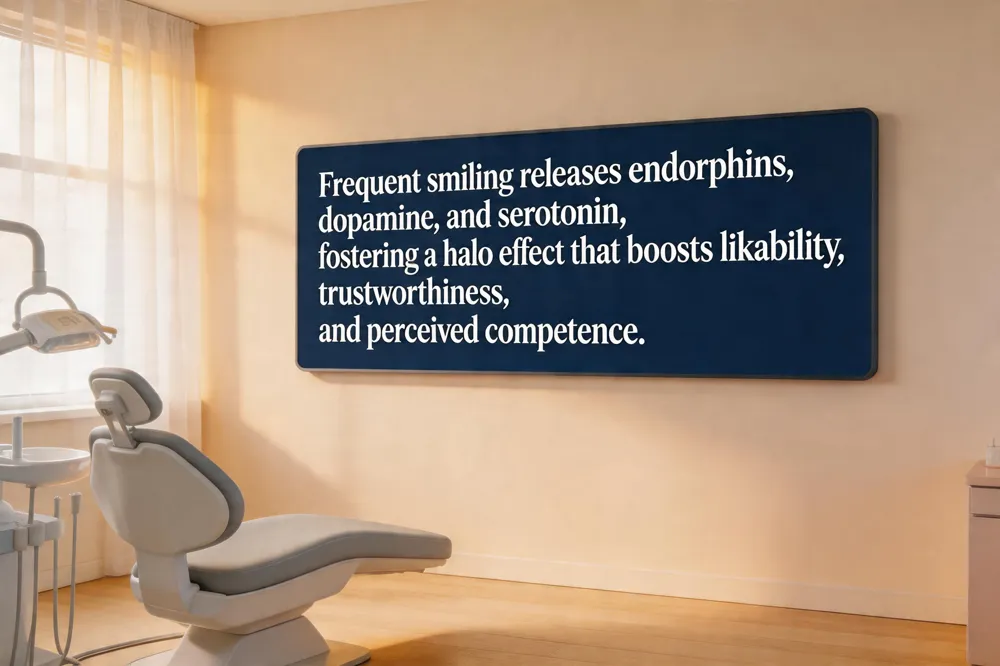 Frequent smiling triggers the brain to release endorphins, dopamine, and serotonin—neurochemicals that lift mood, lower stress, and reinforce a positive feedback loop (Harvard Medical School, 2018; Journal of Dental Research, 2011). This neurochemical reward makes smiling contagious; observers often mirror the expression, fostering social bonding and a more welcoming atmosphere.
Social perception studies consistently show that people who smile often are judged as friendlier, more altruistic, and more approachable. In first‑impression experiments, a bright smile increased likability by up to 15 % and boosted perceived competence and trustworthiness (Psychological Science, 2015; Journal of Consumer Research, 2016). The “halo effect” extends this bias, causing observers to attribute unrelated positive traits—such as honesty and leadership ability—to frequent smilers.
Personality traits can amplify these benefits. Individuals low in neuroticism and high in extrism tend to experience greater short‑term mood lifts from smiling, while high conscientiousness sustains long‑term confidence gains (Personality‑Whitening whitening personality:2010).
What is the psychology of people who smile a lot? Frequent smiling is linked to perceptions of friendliness, altruism, and approachability. People who smile often are often judged as more trustworthy and supportive.
Putting It All Together: Your Smile, Your Success
When you combine routine dental care with confidence‑building strategies, a bright, healthy smile becomes a powerful asset in every aspect of life. Regular cleanings, proper oral‑hygiene habits, and professional whitening not only improve appearance but also trigger the release of endorphins and serotonin, reducing stress and boosting mood. Over time, a whiter smile enhances first‑impression ratings, supports higher earnings, and lowers social anxiety, creating a virtuous cycle of well‑being and success. At Dr. Parrella’s practice, we tailor whitening plans to your unique needs, ensuring safe, lasting results that match your lifestyle. Schedule a personalized consultation today and discover how a radiant smile can transform your confidence and future.