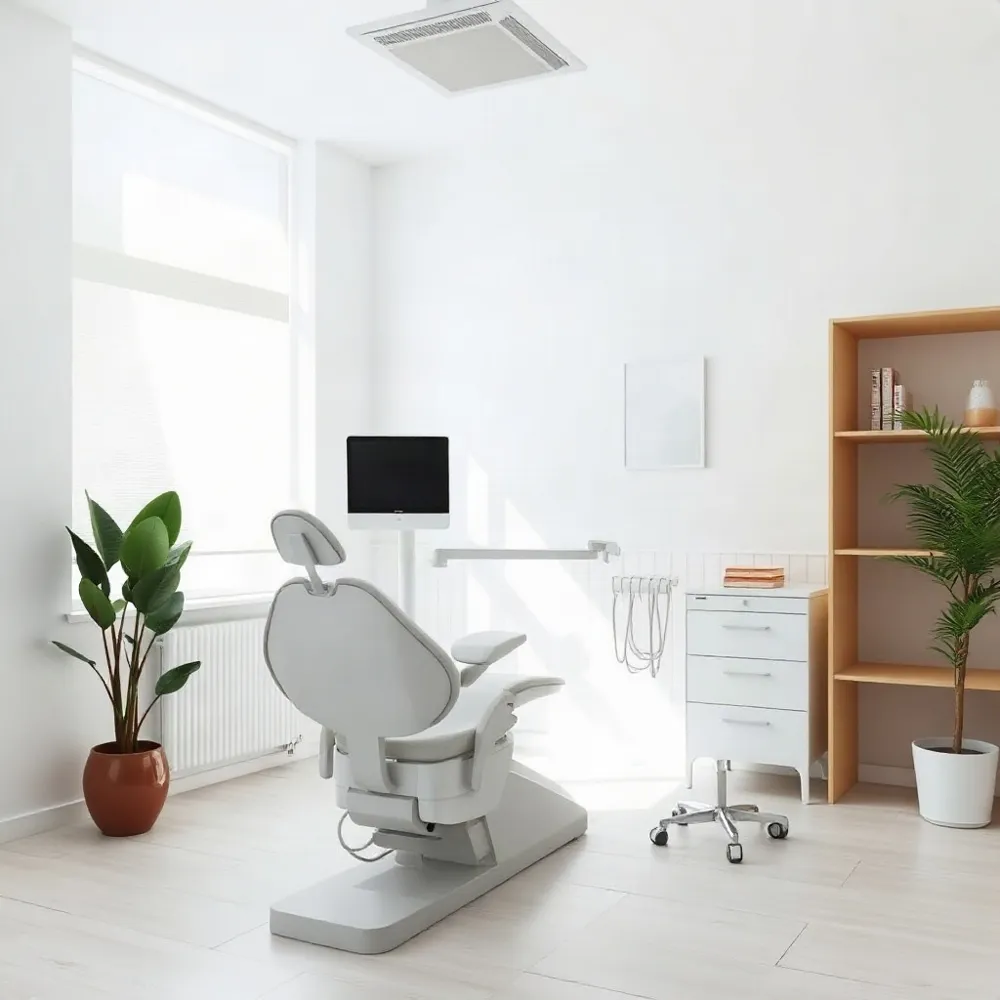
Starting With Confidence
A first dental visit is a chance to talk through your needs, check your oral health, and plan what comes next. It does not necessarily mean major treatment will happen that day. The dentist may review your health and dental history, examine your teeth and gums, and discuss preventive care or any follow-up that may be helpful. A dental exam can also include X-rays when appropriate.
The order and length of the appointment depend on your needs and the practice’s process. At Dr. Parrella’s family-run Somerville practice, personalized care begins with listening to your concerns and explaining findings clearly. Tell the team about discomfort, anxiety, or past experiences that affect how you feel about dental visits.
You can ask questions at any point, request an explanation before a step, or ask for a pause if you need one. Clear communication helps you understand your options and take part in decisions about your care.
Booking and Preparing for Your Visit
 To make a first appointment, call the dental office or use online booking if it is available. Tell the team you are a new patient, share why you are coming in, and mention days or times that suit you. If you have a toothache or another urgent concern, say so when you book.
Ask whether the office accepts your dental insurance, what records or information to bring, and whether you can complete new-patient forms ahead of time. If you have recent dental records or X-rays, ask whether the office needs them. For more help with booking and preparing for your first visit, check what the practice requests before you arrive.
Gather your current medication list, allergies, relevant health conditions, and medical and dental history. Bring your insurance information if applicable. Keep brushing and flossing as usual; a routine cleaning does not require special preparation. A few notes about symptoms, changes, or questions can help you make good use of the appointment.
Mention habits such as teeth grinding, along with past dental experiences, anxiety, or accessibility needs, when you book or check in. Sharing what makes visits difficult gives the team a chance to discuss what to expect and consider appropriate support. At drparrella.com, the practice emphasizes personalized care and clear communication, so patients can bring concerns and questions to the conversation.
Complete forms beforehand if the office offers that option, or arrive a few minutes early to allow time for paperwork. Follow any specific instructions from your own dental office, and call ahead if you need help with forms, insurance, or what to bring.
The Adult First Visit and Examination
 A first adult appointment usually starts with a conversation about your medical and dental history, medications, past dental experiences, and any current concerns. Mention pain, sensitivity, or anxiety, even if it feels minor. At drparrella.com, care is described as personalized and comprehensive, with attention to each patient’s health and concerns.
The dentist then examines your teeth, gums, bite, and mouth. They may check for cavities, cracks, wear, gum changes, and other signs that need attention, as well as examine oral tissues for unusual changes. A routine dental exam can also include screening for signs of oral cancer, as MedlinePlus explains.
X-rays are not automatic at every first visit. When appropriate, they can help assess areas that are difficult to evaluate visually, such as spaces between teeth or structures beneath the gums. The decision depends on your history, symptoms, available records, and the dentist’s assessment. You can ask why imaging is recommended and what it may help clarify.
A cleaning may also be part of the appointment, depending on your needs and the examination findings. The visit can take longer than a routine follow-up because the team is gathering a fuller picture of your oral health. The dentist will explain findings, answer questions, and discuss next steps suited to your situation.
This examination can establish a baseline for tracking changes over time. If you have been away from dental care or feel uneasy, tell the team; sharing that context helps guide a respectful conversation about care and priorities. For a fuller walkthrough of the adult first-visit examination, see the related patient guide.
How Exams and Cleanings Differ
An exam and a cleaning are often part of the same appointment, but they serve different purposes. The exam is the dentist’s assessment of your teeth, gums, bite, and oral health. A cleaning is preventive care that removes buildup brushing may miss.
During a cleaning, a hygienist or dentist may scale the teeth to remove plaque and hardened tartar, then polish them and floss between them. Fluoride or another preventive measure may be considered based on your needs. MedlinePlus explains what a dental exam may include, including cleaning, imaging when appropriate, and the dentist’s evaluation.
A professional cleaning can help support gum health by clearing buildup from tooth surfaces and along the gumline. At drparrella.com, care is part of a family-run Somerville practice focused on personalized, comprehensive dentistry, so patients can discuss what their exam or cleaning involves and ask questions about any recommendations.
The dentist may schedule the services together or separately, depending on your oral health and appointment needs. Ask what interval is appropriate for you: some people need more frequent cleanings or exams than others. Cleveland Clinic describes common cleaning steps and notes that visit timing depends on individual needs.
What to Know About First Visit Cleanings
A cleaning may be part of your first dental visit, but it is not guaranteed. The dentist or hygienist will first review your history and examine your teeth and gums. Whether cleaning can happen that day depends on what the exam shows, your needs, and the time set aside for the appointment. At drparrella.com, the family-run Somerville practice emphasizes personalized, comprehensive care, so patients can call ahead to ask about scheduling or share concerns.
A routine cleaning removes plaque and tartar with instruments, then polishes the teeth. You may feel pressure, scraping, or brief sensitivity, particularly if your gums are tender, roots are exposed, or there is more buildup than usual. Cleveland Clinic’s overview of dental cleaning explains the usual steps and notes that the approach can vary with a patient’s needs.
Will I get a cleaning during my first dental visit?
Possibly. If the examination shows that routine preventive care is appropriate and the schedule allows, the team may clean your teeth during the same appointment. If you need more evaluation or a different type of gum care, it may be better to arrange cleaning for another visit. You can ask the Somerville office what to expect when you call.
Does a dental cleaning hurt?
Routine cleaning is generally comfortable, though tender or inflamed gums, sensitive teeth, exposed roots, and heavier buildup can make it less so. Tell the hygienist if you are worried or feel pain. You can ask for a pause, and the team can adjust its approach. Professional cleanings are generally safe; a deeper cleaning for gum disease is different from routine scaling and may cause more discomfort.
Can you feel sick after a dental cleaning?
Feeling generally ill is not typical after a routine cleaning. Mild gum tenderness, slight bleeding, tooth sensitivity, or jaw soreness can occur temporarily. If nausea or other symptoms begin during or soon after the appointment, let the dental team know. Contact a dentist or healthcare provider if symptoms are severe, worsening, persistent, or concerning. Seek urgent care for facial swelling or trouble breathing.
Are there any disadvantages or risks to professional teeth cleaning?
Most effects are mild and temporary, though a deep cleaning may leave more noticeable soreness or sensitivity. Share your concerns before treatment, and contact your dentist if pain or bleeding is severe or does not improve. Cleveland Clinic notes that sensitivity or sore gums after cleaning usually resolve within a few days.
Returning After a Long Break
If it has been several years since your last dental visit, you do not need to apologize or assume that extensive treatment will be necessary. Time away alone does not determine what care you need. At drparrella.com, the family-run Somerville practice emphasizes personalized care and clear communication, so you can share your concerns without judgment.
Your first appointment after a long break may take longer than a routine checkup. The team can review your health history, medications, and current concerns, then examine your teeth and gums. Depending on your history and what the exam shows, the dentist may recommend X-rays or a closer assessment of your gums. Dental exams may include imaging when it is appropriate for the patient.
A routine cleaning may be adjusted or scheduled for another visit if your needs call for a different approach. The dentist can explain what needs attention first, discuss options and timing, and help you plan manageable next steps. At drparrella.com, care is tailored to the patient rather than assuming every returning patient needs the same treatment.
Tell the team how long it has been, mention any pain or changes, and share if you feel anxious. Ask questions as they arise, or request a pause if you need one. You can also read about returning after a long break and what a fresh start can look like.
When a Cleaning Finds a Cavity
A cleaning removes plaque and tartar, but it does not repair tooth decay. If an exam during the visit suggests a cavity, the dentist may examine the area and recommend X-rays when needed to assess parts of the tooth that are not visible. MedlinePlus explains what a dental exam may include.
The dentist will explain the finding and whether a filling or another treatment is appropriate. A filling may be possible at the same appointment, depending on the available time, the extent of the decay, and your needs. If more time or a separate procedure is needed, the office can arrange a follow-up and discuss what to expect.
At drparrella.com, care is described as personalized and comprehensive, with clear communication to help patients understand recommended next steps. You can ask what the exam showed, which treatment is advised, and when it should be scheduled. For more on the difference between preventive and restorative care, see how a cleaning differs from treatment for a cavity.
A Child’s First Dental Visit
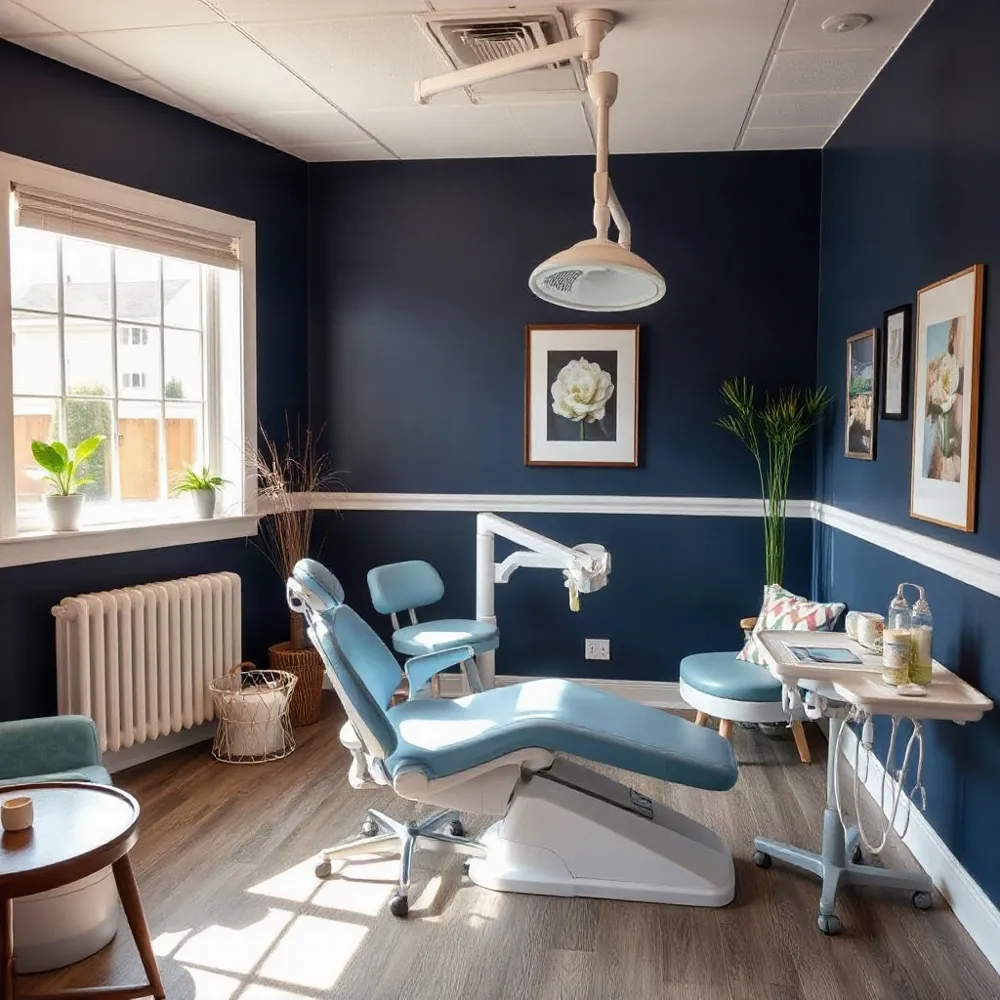 A child’s first dental visit should take place when the first tooth appears and no later than the first birthday. Baby teeth can develop cavities soon after they erupt, so early care gives the dentist a chance to check development and helps caregivers start good daily habits. The [American Dental Association’s guidance on a baby’s first dental visit](https://www.mouthhealthy.org/life-stages/babies-and-kids/first-dental-visit-for-baby) supports this early timing.
The appointment is tailored to the child’s age and comfort. After reviewing health history, the dentist checks the teeth, gums, jaw, and bite for healthy development, cavities, or other concerns. A gentle cleaning may be offered if appropriate. Your child may sit in the dental chair or on your lap, depending on what helps them feel secure.
Crying or wiggling can be a normal response to a new place and unfamiliar exam. A calm explanation beforehand can help: tell your child the dentist will look at their teeth and help keep them healthy. Choose a time when your child is usually rested, and share any worries or health details with the dental team. Stanford Children’s Health’s first-visit guidance also describes how a first appointment can be adjusted to a child’s needs.
The visit is also a chance for caregivers to ask practical questions. The dental team can offer guidance on brushing, feeding habits, fluoride, teething, pacifier use, and thumb-sucking. At drparrella.com, the practice’s family-focused approach centers on personalized care and clear communication, giving caregivers room to discuss their child’s needs and preventive care.
Building a Preventive Care Routine
A first visit can set a useful baseline for tracking changes in your teeth and gums over time. It is also a chance to get practical advice on brushing and flossing, and to agree on follow-up that fits your oral health.
Ask what the examination found, which steps matter most, and when to return. Routine visit timing is not the same for everyone, so recommendations should reflect your health history and current needs. A dental exam can include an examination, cleaning, and X-rays when appropriate.
At drparrella.com, care is provided by a family-run Somerville practice led by Dr. Anthony P. Parrella, with an emphasis on personalized, comprehensive care. Contact the office to clarify its procedures, appointment timing, insurance questions, and available comfort options before your visit.