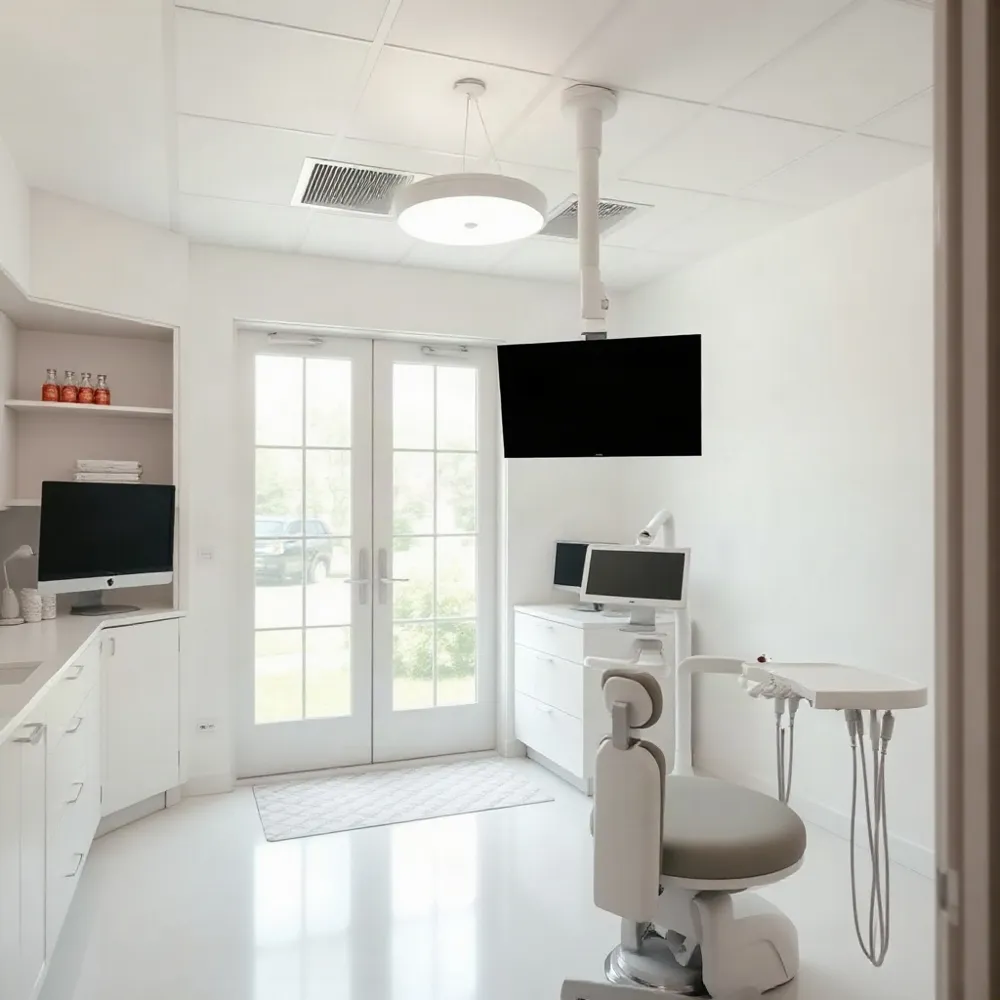
A Welcoming Start to Dental Care
A first dental appointment can feel unfamiliar, whether you are bringing in a baby, returning after a long gap, or meeting a new dentist. It can also be a chance to share concerns, ask questions, and understand your oral health without needing to decide on treatment immediately.
For families in Somerville, Dr. Anthony P. Parrella’s practice is a family-run office focused on personalized, comprehensive dental care. You can explain what prompted the visit, mention any anxiety or discomfort, and discuss what matters most to you. Clear communication helps the dental team understand your needs and talk through appropriate next steps.
The visit’s order and length depend on age, symptoms, and appointment purpose. A baby’s first check may focus on development and caregiver guidance, while an adult returning after years away may need a fuller examination. A cleaning may be included, scheduled separately, or deferred if another concern needs attention. Adult dental visits can vary with a patient’s history and findings, so ask the office what to expect.
When Children Should First See a Dentist
 Schedule a child’s first dental visit when the first tooth appears, or within six months after it erupts, and no later than the first birthday. The American Dental Association’s guidance for a baby’s first dental visit and Stanford Medicine Children’s Health recommendations both support an early start.
Baby teeth can develop cavities soon after they appear, so there is no need to wait for a full set of teeth or until a child starts school. Early attention gives the dentist a chance to check how the teeth and jaw are developing and to spot concerns.
The first appointment also helps a child become familiar with dental care and gives caregivers time to ask about cleaning the mouth, feeding, teething, pacifiers, or thumb-sucking. Advice can be tailored to the child’s age and needs, making early visits useful for building healthy routines at home.
At Dr. Parrella’s family-run Somerville practice, care is shaped around individual patients and families, so caregivers can share questions about their child’s oral health and development.
What Happens at a Baby’s First Visit
 A baby’s first dental appointment is usually a gentle introduction, not an intensive treatment visit. The dentist adapts the examination to your child’s age and comfort, checking the teeth, gums, jaw, bite, and other oral tissues for early decay or developmental concerns.
If your baby is not ready to sit alone, you may be able to hold them on your lap while the dentist examines their mouth. Crying or wiggling is a normal response to an unfamiliar experience, and the team can work with you to help your child settle. The American Dental Association’s guidance for a baby’s first dental visit also notes that a caregiver may hold a young child during the exam.
The dentist may clean your baby’s teeth and offer practical advice for daily care. X-rays are not automatic for young children; the dentist recommends them only when needed to assess a concern. At drparrella.com, the practice’s family-focused approach supports clear conversations with caregivers about a child’s oral health and next steps.
Use the visit to ask about brushing, feeding, teething, pacifier use, or thumb-sucking. These questions help shape home-care guidance around your baby’s needs and give you a chance to raise concerns before they become harder to address.
Returning to Dental Care as an Adult
If it has been years since your last dental appointment, you can start by sharing what has changed and what you would like help with. At drparrella.com, care is described as personalized and comprehensive, with clear communication suited to each patient’s needs.
The dentist or dental team may ask about medications, medical conditions, current symptoms, past dental experiences, and your brushing and flossing habits. Mention concerns such as sensitivity or anxiety, along with any goals for your oral health or smile. This conversation helps the team understand your circumstances before recommending care. WebMD’s guide to an adult dental visit also advises patients to speak up about discomfort and ask for breaks when needed.
An examination may include your teeth, gums, bite, existing dental work, and the soft tissues of your mouth. The dentist may measure gum pockets or recommend X-rays when they are useful for assessing areas that are difficult to see. The exact approach depends on your history and what the exam reveals.
A cleaning may happen during the same appointment, be scheduled separately, or need a different approach if tartar has built up or another concern needs attention first. Timing can also depend on the reason for your visit and the time available. Before moving ahead with recommended care, ask the dentist to explain the findings, options, and expected costs.
Returning after a long gap is a constructive step, not a reason for embarrassment. Tell the team if you feel nervous, have sensitive teeth, or need a slower pace. You can ask for explanations along the way or request a break.
Preparing Before You Arrive
 A little preparation can make check-in easier and help your dental team focus on what matters to you. Complete any new-patient forms available in advance, and bring identification, insurance information if applicable, a current medication list, and details about relevant health conditions or allergies. These details help the team understand your health history and plan care safely.
Write down symptoms, dental concerns, and questions you want to discuss, especially if discomfort comes and goes. Recent dental records or X-rays from another office may also be useful if you have them. If you are unsure what to bring or whether records can be sent ahead, ask the office when you book.
Before the appointment, ask how long the visit may take, check whether the dentist participates in your insurance plan, and ask what costs you may need to pay. Arriving a little early allows time for check-in and any remaining paperwork. WebMD’s guide to adult dental visits also recommends asking about visit length and insurance before the appointment.
For a child’s appointment, choose a time when they are usually rested and describe the visit in simple, positive terms. You can say the dentist will look at their teeth, while avoiding promises about exactly what will happen. The American Dental Association’s guidance for a baby’s first dental visit suggests using a positive, age-appropriate explanation to help children feel prepared.
If you feel nervous, tell the dental team ahead of time or at check-in. You can ask for explanations before each step, breaks during care, or other comfort options the practice offers. At drparrella.com, care is centered on clear communication and individualized attention, so sharing your preferences can help the team understand your concerns.
What an Oral Examination Can Reveal
An oral examination gives the dentist a close look at your teeth, gums, bite, and existing dental work. At drparrella.com, the exam is part of a comprehensive approach to care that considers each patient’s dental and medical history alongside current concerns.
The dentist checks for decay, cracks, damage, and worn surfaces, and looks for gum inflammation, recession, or bleeding. They may also assess how your teeth fit together, how your jaw moves, and whether fillings, crowns, or other dental work need attention. A periodontal probe can help measure spaces between the teeth and gums and identify areas that need closer assessment, as described in WebMD’s overview of an adult dental visit.
The examination may include the tongue and other soft tissues, with attention to unusual sores, lumps, or changes in color. A dentist may also feel the jaw and neck for tenderness or swelling and perform an oral cancer screening when appropriate. The exact assessment depends on your health history, symptoms, and the clinician’s judgment.
Findings can point to concerns that need monitoring or further evaluation, but an examination alone does not confirm every diagnosis or broader health condition. Tell the dentist about new pain, sensitivity, bleeding, sores, swelling, or changes in your health. That context helps the team decide whether to investigate further, plan dental care, or recommend other follow-up.
How Dentists Approach an Infected Tooth
Will a dentist remove an infected tooth during the first visit? Sometimes, but infection does not automatically mean extraction. The dentist first examines the tooth and may recommend imaging to understand the problem. Whether removal is suitable depends on the findings, whether the procedure can be done safely, the time available, and your health and circumstances.
At drparrella.com, care is personalized and comprehensive, so treatment decisions are based on an assessment rather than a one-size-fits-all rule. For some infected teeth, a root canal may treat the infection while preserving the tooth; a dentist can explain whether that option or extraction is appropriate. Learn more about how dentists approach an infected tooth.
Significant swelling or other health concerns may affect the timing or planning of treatment. Antibiotics may be prescribed when clinically appropriate, but they do not replace treating the source of the infection. A root canal may be recommended when infection or swelling affects a tooth’s roots.
Facial swelling, fever, or trouble swallowing or breathing calls for urgent medical or dental attention. Contact a dental professional promptly to discuss symptoms and appropriate next steps.
Choosing a Dentist for Your Family
Look for a practice that fits your family’s schedule and needs, not just one that is nearby. Ask whether it is accepting new patients, what appointment times are available, and whether the team cares for children and adults. These are useful questions when comparing options, as outlined in this guide to choosing a dentist for your family.
Ask how the dentist approaches preventive care, which services the practice provides, and what experience or training is relevant to your family’s needs. Find out how the office responds to urgent concerns outside regular hours, too. At drparrella.com, care is provided by a longstanding, family-run practice in Somerville, with an emphasis on personalized, comprehensive dental care and community ties.
Before booking, ask how treatment recommendations and alternatives are explained, how costs are estimated, and whether the practice accepts your insurance. Confirm payment arrangements and the policy for missed appointments, since these details can affect both your budget and scheduling.
If possible, meet the dentist or visit the office before deciding. Notice whether explanations are clear, questions are welcomed, and the interaction feels comfortable. A first visit can begin an ongoing relationship grounded in communication, care shaped to the patient, and attention to prevention.
A First Visit Is a Starting Point
A first appointment is not a one-size-fits-all process. Ask the dental team to explain what they find, which options may help, and the likely timing and costs before you decide on recommended care. A clear conversation can help you understand what needs attention now and what may be monitored.
Whether you are bringing a child or returning after a long gap, share concerns about comfort, symptoms, or treatment. At Dr. Anthony P. Parrella’s family-run practice in Somerville, care is personalized, comprehensive, and grounded in clear communication. You can discuss next steps in light of your needs rather than feeling you must settle every question at once.
Regular preventive visits help the dental team follow changes over time and tailor guidance to your oral health. For adults, the appropriate interval depends on examination findings and treatment needs, as WebMD’s guide to dental visits explains. Building trust with a dental team can make it easier to ask questions and keep care on track.