Understanding and Addressing Your Dental Anxiety
Dental anxiety is an incredibly common experience that affects between 50% and 80% of U.S. adults. Many individuals recognize this as a feeling of unease during an upcoming dental visit, while others struggle with more intense dental phobias. Regardless of the severity, this apprehension often creates a vicious cycle. When patients delay routine care to avoid these feelings, minor issues can develop into emergency situations, which then require more invasive, complex treatments, further deepening the original fear.
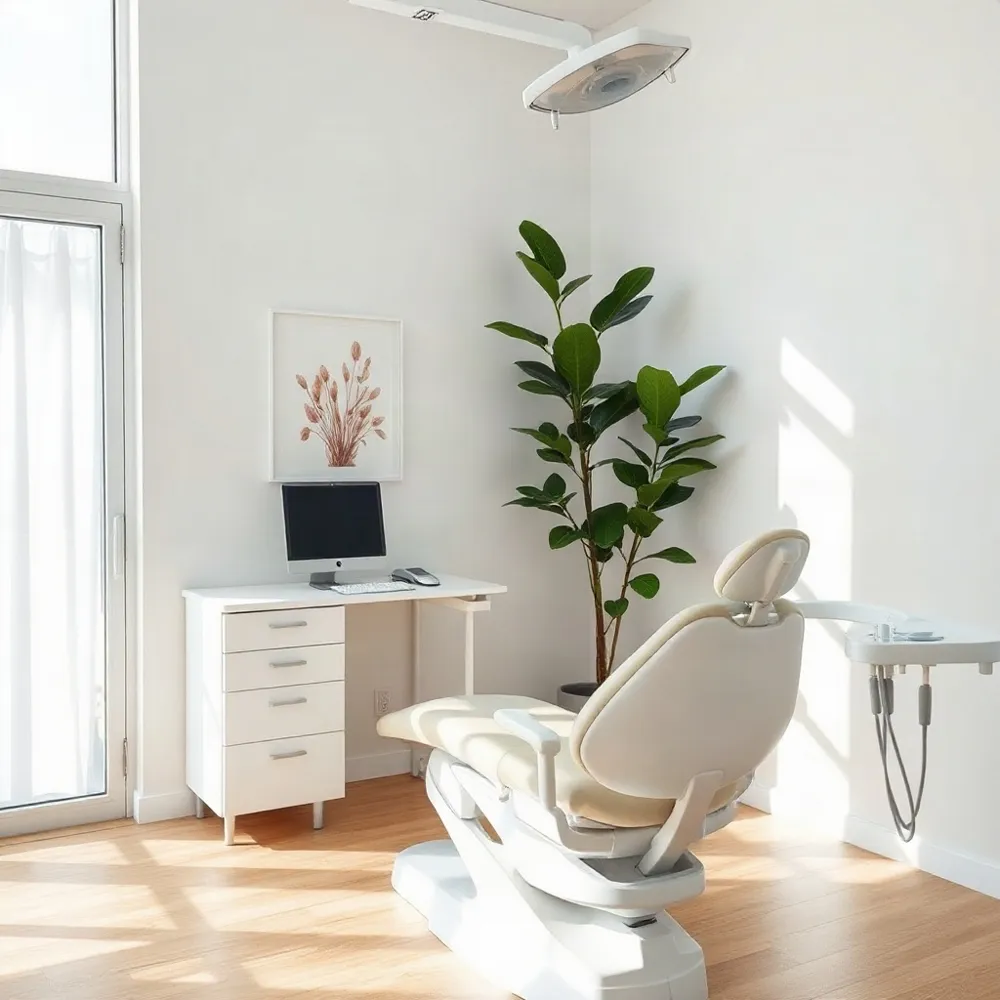
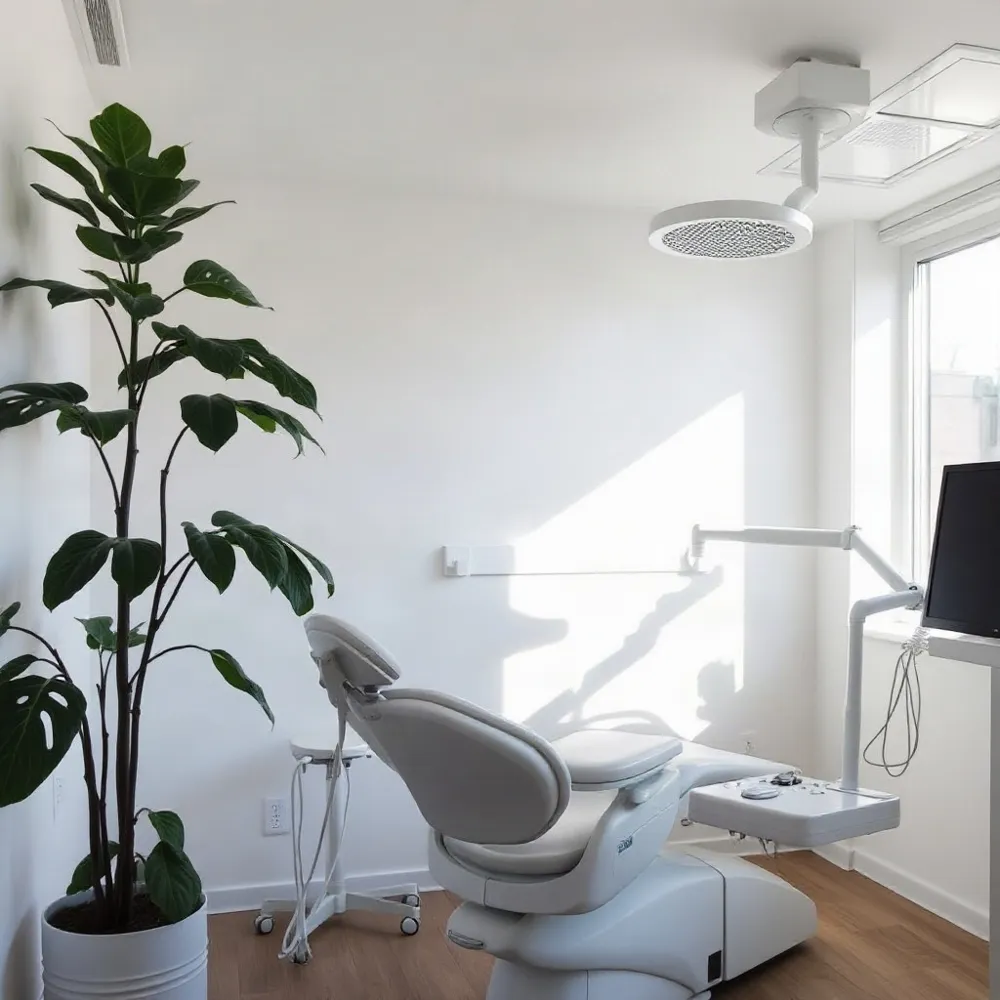
At drparrella.com, we prioritize compassionate, patient-centered dentistry to break this cycle for Somerville families. We understand that transparency is essential, which is why we encourage open communication regarding your concerns. By discussing your fears with our team beforehand, you empower us to tailor your care through techniques like deep breathing or clear stop-signals for breaks. Our community-focused practice is dedicated to helping you feel at ease from your first appointment onwards, ensuring that your path toward a healthier smile is handled with the personal attention you deserve.
Identifying Dental Anxiety and Its Characteristics
 What exactly is dental anxiety? Dental anxiety is a common experience characterized by feelings of unease, apprehension, or fear regarding dental visits, often triggered by specific stimuli like needles or the dental environment itself, according to Better Health Channel. These feelings are normal and can make it harder to seek care. In more severe cases, intense and irrational avoidance of the dentist may be classified as a dental phobia, where the fear becomes an overwhelming obstacle to treatment.
Research indicates that dental anxiety often stems from the body's natural fight or flight response to invasive procedures, as noted by UAB News. Because the mouth is a highly sensitive area, the perceived loss of control during an exam can escalate stress levels. For some individuals, this anxiety is exacerbated by other factors like past trauma or general anxiety tendencies, which can heighten sensory sensitivities Better Health Channel. Recognizing these feelings as a valid biological response is the first step toward effective management.
At drparrella.com, we prioritize compassionate and clear communication to help patients navigate these complex emotions. While some clinical providers rely solely on pharmacological solutions for patient comfort, our approach emphasizes building trust through patient-centered care and open dialogue. By discussing concerns before treatment begins, as recommended in our first appointment guide, we help our local families feel empowered and supported throughout their care journey.
Common Triggers and Physical Responses to Dental Visits
Dental anxiety acts as a natural, biological response that triggers the body's fight-or-flight mechanism when faced with the dental environment. This reaction often manifests through physical symptoms such as heart palpitations, sweating, tremors, or feeling lightheaded, alongside emotional distress that can lead to the avoidance of necessary oral health care. Such avoidance creates a vicious cycle where skipped routine checkups allow minor issues to escalate into emergencies, thereby increasing the potential for more invasive, anxiety-inducing future procedures.
What are the common symptoms and triggers of dental anxiety?
The roots of this anxiety vary, but many patients feel vulnerable due to an inherent loss of control when reclined in a dental chair or the feeling that their personal space is being invaded. Specific sensory triggers, including the sound of dental drills or the sight of needles, are primary drivers of apprehension. Research suggests that past negative experiences significantly influence current reactions, making the establishment of trust with your provider essential for long-term health.
At drparrella.com, our team prioritizes a patient-centered atmosphere designed to mitigate these stressors. By engaging in clear and open conversations before and during your visit, we can provide personalized accommodations. Techniques such as establishing a hand signal for breaks or using distraction strategies like music allow you to regain a sense of comfort. If you have been avoiding appointments, we recommend visiting our checklist for new patients to prepare for your first visit with confidence.
Age-Specific Perspectives on Dental Apprehension
Dental anxiety often manifests differently based on age, reflecting each patient's unique developmental stage and individual life experiences. In children, apprehension frequently presents as fear of the unknown, sensitivity to new sensory inputs like strange office sounds, or a perceived lack of control during an exam or preventive care appointment.
Adults often experience anxiety rooted in specific memories of past negative dental procedures, a heightened awareness of potential discomfort, or stress regarding the complexity and cost of necessary treatments per 2019 Harvard findings. While a child might mirror a parent's nervousness or experience separation anxiety, adult patients are more likely to internalize their fears, which can lead to the unfortunate avoidance of routine maintenance.
At drparrella.com, we recognize these different triggers by adapting our approach to meet the needs of every family member. For our youngest patients, we focus on normalizing the dental office through gentle interaction and clear, friendly explanations of every new tool. For our adult patients, we emphasize transparency and allow for personalized care that addresses past trauma while proactively educating on modern, comfortable treatment options.
- Use of the iatrosedative technique, which focuses on listening nonjudgmentally to specific fears regardless of age.
- Establishment of a hand-signal stop-rule for all patients, ensuring they maintain complete control over their clinical experience.
- Customized distraction methods, such as music or media, to shift focus away from procedural sensations.
The Role of Compassionate, Patient-Centered Dentistry
 Compassionate dental professionals manage patient anxiety by first identifying and assessing it through gentle conversation, ensuring they understand each patient’s unique concerns and history. At drparrella.com, the team prioritizes a trusting, safe, and transparent environment to help mitigate the natural fight-or-flight response associated with dental care. Dentists proactively use clear communication and step-by-step explanations to remove the fear of the unknown, granting patients a meaningful sense of control during their treatment.
Building rapport through active listening and proven methods
Establishing a strong rapport is essential for transforming the patient experience. The iatrosedative technique relies on listening calmly and nonjudgmentally to patient concerns, which allows the provider to tailor their approach. When providers pair this emotional validation with the tell-show-do method, they demystify the clinical process. By explaining a procedure, showing the equipment in an unthreatening way, and then performing the task, the dental team minimizes apprehension.
Consistent, transparent communication at drparrella.com helps patients feel heard and valued. Whether through establishing a stop-signal like raising a hand, or simply taking breaks during a procedure, these practices ensure the patient remains in control. This patient-centered philosophy acknowledges that the most effective tool for managing dental anxiety is a provider who makes comfort a foundational part of every check-up.
Techniques for a Calmer, More Comfortable Experience
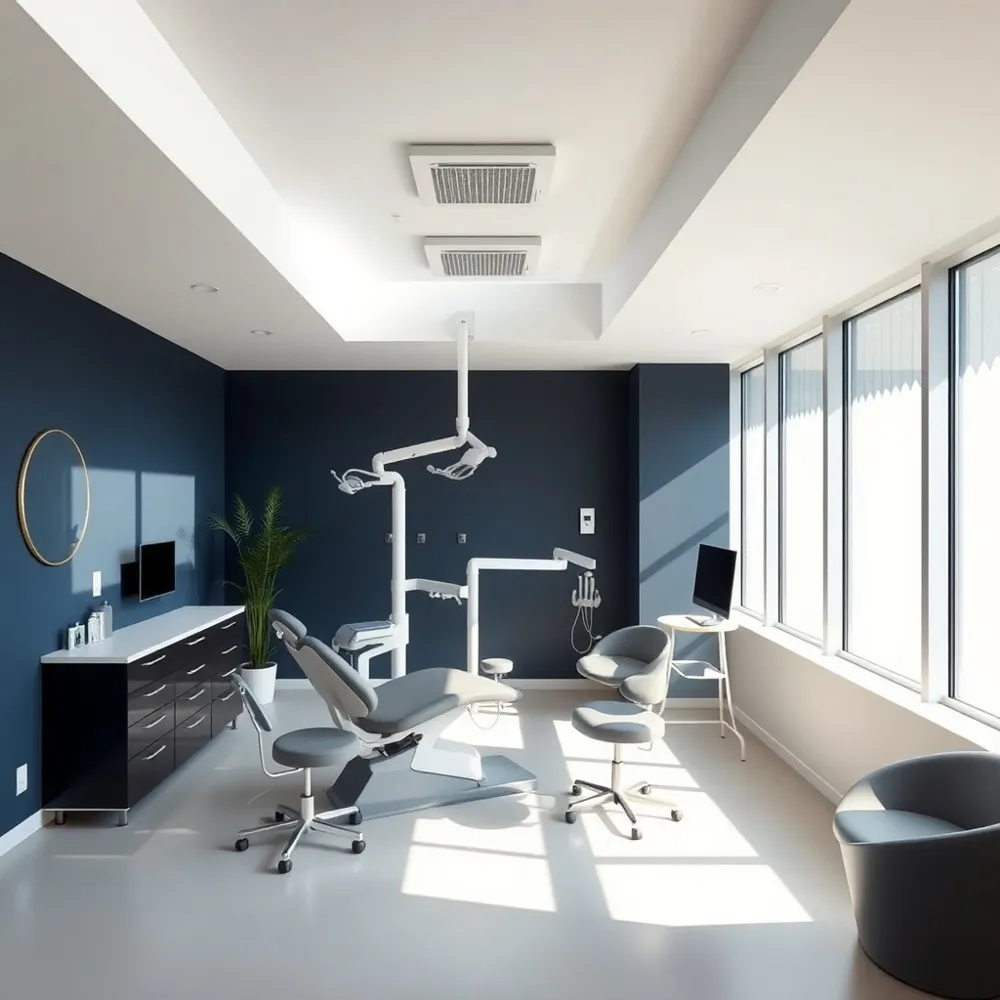 Managing apprehension starts with open communication. Sharing your specific concerns with the dental team at drparrella.com allows the staff to tailor your care, turning an intimidating environment into a supportive one. Building this rapport is essential because it transforms the dental office from a place of uncertainty into a space where you feel heard and respected.
What practical strategies and tools can help me calm down before and during a dental procedure?
Physical techniques are effective at counteracting the body's natural fight-or-flight response. [Diaphragmatic breathing](https://www.uab.edu/news/news-you-can-use/dental-anxiety-three-tips-and-techniques-for- a-calmer-trip-to-the-dentist), which involves slow, deep breaths that expand the abdomen rather than the chest, helps activate the parasympathetic nervous system. Similarly, progressive muscle relaxation targets tension by systematically tensing and then releasing specific muscle groups, starting from your toes and moving toward your head. These methods provide a sense of agency, allowing you to remain grounded throughout your visit.
Distraction techniques serve as another powerful tool. Many patients find that noise-canceling headphones significantly reduce anxiety by masking the clinical sounds of instruments. For those who need more advanced support, sedation dentistry options ranging from nitrous oxide to oral medications can help moderate to severe anxiety. These clinical approaches ensure you remain calm and relaxed, allowing you to receive essential care without the overwhelming stress often associated with dental procedures.
- Use a hand signal to establish a stop-signal for breaks during your treatment.
- Bring a trusted companion to provide emotional support if it helps you feel more secure.
- Practice simple visualization or guided imagery to focus your mind on a peaceful environment.
- Consult your dental provider about the best sedation options for your specific procedure and health history.
Taking the First Step Toward Your Oral Health
Prioritizing your oral health is essential to your overall well-being, yet avoiding dental care due to anxiety often leads to more complex emergency needs later. Scheduling routine preventive visits is the most effective way to intercept issues early, which minimizes the need for invasive procedures and keeps your mouth healthy. When you visit drparrella.com, you are choosing a team dedicated to transparency and patient comfort.
We invite you to schedule a consultation to discuss your specific concerns. Whether you are nervous about your first visit or have avoided the dentist for years, our practice is designed to support you. By visiting our office to meet our team, you can build the trust necessary to feel confident in your care. Reach out to us to begin your journey toward a healthier smile in a compassionate, family-led environment.