What Your Dentist Really Wants You to Know
A little evening preparation goes a long way in making your morning dental visit calmer. Start by laying out your insurance card, a photo ID, and any recent medication list, so there is no frantic searching when you arrive. If you have questions, jot them down the night before — you will be glad you have them ready.
- Brush and floss gently
- Get a full night of sleep
- Eat a light breakfast or snack before your visit
These small steps set a comfortable tone. For a detailed breakdown of what your dentist actually looks for during a cleaning, see what to expect at a dentist visit. Then, when you arrive, you can focus on discussing your care with a clear mind.
The Night Before Your Appointment
 What you do in the 12 hours before you sit in the chair shapes everything that follows. A little preparation the night before can make your visit smoother, shorter, and far more comfortable. Here is how to set yourself up for success starting the evening prior.
Brush and Floss With Purpose
Your dentist is not expecting a perfect mouth, but they do expect a clean one. Brushing and flossing thoroughly the night before and again in the morning clears the plaque and food particles that accumulate overnight. As your dentist wishes you knew, this simple step lets the hygienist focus on deep cleaning instead of chasing yesterday's coffee. Take your time: two minutes of brushing, then floss gently around each tooth.
What to Skip the Night Before
Some habits are best avoided in the run-up to your appointment. Sugary snacks feed the bacteria that cause decay, and sticky candies can lodge between teeth, making the cleaning harder. Caffeine can make you jittery in the chair, while alcohol dries out your mouth and can leave your gums more sensitive. Knowing what not to do before a dentist appointment can be just as useful as a checklist.
If you wear retainers, aligners, or a night guard, clean them properly before bed and bring them along. Your dentist can assess how well they fit and whether the appliance needs adjustment.
Gather Your Records and Questions
Spend five minutes collecting your insurance card, ID, and any dental records or X-rays from previous providers. Jot down your current medications and supplements; some can affect bleeding or interact with certain anesthetics. Also write down any symptoms you have been noticing: tooth sensitivity, jaw pain, clicking, or bleeding gums. A patient dental visit checklist can help you remember what to bring, but the essentials are simple: your mouth, your history, and your questions.
For parents, the night before is also the moment to talk your child through the visit. Let them know what will happen, answer their questions honestly, and keep the tone calm and positive. Preparing your child for their first dental visit this way turns a potentially scary experience into a routine one.
Get a Full Night of Sleep
Fatigue amplifies anxiety and lowers your pain tolerance. Aim for at least seven or eight hours of quality sleep so you wake up rested and alert. A well-rested patient communicates more clearly, asks better questions, and tolerates longer procedures with less discomfort.
If you feel nervous, consider a light, healthy breakfast before your morning appointment, unless you have been advised otherwise for a procedure. Hunger can make you shaky and irritable, which only increases dread. A balanced meal steadies your blood sugar and your mood.
| Do | Don't | Why |
|---|---|---|
| Brush and floss thoroughly | Skip brushing 'just because it's a cleaning' | Removes plaque so the dentist can focus on exam |
| Clean and bring retainers/guards | Forget them at home | Lets the dentist check fit and provide adjustments |
| Gather insurance card and records | Rely on memory for medications | Speeds up paperwork and avoids surprises |
| List symptoms and questions | Assume minor issues don't matter | Ensures nothing important gets overlooked |
| Get a full night's sleep | Stay up late worrying | Reduces anxiety and improves pain tolerance |
What Actually Happens During a Checkup
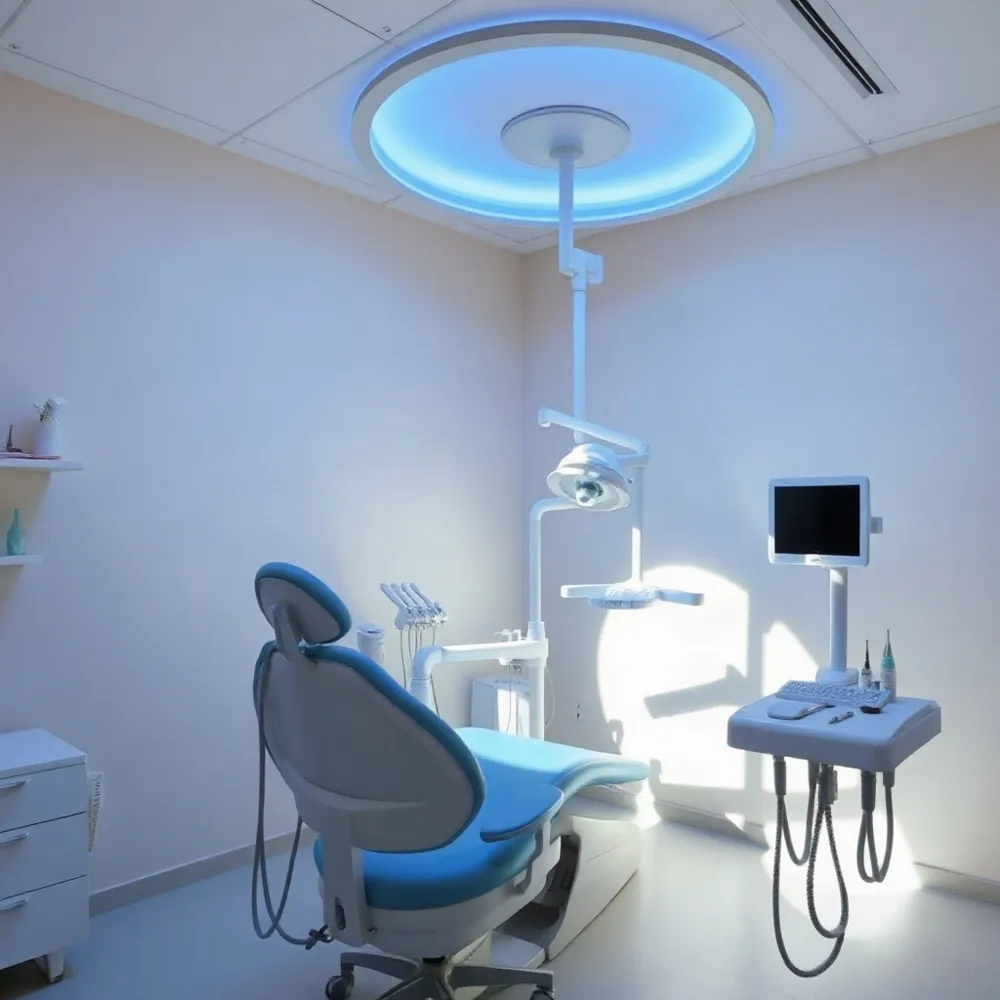 Going into a dental appointment with a clear idea of what to expect can make the whole experience calmer, for you and for the dentist. Most adults sit down in the chair without thinking much about what happens next, but a little preparation goes a long way. Understanding the routine of a checkup helps you feel more in control and lets the dentist focus on keeping your smile healthy rather than explaining basic steps along the way.
A standard checkup follows a fairly consistent pattern that most people have experienced, even if they never stopped to catalog the steps. The dentist and hygienist begin by asking about any concerns, then examine your teeth and gums, take a look at how your bite comes together, and finish by reviewing whether anything needs attention. Knowing this flow means fewer surprises, and it gives you a natural moment to bring up your own questions.
The Real Reason Your Dentist Asks So Many Questions
Before any tools come out, your dentist will likely ask about your brushing and flossing habits, any pain you have noticed, and how often you see a dentist. These questions are not small talk. They shape what the exam focuses on, so honest answers matter. If you have been neglecting your nighttime routine or skipping flossing, saying so openly lets the dentist check the right spots instead of guessing.
The questions also open the door for the dentist to give advice tailored to you. For example, a habit like grinding your teeth at night changes what the dentist looks for during the exam, as do recent changes in your diet or any medications you take. Mentioning these details upfront can turn a routine visit into a much more useful conversation about your long-term oral health.
Examination. The dentist uses a small mirror to look at every tooth's surface, checks the gums for signs of inflammation, and probes gently for areas of sensitivity. This part catches problems like cavities and gum disease before they cause pain.
Professional cleaning. A dental hygienist uses specialized tools to remove plaque and tartar that no amount of brushing can reach. This is the step that leaves your teeth feeling smooth and your breath fresh.
Making the Most of Your Appointment
Preparation does not have to be complicated. A simple list of what to bring and what to mention can help you get more out of each visit. Here are a few practical suggestions to keep in mind.
- Write down any questions you have, no matter how small they seem.
- Bring a list of medications and supplements you take regularly.
- Arrive a few minutes early so you have time to relax and fill out any paperwork.
- Tell your dentist about any recent health changes or new symptoms.
The more prepared you feel, the easier it is to be honest about what you are experiencing. And that honesty is exactly what allows the dentist to give you the most personalized care possible. It turns a routine appointment into a genuine partnership for your oral health.
| Step | What Happens | Why It Matters |
|---|---|---|
| Health history review | You discuss any changes since your last visit. | Helps the dentist tailor the exam to your needs. |
| Professional cleaning | Your hygienist removes plaque and tartar buildup. | Prevents cavities and gum disease that at-home care misses. |
| Comprehensive exam | The dentist checks your teeth, gums, and bite. | Catches problems early when they are easier to treat. |
The 2-2-2 Rule Made Simple
Walking into an appointment with a clean routine is one of the easiest gifts you can give both your mouth and your hygienist. A little advance care goes a long way: brush twice a day, floss regularly, and keep a consistent schedule between visits. If you follow the 2-2-2 rule of brushing twice daily for two minutes, you are already ahead of most patients who simply show up hoping for the best.
On the morning of your visit, keep it simple. A light breakfast and a gentle brush eliminate recent food debris without overdoing it. Avoid heavy coffee or anything sticky, and skip the extra-floss deep clean right before you sit down — that aggressive style can leave gums sore and sensitive to your hygienist's instruments. And if you're unsure about the little things, hospitals and dental schools are full of examples of what goes wrong when patients overcorrect with harsh scrubbing.
Communication matters more than you think. Be honest about medications, any new sensitivity, or a nagging pain, even if it doesn't seem worth a visit. Your dentist can adjust the care plan on the spot, but only if they know something changed since your last checkup.
The Appointment-Specific Prep Checklist
- Confirm your appointment time and any pre-visit paperwork.
- Brush twice daily leading up to the visit, following a checklist like this one.
- Eat a light meal beforehand; come hydrated but not starving.
- Write down questions or concerns you want to raise.
- Arrive early to relax, and take a breath before sitting back.
| What to Do | Why It Helps | Example Source |
|---|---|---|
| Brush gently 30 min before | Removes film without gum irritation | Hartwood guide |
| Floss lightly the day prior | Reduces bleeding and inflammation | Dental wellness tip |
| Prepare a list of questions | Ensures all concerns are addressed | Walden checklist |
Why Flossing Really Matters
What you do in the 12 hours before you sit in the chair can shape how smooth your cleaning feels and how comfortable your gums stay. A little preparation goes a long way, and the habits you build the night before carry straight into the office. Start by giving your teeth a proper evening clean, which means more than a quick brush. Regular flossing removes plaque from surfaces your brush cannot reach, and skipping it leaves those areas vulnerable. In fact, brushing alone misses more than a third of your tooth surfaces, so taking a few extra minutes with floss makes a real difference.
Pay attention to your gums as you clean. If you notice bleeding or tenderness while flossing, that is often an early sign of gingivitis, the mildest form of gum disease. It is also a signal worth mentioning to your dentist, since catching it early can prevent it from progressing. The goal is to arrive with a clean, calm mouth so your hygienist can focus on the deeper cleaning rather than working around built-up plaque. A relaxed patient also tends to have an easier, more comfortable visit overall.
Build a simple evening routine
You do not need a complicated ritual the night before. Stick to the basics: brush for two full minutes, floss between every tooth, and rinse with water or an alcohol-free mouthwash. Avoid sugary or acidic snacks after your last brushing, because they feed bacteria while you sleep. If you are unsure how to prepare your child for their first dental visit, the same gentle principles apply, and a calm, playful tone at home makes the experience feel less intimidating.
- Brush for two minutes, covering all surfaces of each tooth.
- Floss daily to remove plaque from between teeth and along the gumline.
- Skip sugary or acidic snacks after your last brushing.
- Drink water before bed to keep your mouth hydrated.
- Read through a preparation checklist so you know what to expect.
If you want a fuller walkthrough, a guide on how to prepare for your next dental appointment can walk you through the practical steps, from gathering your insurance card to writing down any dental questions. Many people overlook the question list, but it helps you make the most of your time in the chair. Similarly, if you are bringing a young child, tips for preparing your child for their first dental visit can help you ease their nerves and set a positive tone.
Brush. Use a soft-bristled brush and a fluoride toothpaste, and angle the bristles toward the gumline.
Floss. Curve the floss around each tooth in a C shape and slide it gently below the gumline.
Rinse. Finish with water or an alcohol-free rinse, and avoid eating anything afterward.
Keep in mind that a small amount of bleeding while flossing can be normal at first, especially if you are new to it. But if the bleeding is persistent or your gums look red and swollen, mention it to your dentist. Those signs can point to a deeper issue that needs attention before it affects your overall health. Your Somerville dental team at drparrella.com can check for any inflammation and give you personalized advice on brushing and flossing technique. Being proactive about these details makes every visit more predictable and keeps your smile on track.
Finally, remember that preparation is about more than a squeaky-clean feeling. It is a chance to bring your dentist into the loop on anything you have noticed, from sensitivity to recent pain. When you arrive ready to talk openly, your dentist can give you more targeted care and you leave with a clear plan for the months ahead. That simple routine the night before sets the whole appointment up for success.
Your Diet’s Hidden Role in Tooth Decay
What you do the night before a dental appointment sets the stage for a smoother visit. A little planning can reduce sensitivity, make cleaning more comfortable, and help you avoid an unnecessary lecture about neglected spots. Here are the essentials to handle the evening before you sit in the chair.
Brush and floss. Spend about two minutes brushing with a soft-bristled brush, and don't skip the floss. Removing plaque before it hardens into tartar lets the hygienist focus on cleaning rather than scraping, which often means less discomfort. It also gives you a chance to notice any tender areas or bleeding you can mention at your visit.
Mind your snack. If you eat after dinner, choose something gentle on enamel. Starchy foods like corn, potatoes, and bread are as harmful as candy because they break down into sugars and feed bacteria. Your Diet’s Hidden Role in Tooth Decay is worth a read if you snack late, and avoiding sugary or acidic treats like chips and soda before bed reduces overnight acid attacks.
Hydrate and skip the obvious no-nos
Drink plenty of water the night before to keep your mouth from drying out, but go easy on coffee or tea close to bed. Dark beverages can leave stains the hygienist may need to polish away, and caffeine disrupts the sleep that supports healthy gums. If you smoke or drink, consider pausing for the evening. Your dentist will appreciate a cleaner environment to work in, and you'll likely breathe easier during the appointment.
Prepare your mouth for the morning
When you wake up, brush as usual with a pea-sized amount of fluoride toothpaste. Don't over-brush or scrub hard, and skip mouthwash right before the visit, as it can mask early signs of gum disease like bleeding. What to Expect at a Dentist Visit for an Adult offers a helpful overview of what the hygienist checks, so you know what to expect.
Finally, wear something comfortable and arrive a few minutes early with a list of any questions or concerns. The more prepared you are, the more relaxed you'll feel, and the more value you'll get from your time in the chair.
Listening to the Warning Signs
Most people walk into a dental office with a vague sense of anxiety and a hope that the visit will be quick. What many do not realize is that your dentist is not there to judge your habits or scold you. The goal is prevention and early intervention. Catching small issues before they become large ones is the entire philosophy behind regular care, which is why recognizing early signs of gum disease matters so much. When you understand what your dentist is actually looking for, you can become a more active partner in your own oral health.
One of the most common misconceptions is that a cleaning is just a polish and scrape. In reality, your dentist and hygienist are performing a comprehensive assessment of your teeth, gums, bite, and even the soft tissues in your mouth. They are checking for signs of decay, periodontal disease, oral cancer, and other systemic conditions that can manifest in the mouth first. This is why knowing what to expect at a dental visit for an adult can ease a lot of unnecessary worry. A typical appointment involves more than just the chair; it is a structured evaluation designed to keep you healthy.
What Your Dentist Wishes You Knew
Your dentist does not expect you to have perfect teeth. They do hope you will be honest about your habits, your pain, and your fears. For example, bleeding gums are never normal — they are a warning sign that should be addressed, not ignored. Similarly, sensitivity to hot or cold, bad breath that won't go away, or a persistent ache are all signals that deserve attention. Staying quiet out of embarrassment only allows a minor problem to grow. Your dentist has seen it all, and their primary interest is helping you keep your natural teeth for life.
Preparation for an appointment is not just about brushing before you walk in. It involves being transparent about your medical history, medications, and any changes in your health. Certain conditions like diabetes or heart disease have direct links to oral health, and your dentist needs that information to provide safe care. A simple checklist for your next dental appointment can help you remember these details and make the most of your time with the dentist.
Beyond the Drill: The Broader Picture
Dentistry today is not just about fixing cavities. It is about understanding the connection between your mouth and your overall well-being. Research continually shows links between periodontal disease and conditions like cardiovascular disease and diabetes. Your dentist may ask about your sleep, your diet, or even your stress levels because these factors all impact your oral health. This holistic view is why a thorough dental visit can sometimes feel more like a medical consultation than a simple cleaning.
For parents, the same principles apply. Preparing your child for their first dental visit is about creating a positive association and building trust. The advice on preparing your child for their first dental visit emphasizes starting early and keeping language calm and reassuring. When a child learns that the dentist is a friendly helper, not a source of fear, they are far more likely to maintain good habits as they grow.
How to Make the Visit Work for You
Ultimately, your dentist wants to be your partner in health. That means being open about your concerns, asking questions, and following through with recommended care. If you are not sure why a certain treatment is necessary, ask. A good dentist will take the time to explain the why behind every recommendation. This collaborative approach turns a routine check-up into a foundation for a lifetime of healthy smiles.
Preparing Your Child and Yourself
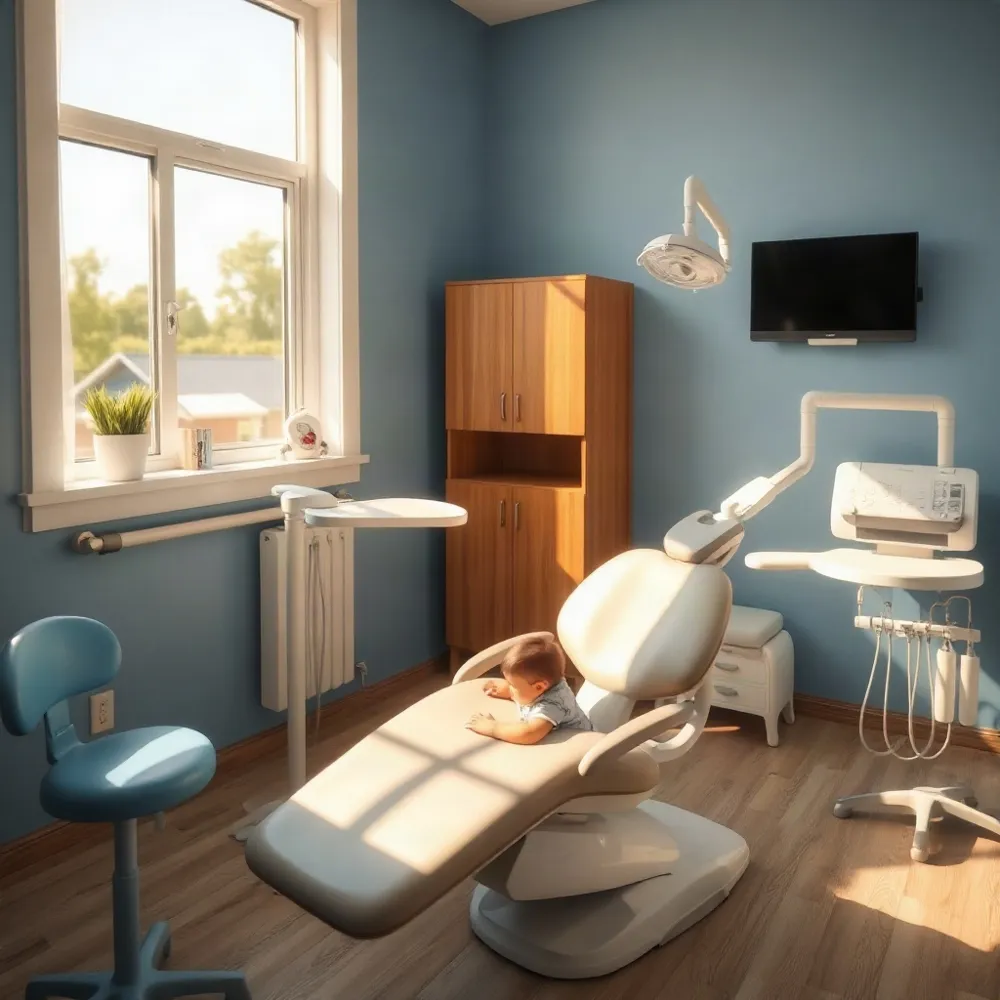 A child's first dental visit sets the tone for a lifetime of oral health, so the calmer and more prepared everyone feels, the better the outcome. Parents often worry about tears or resistance, but children take their emotional cues from the adults beside them. When you approach the appointment with confidence and a relaxed attitude, your child is far more likely to see the dentist as a friendly helper rather than a source of fear.
Preparation starts at home, well before you reach the parking lot. The American Dental Association recommends that a child's first dental visit happen within six months of the first tooth appearing, and no later than their first birthday. That early start isn't just about checking for cavities; it builds a foundation of trust so future appointments feel routine. The more familiar the environment, the less intimidating it becomes.
Start with a Positive Attitude and Simple Language
Children mirror your emotions, so keep your tone light and use words they understand. Instead of phrases like "drill" or "hurt," talk about "counting teeth" and "taking pictures with a special camera." Dr. Parrella and his team in Somerville, MA, are experienced at making first visits feel like an adventure, not an ordeal. Your own calmness is the single most powerful tool you bring to the appointment.
Role-playing at home can help demystify the experience. Let your child practice opening wide while you shine a flashlight into their mouth, just like the dentist will. Read a picture book about going to the dentist or watch a short, age-appropriate video together. These small steps turn the unknown into something familiar, which is exactly what a child needs to feel safe.
What to Do the Night Before and the Morning Of
A well-rested child is a cooperative child. Make sure they get a full night's sleep the evening before, and schedule the appointment at a time when they're usually in a good mood, often mid-morning after breakfast. Avoid sugary snacks right before the visit, and stick to their normal routine. A child who isn't hungry and isn't overtired is far more likely to sit calmly in the chair.
On the morning of the appointment, bring a comfort item if needed, like a favorite stuffed animal or a small toy. Let them wear comfortable clothes and consider a practice run to the office so the building doesn't feel completely new. Dr. Parrella's team welcomes questions from both you and your child, so don't hesitate to ask about anything that feels unclear.
The Power of Trust and a Familiar Face
Children relax when they see their parents trust the dental team. That trust doesn't happen overnight; it grows through consistent, gentle, and patient interactions. When you choose a family-focused practice like Dr. Parrella's, you're not just booking a checkup. You're building a relationship that will support your child's confidence and oral health for years to come. That sense of security makes every future visit easier, for both of you.
| Time Frame | Focus | Quick Tip |
|---|---|---|
| Days before | Talk positively | Use words like "counting teeth" |
| Night before | Good sleep | Keep the routine consistent |
| Morning of | Comfort & timing | Bring a favorite stuffed animal |
| At the office | Trust & calm | Let your child see you stay relaxed |
Ask Questions, Build Trust, Smile Brighter
Good dental care is a partnership. By preparing ahead, brushing and flossing well, and talking openly with your dentist, you take control of your oral health. Asking questions eases anxiety and helps your dentist tailor care to your needs.
Before you leave, schedule your next visit. Many offices offer text or email reminders to help you stay on track. Walking out with a clean mouth and a clear plan lets you smile with confidence.