When Grinding Goes Unnoticed
Sleep-related teeth grinding can happen without a person realizing it. A bed partner may hear the sound, or a dentist may notice worn, chipped, or damaged teeth during an exam. Some people instead first notice a sore jaw or morning headache. These signs can have other causes, so they do not confirm bruxism on their own. Mayo Clinic’s overview of bruxism symptoms explains why an assessment matters.
A night guard can help protect teeth from the effects of grinding and clenching, but it does not necessarily stop the habit or address what contributes to it. At Dr. Parrella’s family-run practice in Somerville, care is personalized, helping patients discuss concerns and consider suitable protection rather than relying on a one-size-fits-all answer.
Symptoms and treatment needs vary. Some people may need no formal treatment, while others may benefit from a professionally fitted guard. A dentist can examine the teeth and jaw, discuss symptoms, and help families decide what protection is appropriate. Cleveland Clinic describes how mouthguards can help protect teeth from bruxism, while noting that fit and individual needs matter.
Recognizing Bruxism and Its Effects
 Bruxism is repeated clenching, grinding, or gnashing of the teeth. It can happen while you are awake or asleep, often without your noticing it. A dentist may spot signs during an exam, including changes that are hard to see or feel at home. Cleveland Clinic’s overview of bruxism explains common symptoms and possible effects.
Look for worn or flattened tooth surfaces, chips, cracks, looseness, or new sensitivity. Grinding can wear down enamel and damage teeth or existing dental work, though the effects vary from person to person. Mayo Clinic’s bruxism guide also describes jaw, face, or neck soreness and related symptoms.
What a Night Guard Can Protect
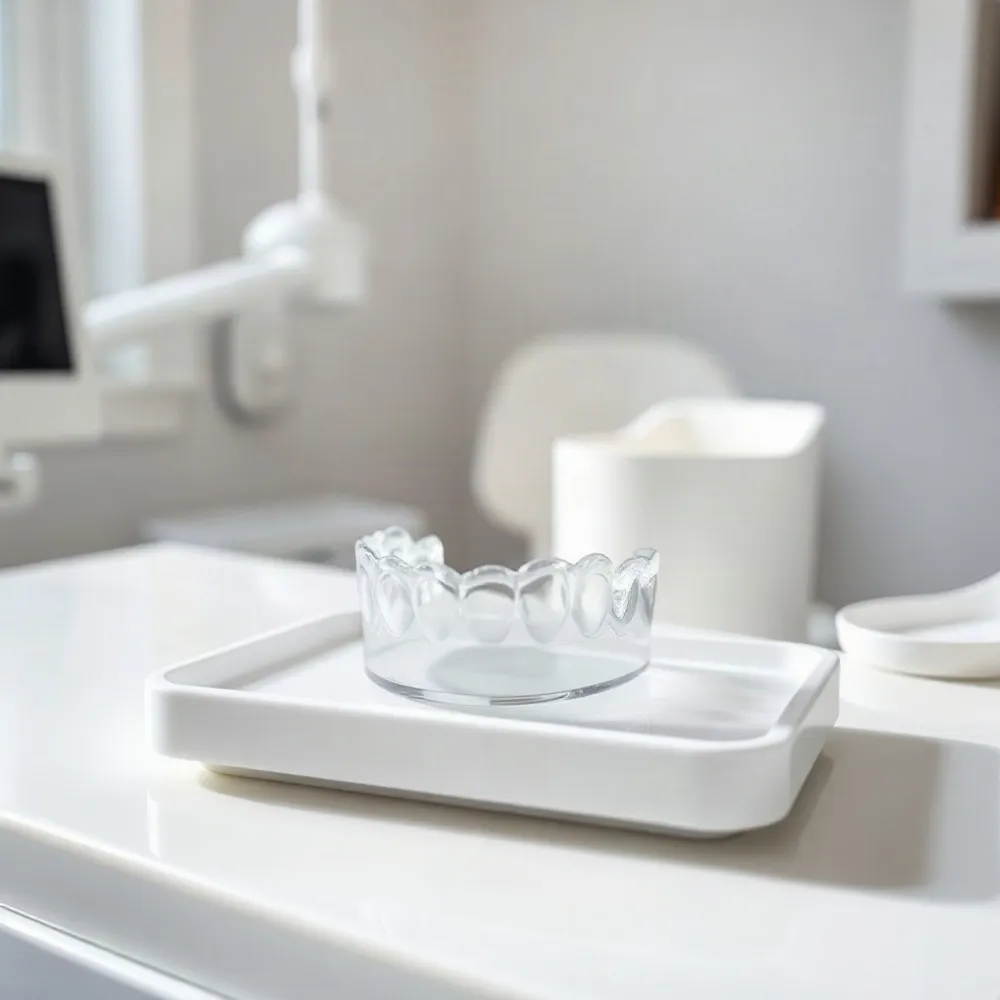
A night guard is a dental appliance worn over the teeth during sleep. By keeping the upper and lower teeth apart, it helps limit the wear and damage that repeated grinding or clenching can cause. A dentist can assess your teeth and bite to decide whether a guard is appropriate.
A guard may also ease some jaw strain or related discomfort, but it does not necessarily stop grinding or address its underlying cause. As the Mayo Clinic explains, mouthguards can help prevent damage from clenching and grinding even when the grinding itself continues.
Comfort matters because a guard can only protect your teeth while you wear it. It may take time to get used to the appliance, but soreness in the teeth, gums, or jaw can signal that the fit needs attention. A dentist can inspect the guard and adjust it when needed, as described in the Cleveland Clinic’s guidance on mouthguards.
At drparrella.com, care is centered on personalized, comprehensive dental treatment for local families. During a dental visit, patients can raise concerns about grinding, discomfort, or a guard that feels wrong so the dentist can assess the fit and discuss suitable protection.
Choosing a Guard That Fits
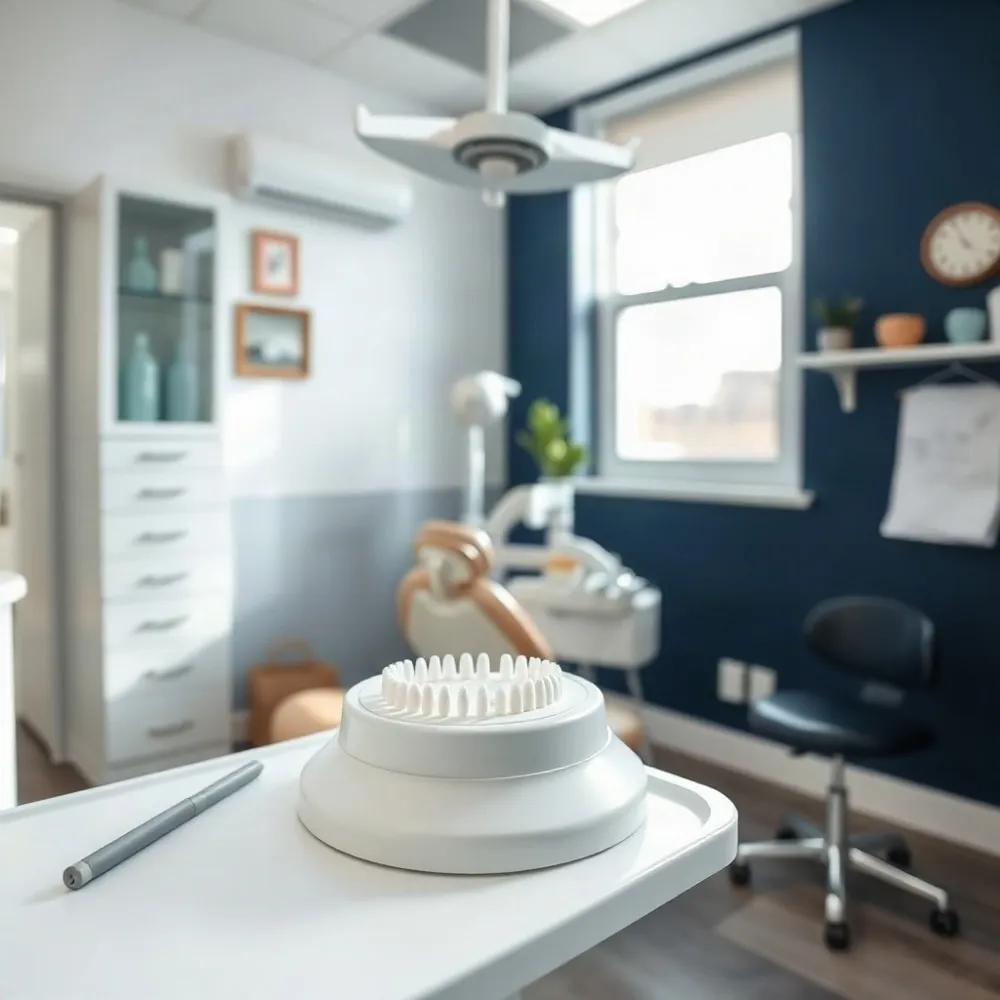 Choosing a night guard involves more than comparing prices. For ongoing grinding, a dentist can assess your teeth, bite, and dental work, then recommend an appliance that fits your needs. At drparrella.com, dental care is personalized to the patient, so questions about guard choice can be considered alongside your oral health.
Should you choose a dentist-made night guard or an over-the-counter one?
A dentist-made guard is created from dental impressions or a digital scan, then fabricated by a dental laboratory to match your teeth. Custom guards are generally more comfortable and provide effective protection against bruxism. Store-bought options include stock guards worn as-is and boil-and-bite guards molded at home. They cost less, but are less effective for grinding-related protection and may wear out sooner. Cleveland Clinic’s comparison of mouth guard types explains these differences.
A custom guard may take time to make, but its fit can help avoid the soreness that a poorly fitting appliance may cause. It can also be checked and adjusted by a dentist. Rather than choosing solely by price, discuss how often you grind, your comfort, and the protection needed. A store-bought guard may not be the right choice for ongoing grinding.
How do you choose a night guard, and does it matter whether it fits the upper or lower teeth?
Most guards fit over the upper teeth, although a dentist may recommend a lower guard in some cases. Neither position is automatically best: the choice depends on your dental anatomy, bite, comfort, and any braces, implants, or other dental work. Custom appliances can be shaped to accommodate these features, and a dentist can check that the guard sits properly.
Bring any existing guard to a dental appointment if it feels loose, uncomfortable, or causes soreness. A professional can inspect its fit and condition and help you decide whether an adjustment or a different type is appropriate.
Wearing and Caring for a Guard
A guard for nighttime grinding is typically worn during sleep when recommended, but follow your dentist’s instructions about when and how long to wear it. The right schedule depends on your grinding and its effects, so check in before changing how you use the appliance. Cleveland Clinic’s mouthguard guidance also advises asking a healthcare provider if you are unsure about wear.
Jaw pain, tenderness, or other temporomandibular joint (TMJ) symptoms should be assessed rather than assumed to be treated by a guard alone. Dr. Parrella’s family-run Somerville practice provides personalized, comprehensive dental care, where a patient’s symptoms can be considered as part of an individual care plan. Contact your dentist if a guard causes discomfort or seems to worsen symptoms.
Good cleaning habits help keep the appliance in better condition. Brush your teeth before putting it in, rinse the guard with cool water, then brush it with soap and water after use. Let it air-dry before storing it in a sturdy, ventilated case.
Bring a custom guard to dental checkups so your dentist can look for cracks, wear, or changes in fit. Avoid hot water and direct sunlight, which can warp the material. With proper care, a custom guard may last several years, though its lifespan depends on how often it is worn and its condition; your dentist can advise when it needs adjustment or replacement.
Grinding, Sleep, and Other Contributors
Teeth grinding can happen while a person is awake or asleep, and it may have more than one contributing factor. Stress and anxiety are recognized risk factors, while some medications and sleep-related concerns are also associated with bruxism. These connections do not confirm the cause in any individual case, so discussing symptoms and relevant health history with a dentist can help guide assessment. For more on how stress may relate to grinding, see bruxism and stress.
Sleep apnea and bruxism have been linked, but experts have not established that one causes the other, according to the Cleveland Clinic’s overview of bruxism. If you have loud snoring, noticed breathing pauses, or other sleep concerns, tell your dentist so they can factor that into your assessment. If you have loud snoring, noticed breathing pauses, or other sleep concerns, tell your dentist so they can factor that into your assessment.
Assessment and Next Steps
 A dentist can often spot signs of grinding during an exam, even if you have not noticed it yourself. They may look for flattened or worn tooth surfaces, chips, cracks, and other damage, check for jaw-muscle or jaw-joint tenderness, and ask about symptoms such as morning soreness or headaches. Mayo Clinic’s bruxism assessment guidance describes these checks as part of an evaluation.
If the signs are mild or unclear, your dentist may monitor changes over time or consider further assessment. Treatment is not necessary in every case. At drparrella.com, regular, personalized dental care can include checking for changes in tooth wear and discussing symptoms as part of an ongoing relationship with your dentist.
When grinding causes symptoms or damage, next steps depend on your needs. A dentist may recommend a guard to protect your teeth, discuss stress-management approaches such as meditation or exercise, or suggest follow-up if a sleep concern or another health issue may be involved. A guard can help limit damage, but may not stop the grinding itself. Do not change a prescribed medication without speaking with the clinician who manages it.
Lost enamel does not grow back. If severe wear causes sensitivity or makes chewing difficult, a dentist may discuss reshaping the chewing surfaces or restoring teeth with crowns. An exam can help identify the extent of damage and explain suitable options.
If you have persistent pain, headaches, sensitivity, visible wear, or damaged teeth, bring it up at a dental visit. Regular checkups can help identify changes before they worsen, and a dentist can advise whether a guard or another form of care is appropriate.
Protection Starts With a Conversation
A night guard can help protect teeth from the effects of grinding, but it does not necessarily stop the habit or address what may be contributing to it. A dentist can assess symptoms and check whether a guard fits properly, as Cleveland Clinic explains.
If you notice tooth wear, jaw discomfort, or soreness from a guard, bring it up at your next appointment. At Dr. Parrella’s family-run practice in Somerville, care is personalized to each patient’s needs. A conversation can help you decide on a comfortable, appropriate way to protect your teeth.