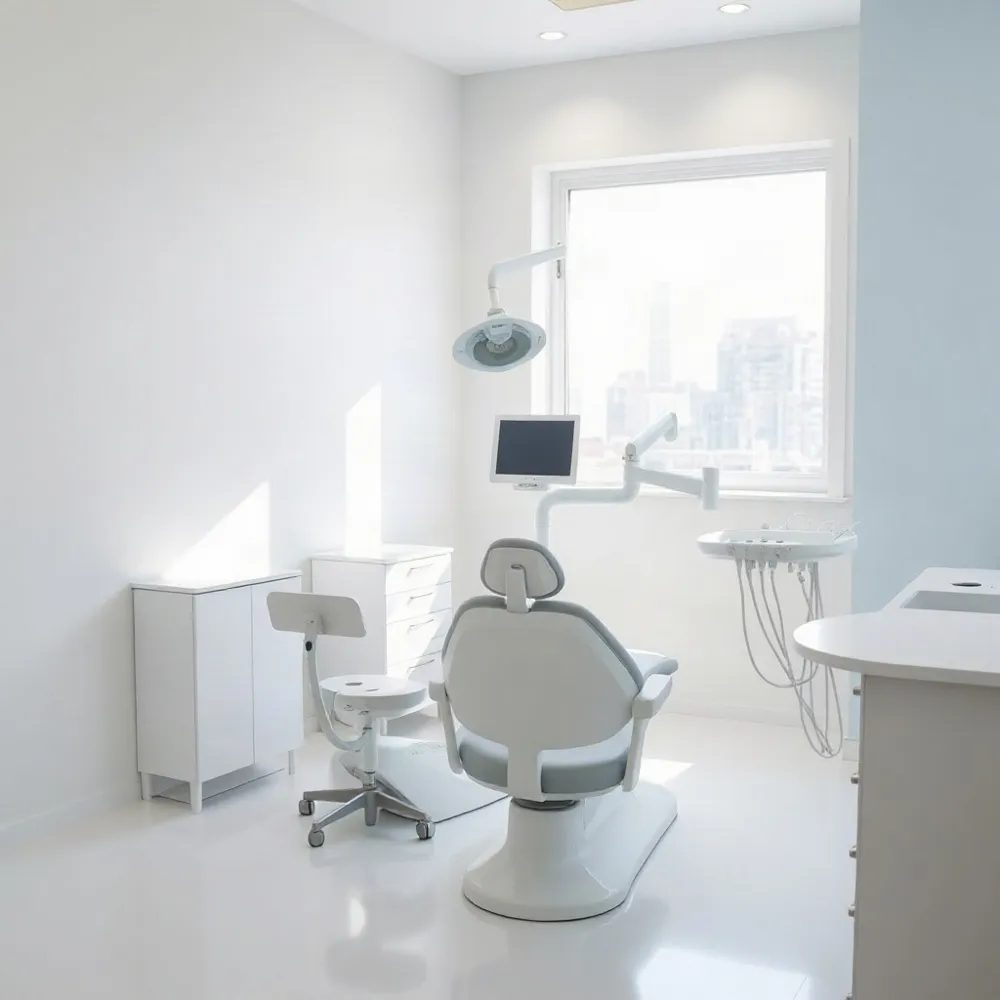
Stress and Your Smile: A Hidden Connection
Stress triggers a cascade of physical responses that directly affect your mouth. The most visible sign is bruxism, the habitual clenching and grinding of teeth that often happens during sleep. Over time, this pressure wears down enamel, causes sensitivity, and can lead to fractures. But the effects go beyond teeth. Chronic stress also disrupts your immune system, making it harder for your body to fight off the bacteria that cause gum disease. This is why stress and gum health are so closely linked.
The Bruxism Connection
Bruxism is a common stress response, and it puts tremendous force on your teeth, often exceeding 250 pounds of pressure per square inch. This constant grinding can wear down tooth enamel, leading to increased sensitivity and a higher risk of cracks and chips. The jaw muscles also bear the brunt, becoming sore and fatigued. This can result in temporomandibular joint (TMJ) pain, headaches, and even earaches. Long-term stress can also affect your oral health by increasing inflammation, which worsens the damage caused by grinding.
Stress and Gum Disease
The same stress hormones that prepare your body for a fight-or-flight response also suppress your immune system. This makes your gums more vulnerable to the bacteria in plaque, increasing your risk of gingivitis and periodontitis. The connection between stress and gum disease is well-documented. When you're stressed, you may also neglect your oral hygiene routine, skipping brushing or flossing, which further compounds the problem. Stress can even lead to poor dietary choices, like craving sugary snacks that fuel plaque production.
Other Oral Health Effects of Stress
Beyond bruxism and gum disease, stress can manifest in other ways. You might notice dry mouth, as stress can reduce saliva production. Saliva is your mouth's natural defense against cavities and gum disease, so a dry mouth increases your risk of decay. Stress can also trigger canker sores and cold sore outbreaks. Chronic stress weakens your body's defenses, making you more susceptible to these painful conditions. Recognizing these signs early is important.
Protecting Your Smile at DrParrella.com
At drparrella.com, we understand that stress takes a toll on your entire body, including your smile. Our team provides comprehensive care to address the effects of stress on your oral health. We offer custom night guards to protect your teeth from grinding, and we work with you to manage gum disease. Regular checkups at our practice help catch stress-related issues early, preventing them from becoming serious problems. We're here to support your oral health, no matter what life throws at you.
| Stress Effect | How It Affects You | Our Solution |
|---|---|---|
| Bruxism | Worn enamel, sensitivity, fractures, jaw pain | Custom night guards |
| Gum disease | Inflammation, bleeding, gum recession | Periodontal therapy |
| Dry mouth | Increased cavity risk | Saliva substitutes, hydration guidance |
Bruxism: The Stress-Driven Grind
 When you are under pressure, your body naturally clenches or grinds your teeth, often without you noticing. This habit, called bruxism, is frequently an unconscious reaction to stress, anxiety, or frustration. Over time, the constant friction and pressure wear down tooth enamel, make your jaw muscles sore, and can lead to headaches and facial pain. Because it often happens while you sleep, many people don't realize they are doing it until a dentist spots the signs or a partner hears the grinding at night.
How Stress Fuels the Habit
Stress triggers the release of cortisol and adrenaline, which put your body in a state of high alert. This "fight or flight" response can cause you to unconsciously clench your jaw or grind your teeth, especially during sleep when your brain is processing the day's tensions. For a helpful overview of how this connects to overall health, you can explore the connection between stress and your mouth. The link between mental strain and oral habits is strong enough that dentists often look for wear patterns on teeth as a physical clue to a patient's stress levels.
The Impact on Your Teeth and Gums
Repeated grinding can wear down the chewing surfaces of your teeth, making them shorter and more sensitive. It can also loosen teeth over time and contribute to receding gums, as the pressure pushes gums away from the tooth root. Beyond the teeth themselves, the muscle tension from clenching can radiate into your neck and shoulders, leading to chronic pain and poor sleep. Since stress also reduces saliva flow, your mouth becomes less able to wash away food particles and neutralize acids, increasing the risk of cavities and gum inflammation.
Recognizing the Signs
- Waking up with a sore jaw or dull headache
- Teeth that feel sensitive to hot or cold
- Worn, flattened, or chipped teeth
- Tongue indentations or a scalloped tongue
- Pain or tightness in the face, neck, or ears
If you notice any of these signs, it's worth talking to your dentist. Early detection allows for simple interventions that protect your smile from long-term damage. For more detail on how stress shows up in your mouth, this guide to stress and oral health offers practical advice.
What You Can Do
Managing bruxism often starts with reducing overall stress, but targeted dental care is essential to prevent damage. Many people benefit from wearing a custom night guard, which acts as a protective barrier between your upper and lower teeth. Stress-reduction practices like exercise, meditation, and maintaining a consistent sleep schedule can also help. Because bruxism is so closely tied to your emotional state, addressing the underlying stress is just as important as protecting your teeth. For personalized guidance, a dentist can assess your specific patterns and recommend the right approach, whether that's a mouthguard, stress management techniques, or both.
Recognizing Stress Signs in Your Mouth
 Stress is a universal experience, but its effects reach far beyond a racing heart or tense shoulders. Your mouth often shows the first signs of chronic stress, from a sore jaw to worn-down teeth. Understanding this connection is the first step toward protecting your smile, and a visit to Dr. Parrella's office can help you address these issues before they become serious.
When you're stressed, your body releases hormones like cortisol and adrenaline. These hormones can increase inflammation throughout your body, including your gums. Research shows that chronic stress weakens your immune system, making it harder for your body to fight off the bacteria that cause gum disease. This is why stressed individuals often experience bleeding gums, tenderness, and even receding gums.
The Many Faces of Stress in Your Mouth
Stress doesn't just affect your gums; it impacts your entire oral cavity. Here are some of the most common ways stress shows up in your mouth:
- Jaw pain and tightness: Clenching your jaw is a common stress response. This can lead to temporomandibular joint (TMJ) disorders, causing pain in your jaw, face, and even ears.
- Teeth grinding (bruxism): Many people grind their teeth at night without realizing it. Over time, this can wear down tooth enamel, leading to sensitivity and an increased risk of cavities.
- Mouth sores: Canker sores and cold sores often appear during periods of high stress. While they're not dangerous, they can be painful and uncomfortable.
- Dry mouth: Stress can reduce saliva production, leading to a dry mouth. Saliva is essential for neutralizing acids and washing away food particles, so a dry mouth increases your risk of tooth decay and gum disease.
- Worn teeth: The combination of clenching and grinding can cause teeth to appear shorter and more worn over time, as noted by Dr. Anthony P. Parrella's guide to stress-related bruxism.
Why Your Gums Are Especially Vulnerable
Your gums are particularly sensitive to stress. When you're stressed, your body's inflammatory response goes into overdrive. This can worsen existing gum disease or even trigger it. A 2024 article from Parodontax explains that stress can make your gums more susceptible to the bacteria that cause gingivitis and periodontitis.
Moreover, stress can alter your oral hygiene habits. When you're overwhelmed, you might skip brushing or flossing, or you might turn to sugary snacks and drinks. These habits, combined with the physiological effects of stress, create a perfect storm for gum problems. At Dr. Parrella's practice, we understand that stress isn't just a mental burden; it's a physical one that requires comprehensive care.
Recognizing the Signs of Stress in Your Mouth
Common symptoms like jaw pain, headaches, and worn teeth are your body's way of signaling that stress is taking a toll. If you notice any of these signs, it's important to address them early. Our guide on recognizing stress signs in your mouth can help you identify what to look for. Remember, ignoring these signs can lead to more serious problems, including tooth loss.
The good news is that many stress-related oral health issues are reversible with early intervention. Simple steps like practicing relaxation techniques, getting regular exercise, and maintaining a consistent oral care routine can make a big difference. Additionally, professional treatments like dental sealants, fluoride varnishes, and custom night guards can protect your teeth from the damaging effects of stress.
What You Can Do Today
If you're experiencing any of these symptoms, don't wait. Schedule an appointment with a dentist who understands the connection between stress and oral health. At Dr. Parrella's Somerville practice, we take a personalized approach to your dental care. We'll work with you to develop a plan that addresses both the symptoms and the underlying causes of your stress-related oral health issues.
Remember, your oral health is a window to your overall health. By managing your stress and seeking professional dental care, you can protect your smile and your well-being. Don't let stress silently damage your teeth and gums. Take action today for a healthier, happier you.
| Stress Symptom | Oral Health Impact | Recommended Action |
|---|---|---|
| Jaw pain | TMJ disorders, tooth wear | Night guard, stress management |
| Teeth grinding | Enamel erosion, sensitivity | Night guard, bite adjustment |
| Dry mouth | Increased cavity risk | Hydration, saliva substitutes |
| Mouth sores | Pain, discomfort | Topical treatments, stress reduction |
Why Stress Worsens Tooth and Jaw Discomfort
Ongoing tension does more than drain your energy. It also changes how you hold your jaw, how often you clench, and how your body responds to minor irritation. When your nervous system stays on high alert, the muscles around your face and neck never fully relax, which sets the stage for tooth pain and jaw soreness that often shows up with no obvious dental cause.
Bruxism’s Role in TMJ Disorders
Bruxism, the habit of grinding or clenching your teeth, is one of the most direct links between stress and jaw discomfort. Many people clench at night without realizing it, only to wake up with a dull headache, sore cheeks, or a locked feeling in the jaw. Over time, this repeated pressure can wear down enamel, aggravate the temporomandibular joint (TMJ), and strain the muscles that control chewing.
The link works in both directions. Stress can make grinding worse, and the resulting pain can create more anxiety, which feeds back into more clenching. This cycle is why bruxism often flares during demanding periods at work or during life changes, and why simply telling yourself to relax rarely stops the habit.
Why Stress Worsens Tooth and Jaw Discomfort
Stress also changes how you perceive pain. When your body is under chronic pressure, your pain threshold can drop, making normal sensations feel sharper. A minor area of irritation that you might normally ignore can become a constant source of discomfort, especially around the jaw and teeth where muscles are already tense.
For a thorough explanation of how long-term tension affects your whole mouth, read How Stress Affects Your Oral Health.
Does Stress Lead to Cavities and Tooth Loss?
Stress doesn't stop at the surface. The same hormones that keep you alert and ready to respond also travel through your bloodstream to your gums and jaw, reshaping how your mouth behaves while you sleep and how your tissues respond to everyday bacteria. For many people, the first visible signs of a difficult season at work or home show up not in their mood, but in their teeth and gums.
Bruxism. Clenching and grinding, often at night, can wear down enamel, cause sensitivity, and lead to fractures or loose teeth over time.
Gum disease. Stress alters the immune response and reduces saliva flow, making gums more vulnerable to inflammation and infection.
Dry mouth. Chronic stress can reduce saliva production, leaving your mouth more acidic and more prone to decay.
The Stress-Immunity Link: Why Gums Are the First to Complain
Cortisol, the body's primary stress hormone, suppresses the immune system. When your defenses are down, the bacteria that cause gum disease multiply faster than your body can keep them in check. Research on stress and gum health shows that emotional strain can lead directly to inflammation in the gums, making them red, swollen, and prone to bleeding.
This is why protecting your gums is so much more than a cleaning routine. When stress levels stay high for weeks or months, your gums lose the ability to repair themselves. Over time, untreated gum inflammation can progress to periodontitis, a serious infection that damages the soft tissue and the bone holding your teeth in place.
Grinding, Clenching, and the Damage You Don't Feel
Many people grind their teeth only at night, when they're not aware of it. But the force can be immense, sometimes reaching hundreds of pounds per square inch. This constant pressure can chip enamel, cause teeth to become sensitive to hot and cold, and even lead to cracks or breakage. The connection between stress and teeth is well documented, and the effects accumulate silently.
Over time, grinding can also affect the jaw joint, leading to pain when you chew or open your mouth wide. If you notice jaw soreness in the morning or a dull headache, it may be worth paying attention to. Regular dental exams are one of the few ways to catch the early signs of wear before they become serious problems. That's why regular dental exams matter so much for your long-term oral health.
Dry Mouth: A Hidden Gateway to Decay
Saliva does more than keep your mouth moist. It washes away food particles, neutralizes acids, and helps repair early tooth decay. Chronic stress can interfere with saliva production, leaving your mouth dry and more vulnerable to cavities. When there isn't enough saliva, plaque builds up faster, and the protective minerals that would normally remineralize your enamel are missing.
This is why stress doesn't just hurt your gums; it can also make your teeth more susceptible to decay. The good news is that most of these effects are reversible if caught early. With the right habits and professional guidance, you can help your mouth bounce back.
| Oral Health Effect | How Stress Contributes | Early Warning Sign |
|---|---|---|
| Bruxism | Hormonal changes increase nighttime grinding | Morning jaw soreness, worn teeth |
| Gum disease | Immune suppression worsens inflammation | Bleeding gums, redness |
| Dry mouth | Reduced saliva flow increases acid levels | Sticky feeling, thirst, bad breath |
| Cavities | Less protection from saliva | Sensitivity, visible dark spots |
Gum Health Under Pressure
When stress hormones like cortisol surge through your body, the effects reach far beyond your brain and heart. Your mouth often shows the first visible signs. Chronic stress can reduce saliva production, leading to dry mouth, which leaves your gums vulnerable to bacteria and inflammation. A 2025 article from Delta Dental of New Jersey explains that stress directly contributes to gum problems by altering the oral environment.
Stress also triggers harmful behaviors that damage your teeth and gums. Many people respond to pressure by grinding or clenching their jaws, often while asleep, a condition called bruxism. This repeated force can wear down enamel and put excessive strain on the supporting tissues of your teeth, potentially leading to gum recession. According to Dr. Brian Hall's guide on stress and oral health, long-term stress can cause your gums to pull away from your teeth, creating pockets where bacteria can thrive.
The Stress-Inflammation Connection
Stress increases inflammation throughout your body, and your gums are no exception. When you're under chronic stress, your immune system becomes less effective at fighting off the bacteria in plaque, making you more susceptible to gum disease. A piece by Maricopa Dental Center highlights that stress-induced inflammation can worsen existing gum conditions and slow down healing after dental procedures.
The link between stress and gum disease is so strong that managing your emotional well-being is part of maintaining your periodontal health. Stress reduction isn't just good for your mental state; it's a direct contributor to healthier gums and a stronger smile. At Dr. Parrella's practice, we understand that addressing stress is a key part of comprehensive dental care.
| Stress Effect | Oral Impact | What You Can Do |
|---|---|---|
| Reduced saliva flow | Dry mouth, higher cavity risk | Stay hydrated, chew sugar-free gum |
| Jaw clenching | Worn enamel, tooth sensitivity | Wear a night guard |
| Weakened immune response | Increased gum inflammation | Maintain regular cleanings |
| Neglecting hygiene | Plaque buildup, gingivitis | Stick to a consistent routine |
If you're noticing symptoms like bleeding gums, persistent bad breath, or tooth sensitivity, it could be a sign that stress is affecting your oral health. Professional guidance can help you break the cycle. Learn the signs of gum disease you shouldn't ignore and take proactive steps to protect your smile.
What Dentists Spot in Your Exam
 Stress rarely stays in your head. For many people it travels straight to the jaw, showing up as clenching during the day or grinding at night. Dentists call this condition bruxism, and it is one of the most direct ways chronic stress damages your teeth. Over time, the constant pressure wears down enamel, flattens chewing surfaces, and can lead to cracks, sensitivity, and even tooth loss. While you might not notice the habit while you sleep, the effects are hard to miss during a routine exam.
The link between stress and oral health is well documented. High stress levels often trigger jaw clenching, which puts additional strain on your teeth and supporting tissues. That strain does more than cause a sore jaw in the morning. It accelerates enamel erosion and can inflame the structures that hold your teeth in place. According to the dental team at drparrella.com, chronic stress also reduces your body's ability to fight off the bacteria responsible for gum disease, making bruxism a double threat to your smile.
How Clenching Damages More Than Enamel
Bruxism does not just wear down the visible part of your tooth. The forces involved can be surprisingly strong, often exceeding 250 pounds of pressure per square inch. That kind of force puts stress on the periodontal ligament, the tissue that connects the tooth to the bone. Repeated pressure can cause the bone to recede, loosening teeth over time. It can also trigger gum inflammation, which sets the stage for more serious periodontal issues. This is why your dentist pays close attention to wear patterns and gum recession during an exam.
Grinding and clenching are not just a nighttime habit either. Many people clench during the day, often without realizing it, especially when they are concentrating or feeling anxious. The result is the same: excess pressure that taxes both your teeth and the muscles that move your jaw. Over years, this can lead to temporomandibular joint (TMJ) discomfort, headaches, and facial pain. Addressing the stress behind the habit is just as important as protecting the teeth themselves.
The Stress–Gum Disease Connection
Stress affects more than your bite. It changes how your body responds to the bacteria that live in your mouth. Under stress, your immune system becomes less effective at fighting off the microbes that cause gum inflammation. At the same time, stress can lead to behaviors like poor brushing habits or a diet high in sugar, which compound the problem. This is why the connection between stress and gum disease is so well recognized by dental professionals.
Bruxism adds a mechanical component to this biological vulnerability. The friction from grinding irritates the gums and can push bacteria deeper into the pockets around your teeth. What starts as mild gingivitis can progress into periodontitis, a more serious infection that damages the bone supporting your teeth. The earlier you address both the stress and the grinding, the better your chances of preserving your natural smile. As the team at drparrella.com notes, gum disease is primarily caused by plaque buildup, but stress and clenching can accelerate its progression significantly.
What a Dental Exam Reveals About Your Stress
Your dentist is often the first person to spot the physical signs of chronic stress. Worn enamel, chipped teeth, notched incisal edges, and tender gums can all point to bruxism. Dentists also look for muscle tenderness and jaw joint stiffness, which are common in people who grind their teeth. During a routine visit, the dentist can identify these signs before they become painful problems.
This is why regular exams matter so much. Detecting bruxism early means you can take steps to protect your teeth before significant damage occurs. A dentist can recommend a custom mouthguard to wear at night, which acts as a cushion between your upper and lower teeth, reducing the forces from grinding. In addition, your dentist can offer guidance on stress management techniques that address the root cause of the habit. As part of the conversation about oral health, regular cleanings help prevent the plaque buildup that, combined with stress and grinding, can lead to more serious dental problems.
Practical Steps to Break the Grinding Habit
Managing bruxism involves both protecting your teeth and addressing the stress that fuels the habit. Here are some approaches that can make a difference:
- Wear a custom night guard. A dentist-fitted guard is far more effective than over-the-counter options because it is tailored to your bite and does not shift while you sleep.
- Practice stress reduction. Activities like deep breathing, yoga, or even a short walk during the day can reduce the tension that leads to clenching.
- Be mindful of your jaw. Notice when you are clenching during the day and consciously relax your jaw, keeping your lips closed and your teeth apart.
- Limit stimulants. Caffeine and alcohol can worsen grinding, so reducing your intake, especially in the evening, may help.
If you are experiencing jaw pain, headaches, or notice worn teeth, it is worth discussing with your dentist. They can assess the extent of the grinding and help you find a solution that fits your lifestyle. The sooner you address bruxism, the less likely you are to face costly and painful repairs down the road.
Why Early Intervention Matters
Bruxism is a progressive condition. The longer it goes untreated, the more damage it does. Enamel does not regenerate, so once it is worn away, the only way to restore it is through dental work like bonding, crowns, or veneers. In severe cases, the bone loss from gum disease can become irreversible, leading to tooth mobility or even tooth loss. Catching these issues early, during a routine exam, gives you the chance to intervene before the damage becomes significant.
Your dentist can also help you understand the connection between stress and your oral health. The educational resources at drparrella.com emphasize that chronic stress and teeth grinding play a significant role in gum health. Stress can diminish your body's defensive capabilities, while grinding places physical strain on your teeth and gums. By addressing both the stress and the mechanical habit, you can protect your smile for years to come.
The Takeaway
Bruxism is a clear sign that stress is affecting your oral health, and it is a problem you should not ignore. The good news is that it is treatable. With the right combination of a custom night guard, stress management, and regular dental care, you can prevent further damage and keep your smile healthy. If you suspect you grind your teeth, schedule an appointment with your dentist to get a proper evaluation and start protecting your teeth today.
Protecting Your Smile During Stressful Times
Stress does more than make you feel wound up; it triggers a chain of physical responses that can quietly undermine your dental health. One of the most common effects is bruxism, the involuntary grinding or clenching of teeth, often during sleep. Over time, this constant pressure can wear down enamel, cause fractures, and lead to sensitivity. As a 2025 Delta Dental blog explains, stress hormones like cortisol can also reduce saliva flow, creating a dry mouth that lets bacteria thrive and increases the risk of cavities and gum inflammation.
Your immune system also takes a hit. When you're under chronic stress, your body's ability to fight off infection weakens. This makes your gums more vulnerable to gingivitis and periodontitis. According to Frederick's dental blog, stress can worsen existing gum disease by increasing plaque accumulation and making your gums more likely to bleed. The Maricopa Dental Center notes that this connection works both ways, with untreated gum inflammation potentially feeding back into systemic stress, creating a difficult-to-break cycle.
Why Your Gums Feel the Brunt First
Your gums are often the first place stress shows up. As the Aurora Dental article points out, stress-related behaviors like clenching and poor oral hygiene compound the problem. When you're stressed, you might skip brushing or flossing, snack on sugary foods, or grind your teeth, all of which place extra burden on your gum tissue. A Parodontax resource emphasizes that while stress doesn't directly cause gum disease, it creates an environment where the bacteria that do cause it can flourish, speeding up tissue destruction and bone loss.
The good news is that recognizing these signs early can stop the damage. If you notice bleeding when you brush, persistent bad breath, or receding gums, it's time to take action. The dental health guide from Dr. Scharf notes that managing your stress response, whether through exercise, mindfulness, or better sleep, can meaningfully reduce inflammation in your mouth and support healing.
Practical Steps to Protect Your Smile
Your dentist can be your strongest ally in this fight. Regular checkups allow for early detection of stress-related damage like enamel wear or gum recession. A custom-fitted nightguard is one of the most effective tools to protect against grinding. As our guide to protecting your gums explains, addressing clenching and stress early can prevent the need for more extensive treatment later. The practical tips on maintaining oral health between visits also highlight how simple lifestyle adjustments, like staying hydrated and avoiding caffeine in the evening, can reduce your risk of stress-related damage.
Stress is unavoidable, but the harm it does to your mouth doesn't have to be. By understanding the link and taking proactive steps, you can keep your smile healthy and resilient, no matter what life throws your way.
Caring for Your Oral Health Amid Life's Pressures
Your mouth is often where long-term stress shows up first. While many people recognize headaches or trouble sleeping as signs of strain, the teeth and gums can reveal the same struggle in ways that are easy to overlook. Understanding these connections at drparrella.com helps you catch problems early and take preventive action.
Chronic stress triggers the release of cortisol and other hormones that alter your body's inflammatory response. This change can make your gums more prone to bleeding and swelling, even with normal brushing and flossing habits. Over time, the same stress that keeps you up at night also compromises the tissues that hold your teeth in place.
The Clenching and Grinding Connection
One of the most direct ways stress affects your smile is through bruxism, the unconscious clenching or grinding of teeth. Many people do this while asleep, so they only discover the damage during a dental checkup. Common signs include jaw soreness in the morning, worn tooth enamel, and increased tooth sensitivity.
Stress also often leads to jaw clenching during the day, especially when you're concentrating or feeling anxious. This constant pressure can strain the temporomandibular joint (TMJ), leading to pain that radiates to the ears, neck, and head. Unlike nighttime grinding, daytime clenching is something you may be able to catch and address with mindfulness techniques.
Stress, Gum Disease, and Your Body's Defense
Research shows a clear link between psychological stress and gum disease. Stress weakens your immune system, making it harder for your body to fight off the bacteria that cause plaque and inflammation. This is why people under chronic stress often see their gums bleed more easily and experience receding gum lines that make teeth look longer and feel more sensitive.
Stress also affects your oral health indirectly through behavior. When you're overwhelmed, you may skip brushing, floss less frequently, or reach for sugary snacks that fuel decay. Long-term stress can also lead to dry mouth, which reduces the saliva that naturally protects your teeth and gums. These combined effects create a perfect storm for cavities and gum problems.
Teeth grinding. A direct response to stress that wears down enamel, causes cracks, and leads to tooth sensitivity. Your dentist can spot the signs even if you don't notice them.
Gum inflammation. Stress-related hormone changes increase your risk of gingivitis, marked by red, swollen gums that bleed during brushing. Left untreated, this can progress to more serious periodontal disease.
The good news is that early detection makes a significant difference. Regular checkups at drparrella.com allow your dentist to identify stress-related changes before they cause irreversible damage. Your dentist can also recommend custom mouthguards that protect your teeth from grinding and suggest stress-reduction techniques tailored to your oral health needs.
Many patients overlook the role of stress until a dental problem forces them to pay attention. But your mouth often gives the earliest warning signs of chronic stress. By recognizing these signals and addressing them proactively, you protect not only your smile but also your overall well-being.