
Looking Beyond The Visible
A careful dental examination can reveal a great deal, but the visible surfaces do not tell the whole story. A dentist cannot always see what lies between teeth, beneath the gums, or around a tooth’s roots and supporting bone.
Dental X-rays, also called radiographs, provide images of these less visible areas. When an examination raises a question, they can help assess concerns such as hidden decay or bone changes and provide information for planning treatment. The Cleveland Clinic’s overview of dental X-rays describes how different images help dentists investigate specific clinical questions.
An X-ray is not an automatic part of every visit. Your dentist considers your oral health, history, examination findings, and the information needed before recommending imaging. At drparrella.com, care is personalized to each patient, so you can ask what a proposed image is intended to show and how it may guide your care.
What Different Images Can Reveal
 Dental X-rays are selected to answer a particular clinical question. The view your dentist recommends depends on your oral health, symptoms, and what information is needed to guide care.
Bitewing images show the crowns of upper and lower back teeth together. They can help reveal decay between teeth or beneath fillings, as well as changes in the bone supporting the teeth. Learn more about what bitewing images can reveal.
A periapical image shows one or a few teeth from crown to root tip, along with nearby bone. This closer view can help investigate changes near a root that may be associated with infection. Panoramic images, taken from outside the mouth, provide a broad view of the teeth and jaws and may help assess impacted teeth or support treatment planning. Cleveland Clinic’s overview of dental X-rays explains how image types serve different purposes.
Images can also show bone loss associated with gum disease, but they do not show gum inflammation directly. A dentist considers X-rays alongside the examination, gum measurements, and symptoms, since a normal image does not rule out every problem. At drparrella.com, imaging recommendations are considered as part of a personalized dental examination, rather than as a substitute for discussing what a patient is experiencing.
X-rays may support planning for implants, braces, or dentures, and help monitor healing after some procedures. They do not establish a diagnosis or treatment plan on their own; the dentist combines the image with examination findings and the patient’s health history.
Timing Depends On Your Oral Health
There is no universal schedule for dental X-rays. The American Dental Association’s guidance on dental radiographs says timing should reflect your current oral health, age, risk of disease, symptoms, and clinical needs. Your dentist considers these factors alongside examination findings to decide whether images are useful.
People with healthy teeth and gums and a low risk of disease may need images less often. A history of frequent cavities, gum disease, new symptoms, or other concerns may lead to an earlier recommendation. At drparrella.com, X-rays are considered as part of an individualized dental assessment, rather than as an automatic step at every visit.
Age alone does not determine how often an older adult needs X-rays. Changes such as new dental work, gum problems, or symptoms can affect what the dentist needs to check. The same principle applies to children: images may be useful more often during tooth loss or when crowding is a concern, but the decision should still be based on the child’s specific needs.
Before repeating an image, ask when your previous X-rays were taken and whether they are suitable for the current question. The ADA recommends making a good-faith effort to use appropriate images from earlier examinations when available. At drparrella.com, discussing the reason for an image and its role in care can help you understand the recommendation and make an informed decision with your dentist.
Keeping Radiation Exposure Low
 Dental X-rays use low levels of ionizing radiation. Dental imaging makes up a minor share of radiation exposure from all sources, but each image should still have a clear purpose. The American Dental Association’s radiation guidance calls for weighing the expected benefit against exposure and keeping it as low as reasonably achievable, a principle known as ALARA.
In practical terms, the dental team first examines your mouth and health history, then chooses an image only if it can help answer a clinical question or guide care. Appropriate equipment and patient positioning, limiting the beam to the area being assessed, and checking whether suitable earlier images are available can help avoid unnecessary exposure and repeat images. At drparrella.com, imaging decisions are considered as part of a patient’s examination and individual care needs.
Are dental X-rays safe, and can they increase cancer risk?
A routine dental image does not mean cancer will result. Ionizing radiation carries a small potential risk, so the dentist considers whether the information is likely to benefit your care. X-rays may show some cancers involving or spreading to the jaw, but they do not detect every mouth cancer and do not replace regular oral cancer screenings. Ask what the proposed image is meant to show and how the team will limit exposure.
How many dental X-rays are safe to have in one day or month?
There is no fixed number that applies to everyone. The appropriate number depends on your symptoms, oral health, treatment needs, image type, and recent images. Tell your dentist about X-rays taken elsewhere so the team can consider whether those images are suitable before ordering more. If you are pregnant or may be pregnant, let the dental team know. Imaging is commonly avoided during pregnancy unless it is necessary, and the need can be discussed in light of your care.
Questions, Choices, And Costs
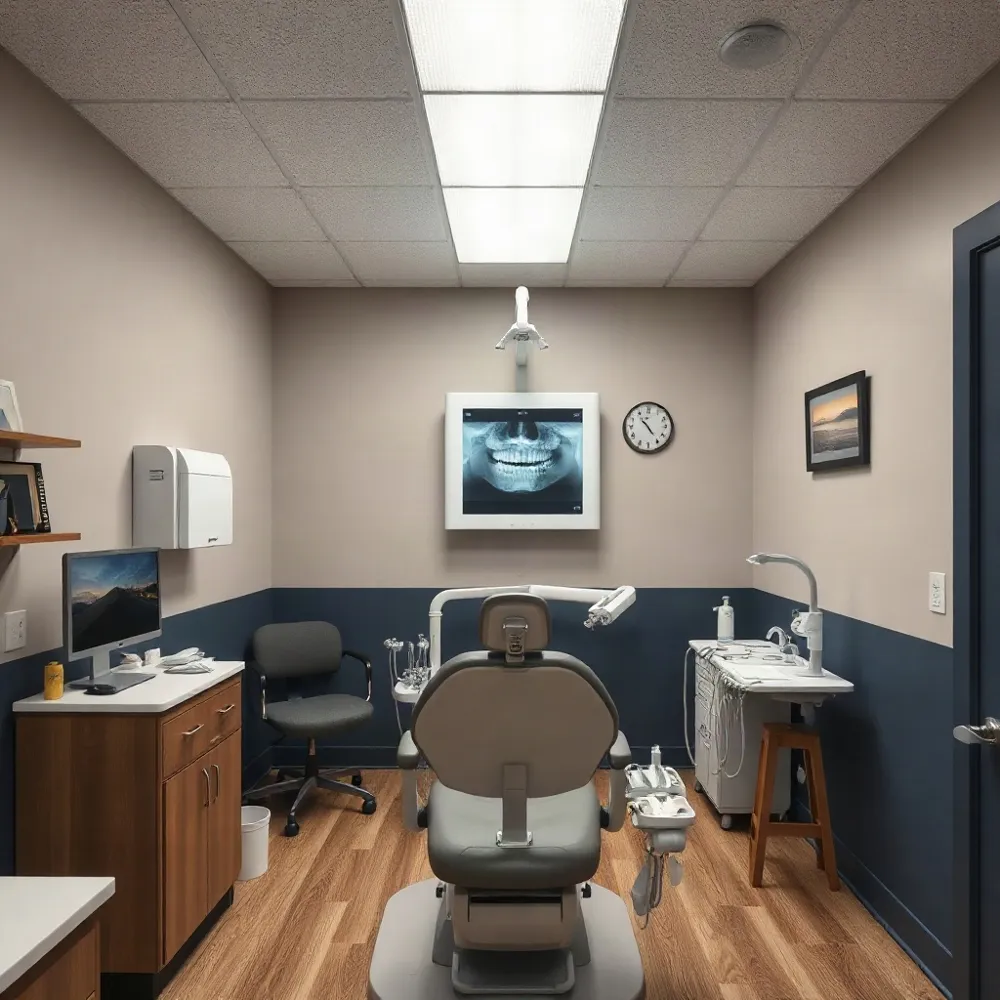 If your dentist recommends an X-ray, you can ask questions and decide whether to proceed. The American Dental Association encourages patients and dentists to discuss imaging so choices reflect the person’s health history and clinical needs, rather than routine alone. ADA guidance on dental X-rays
Ask what the image is intended to show, how the result could affect diagnosis or treatment, and whether suitable images from a recent visit can be used. Also discuss the possible risks of delaying or declining imaging and whether another way to assess the concern is available. At drparrella.com, care is described as personalized and comprehensive, so patients can raise these questions as part of a conversation about their treatment.
You may decline recommended X-rays. However, a dentist may be unable to diagnose a problem fully or proceed with some treatment without images considered necessary. Cleveland Clinic’s overview of dental X-rays explains that imaging can help assess conditions not visible in an examination and support treatment planning. Understanding why an image is advised can help you weigh the options together.
Costs depend on the image type, location, number of images, office fees and equipment, and insurance coverage. Panoramic imaging and cone-beam CT may cost more because they use specialized equipment to provide broader or more detailed views. Cone-beam CT should be considered when it offers a clear clinical benefit that lower-exposure imaging cannot provide.
Before imaging, ask the dental office for an estimate and check with your insurer about coverage, including any deductible or out-of-pocket cost. At drparrella.com, patients can discuss the recommended images and their role in care before making a decision.
Make The Decision Together
A dental image is most useful when it answers a specific question about your health. Your dentist can explain what the examination suggests, what an X-ray might clarify, and how the result could affect your care. The American Dental Association recommends discussing imaging so patients and dentists can make informed decisions together.
At drparrella.com, care is provided by a family-run Somerville practice led by Dr. Anthony P. Parrella, where questions can be part of a personal conversation about your needs. Ask about radiation exposure, timing, available prior images, or cost. A careful examination and clear discussion help determine whether imaging may offer useful information for you.