Understanding Digital X-Ray Safety
Modern digital X-rays use significantly less radiation than traditional film-based X-rays, making them a safe and essential tool in dental care. This is especially reassuring for the two groups who often have the most questions: parents of young children and women who are pregnant or planning a pregnancy.
The radiation exposure from a standard digital dental X-ray is minimal. A set of four bitewing X-rays exposes a child to about 0.004 mSv, which is less than the 0.01 mSv of radiation people absorb daily from natural environmental sources. This low dose means that necessary diagnostic images can be captured without raising health concerns for vulnerable patients.
For every patient at drparrella.com, safety comes first. Our practice follows the ALARA (As Low As Reasonably Achievable) principle, using digital sensors and protective gear like lead aprons and thyroid collars to minimize exposure. We take the time to explain each step so that patients and families feel informed and at ease.
Digital X-Rays and Radiation Exposure
Digital X-rays use highly sensitive electronic sensors instead of traditional film to capture images. This key technological shift allows digital X-rays to reduce radiation exposure by up to 80-90% compared to film X-rays. For patients, this means the imaging process is significantly safer without sacrificing image quality.
To put these low doses into perspective, a set of four bitewing digital X-rays exposes a patient to about 0.004 millisieverts (mSv) of radiation. This is less than the average daily environmental radiation everyone absorbs from natural sources like the sun and soil, which is about 0.01 mSv per day. The exposure from a dental exam is comparable to what you would receive on a short airplane flight.
Dental professionals follow the ALARA principle (As Low As Reasonably Achievable) to further minimize patient exposure. This includes using lead aprons and thyroid collars for protection and only taking X-rays when there is a clear diagnostic need. At our family-run practice, we adhere strictly to these guidelines to ensure every digital X-ray provides maximum benefit with minimal risk.
Safety for Children: What Parents Should Know
Children's developing bodies are more sensitive to radiation, so it's natural for parents to have concerns about dental X-rays. The good news is that modern digital X-rays are safe for children when needed and proper guidelines are followed. A set of four bitewing X-rays exposes a child to about 0.004 mSv of radiation, which is less than the 0.01 mSv of daily background radiation we all receive from natural sources.
Pediatric Guidelines and Timing
Most children receive their first dental X-rays around age 3 or 4. The American Academy of Pediatric Dentistry recommends that the frequency and necessity of X-rays be determined on an individual basis, considering the child's dental history, risk for tooth decay, and age. For most children, bitewing X-rays are typically recommended every 6 to 12 months.
Cedars-Sinai notes that a standard chest X-ray provides about the same amount of radiation as background environmental exposure in 2-3 days, which is less than a typical airplane flight. Dental X-rays use even less radiation than a chest X-ray. For panoramic images that show the entire mouth, these are generally recommended every three years to monitor overall growth and development.
Protective Gear During Exams
During any dental X-ray procedure, your child will be protected with a lead apron and thyroid collar. These barriers shield sensitive organs from any scatter radiation. The American Dental Association encourages dentists to follow the ALARA (As Low As Reasonably Achievable) principle and the Image Gently initiative, which emphasize safe pediatric imaging practices.
DrParrella.com uses digital sensors that reduce radiation by up to 90% compared with traditional film X-rays, making these procedures especially safe for young patients. Parents are welcome to stay with their children during the quick and painless process to provide comfort and reassurance.
X-Ray Frequency: A Personalized Approach
There is no single X-ray schedule that fits every patient. The frequency of dental radiographs is determined by individual factors, including a person's age, oral health status, and risk for tooth decay or gum disease.
How Often Should Adults Have Dental X-Rays?
For most adults with stable oral health, bitewing X-rays are recommended about once a year. Patients who have a history of cavities, active periodontal disease, or other clinical concerns may need them more frequently — often every six months. Those with consistently healthy exams can often go 12 to 24 months between X-rays.
Panoramic X-rays, which capture the full mouth and jaw in a single image, are typically taken every three to five years for adults to monitor overall dental development and detect issues like cysts or impacted teeth.
Dental X-Ray Frequency for Children
Children's need for dental X-rays varies with their stage of development. The American Academy of Pediatric Dentistry recommends that frequency be determined on an individual basis.
- "Bitewing" cavity-detecting X-rays are generally advised every six to twelve months for children at higher risk of decay.
- "Panoramic" images assessing growth and emerging permanent teeth are typically taken every two to three years.
At drparrella.com, we follow this philosophy closely. During each child's exam we review their history and clinical findings before recommending any radiograph, ensuring the schedule is both safe and effective."
Dental X-Rays During Pregnancy: Safe and Important
Radiation Sensitivity and the First Trimester
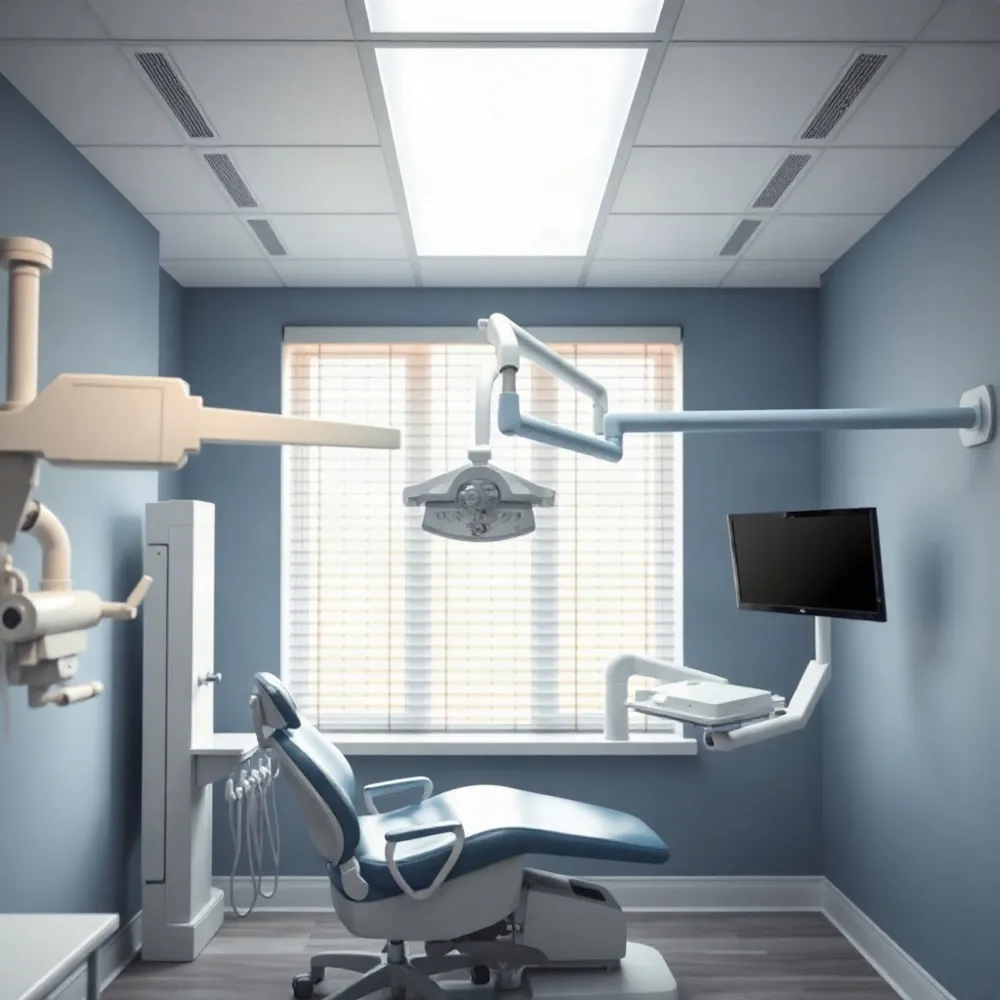 Radiation Sensitivity and the First Trimester:
The first trimester is when a developing baby is most vulnerable to radiation, as rapid cell division and organ formation are underway. During weeks 2 to 15 post-conception, high-dose radiation exposure carries the highest risk for birth defects, growth issues, or developmental problems. However, dental X-rays involve negligible radiation that is aimed only at the mouth, not the abdomen, so the exposure levels are far below any threshold of concern. Still, it’s essential to tell your dentist if you’re pregnant or suspect you might be, so they can take extra precautions, such as using a lead apron and thyroid collar. This simple step ensures your baby’s safety while you receive the dental care you need.
Dental Procedures Safe During Pregnancy
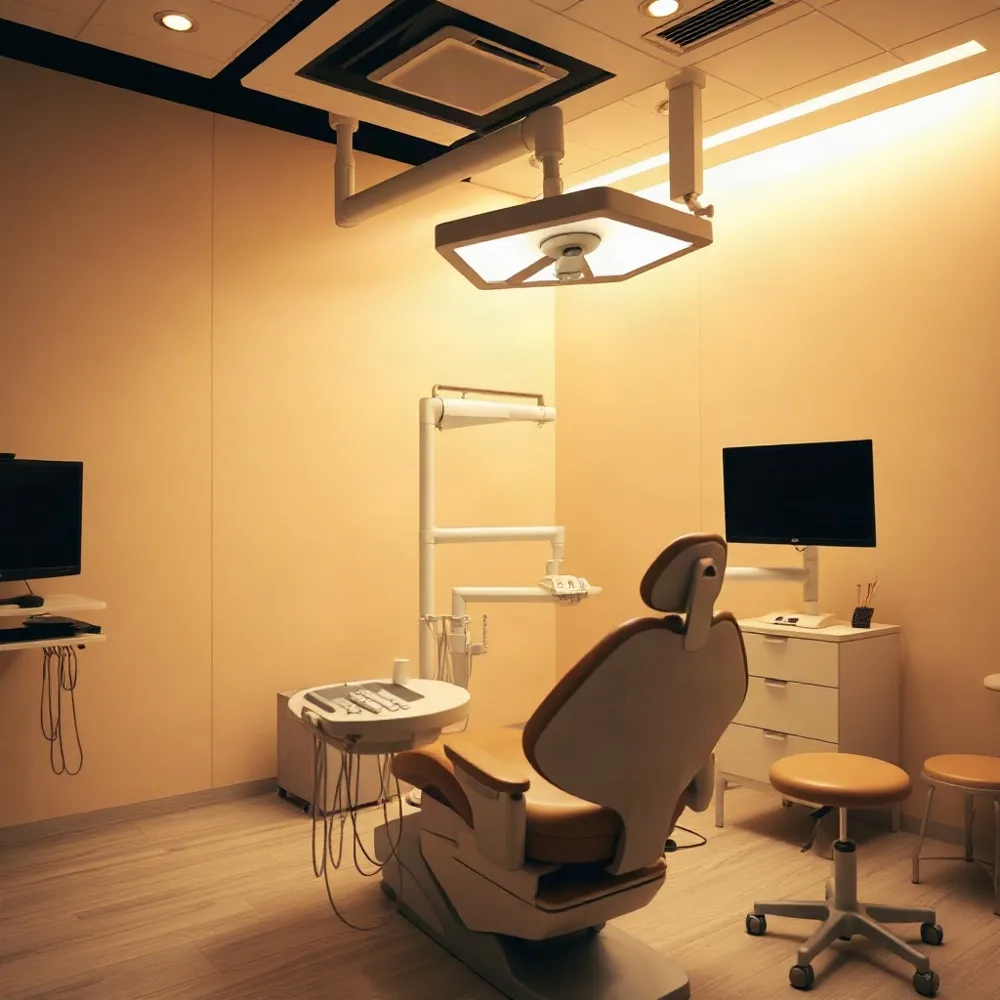
Protective Gear and Best Practices
To ensure safety, lead aprons and thyroid collars are standard for all patients, shielding vital organs from scatter radiation. Digital sensors are not only more sensitive but also smaller, enhancing comfort for children—a key factor in minimizing movement and reducing the need for retakes. The ADA’s ALARA principle (“as low as reasonably achievable”) guides dentists to justify each X-ray and use the lowest possible dose. Keeping a child still, through clear communication or gentle positioning, is critical, as retakes add unnecessary exposure. State regulations also mandate personal dosimetry badges for staff, tracking cumulative radiation to ensure workplace safety, alongside strict adherence to protective protocols.
A Safe Choice for Your Family
Digital X-rays offer a safe, low-radiation solution for patients of all ages, including children and expectant mothers. Our practice prioritizes your family’s well-being by using state-of-the-art technology and strict safety protocols, such as lead aprons and thyroid collars. We encourage you to openly discuss any questions or worries with our team—your peace of mind matters. Remember, necessary X-rays are vital for detecting hidden issues early, preventing more serious problems down the road. Trust us to balance safety with comprehensive care, ensuring your family’s smiles stay healthy and bright.