
Prevention Starts With Partnership
Preventive dental care works best as a partnership. Daily brushing and cleaning between teeth help manage plaque, while exams and professional cleanings give the dental team a chance to assess your oral health and address buildup that home care may miss. The right plan depends on your needs, preferences, and risk of dental problems, as the American Dental Association’s home-care guidance explains.
A hygienist can make that partnership practical by answering questions, showing techniques, and helping you choose habits that fit your routine. At Dr. Parrella’s family-run Somerville practice, care is centered on personal attention and clear communication, so patients can discuss concerns and understand their next steps. Small, realistic changes between visits can support healthier teeth and gums.
What Hygienists Do During Visits
 A dental hygienist’s main focus is prevention. During a visit, the hygienist may clean and polish your teeth, assess your gums, take X-rays when appropriate, and share findings with the dentist. A dentist examines your mouth, diagnoses dental conditions, and recommends or provides treatment such as fillings or crowns. These roles work together: the hygienist’s observations can help the dentist decide whether anything needs further attention. Learn more about how hygienists and dentists work together.
During a routine cleaning, the hygienist removes plaque and hardened tartar from tooth surfaces, including along the gumline and in places brushing and flossing may miss, then polishes the teeth. Professional cleanings complement daily care and can help reduce the risk of cavities and gum disease, according to the Cleveland Clinic’s overview of dental hygienist care. At drparrella.com, the family-run Somerville practice emphasizes personalized, comprehensive dental care, where preventive visits fit into care suited to each patient.
Hygienists generally do not perform extractions or oral surgery. These procedures are typically handled by a dentist or oral surgeon. Scope of practice varies by state; in Massachusetts, hygienists do not have authority to perform extractions. If you need a tooth removed or have questions about surgery, the dentist can explain the appropriate next steps.
Screening and Tailored Prevention
 A cleaning visit can also include a closer look at your teeth and gums. A hygienist may notice cavities, gum inflammation, or possible signs of oral cancer, then share findings with the dentist for evaluation. Screening can flag a concern, but the dentist determines whether further assessment or treatment is needed. Learn more about what hygienists may check during preventive visits.
Preventive care may include professional cleaning and an exam, with X-rays when appropriate. Depending on your needs, the dentist may also recommend fluoride to strengthen enamel or sealants to cover the grooves of back teeth where food and plaque can collect. These options are not necessary for everyone; recommendations should reflect your oral health and risk of decay. The Cleveland Clinic’s guide to dental hygienists describes these preventive services and the hygienist’s role in supporting care.
Many people have cleanings about every six months, but there is no single schedule for everyone. Gum health, tartar buildup, dental history, and other circumstances can lead a dentist to suggest more frequent visits. Gum disease may call for deeper cleaning below the gumline rather than a routine cleaning.
At Dr. Parrella’s family-run Somerville practice, attention to a patient’s history and concerns helps inform personalized preventive care. Hygienists may review medications and previous dental experiences before discussing practical guidance. Tell the dental team about changes in your health or any discomfort; oral findings can inform care, but dental treatment alone does not prevent or treat broader health conditions.
A Daily Routine That Works
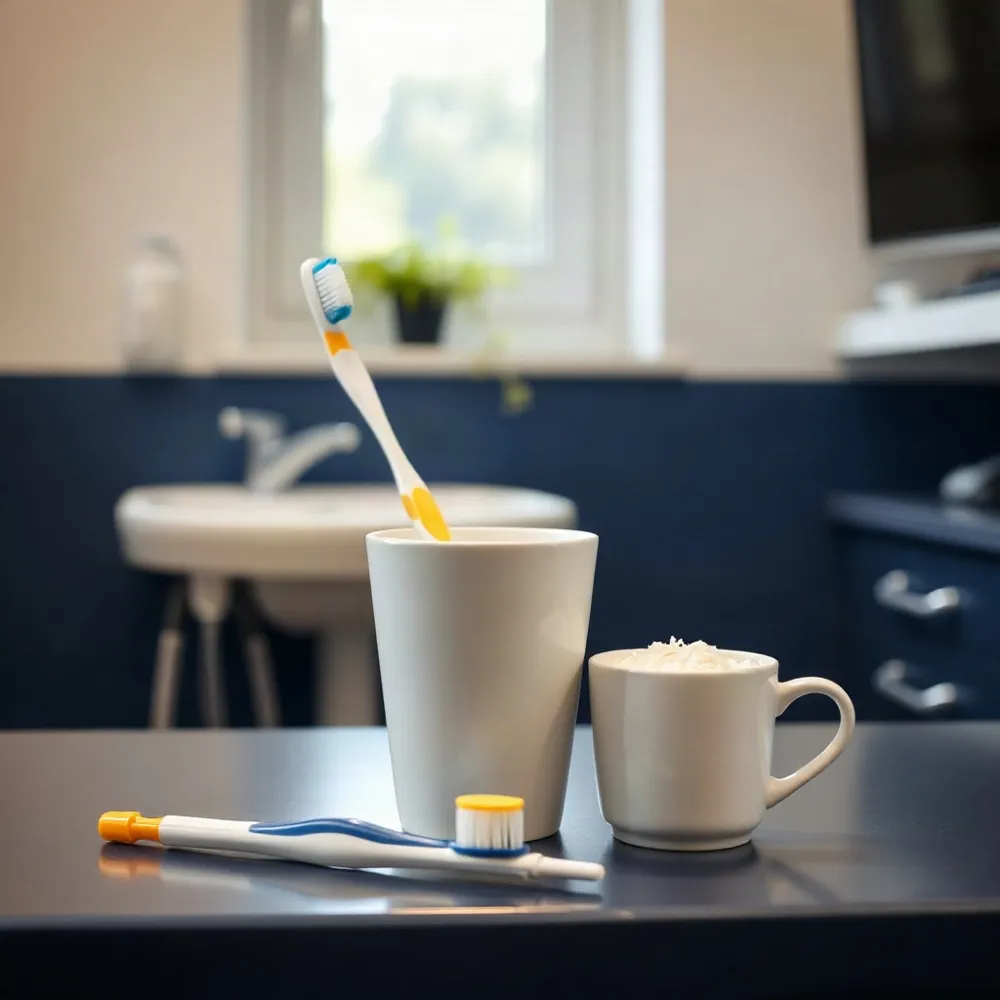 How can I help prevent tooth decay and gum disease at home? A steady routine helps control plaque before it hardens into tartar. Brush twice a day for two minutes with a soft-bristled toothbrush and fluoride toothpaste. Clean gently along the gumline and across every tooth surface. The American Dental Association’s home-care guidance also recommends cleaning between teeth daily, with a tool you can use consistently.
For a simple order, clean between your teeth first, then brush. Use floss or another interdental cleaner gently, and ask your hygienist to demonstrate the technique or help you choose an option that suits your teeth and gums. After brushing, spit out the excess toothpaste rather than rinsing with water, so fluoride remains on your teeth. If your dentist recommends a fluoride mouth rinse, use it at a different time.
Daily care and professional cleanings have different jobs: brushing and interdental cleaning help control plaque, while a hygienist removes hardened tartar that home tools cannot clear. At Dr. Anthony P. Parrella’s family-run Somerville practice, preventive care is part of a personalized approach that takes each patient’s needs into account. For more brushing guidance, see the two-minute daily routine.
Limit frequent sugary snacks and drinks, and choose water when possible. Keep regular dental exams and cleanings, with timing tailored to your needs. Contact your dentist if your gums bleed regularly or you notice tooth pain, swelling, or persistent bad breath.
Fluoride and Choosing Toothpaste
Fluoride helps protect teeth by strengthening enamel and supporting its repair after acid attacks. Fluoride toothpaste is a common source, and a dentist may suggest an in-office treatment if your cavity risk or dental history calls for extra protection. The American Dental Association’s Oral Health Topics library includes guidance on fluoride and other oral-health topics.
For everyday toothpaste, prioritize fluoride and look for the ADA Seal of Acceptance, which can help you identify products evaluated for safety and the benefits stated on their packaging. Formulas for sensitivity or whitening may suit particular concerns, but whitening toothpaste mainly helps remove surface stains rather than changing a tooth’s natural color.
Children and adults may need different products or amounts, depending on age, cavity risk, sensitivity, and dental history. The dental team at drparrella.com can discuss those factors and suggest a product that fits your needs, rather than assuming one toothpaste or treatment is right for every family. If a product causes irritation or you are unsure which formula to choose, ask your dentist.
Brush regularly with fluoride toothpaste and clean between your teeth as part of your home routine. For more on how fluoride toothpaste supports prevention, see this guide to fluoride and choosing toothpaste.
Planning Visits and Understanding Costs
Does dental insurance usually cover preventive care, and what costs might I have? Many plans include routine exams and cleanings, but coverage depends on your specific policy. Limits may apply to visit frequency, X-rays, provider networks, deductibles, copays, and annual benefits.
Before scheduling, review your plan or contact your insurer to confirm what it covers. You can also ask the dental office for an estimate before treatment; coverage should not be assumed, and costs can change if a service falls outside your plan’s rules. Dental insurance coverage and payment options can help you understand common plan limits.
For fillings, crowns, or other treatment, insurance may pay only part of the cost, and an annual benefit limit can leave you responsible for the remainder. At drparrella.com, patients can raise cost concerns and ask questions so the hygienist and dentist can discuss preventive care and next steps in a clear, manageable way.
Small Steps Support Healthy Smiles
Healthy teeth and gums depend on both regular professional care and daily habits that fit your life. At drparrella.com, care is personalized for local families, with guidance shaped by each patient’s needs.
Bring questions or concerns to your dental team, whether you are unsure about brushing, discomfort, or visit frequency. Your hygienist and dentist can help tailor preventive recommendations to you.