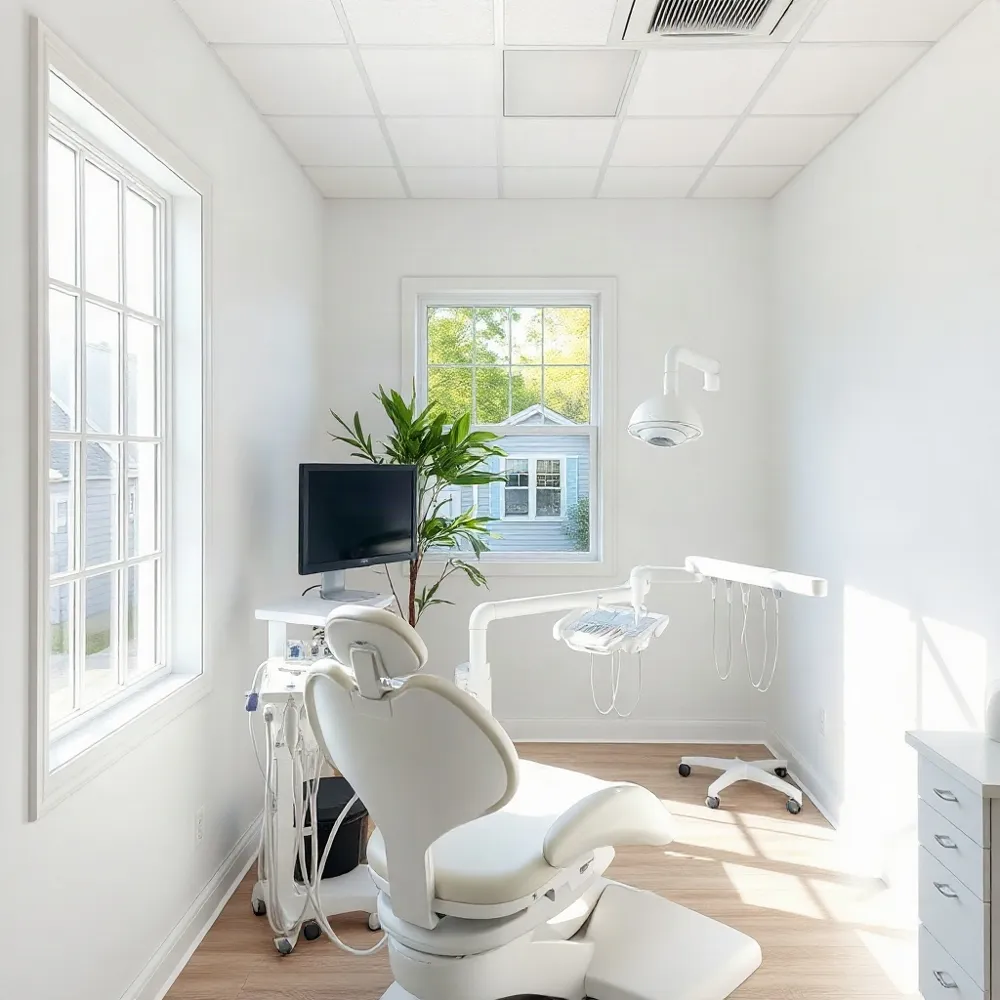
Care Builds Over Time
Dental care is easier to understand as a continuing story than as a series of unrelated appointments. Each visit adds context about your teeth, gums, past treatment, and changing health, helping a dentist compare what is happening now with what came before. Regular examinations also create chances to discuss prevention and address concerns while they are still manageable.
At drparrella.com, a family-run Somerville practice, care is centered on each patient’s needs and clear communication. Sharing your health history, preferences, and questions helps the team make recommendations that fit your circumstances.
If it has been a while since your last appointment, returning is still worthwhile. Earlier records or X-rays may help identify changes, but they do not define what you need now. The focus can be on your current oral health, what matters most to you, and a practical plan for moving forward, without judgment about the time away.
A Clearer Picture of Oral Health
 A current exam shows what is happening now. Earlier X-rays, gum measurements, clinical notes, and treatment records add context, helping a dentist assess whether a finding is new, stable, or changing. At drparrella.com, comprehensive care includes reviewing a patient’s concerns and history as part of planning care, rather than treating each appointment as an isolated event.
That comparison can matter for a small area of tooth wear, a possible crack, or changes around a filling or crown. A dentist can also track gum recession, deeper gum measurements, and shifts in the bite. These findings do not automatically mean treatment is needed. Their significance depends on the patient’s exam and history, and a stable concern may be monitored while a changing one may call for a different plan. Continuity can provide useful context, but it cannot guarantee that treatment will be avoided.
Previous treatment and comfort needs also help shape an evaluation. Knowing about a past crown or root canal can clarify a tooth’s history, while information about sensitivity or difficulty getting numb may help the team plan an appointment. Comparing records can be especially useful after a gap in care, when older images and notes may help identify what has changed. For more on how earlier records support ongoing care, see what continuity adds to preventive care.
Research supports routine attendance as relevant to oral health, but it does not prove that seeing the same dentist causes better outcomes. A prospective study of a New Zealand birth cohort found that routine dental attenders generally had better self-rated oral health, fewer untreated decayed surfaces, and less tooth loss attributed to decay at age 32 than non-routine attenders. The study cannot show that attendance alone caused these differences, and it did not test whether continuity with one dentist was responsible. Its findings are evidence about routine visits, not a promise about any individual’s outcome (study of long-term dental visiting patterns).
Building a Preventive Visit Routine
 Regular checkups can reveal changes even when your teeth and gums feel fine. A visit may include an examination, professional cleaning when appropriate, and advice shaped by what your dentist sees. Learn more about what routine visits can help detect.
For many people, visiting every six months is a helpful routine, but it is not a universal rule. Your dentist may recommend more frequent appointments if you have gum disease, a history of cavities, or other factors that raise your risk. If your oral health is stable, a different interval may suit you. A long-term study found an association between routine dental attendance and better oral-health outcomes, though it does not show that attendance alone caused the difference or establish one schedule for everyone (study findings. Ask your dentist which timing fits your needs, and book sooner if you notice pain, bleeding gums, or another change.
The 2-2-2 rule is a simple reminder: brush twice a day for two minutes and visit the dentist twice a year. Treat the visit portion as a general guide, not a substitute for an individualized recommendation. At drparrella.com, care is personalized around patients’ oral-health goals and concerns, which can help inform a suitable preventive plan.
Between appointments, brush gently with fluoride toothpaste, covering each tooth surface and the gumline, and clean between your teeth daily. These habits support oral health, while regular visits give your care team a chance to assess changes and adjust advice. Patients can share their preferences and concerns when discussing a care plan with the practice.
A Relationship Built on Communication
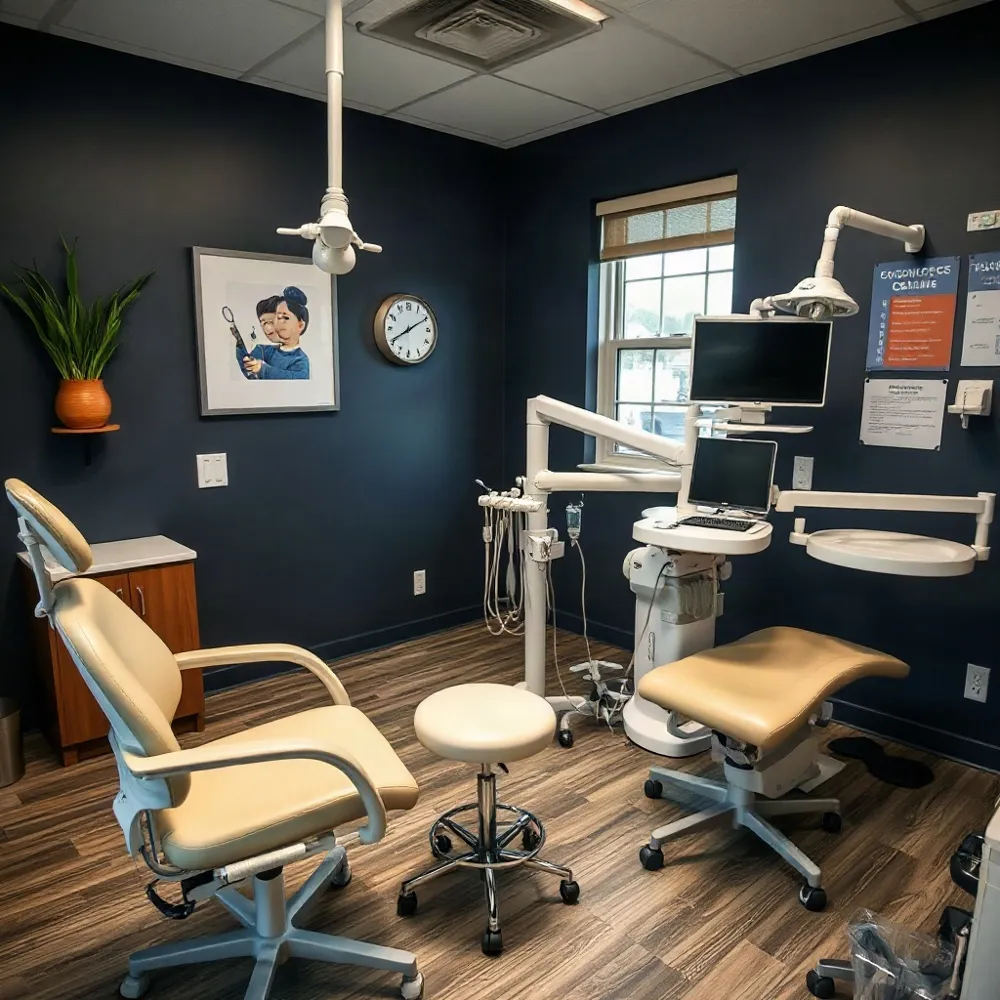 A dental visit works best as a conversation, not a one-way list of instructions. The American Dental Association’s guidance on the dentist-patient relationship describes a positive relationship as a partnership grounded in mutual respect and open, clear communication.
Sharing relevant details helps your dentist assess your oral health and plan care. Mention medical conditions, medications, home-care habits, worries, and preferences, including sensitivity, dental anxiety, or past experiences that affect how you feel during treatment. At Dr. Parrella’s family-run Somerville practice, personalized care is shaped around each patient’s health history and concerns.
A good fit means feeling heard and respected. Your dentist should explain findings in language you understand, describe reasonable options, and make room to discuss benefits, risks, and costs without pressuring you. The FDI World Dental Federation also identifies trust, mutual respect, and clear information about treatment choices and costs as parts of an effective care relationship. Its dentist-patient relationship policy supports patients’ involvement in decisions.
You can ask why a treatment is recommended, what alternatives may be available, and what could happen if you wait. You can also share what matters to you, such as taking breaks or receiving a step-by-step explanation. At drparrella.com, clear communication and individualized care are central to serving local families; when considering a practice, ask whether its appointment options and cost discussions fit your schedule and budget.
Notice how the team responds to questions and concerns. If you leave understanding the plan and feeling comfortable speaking up, you are more likely to feel confident returning and participating in ongoing care.
Returning After Time Away
It is okay to return to the dentist after years away, even if you feel anxious or embarrassed about the gap. The first appointment can begin with a conversation and examination, with next steps based on what the dentist finds. You do not have to agree to every treatment at once.
When you call to book, mention that it has been a while since your last visit and tell the team about any worries. That gives them a chance to explain what to expect and plan an appointment that suits your needs. At Dr. Anthony P. Parrella’s family-run Somerville practice, care is personalized, so sharing your concerns can help the team understand what matters to you.
You can ask the dentist or hygienist to explain each step before it begins, pause for breaks, or agree on a hand signal that means “stop.” Depending on your exam and comfort, some care may be divided across visits. The American Dental Association describes open, clear communication and mutual respect as foundations of a positive dentist-patient relationship (ADA guidance on the dentist-patient relationship).
Before the appointment, write down symptoms, questions, and anything you would like the team to know. Bring a current medication list and share relevant medical history, past dental experiences, or sensitivity concerns. You can also review what to expect when returning to dental care. Share only what you feel comfortable discussing, but remember that useful health information can help the dentist plan care safely and explain recommendations clearly.
Common Questions About Ongoing Care
Can gingivitis be spread through kissing?
Gingivitis itself is not contagious, though some bacteria associated with gum disease can pass between people through saliva, including during kissing. Sharing bacteria does not mean someone will develop gum inflammation. Plaque buildup, oral hygiene, and individual health also affect risk. Brushing twice daily, cleaning between teeth every day, and regular dental visits support gum health. Red, swollen, or bleeding gums merit a professional evaluation. Learn more about gum disease and bacterial transmission.
Do dental insurance plans require cleanings to be six months apart?
Not always. Plans may cover routine cleanings twice during a benefit year, but rules vary. Some use a calendar or benefit year, while others require a minimum interval between visits. A dentist may recommend more frequent cleanings based on your oral health, and insurance may not cover every visit. Check your plan details or ask your insurer about timing and coverage. The practice’s guide to understanding dental insurance offers more context.
How many teeth should a 70-year-old have?
There is no required number. A full adult set typically has 32 teeth, or 28 without wisdom teeth. Tooth loss is not inevitable with age. Keeping remaining teeth comfortable and healthy matters most. A dentist can discuss missing teeth or changes in chewing and review options suited to your health and needs.
How much does an annual dental checkup typically cost?
An annual checkup with routine cleaning is estimated at about $75 to $200, but location, insurance, included services, and individual needs affect the total. Exams, X-rays, or additional care may add to the cost. Ask the dental office for an estimate before your appointment and confirm what your plan covers.
Make the Next Visit a Beginning
A lasting relationship with a dentist grows through regular care, honest questions, and decisions made together. The American Dental Association describes open communication and mutual respect as foundations of the dentist-patient relationship (ADA guidance).
At drparrella.com, personalized, comprehensive care is shaped around each patient’s concerns and oral-health goals. A visit can be a chance to share what matters to you, understand your options, and discuss a care plan that fits your health and circumstances.
If it has been a while, consider scheduling an appointment and asking what to expect. You do not need to have every answer before you call. Start with your questions, describe any concerns, and take the next step at a pace that feels manageable.