
The Feelings Behind a Smile
A stained tooth, a visible chip, uneven edges, or a missing tooth can draw attention in a way that feels hard to ignore. Some people respond by hiding their smile, avoiding photographs, or feeling less at ease in social situations. Research has found associations between dental appearance and psychosocial well-being, though it cannot predict how any one person will feel.
Could changing a smile make someone feel more confident? For some people, addressing a concern may help them feel more comfortable smiling or speaking. The emotional response varies, however, and cosmetic dentistry is not a treatment for anxiety, depression, or other mental-health conditions. Research on the psychosocial impact of dental aesthetics offers context, not a promise of a particular result.
At drparrella.com, care is personalized and comprehensive, with attention to each patient’s concerns and oral health. A conversation with a dentist can clarify what feels bothersome, whether treatment is suitable, and what results are realistic. The goal is not to assume everyone needs a change, but to consider options in a way that respects both health and personal priorities. Cosmetic dentistry includes procedures with different purposes and considerations.
What Cosmetic Dentistry Can Address
 Cosmetic dentistry focuses on improving the appearance of teeth and smiles. Orthodontic care, by contrast, moves teeth to address alignment or bite concerns, though straighter teeth can also change how a smile looks. The approaches may overlap, and a dentist can help distinguish which concern is primarily cosmetic and which may involve function. See this overview of cosmetic dentistry and its procedures for examples of treatments.
Options depend on the concern. Professional whitening addresses tooth color, while bonding can repair small chips or alter tooth shape. Veneers cover the front surfaces of teeth to change their appearance; crowns can restore teeth that are damaged or weakened. Clear aligners move teeth over time, and bridges or implants may replace missing teeth. Some restorative treatments can improve appearance while also supporting chewing or protecting a tooth.
A treatment that suits one smile may not suit another. A dentist considers oral health, the condition of the teeth and gums, and the patient’s goals before discussing one option or a combination. At drparrella.com, the family-run Somerville practice emphasizes personalized, comprehensive dental care, giving patients a setting to discuss those needs and understand possible approaches.
For a broader comparison of orthodontics and cosmetic enhancements, consider whether the goal is to change tooth position, appearance, or both. An examination can clarify what is appropriate and what results to expect.
Smile Satisfaction and Emotional Well-Being
Feeling uneasy about the look of their teeth may lead some people to cover their mouths when speaking, hold back a laugh, or feel less at ease in conversations. These reactions are personal, and they do not mean everyone with a cosmetic concern experiences distress.
Research has reported associations between dental appearance and measures such as self-esteem and self-consciousness. These findings describe a relationship, not proof that appearance alone causes emotional difficulties. They also cannot show that changing a smile will resolve them. Studies of the psychosocial impact of dental aesthetics offer context, but individual experiences vary.
For some people, feeling more satisfied with their smile may make social interactions, presentations, interviews, or relationships feel more comfortable. At drparrella.com, care is part of a longstanding, family-run Somerville practice, where conversations about dental needs can be personalized and clear. A discussion with a dentist can help connect a patient’s goals with suitable options.
Cosmetic treatment is not a guaranteed route to greater confidence, improved mood, or better mental health. It may address a specific concern about teeth, but broader emotional well-being has many influences. Patients should discuss what they hope will change, along with realistic expectations, before deciding whether treatment is right for them.
Choosing an Option That Fits
Teeth whitening is often considered a popular cosmetic procedure because it can brighten stained or discolored teeth. It does not repair chips, close gaps, or change uneven tooth shapes, so the right choice depends on what you want to address. The Cleveland Clinic’s overview of cosmetic dentistry describes whitening as one option among procedures with different purposes.
The source of discoloration matters. Coffee, tea, soda, smoking, and some medications may be associated with staining, and an evaluation can help identify possible causes and suitable approaches. A consultation at drparrella.com’s family-run Somerville practice can also make room for questions about your goals and comfort before you consider treatment.
Bonding or veneers may address some stains, chips, cracks, gaps, or uneven shapes. Crowns may rebuild and protect certain damaged teeth, while options for missing teeth can have functional aims as well as cosmetic ones. These treatments differ in how much work they involve, so a dentist should explain the likely benefits and limits for your situation.
Choosing an option means weighing oral health, bite and gum condition, budget, lifestyle, and how much treatment feels right for you. Dr. Parrella’s practice emphasizes personalized, comprehensive care, making those factors part of a patient-centered discussion rather than assuming one procedure suits everyone. Ask what results are realistic and what alternatives exist before deciding.
Benefits, Limits, and Treatment Risks
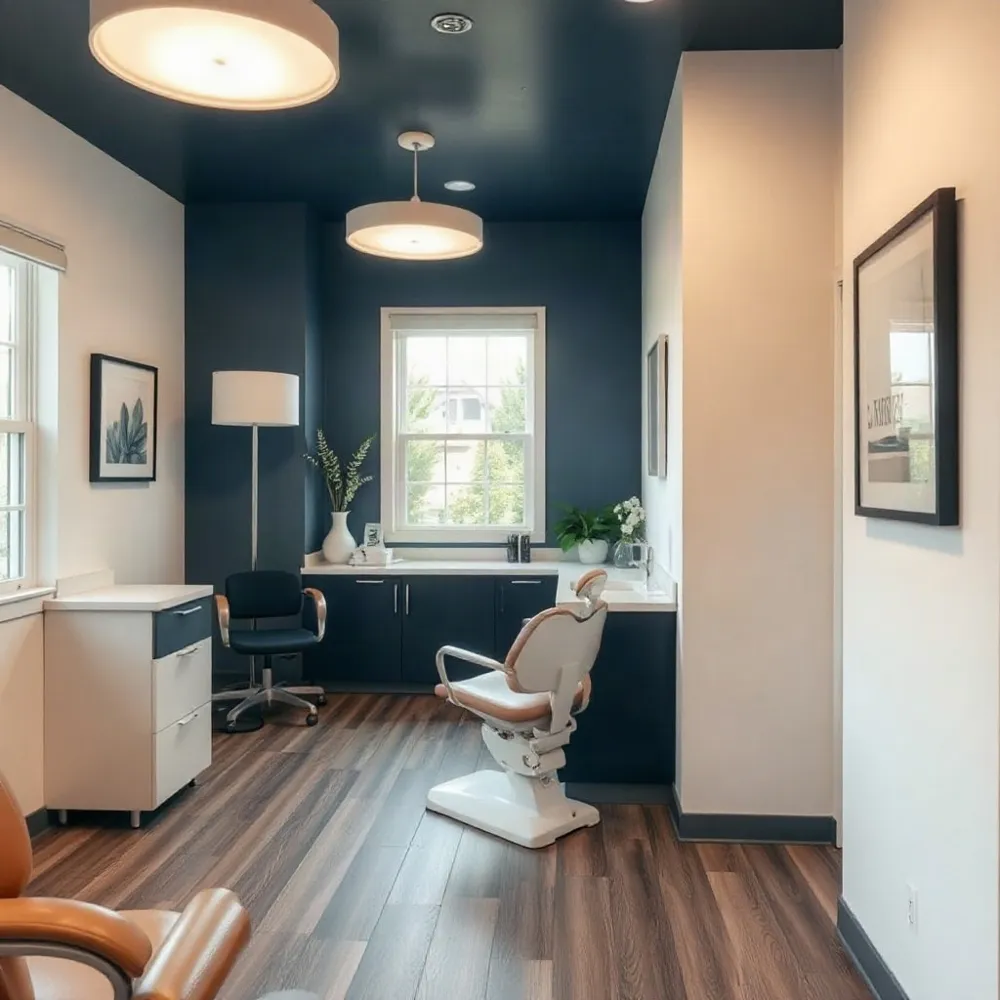 Cosmetic treatment may improve the appearance of discoloration, chips, gaps, or uneven teeth. Depending on the case, a restoration may also rebuild tooth shape, protect a weakened area, or support better function. These benefits are not automatic: suitability and likely results depend on a person’s oral health, goals, and the treatment selected. The Cleveland Clinic’s overview of cosmetic dentistry describes procedures with different purposes and considerations.
There can be trade-offs. Whitening may cause temporary sensitivity, while restorations may need ongoing care or eventual repair. Veneers and crowns can involve removing healthy tooth structure, so the decision should account for the long-term effect on the tooth. A specialist-society statement on balancing cosmetic dentistry’s risks and benefits cautions that aggressive treatment can harm otherwise healthy teeth and notes that less invasive approaches may meet some goals.
Treatment may need to wait if cavities, gum disease, or fragile enamel require attention first. At Dr. Parrella’s family-run Somerville practice, comprehensive dental care provides a context for considering cosmetic goals alongside oral health, rather than treating appearance in isolation.
Before deciding, ask about expected results, risks, longevity, maintenance, cost, insurance coverage, and alternatives. Many elective procedures are not covered by dental insurance, and a less invasive option may be appropriate for one person but not another. A careful evaluation can help clarify what is realistic and whether other dental concerns should be addressed first.
Costs and Veneer Longevity

How much does cosmetic dentistry typically cost?
Costs depend on the procedure, the number of teeth involved, and any oral-health needs that should be addressed first. As broad estimates, in-office whitening may cost about $250–$450, while a porcelain crown may cost around $1,200–$1,600 per tooth. Actual fees vary by location and provider, so these figures are examples, not a quote.
Veneers and smile makeovers need an individualized estimate based on an examination and the treatment plan. Insurance often provides limited coverage for care performed only to change appearance, though a plan may cover part of a procedure that also restores dental health. Ask for expected fees and coverage details before treatment begins. At drparrella.com, Dr. Anthony P. Parrella’s family-run practice emphasizes personalized, comprehensive care, making a clear discussion of needs and options part of planning.
How long do veneers last, and what may need to be done when they reach the end of their lifespan?
Porcelain veneers commonly last about 10–15 years, but their lifespan varies and some may last longer. Brushing, flossing, and regular checkups can help protect restorations. Grinding or clenching, as well as biting hard objects, may contribute to damage and shorten their useful life.
A veneer that is worn, chipped, loose, or damaged may need repair or replacement. Placement often involves removing some enamel, so the prepared tooth generally needs another veneer or a different restoration rather than being left uncovered. A dentist can assess the tooth and explain suitable next steps. For more on care and expected longevity, see this guide to costs and veneer longevity.
Understanding Restoration Downsides
Cosmetic restorations can improve a smile, but each option has trade-offs. Porcelain veneers may require removing a thin layer of enamel, so treatment is irreversible and can mean future repair or replacement. The Cleveland Clinic’s overview of cosmetic dentistry describes common procedures and why suitability depends on individual needs.
Veneers may cause temporary sensitivity or gum irritation, and they can chip, crack, or loosen. Grinding, clenching, or biting hard objects may increase the risk of damage. A professional statement on balancing cosmetic dentistry’s risks and benefits cautions that removing healthy tooth tissue can have lasting effects, supporting a careful discussion of less invasive choices.
Veneers cannot be whitened after placement. If surrounding teeth change shade, the smile may look uneven. Bonding and crowns have different limitations, but they can also stain, wear, or need repair or replacement. For patients considering veneers, drparrella.com emphasizes discussing permanence and maintenance before deciding.
Ask a dentist about conservative alternatives, likely maintenance, risks, and expected results. A dental evaluation can account for oral health, bite, and personal goals; general information alone cannot determine which restoration is appropriate.
A Personal Decision About Your Smile
Cosmetic dentistry may help some people feel more comfortable smiling, but a change in appearance does not guarantee a change in confidence or emotional well-being. What feels worthwhile depends on the person, their oral health, and the concern they want to address.
Before deciding, talk with a qualified dentist about your goals and the options that may suit your teeth. Ask about treatment limits, possible risks, expected maintenance, and costs, as well as any health needs to address first. At drparrella.com, care is provided through a longstanding, family-run Somerville practice, where these questions can inform a personal discussion rather than a one-size-fits-all choice.