
Why Your Daily Diet Matters for Strong Enamel
Tooth enamel is the hardest substance in the human body, serving as the primary shield for your teeth. Despite this durability, enamel cannot regenerate once it is lost to decay or erosion, making preventive dentistry a vital commitment for families in Somerville.
Your dietary choices create a lasting impact on this protective layer. Every time you eat, the bacteria in your mouth break down sugars into acids, directly influencing your oral health. Understanding this connection allows you to make informed decisions that safeguard your smile for years to come.
This guide explores practical, daily habits you can implement to protect your enamel. By focusing on nutrient-rich foods and mindful eating patterns, you can actively strengthen your teeth, reduce the risk of dental caries, and support a healthy mouth at every stage of life.
The Link Between Nutrition and Oral Health
The relationship between nutrition and dental health is a two-way street: the foods you eat directly affect your teeth and gums, while your oral health—such as being able to chew comfortably—can influence your ability to get the nutrients you need. At drparrella.com, we want you to know that eating sugary and starchy foods can increase the risk of cavities by feeding the bacteria that harm your enamel. This connection is well understood by dental professionals, as highlighted by the ADA.
Frequent snacking keeps the mouth in an acidic state, which makes it harder for your saliva to naturally repair teeth. When the mouth becomes too acidic, the minerals in your enamel can begin to dissolve. While constant grazing poses a risk, natural sugars found in whole foods are generally less harmful due to protective components like fiber and calcium that encourage saliva flow.
To support strong enamel, focus on nutrients that bolster your natural defenses. Harvard's Nutrition Source notes that calcium and phosphorus are critical for rebuilding protective layers, while Vitamin D is essential for transporting these minerals into your teeth. For patients in our Somerville office, we suggest incorporating dairy, leafy greens, and lean proteins, which help provide the necessary building blocks for healthy gums and teeth.
Top Superfoods for Strong Teeth and Gums
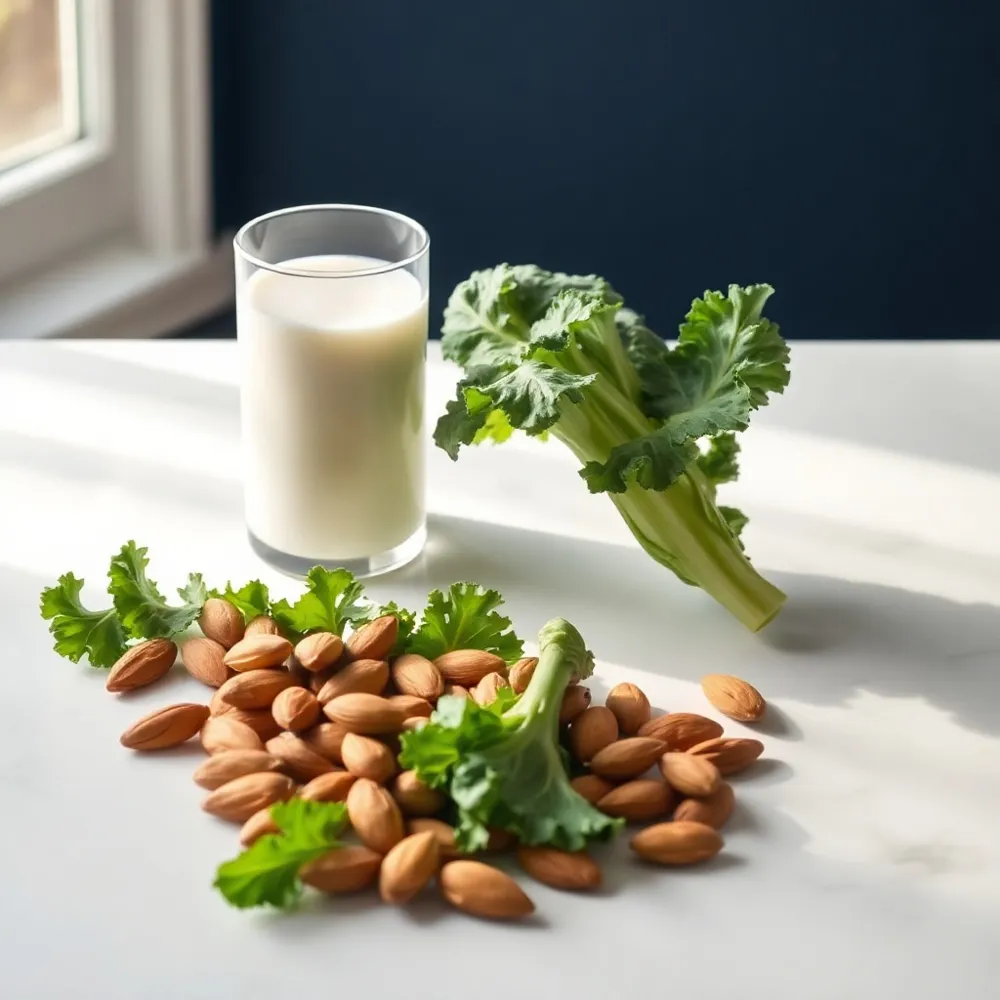 A balanced diet rich in whole grains, lean proteins, fruits, and vegetables is the foundation for strong teeth and healthy gums. Foods high in calcium, such as cheese, milk, yogurt, tofu, and almonds, are essential for maintaining tooth enamel and bone density per HRSA. Vitamin D is also critical, so incorporating sources like salmon, tuna, and mushrooms helps prevent bone loss and dental caries per Penn Dental Medicine. Furthermore, chewing on crunchy, fiber-rich vegetables encourages saliva production, which naturally cleanses the mouth and neutralizes harmful acids. By prioritizing these nutrient-dense options while limiting excessive sugar and starch, you can effectively support your long-term oral health as outlined at drparrella.com.
Which foods are best for promoting strong teeth and healthy gums?
- Dairy products like cheese, milk, and yogurt provide calcium and casein to fortify enamel and balance mouth pH via UIC College of Dentistry.
- Leafy greens offer vitamins and minerals that support gum tissue health via MouthHealthy.
- Almonds and seeds are packed with calcium and phosphorus for rebuilding enamel per Harvard T.H. Chan School of Public Health.
- Fatty fish such as salmon supply vitamin D and omega-3s to promote healthy gums and minimize inflammation via Penn Dental Medicine.
- Crunchy fruits and vegetables like apples, carrots, and celery act as natural toothbrushes to scrub away plaque per ADA.
Beyond these staples, specific foods offer targeted benefits for your smile. Dark chocolate contains CBH, which helps harden tooth enamel, while garlic provides allicin to combat decay-causing bacteria per Penn Dental Medicine. Strawberries utilize malic acid to naturally whiten teeth, and shiitake mushrooms contain lentinan to help break down plaque buildup per UIC College of Dentistry. Drinking green or black tea introduces polyphenols that reduce harmful bacterial growth per NIH. These nutrient-dense choices support natural remineralization and help neutralize the oral acids that typically cause wear.
Everyday Habits That Shield Your Enamel
 What practical daily habits contribute to strong, healthy teeth? Maintaining strong, healthy teeth starts with consistent oral hygiene, such as brushing gently twice a day with fluoride toothpaste and flossing daily to remove hidden plaque. At drparrella.com, we emphasize that staying well-hydrated by drinking fluoridated water throughout the day helps rinse away food particles and acids. Chewing sugar-free gum, especially types containing xylitol, further stimulates protective saliva production to neutralize harmful acids.
To safeguard your tooth enamel, it is important to limit the consumption of highly acidic or sugary foods and beverages. When you do enjoy these items, drinking through a straw helps minimize contact with your teeth. Crucially, always wait 30 minutes after consuming acidic foods before brushing, as this window allows saliva to re-harden softened enamel and prevents unnecessary abrasion. We also recommend eating breakfast to help jumpstart your mouth's return to a normal pH level, which reduces the likelihood of constant snacking between meals.
At drparrella.com, our team provides personalized guidance on building a routine that fits your lifestyle, ensuring you avoid the common pitfalls seen in generic advice from larger chains. Maintaining a balanced diet rich in calcium and avoiding tobacco products remain essential habits for preserving your long-term oral health and protecting the natural integrity of your smile.
Foods and Drinks That Harm Tooth Enamel
To protect your smile, it is important to be mindful of both dietary choices and oral habits that can compromise enamel. Sugary snacks, sweets, and acidic beverages like soda or citrus juices are primary culprits, as they feed bacteria that produce enamel-eroding acids. Sticky foods, including certain dried fruits, are particularly harmful because they cling to teeth for extended periods, while starchy items like potato chips can trap debris in between teeth. Beyond diet, habits such as chewing on ice or hard candies can lead to structural damage like cracks or chips.
Frequent snacking and constant sipping are habits that significantly exacerbate these risks. When you graze throughout the day, your mouth remains in a constant state of acid attack, leaving little time for the natural remineralization process that saliva provides. At drparrella.com, we emphasize that consuming acidic items alone rather than with meals increases the potential for dental erosion. Furthermore, habits that cause dry mouth, such as excessive alcohol consumption or sipping caffeinated beverages, reduce the flow of saliva, which is your mouth's primary defense against acid.
Which foods and habits are most damaging to tooth enamel?
Bacteria in your mouth ferment carbohydrates into acidic by-products that directly demineralize tooth enamel. While some beverages are naturally acidic, others are harmful due to their carbonation or sugar content. Much like the preventive care we provide in our Somerville office to help families maintain oral health, you can mitigate these effects by rinsing with water after meals. Our team often recommends simple home care adjustments to better protect your enamel between professional visits.
Managing Acid Exposure and Protecting Enamel
Saliva serves as your mouth's primary defense against decay. It works by neutralizing harmful acids and supplying essential minerals like calcium and phosphate, which are vital for the natural remineralization of your tooth structure. At drparrella.com, we often emphasize that maintaining healthy saliva flow is a cornerstone of preventive dentistry that helps protect teeth from the constant acidic environment created by our daily dietary choices.
To protect your smile, try to consume acidic items as part of a larger meal rather than in isolation, which helps dampen their impact. Finishing a meal with a piece of cheese or a glass of milk can also buffer your mouth's pH levels, creating a more protective environment. If you enjoy sparkling water, remember that while it is safer than sugary soda, citrus-flavored versions can still erode minerals. Drinking these through a straw can minimize direct contact with your teeth, a simple habit we often recommend at drparrella.com for patients looking to shield their enamel from erosive wear.
Can enamel erosion be reversed, and how can it be managed?
Unfortunately, enamel erosion is an irreversible process because the body cannot naturally regrow lost tooth structure. However, you can effectively manage the condition and prevent further damage by identifying and addressing the underlying causes, such as dietary habits, acid reflux, or teeth grinding. It is important to work with your dental team to create a personalized care plan, which may include using fluoride treatments to strengthen remaining enamel and adjusting your daily oral hygiene routine to avoid abrasive brushing. For cases where significant tooth wear has already occurred, professional restorative treatments like bonding, veneers, or crowns can help protect your teeth and restore their function. We encourage you to schedule a consultation at our Somerville office so we can assess your specific needs and help you preserve your smile for years to come.
Building a Balanced Daily Eating Pattern
Your daily eating schedule plays a significant role in how well your saliva can defend your teeth against acid attacks. Every time you eat, the bacteria in your mouth produce acids that demineralize enamel for up to 30 minutes per the ADA. By focusing on three main meals instead of frequent snacking throughout the day, you provide your mouth with the necessary time to restore a healthy pH balance per the UIC College of Dentistry.
At drparrella.com, we encourage patients to build plates centered on dental-strengthening nutrients. Incorporating calcium-rich foods like dairy, leafy greens, and almonds helps fortify enamel, while phosphorus-rich options such as fish, eggs, and poultry support the remineralization process. Ensuring adequate intake of vitamin D through sources like salmon or mushrooms is also essential for maintaining the bone and tooth structure necessary for a lifetime of healthy smiles.
Including crunchy fruits and vegetables in your meals serves as a natural cleansing mechanism. The fibrous texture of items like carrots and celery helps physically scrape plaque from your teeth while simultaneously stimulating the saliva production needed to neutralize acids. If you do enjoy a sweet treat, practice smart food sequencing by finishing your meal with a piece of cheese or a glass of milk. These acid-neutralizing choices can help restore your mouth's natural pH levels, effectively protecting your enamel from prolonged exposure to harmful sugars.
When to Seek Professional Help for Enamel Concerns
 Understanding that enamel erosion is an irreversible process—as the body cannot naturally restore lost tooth structure—is the first step toward safeguarding your smile. While the damage itself is permanent, professional intervention at drparrella.com can successfully manage the condition and prevent further loss.
Recognizing the signs of erosion
Early detection is critical to stopping the progression of wear. Be mindful of common indicators such as persistent sensitivity to hot, cold, or sweet temperatures, noticeable yellowish discoloration, or the feeling that your existing fillings have shifted or changed shape as noted by MouthHealthy. If you observe these symptoms, consulting our team allows us to address the root causes—which may include acid reflux, diet, or bruxism—before they necessitate more complex restorative care.
Professional options for restoration
When enamel wear is advanced, we offer various restorative treatments to protect your teeth and restore their function. For early stages, professional fluoride varnish can help strengthen the remaining surface. For more significant damage, solutions such as dental bonding, veneers, or crowns may be required to shield the underlying dentin and prevent further decay or fracture per the American Dental Association.
The most effective approach is a personalized plan developed in partnership with your dental team. We invite you to contact us at drparrella.com to assess your specific needs, ensuring your oral health remains on track with a strategy tailored to your lifestyle and daily habits.
Embrace Enamel-Safe Habits Every Day
Protecting your enamel is a lifelong commitment that starts with your daily choices. By prioritizing nutrient-dense foods like leafy greens, dairy, and lean proteins, you provide the essential calcium and phosphorus your teeth need to stay strong. Limiting added sugars and acidic beverages helps reduce the frequency of acid attacks, allowing your saliva to naturally remineralize your teeth.
Adopting simple habits, such as drinking fluoridated water and waiting 30 minutes before brushing after acidic meals, creates a defensive routine that guards your smile. At drparrella.com, we emphasize these consistent, preventive steps to help families maintain oral health. Begin incorporating these habits today and schedule regular check-ups to ensure your teeth remain healthy for years to come.