Prioritizing Patient Safety with Modern Dental Radiography
At drparrella.com, we prioritize your long-term wellness by integrating advanced technology into our daily care. As a family-run dental practice in Somerville, we understand that transparency is the foundation of trust. By transitioning to digital radiography, we provide high-quality diagnostic insights while strictly adhering to the ALARA principle, ensuring that every image captures necessary clinical data with the lowest possible radiation exposure.
Unlike older film-based methods that required chemical processing, our digital dental X-rays offer immediate results. This efficiency means less time in the chair for your family and more accurate data for our team. Because digital sensors are highly sensitive, we can achieve clear images that help us identify cavities, root health, or internal infections early, often when they are still manageable.
We recognize that many patients feel cautious regarding radiation. To put this into perspective, a single modern digital dental X-ray exposes a patient to approximately 0.005 mSv of radiation. This level is exceptionally low, often comparable to just a few hours of natural background radiation from our environment. Our commitment is to provide compassionate, precise care that keeps your health, comfort, and safety at the center of every decision.
Comparing Digital and Traditional Dental X-Ray Technology
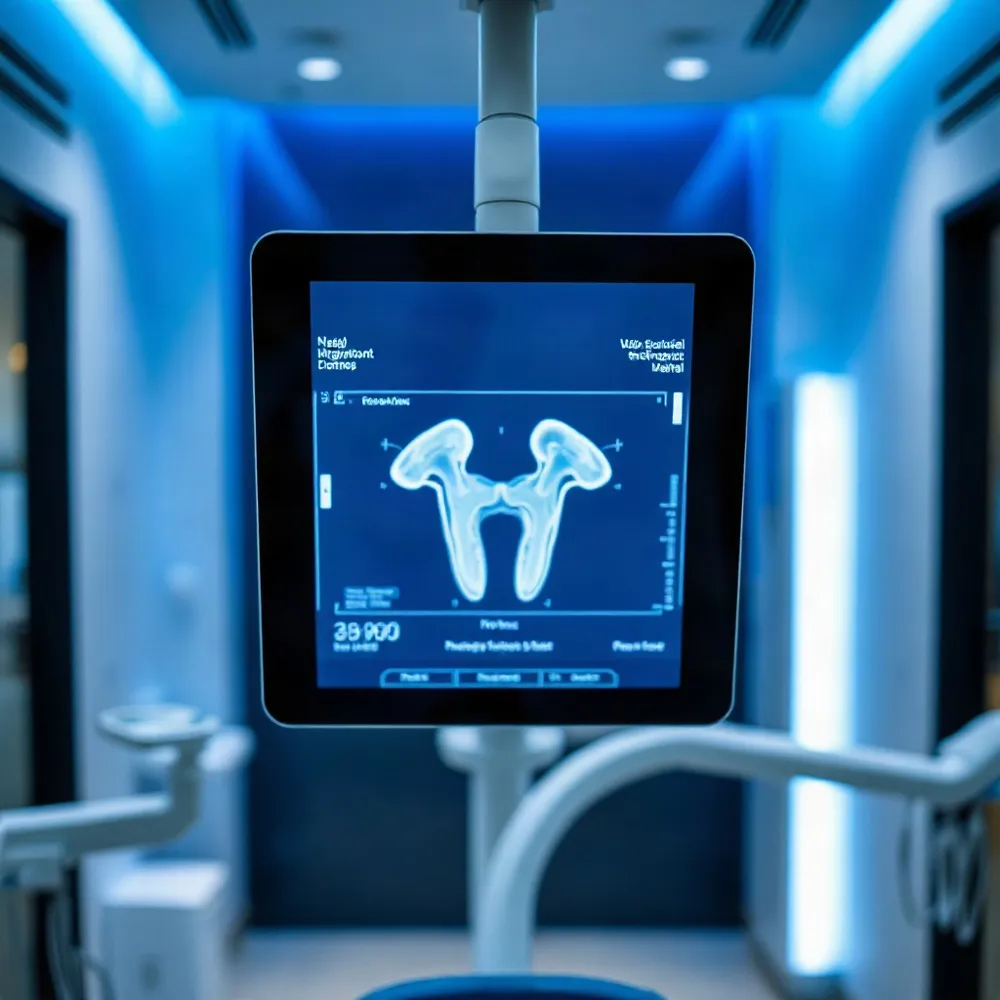 The shift from conventional film to digital radiography represents a major upgrade in how we assess your oral health. While traditional methods rely on physical film that requires hazardous chemical solutions for darkroom development, digital systems use high-sensitivity electronic sensors to capture images directly onto a computer X ray imaging goes digital: Digital imaging brings benefits but .... At drparrella.com, we have embraced this technology because it eliminates the need for toxic processing agents, creating a safer and more sustainable environment for our patients and our team.
Beyond the environmental advantages, the primary benefit of this transition is improved diagnostic precision. Unlike film, which is static, digital images can be manipulated instantly by adjusting contrast, brightness, or magnification to reveal fine details like early-stage cavities or hidden infections Better imaging: the advantages of digital radiography. Because these results appear on screen immediately, we can review them with you in real time, which minimizes the need for retakes and reduces your overall time in the dental chair.
Efficiency is also improved through the ease of data management. Digital records are stored electronically, allowing for seamless sharing with specialists when necessary, unlike traditional film which carries the risk of loss or degradation. By utilizing these advanced tools, drparrella.com can ensure your care is based on the most accurate visual data available while adhering to ALARA (As Low As Reasonably Achievable) principles to keep your radiation exposure to the absolute minimum.
Why Modern Imaging Techniques Require Lower Radiation
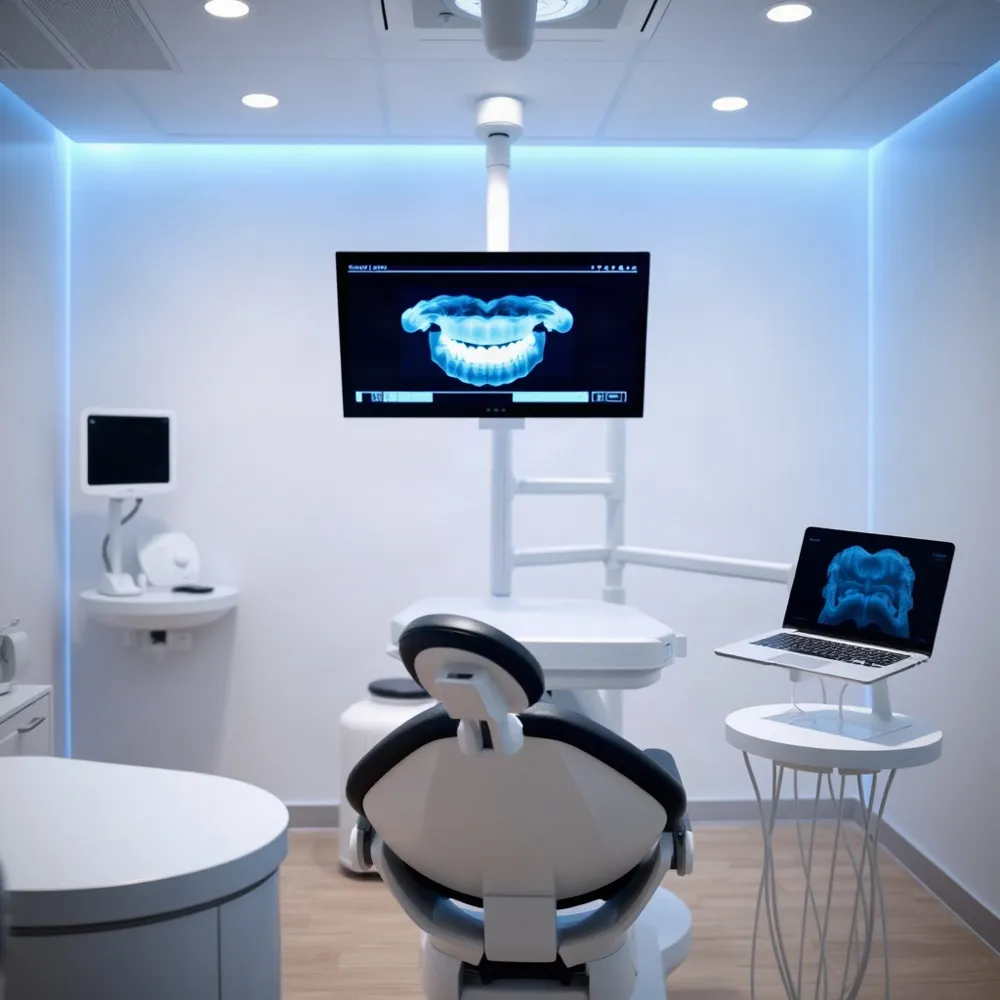 The evolution of diagnostic technology has fundamentally changed how we manage your oral wellness. At drparrella.com, we use digital sensors that are significantly more sensitive to X-ray energy than traditional film, which is the primary reason modern imaging requires less radiation. This heightened sensitivity allows our equipment to capture high-quality images with much shorter exposure times, ensuring your visit is both efficient and safe.
Why does digital imaging require less radiation?
Digital systems streamline the diagnostic process by removing the need for manual, chemical-based film processing. Because the electronic sensors react instantly to lower energy levels, the equipment can utilize a more precise, narrow beam to capture data. By narrowing the beam, we minimize unnecessary scatter radiation, focusing only on the specific area required for your care. This accuracy, paired with digital image enhancement, means we can achieve clear diagnostic results without the need for additional retakes or higher dosages.
Are modern dental X-rays considered safe?
Modern dental X-rays are widely regarded as a safe and essential part of preventive care. The radiation dose from a single digital dental X-ray is extremely low, often amounting to less than the natural background radiation you encounter in your daily environment from cosmic and terrestrial sources. Because these levels are so minimal, the American Dental Association updated its clinical guidelines in 2024 to note that protective equipment like lead aprons and thyroid collars are no longer necessary for patient safety. By following these advanced safety protocols, we ensure that the diagnostic benefits of your imaging far outweigh the minimal exposure, providing you with high-quality, comfortable dental care.
Clinical Standards and Safety Protocols in Our Practice
 At drparrella.com, we follow the ALARA principle, which stands for As Low As Reasonably Achievable. This standard ensures that we only perform imaging when it offers a clear diagnostic advantage for your specific oral health needs. Rather than relying on a universal schedule, we determine the frequency of X-rays through a personalized assessment of your dental history, current clinical condition, and individual risk for disease.
Are annual dental X-rays necessary for everyone?
Annual X-rays are not required for every patient. Every individual has different needs, and our team tailors the diagnostic process accordingly. By evaluating your unique medical profile and oral health status, we ensure that radiation exposure is limited strictly to what is necessary for your care. This clinical approach contrasts with facilities that might use one-size-fits-all scheduling regardless of specific patient requirements.
What steps are taken to minimize radiation exposure during a dental exam?
Our practice prioritizes your safety by utilizing advanced digital radiography, which requires significantly lower energy than film-based methods. We also implement precise beam collimation to focus the radiation beam exclusively on the area of interest, which reduces scatter radiation. While the American Dental Association updated guidelines in 2024 to note that lead-lined protective gear is no longer mandatory due to the low dosage of modern equipment, we continue to offer shielding options for patients who request additional comfort or peace of mind.
Regarding pregnancy, dental X-rays are considered safe when necessary diagnostic criteria are met and appropriate precautions are observed. Penn Dental Medicine advises that while these procedures are safe during pregnancy, non-emergency imaging may be deferred until the patient is ready for further treatment. Our team always discusses these choices with you to ensure your care plan remains both effective and comfortable.
Contextualizing Radiation Levels and Diagnostic Benefits
The radiation dose from dental X-rays is extremely low, typically exposing patients to less radiation than they receive from natural background sources in a single day. Because this exposure is so minimal, there are no notable or immediate side effects associated with standard diagnostic dental imaging. Modern digital dental X-rays further reduce radiation levels by utilizing narrower beams and more efficient equipment, ensuring patient safety remains a top priority. While large doses of ionizing radiation can pose health risks, the amount used in dentistry is negligible and the diagnostic benefits far outweigh these minimal concerns per clinical research.
How do dental X-rays compare to other medical imaging like CT scans?
When considering diagnostic imaging, it is helpful to understand that dental X-rays involve significantly lower levels of radiation than most medical procedures. For example, a single modern digital dental X-ray typically exposes a patient to about 0.005 mSv, while a medical CT scan of the abdomen or pelvis can involve radiation levels up to 2,000 times higher. Even common medical screenings, such as a chest X-ray, involve approximately 20 times the radiation of a single digital dental image as noted by professional dental sources. Because modern digital technology has made dental imaging exceptionally efficient, the exposure is minimal, often comparable to just a few hours of natural background radiation from our everyday environment according to academic findings.
Early detection of oral health issues remains critical, as these images reveal conditions that visual exams often miss, including bone loss, internal infections, and decay beneath existing fillings. At drparrella.com, we follow the ALARA principle to ensure every image captures necessary diagnostic data while maintaining the lowest possible dose for your long-term wellness.
Ensuring Comprehensive Care for Your Oral Health
Integrating digital radiography into our practice allows us to provide higher diagnostic accuracy while prioritizing your family's safety. By utilizing advanced sensors that require significantly lower radiation than traditional film, we can detect dental conditions such as decay beneath fillings or hidden bone loss with greater precision and speed. These high-resolution images are instantly available for us to review together, ensuring you have a clear understanding of your oral health status.
Our commitment to the ALARA principle ensures that every diagnostic image we capture is strictly necessary for your treatment. Because we no longer rely on chemical development, this technology also helps us maintain a cleaner, more sustainable office environment for our community. The electronic nature of these files allows for efficient collaboration with specialists, making it easier to coordinate comprehensive care plans that align with your long-term wellness goals.
If you have questions about our diagnostic process or want to learn how we customize exams for your specific needs, we invite you to reach out. At drparrella.com, our team is dedicated to providing transparent, compassionate communication so you can feel confident in every aspect of your dental care.