
Why Home Care Shapes Your Smile’s Future
The habits you build today shape what your smile looks like decades from now. Consistent daily care paired with professional oversight helps protect your teeth and gums over the long term, reducing the risk of issues that could require more extensive treatment later.
Building a Foundation for Lasting Oral Health
Preventive care is the cornerstone of maintaining a healthy smile. The National Institute of Dental and Craniofacial Research explains that good oral hygiene, including regular brushing and flossing, prevents plaque buildup and helps avoid cavities and gum disease. Beyond daily habits, routine professional cleanings at drparrella.com ensure that hidden plaque is removed, safeguarding both your oral health and your overall well-being.
The American Dental Association recommends brushing twice a day with fluoride toothpaste and cleaning between teeth daily. These simple actions form the first line of defense against decay and periodontal problems. For adults, maintaining these habits consistently is linked to better long-term dental outcomes, as shown in research on dental visiting patterns that associates regular care with reduced tooth loss.
Connecting Oral Health to Overall Health
Your mouth is a window into the rest of your body. The Mayo Clinic notes that oral health problems can affect conditions like heart disease, diabetes, and pregnancy outcomes. This makes consistent home care not just about your smile but about your overall health. The Cleveland Clinic echoes this, highlighting that good hygiene habits reduce bacteria that can travel through your body.
At drparrella.com, our team helps you build an oral care routine that fits your life. We focus on preventive care as a foundation for stability, ensuring that your daily efforts are supported by professional guidance tailored to your needs. This personalized approach sets us apart from generic dental advice that may not address your specific risk factors.
Practical Tips for Daily Care
- Brush for two minutes, twice a day, using a soft-bristled toothbrush and fluoride toothpaste.
- Floss or use interdental cleaners daily to remove plaque between teeth where brushes can't reach.
- Replace your toothbrush every three to four months, or sooner if bristles are frayed.
- Limit sugary snacks and drinks, and choose water or unsweetened beverages instead.
For more detailed guidance, the Harvard Health recommends including tongue scraping in your routine to reduce bacteria and freshen breath. These habits, when combined with professional cleanings, form a complete approach to maintaining oral health between visits.
Your Long-Term Smile Strategy
Planning for lifelong oral health means integrating daily habits with professional care. The CDC's oral health tips underscore that regular dental visits are essential for catching problems early and preventing them from progressing. At drparrella.com, we partner with you to create a sustainable routine that protects your smile for years, unlike one-size-fits-all advice that doesn't account for your unique oral health history.
What the 3-3-3 Rule Teaches About Consistency
A consistent daily routine does more than keep your teeth looking clean; it protects the enamel that guards them. When you brush twice daily for two minutes and floss once, you're following what many dentists call the 3-3-3 rule: three minutes total of brushing (two in the morning, one at night) and three times a week of flossing. This simple framework keeps plaque from hardening into tartar, which can only be removed by a professional.
Research shows that regular, thorough brushing reduces the risk of cavities and gum disease. The National Institute of Dental and Craniofacial Research emphasizes that removing plaque daily is essential, and the American Dental Association recommends brushing twice a day with fluoride toothpaste. Skipping even one session allows bacteria to multiply, leading to inflammation and decay over time.
Building the Habit Into Your Day
The key to consistency is making the routine automatic. Keep your toothbrush visible, set a timer for two minutes, and pair brushing with an existing habit like morning coffee or bedtime. The 3-3-3 rule fits naturally into most schedules, and sticking to it means fewer surprises at your next checkup.
For those who struggle with motivation, remember that every missed brushing session adds up. The Cleveland Clinic notes that neglecting your routine can lead to gum disease, which has been linked to systemic health issues. A few extra minutes each day is a small price for protecting your smile and your overall well-being.
| Routine Element | Frequency | Purpose |
|---|---|---|
| Brushing | Twice daily for 2 minutes | Removes plaque and food debris |
| Flossing | Once daily | Cleans between teeth and below gumline |
| Mouthwash | Optional, daily | Reduces bacteria and freshens breath |
| Professional cleaning | Every 6 months | Removes tartar and checks for issues |
At DrParrella.com, we help patients build sustainable habits that protect their smiles for life. Whether you need a checkup, cleaning, or guidance on your home routine, our Somerville practice offers personalized care that fits your needs. Learn more about maintaining your smile between visits and schedule your next appointment today.
The Order That Maximizes Your Routine
The age-old question of whether to brush or floss first has a straightforward answer in the research. Studies looking at plaque removal and fluoride retention consistently favor flossing before you brush. When you floss first, you dislodge food particles and plaque from between the teeth, which loosens the debris so brushing can then sweep it away more effectively. This order also allows fluoride from your toothpaste to reach the freshly cleaned interproximal surfaces, where cavities commonly start.
A well-known 2018 study published in the Journal of Periodontology examined this sequencing directly. Participants who flossed before brushing experienced significantly greater plaque reduction between the teeth compared to those who brushed first, and they also showed higher fluoride retention in those hard-to-reach areas. The practical takeaway for your morning and evening routine is simple: reach for the floss first, then brush with a fluoride toothpaste. For a more detailed breakdown of how to organize your home care, the team at drparrella.com outlines the optimal daily routine, emphasizing flossing first to dislodge plaque.
Why the Order Matters for Your Gum Health
Flossing before brushing does more than polish the visible surfaces; it directly supports the health of your gums. Removing plaque from the gumline before brushing reduces the bacterial load that can trigger inflammation and gingivitis. Over time, consistent flossing, combined with proper brushing, lowers your risk of periodontal disease and the associated systemic effects. According to the National Institute of Dental and Craniofacial Research, good oral hygiene practices, including daily flossing, are fundamental to preventing gum disease and maintaining overall health.
This issue matters because oral health is closely connected to general well-being. The Mayo Clinic notes that conditions like gum disease have been linked to cardiovascular disease, diabetes, and pregnancy complications. By establishing the habit of flossing first, you are not just protecting your smile; you are investing in your whole-body health. For busy adults, this can seem like extra time, but the benefits far outweigh the few seconds it takes.
Building the Habit Into Your Daily Routine
The challenge for many people is not knowing the order, but sticking to it. If you are new to daily flossing, start by flossing just once a day, preferably in the evening when you have more time. Use a gentle sawing motion and curve the floss around each tooth to reach below the gumline. You can also consider interdental brushes or water flossers if traditional floss is difficult to handle. The American Dental Association emphasizes that the best tool is the one you will use consistently, as long as it effectively removes plaque.
Consistency matters more than perfection. Even a modest routine of daily flossing, when done in the right order, can make a meaningful difference. For more guidance on maintaining your smile between visits, drparrella.com offers practical advice on daily habits for at-home oral care and tools and techniques for a complete routine. These resources can help you build habits that last.
Floss First. Dislodges plaque and debris between teeth, allowing brushing to sweep them away and enhancing fluoride contact on interproximal surfaces.
Brush Second. Cleans the broader tooth surfaces and delivers fluoride to the newly cleaned areas, maximizing cavity prevention and gum health.
Consistency. Daily flossing, regardless of exact order, remains the most critical factor for preventing gum disease, according to research.
| Order | Primary Benefit | Best For |
|---|---|---|
| Floss then brush | Removes interdental plaque effectively; boosts fluoride retention | Most people, especially those prone to cavities between teeth |
| Brush then floss | Convenient; still removes plaque but less fluoride retention | People who struggle with flossing consistently |
| Use a water flosser | Easier for those with braces or dexterity issues | Patients with orthodontic appliances or sensitive gums |
The Best Daily Dental Care Routine
 A perfect routine performed once a week will never match a good routine repeated daily. Consistency is what turns mechanical actions into habits, and habits are what protect your smile between visits. The American Dental Association recommends brushing twice a day with a fluoride toothpaste and cleaning between your teeth once a day, a baseline that matters more than occasional intensive effort.
When you brush and floss on schedule, you remove food particles and plaque before they harden into tartar. Left alone, that buildup triggers inflammation in your gums and raises your risk for cavities and gum disease. The Cleveland Clinic notes that consistent plaque removal is the foundation of preventing decay and keeping your gums healthy, which is why a steady routine outperforms sporadic deep cleaning.
Why a Routine Is the Real Defense
Your mouth hosts a constant community of bacteria. When you skip a day, that film of plaque quickly multiplies, and within 24 to 48 hours it starts to harden. Harvard Health emphasizes that no single brushing session can undo the effects of neglect, so daily care is your first line of defense. The goal is not perfection but repetition, because each day resets the clock on bacterial growth.
A predictable schedule also makes it easier to remember the small details: brushing along the gumline, reaching the back molars, and cleaning the tongue. Over time, these actions protect not just your teeth but your overall health. The National Institute of Dental and Craniofacial Research links poor oral hygiene to broader health concerns, reinforcing that your daily habits carry benefits far beyond your smile.
Building a Habit That Lasts
Attaching brushing and flossing to existing parts of your day, such as after breakfast and before bed, makes the habit automatic. Keep your toothbrush visible and your floss accessible, and set a reminder on your phone if you tend to forget. For a complete guide to fitting these steps into your routine, see Maintaining a Healthy Smile Between Office Visits and Planning Your Long Term Smile Preservation Strategy.
Brushing habit. Brush for two full minutes, twice a day, angling the bristles toward the gumline. Use a fluoride toothpaste and a soft-bristled brush to avoid wearing away enamel.
Flossing habit. Clean between your teeth once a day, ideally before brushing. This removes plaque from areas your brush cannot reach, where cavities and gum disease often start.
Checkup habit. See your dentist twice a year for a professional cleaning and exam. Even a flawless at-home routine misses hidden plaque and early signs of trouble.
| Habit | Frequency | Why It Matters |
|---|---|---|
| Brush | Twice daily | Removes plaque and food particles |
| Floss | Once daily | Cleans between teeth and below gumline |
| Tongue cleaning | Daily | Reduces bacteria that cause bad breath |
| Dental visit | Every 6 months | Catches issues early and removes tartar |
Why Six-Month Visits Aren’t One-Size-Fits-All
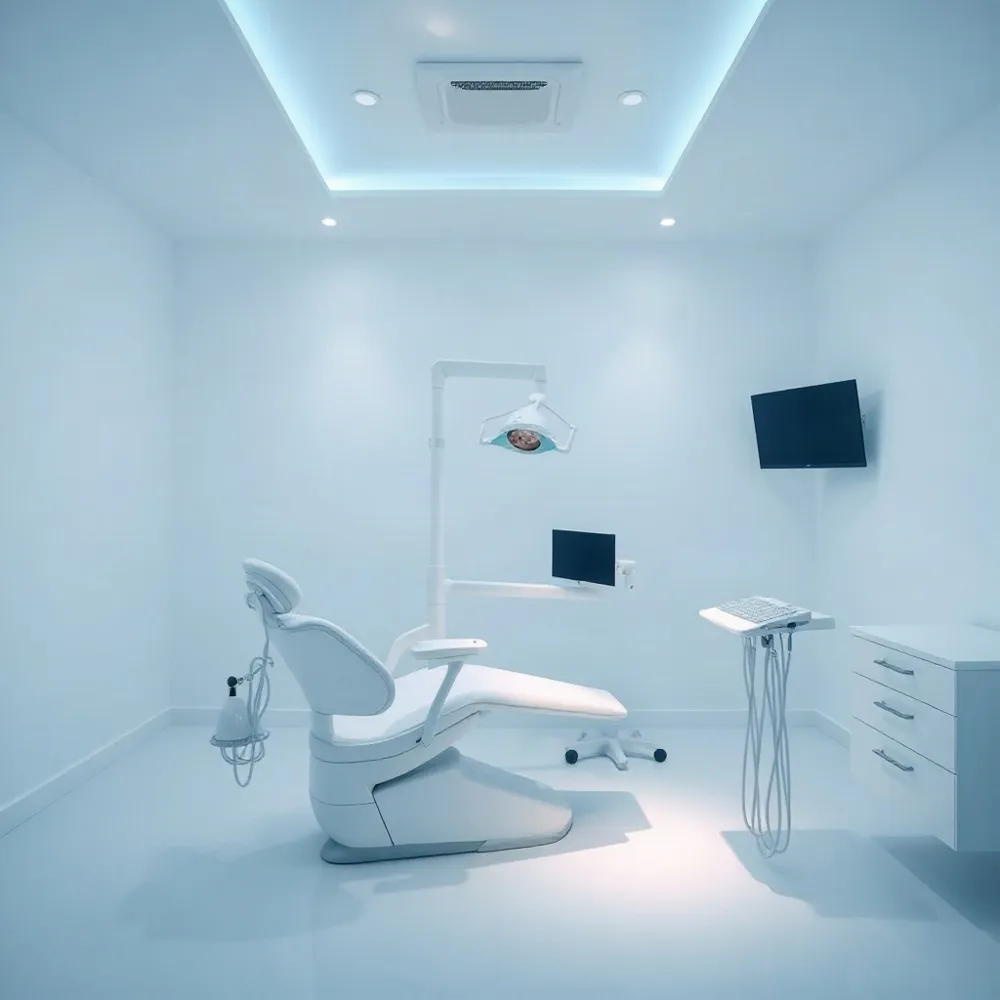 Even with a strong at-home routine, professional cleanings remain essential. Daily brushing and flossing handle the surface film, but plaque that hardens into calculus can only be removed with the scalers and ultrasonic tools your hygienist uses. Skipping these appointments lets buildup progress beneath the gum line, where your toothbrush cannot reach.
The American Dental Association recommends visiting regularly for prevention and treatment, and the CDC's oral health tips echo that guidance by tying routine care to fewer cavities and less gum disease. A professional exam also screens for issues you cannot see or feel, such as early decay between teeth and signs of oral cancer.
This is where the six-month standard earns its reputation. While some patients need more frequent visits due to risk factors like diabetes or a history of gum disease, most adults benefit from a semiannual cadence that keeps small problems from becoming major procedures. The National Institute of Dental and Craniofacial Research notes that consistent professional care, combined with daily hygiene, is the most reliable path to long-term oral health.
Reading the ADA's Six-Month Recommendation Correctly
The ADA's advice to visit on a schedule works for many people, but it isn't a hard rule for everyone. As the Cleveland Clinic explains, the right frequency depends on your individual condition, habits, and medical history. Your dentist assesses these factors and tailors a recall interval that keeps your mouth stable between appointments, rather than applying a one-size-fits-all timeline.
At Dr. Parrella's Somerville practice, we review your personal risk profile during each exam and set a follow-up schedule that matches your needs. If you're prone to cavities or have early signs of periodontal disease, we'll likely recommend a shorter interval, often three or four months. If your oral health is stable, six months may be entirely appropriate, and we'll say so plainly.
Exam scope. Our standard checkup includes a visual inspection, periodontal probing, digital X-rays when needed, and an oral cancer screening, so you get a full picture of your oral health rather than a surface glance.
Cleaning depth. We pair scaling and polishing with fluoride application for added protection, and we take time to show you exactly which areas need more attention in your daily routine.
Follow-up plan. Before you leave, we'll agree on the next appointment date and any home-care adjustments, so you always know what to expect and why.
Bringing this back to your daily habits: professional care and home hygiene work together. The Harvard Health reminder to rinse, brush, floss, and scrape is a useful framework, but your dentist's guidance on technique and timing matters just as much. For a deeper look at building a sustainable routine, see our guide to maintaining a healthy smile between office visits.
What Long-Term Neglect Really Costs
The 3-3-3 rule is a simple memory aid that turns a solid daily oral hygiene routine into three easy-to-remember steps: brush three times a day, for at least three minutes, and always within 30 minutes after eating. It answers the common question of how often and how long you should clean your teeth, replacing guesswork with a concrete schedule you can follow at home.
Brushing three times daily keeps food particles and plaque from lingering on enamel between meals. Each session lasting three minutes gives every tooth surface enough attention, including the hard-to-reach back molars. The 30-minute window matters because acid from food and drinks attacks enamel right after eating; by brushing promptly, you remove that acid before it can weaken the tooth surface.
Where the Rule Comes From
The 3-3-3 rule builds on decades of dental research showing that consistent, thorough cleaning prevents cavities and gum problems. While the American Dental Association currently recommends brushing twice a day for two minutes, the 3-3-3 rule pushes that baseline further for people who want extra protection, especially those who snack frequently or have a history of decay.
Why Consistency Beats Intensity
A rare, vigorous cleaning session does not make up for an irregular routine. Plaque reforms quickly, so the real benefit comes from repeating good habits every day. Studies show that routine dental attendance and consistent home care strongly reduce the risk of tooth loss compared with waiting until problems appear. The 3-3-3 schedule makes that consistency automatic.
Many patients ask whether flossing and tongue cleaning still matter if they brush three times daily. They do. Brushing cleans most surfaces, but floss reaches the tight spaces between teeth where a brush cannot. Adding floss and gentle tongue scraping to your 3-3-3 routine completes the job and keeps your whole mouth fresh. The Cleveland Clinic's oral hygiene guide explains this layering approach in detail.
Following the 3-3-3 rule also protects your gums. Regular brushing removes plaque along the gumline before it hardens into tartar, which is the main trigger for gum disease. When you keep up the habit, you're not just protecting teeth; you're also reducing your risk of the serious consequences of untreated periodontal disease.
Brushing. Use a soft-bristled brush with fluoride toothpaste. Reach every surface: front, back, and chewing areas. Aim for about a minute per quadrant.
Flossing. Once daily is the minimum. Slide the floss gently between teeth and curve it around each tooth to clean below the gumline.
Rinsing. Finish with water or an alcohol-free mouthwash to wash away loosened debris and neutralize lingering acid.
| Step | Frequency | Why It Helps |
|---|---|---|
| Brush | 3 times daily | Removes plaque and food debris |
| Floss | Once daily | Cleans between teeth |
| Rinse | After brushing | Washes away remaining particles |
Why Early Detection Keeps Natural Teeth
Regular dental care does more than preserve your smile; it can add years to your life. The connection between oral health and systemic conditions such as heart disease, diabetes, and respiratory infections is well documented. The National Institute of Dental and Craniofacial Research explains that the mouth is a window into the rest of the body, and neglecting it can have consequences far beyond cavities.
The oral-systemic link is a two-way street. People with chronic conditions like diabetes are more susceptible to gum disease, and untreated periodontal infection can worsen blood sugar control. The Cleveland Clinic notes that poor oral hygiene may be linked to more serious health problems, including cardiovascular disease and adverse pregnancy outcomes. This is why routine professional care is not optional, it is a cornerstone of preventive medicine.
Cost Savings That Compound Over Time
Preventive care is one of the few areas in healthcare where spending a little now saves a lot later. The American Dental Association emphasizes that regular professional cleanings remove tartar that daily brushing cannot, preventing the need for costly restorative procedures. For Somerville families weighing budgets, this upfront investment in exams and cleanings typically costs far less than a single crown or root canal.
When costs are compared, the difference is striking. A routine dental visit and cleaning is a modest expense, while emergency procedures like extractions, implants, or full-mouth restoration run into thousands of dollars. Per Harvard Health, consistent home care combined with regular professional visits significantly reduces the risk of decay and gum disease, both of which drive high treatment costs later.
| Saving | How It Happens | Typical Result |
|---|---|---|
| Fewer cavities | Fluoride, sealants, cleanings | Lower fillings cost |
| Early intervention | Exams catch problems early | Small fillings, not root canals |
| Gum health | Tartar removal | Reduced periodontal surgery |
Tailoring Home Care to Your Unique Needs
 The 3-3-3 method is a simple memory aid that turns a vague “brush better” instruction into a concrete daily habit. It asks you to brush three times a day, for three minutes each time, and to do so within thirty minutes after eating. For families juggling school runs, work, and activities, that rhythm feels more attainable than it sounds, and it gives every member of the household a clear target.
Why three minutes? Most people stop brushing far earlier, often around one to two minutes, which leaves plaque in the hard-to-reach back teeth. The American Dental Association’s home care guidance recommends brushing twice daily with fluoride toothpaste, and a timed three-minute session helps you cover every surface rather than rushing through the front teeth. When you also rinse and floss, you remove the bacteria that cause decay and gum disease before they harden into tartar.
The thirty-minute window matters just as much. Acid attacks your enamel right after you eat, so brushing immediately can actually scrub weakened enamel away. Waiting about half an hour lets your saliva neutralize some of that acid, making the brushing gentler on your teeth while still removing food particles. For busy parents, that means setting a timer after snacks and meals, then brushing once the rush settles.
This habit builds directly into the daily routine that supports long-term oral health. When you brush, floss, and scrape consistently, you prevent the plaque buildup that leads to cavities and gum disease. If you want a deeper look at how these habits fit into your family’s day, our guide on maintaining a healthy smile between office visits walks through the full at-home sequence.
Where the 3-3-3 Method Fits Into a Personalized Routine
The 3-3-3 method is a starting point, not a one-size-fits-all rule. Your dentist may adjust the timing or frequency based on your age, your risk of cavities, or any existing dental work like crowns or braces. That personalization is why we always recommend pairing a solid home habit with regular professional cleanings — your at-home routine handles the daily upkeep, while the office visit removes what you missed.
Children, for instance, may need supervision to reach the full three minutes, while older adults managing dry mouth might benefit from more frequent gentle brushing or a fluoride rinse. The best routine is the one you can sustain every day, not a perfect plan you abandon after a week. That flexibility is what turns a simple method into a lifelong habit.
Beyond brushing, your daily routine should include flossing once a day and using an antimicrobial mouthwash if your dentist recommends it. These steps work together to protect the areas your brush cannot reach, especially between teeth and along the gumline. For a practical list of tools and techniques, check out our at-home oral care toolkit.
| Habit | How Often | Why It Matters |
|---|---|---|
| Brush (3-3-3) | 3x daily, 3 min, within 30 min of eating | Removes plaque and food particles before they harden |
| Floss | Once daily | Cleans between teeth where brushes cannot reach |
| Use mouthwash | As directed by your dentist | Reduces bacteria and freshens breath |
| Professional cleaning | Every 6 months | Removes tartar and catches early issues |
Healthy Habits That Safeguard Your Smile
Keeping your teeth straight and healthy takes more than the occasional dentist visit. Your daily routine is the foundation. When you skip brushing or flossing, plaque builds up and can lead to gum disease and tooth decay, which threatens the alignment and longevity of your smile. Following a consistent home care routine helps prevent these issues before they start.
Experts recommend brushing twice a day with fluoride toothpaste and flossing daily. The American Dental Association emphasizes that this simple habit removes plaque and prevents cavities. Using the right technique matters too: gentle circular motions at a 45-degree angle to the gums are more effective than vigorous scrubbing, which can damage enamel and irritate gums.
The Role of Professional Care
While home habits are crucial, they cannot replace professional cleanings. Your dentist can remove tartar that brushing misses and spot early signs of trouble. The Cleveland Clinic notes that regular checkups, combined with daily care, form the best defense against oral disease. Visiting your dentist every six months keeps your smile on track.
Skipping professional visits allows hidden issues to progress. The National Institute of Dental and Craniofacial Research explains that untreated plaque and gum inflammation can lead to more serious conditions, including tooth loss. Regular exams help you avoid costly and painful treatments down the road.
Avoid DIY Orthodontics
It may be tempting to try at-home teeth straightening kits or DIY aligners found online, but these can be dangerous. Health experts warn that moving teeth without professional supervision can cause irreversible damage, including root resorption and bite problems. Your dentist has the training to assess your specific needs and recommend safe treatment options.
Even everyday habits can harm your smile. Chewing on ice, using your teeth as tools, or grinding them at night can wear down enamel and shift alignment. Maintaining good daily habits protects your investment in your smile, whether you have natural teeth, braces, or retainers.
| Habit | Benefit | Professional Backup |
|---|---|---|
| Brush twice daily | Removes plaque, prevents cavities | Cleanings remove tartar |
| Floss daily | Cleans between teeth, reduces gum disease | Exams catch early issues |
| Use fluoride toothpaste | Strengthens enamel | Fluoride treatments available |
| Avoid DIY aligners | Prevents tooth damage | Custom orthodontic care |
By combining consistent home care with regular professional visits and avoiding risky DIY approaches, you set the stage for a healthy smile that lasts. For personalized guidance, schedule a visit with your Somerville dental team to ensure your smile stays strong for years to come.
A Lifelong Investment in Your Smile
The mouth is the gateway to the body. What happens there affects more than your bite and your smile; it shapes your overall wellbeing. Maintaining consistent oral care is about more than avoiding cavities, it is a foundation for lifelong health.
Consistency beats intensity. A steady routine of brushing, flossing, and professional visits matters more than occasional heroics. Daily habits prevent the accumulation of plaque and bacteria, which are the root causes of most dental problems. When plaque is left in place, it hardens into tartar, which can only be removed by a dental professional.