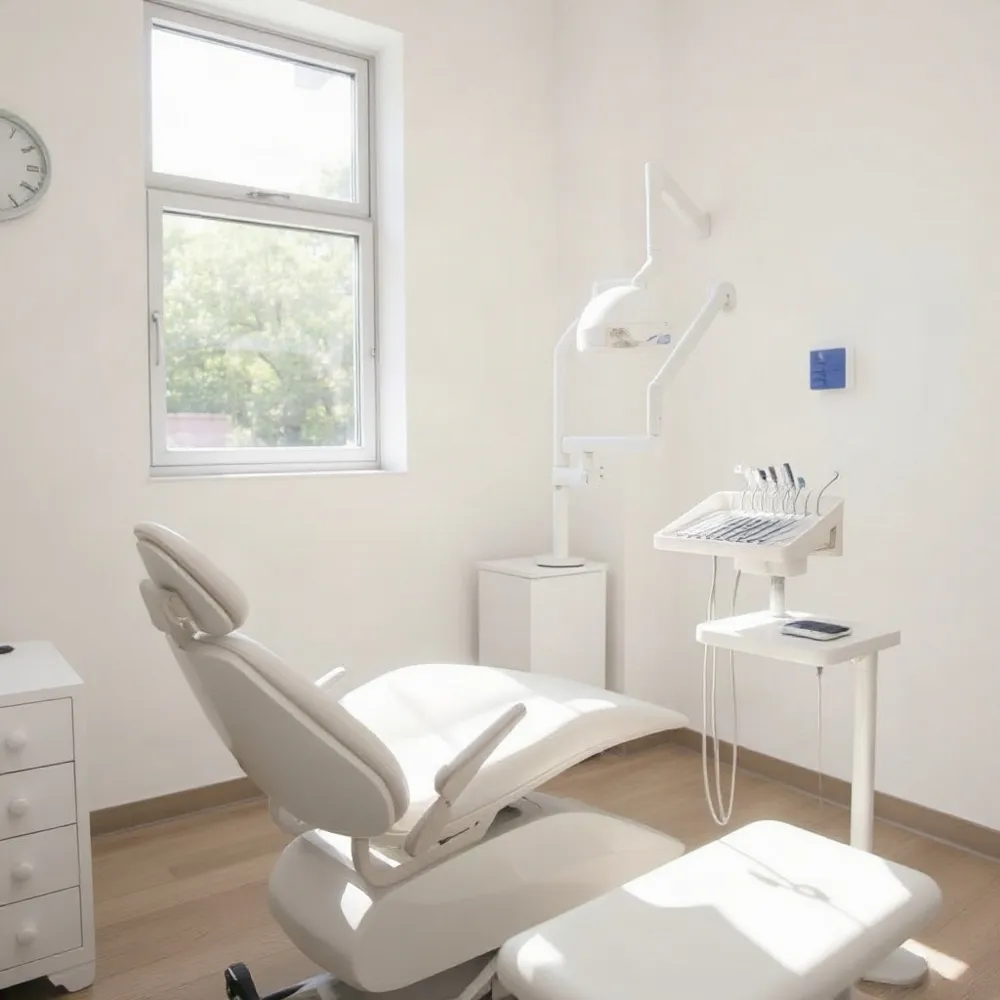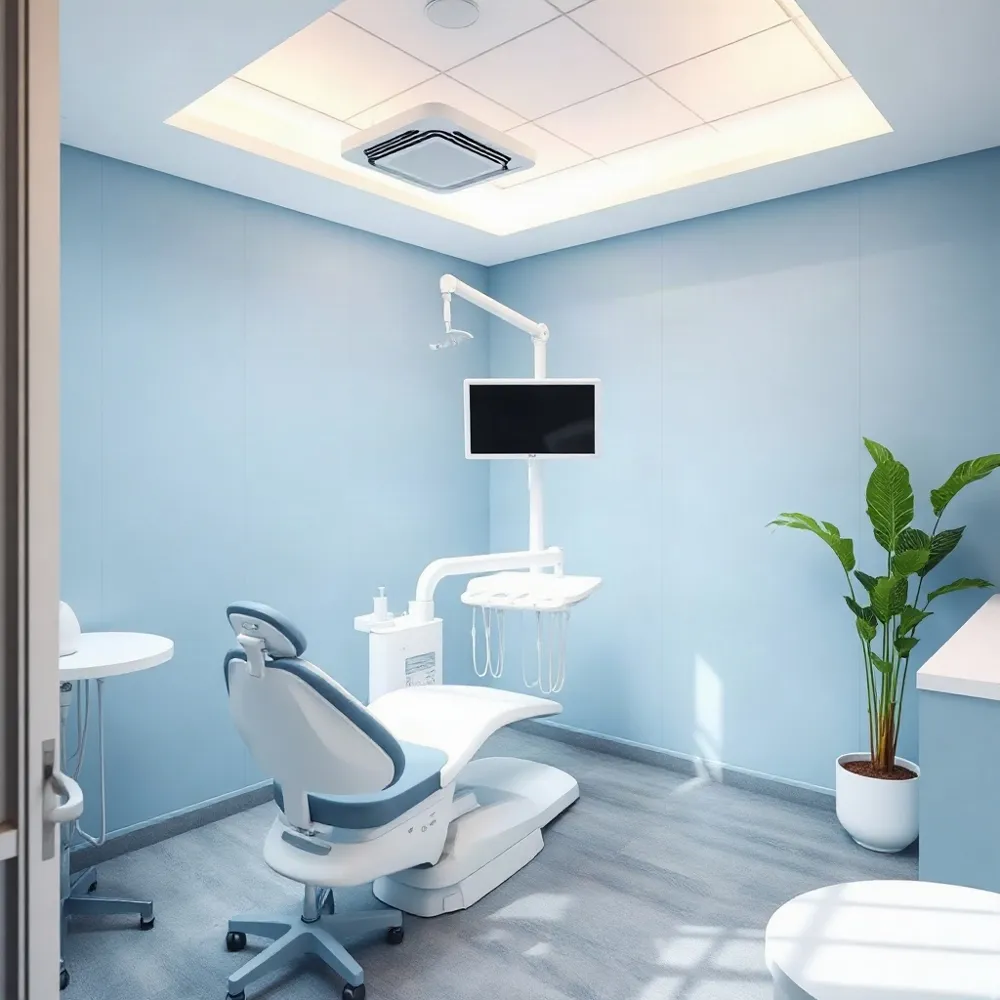
The Foundation of Lasting Oral Wellness
Your mouth serves as a vital entry point for bacteria into the digestive and respiratory tracts, making oral hygiene a critical component of preventing systemic disease per the Mayo Clinic. Oral infections can allow harmful bacteria to enter the bloodstream, potentially contributing to conditions such as heart disease, pneumonia, and pregnancy complications according to the Cleveland Clinic.
At drparrella.com, we believe that proactive dental care is significantly more cost-effective and time-efficient than reactive, restorative interventions like Composite Fillings, crowns, or implants. While some general practices rely on high-volume, standardized care, our family-run office in Somerville focuses on the long-term preservation of your smile through personalized, comprehensive planning.
Building a consistent, trusting relationship with your local dental provider is essential for early detection. Regular exams allow your dentist to identify issues like gingivitis or oral cancer before they escalate, often leading to less invasive treatment options as noted by the NIDCR. By integrating routine professional cleanings with your daily habits, you ensure that hidden plaque is removed, safeguarding both your systemic health and your smile for years to come.
Understanding Preventive Dentistry and Its Critical Value
 Preventive dentistry is a proactive approach to oral health that combines professional clinical care with consistent at-home hygiene habits to maintain a healthy smile for life. According to the American Dental Association, maintaining this routine is essential for reducing the risk of caries and periodontal disease while minimizing the need for extensive future interventions. It encompasses routine services such as professional cleanings, comprehensive exams, digital X-rays, fluoride treatments, and dental sealants.
At drparrella.com, we prioritize these measures because they allow our team to identify and address potential concerns, such as early-stage cavities or gum disease, before they progress into complex conditions. Unlike reactive dental models that wait for pain to initiate treatment, our practice focuses on early detection. This proactive strategy ensures that patients can avoid the discomfort and higher costs typically associated with extensive restorative treatments like Composite Fillings, crowns, or implants.
Beyond routine exams, we integrate specialized periodontal therapy for those who need extra support to maintain gum health. Research confirms that oral health is a vital component of systemic wellness, as infections in the mouth can increase the risk of serious medical conditions, including heart disease and diabetes per the Mayo Clinic. By partnering with a local practice that emphasizes customized care, you secure a long-term foundation for both your smile and your total body health.
- Professional cleanings remove hardened calculus that standard brushing misses.
- Comprehensive exams allow for early detection of oral cancer and decay.
- Consistent visits significantly reduce long-term costs associated with restorative dentistry.
- Personalized care plans address individual risks rather than taking a one-size-fits-all approach.
Essential Daily Habits and Time-Tested Rules
 Consistency is the most vital component of long-term smile preservation. Developing a daily oral hygiene routine centered on proven techniques allows you to remove harmful biofilm and protect your enamel. At drparrella.com, we emphasize that brushing should be performed at a 45-degree angle toward the gum line to effectively dislodge plaque from the areas where gum disease typically begins.
What is the 2-2-2 rule for maintaining lifelong oral health?
The 2-2-2 rule is a simple yet effective guideline for maintaining lifelong oral health: brush your teeth twice a day, brush for two full minutes each time, and visit your dentist twice a year. Brushing in the morning and before bed removes plaque and bacteria that accumulate throughout the day and night. Spending a full two minutes ensures you thoroughly clean every surface, including hard-to-reach areas along the gumline. Regular professional checkups every six months allow our team to detect early signs of decay, remove stubborn tartar, and ensure your smile stays healthy. By consistently following this routine, you create a strong foundation for preventing dental issues and protecting your long-term wellness.
What is the 3-3-3 rule for oral hygiene?
The 3-3-3 rule suggests brushing three times a day, brushing for three minutes each session, and waiting 30 minutes after eating before you brush to protect your tooth enamel. While individual needs vary, the most important habit is the mechanical removal of bacteria. Because brushing alone cleans only about 60 percent of your tooth surfaces, daily flossing is non-negotiable for reaching the spaces between teeth. Additionally, your tongue acts as a primary reservoir for bacteria and should be cleaned daily with a scraper or your toothbrush.
When selecting your tools, look for the ADA Seal of Acceptance. Products bearing this mark have undergone rigorous scientific testing, ensuring they are safe and effective. While some commercial brands offer basic manual brushes, patients at drparrella.com often find that powered toothbrushes provide more consistent cleaning results. Regardless of the tool, remember to replace your brush every 3 to 4 months per CDC guidelines to ensure the bristles remain effective at removing plaque rather than spreading bacteria.
Recognizing Warning Signs of Oral Health Issues
 Oral health is often a silent indicator of your overall well-being, meaning that waiting for pain to appear is a risky approach. Many serious oral conditions develop without obvious discomfort until they reach an advanced, less reversible stage. Routine check-ups are essential because they allow for early detection before damage becomes permanent.
What are the common signs of poor oral hygiene?
Poor oral hygiene often manifests through persistent bad breath, bleeding or sore gums, and increased tooth sensitivity to hot or cold temperatures. You may also notice visible plaque and tartar buildup, swollen or red gum tissue, and a receding gum line, which are common indicators of early-stage periodontal disease. Additional warning signs include loose or shifting teeth, mouth sores that do not heal within a week, or a chronic dry mouth. These symptoms are your body’s way of signaling that harmful bacteria are accumulating and potentially compromising your overall health. If you experience any of these red flags, it is important to schedule a professional evaluation to address the issue before it leads to more serious complications.
While minor irritations like temporary sensitivity can sometimes be managed with at-home adjustments, persistent issues require a professional assessment. At drparrella.com, we help patients distinguish between fleeting discomfort and symptoms that indicate a need for periodontal therapy. By proactively monitoring your oral health, you avoid the need for complex, reactive procedures such as emergency composite fillings or unplanned extractions. Recognizing Warning Signs of Oral Health Issues early on is the most effective way to protect your smile and maintain systemic vitality.
Can Oral Health Damage Be Reversed
Many patients wonder if neglect can be undone. While significant tooth decay or structural bone loss often requires restorative measures like Composite Fillings to restore function, many early-stage issues are entirely manageable. The key to preserving your natural smile lies in catching these problems before they escalate into advanced conditions.
Can poor oral hygiene be reversed?
Gingivitis, the initial stage of gum disease, is reversible through a combination of professional dental cleanings and a consistent home care routine per the NIDCR. By removing the plaque and tartar buildup that irritates the gum tissue, you can stop inflammation before it progresses into more permanent damage. Because early-stage gum disease is often painless, it is essential to maintain regular checkups at our Somerville office to monitor your status. If you notice signs like red, swollen, or bleeding gums, seeking care early is the best way to protect your long-term health.
Professional intervention and chronic management
Once gum disease advances to periodontitis, the condition shifts from reversible to manageable. At this stage, harmful bacteria can enter the bloodstream and impact systemic health, including associations with diabetes and heart disease. Dedicated periodontal therapy is the primary method for halting bone loss and stabilizing the gums. Unlike some large dental chains that take a one-size-fits-all approach, our family-run practice tailors your maintenance intervals to your specific health history, ensuring you receive the precise care needed to manage chronic concerns effectively.
Lifestyle Choices and Advanced Dental Concepts
Dietary habits and lifestyle choices serve as the bedrock of your long-term oral health. Consuming excessive sugar fuels bacteria that cause decay, while tobacco use significantly raises your risk of enamel erosion and oral cancer. Furthermore, excessive alcohol consumption is linked to higher rates of head and neck cancers, necessitating moderate intake as a standard precaution.
Beyond daily habits, many patients express interest in the structural nuances of their teeth. The dental community often utilizes the 50-40-30 guideline to describe tooth anatomy, referencing 50 percent of the width between cusps, 40 percent of the front-to-back length, and 30 percent of the total tooth structure.
What is the rarest smile shape?
The rarest smile type is known as the complex smile, which is estimated to be present in only about 2 percent of the population. This unique shape is distinct because it requires three specific muscle groups to work in perfect synchronization. While your individual smile type is determined by the specific patterns your facial muscles have developed, most people fall into the other two more common categories: the cuspid or the commissure smile. Understanding your specific type helps when discussing aesthetic goals or cosmetic dental procedures with your dentist. If you are curious about your own smile characteristics, our team is happy to examine it during your next visit to our Somerville office.
Maintaining your natural smile requires professional oversight, particularly when considering aesthetic changes. The American Dental Association strongly discourages do-it-yourself or direct-to-consumer orthodontic trends. These methods lack the expert clinical monitoring needed to prevent permanent damage like tooth loss or alignment issues, which contrast sharply with the personalized restorative care we provide at our practice to ensure both functional longevity and structural integrity.
Special Considerations for Every Stage of Life
Oral health needs change significantly over the course of a lifetime. Dr. Parrella emphasizes that personalized care is the most effective way to address the unique challenges presented by pregnancy, aging, and daily medication use.
Oral care during pregnancy
Hormonal shifts during pregnancy often increase the risk of gingivitis, making dedicated hygiene essential for both maternal and infant health. If you experience nausea, rinsing with a mixture of one teaspoon of baking soda in a glass of water helps neutralize stomach acid and protects your enamel.
Managing dry mouth caused by medications
Many common medications, including antihistamines and antidepressants, reduce saliva flow, which is a vital protective buffer against acid. Staying hydrated, chewing sugarless gum, and discussing potential alternatives with your doctor can help mitigate these effects.
Care tips for denture wearers
Even with dentures, annual dental visits remain critical for oral cancer screenings and tissue health assessments. National Institute on Aging experts recommend cleaning dentures daily and removing them overnight to prevent the development of fungal infections.
Partnering with Your Dentist for Future Success
Your long-term oral health thrives when you shift from reactive fixes to a proactive preservation strategy. By maintaining a consistent schedule of professional cleanings and comprehensive exams, you effectively reduce the risk of complex restorative procedures like composite fillings or emergency extractions.
At our family-run office in Somerville, we prioritize patient-centered, personalized care that addresses your specific health history. Whether you require standard maintenance or specialized periodontal therapy, we focus on early detection to keep your smile healthy for a lifetime. We invite you to schedule a comprehensive checkup at drparrella.com to secure your future oral wellness today.