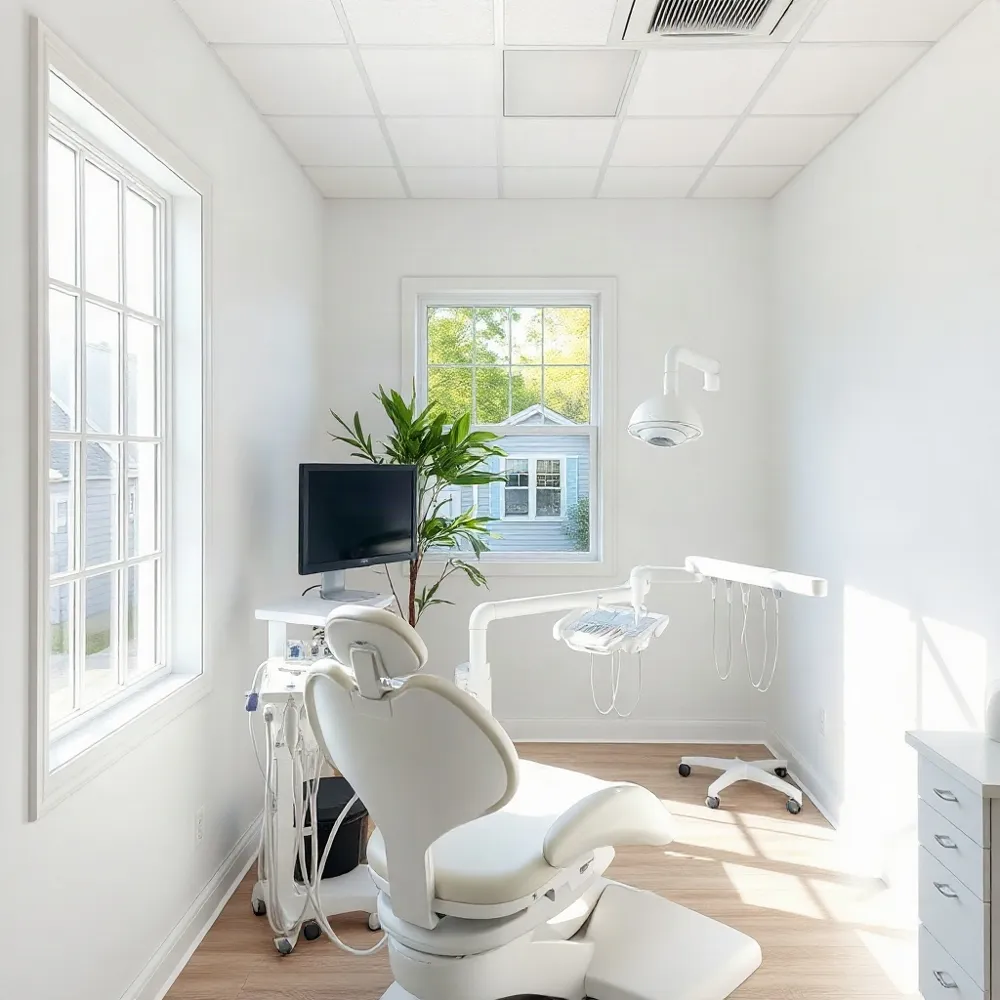
Trust Grows Through Consistent Care
Trust in dental care is built over time, through experiences patients can count on. A dentist listens to concerns, explains findings in clear language, and makes space for questions. The team then follows through, from sharing next steps to helping patients understand their care. The American Dental Association describes a positive dentist-patient relationship as a partnership grounded in mutual respect and open communication.
A longstanding, family-run practice may offer opportunities for patients and staff to become familiar with one another across visits. That familiarity can make it easier to discuss health histories and preferences, but longevity alone does not guarantee trust. Each interaction still matters. At drparrella.com, Dr. Anthony P. Parrella leads a family-run practice in Somerville focused on personalized, comprehensive care and community connection.
Trust also depends on how a practice handles practical concerns. Clear discussions about recommendations, respectful treatment, and attention to questions about cost can help patients take part in decisions and keep preventive care within reach. A 2024 review describes communication as a two-way exchange that helps patients understand treatment alternatives and feel supported throughout care.
These everyday habits shape whether patients feel comfortable returning and raising concerns. For local families, consistent care means being treated as people, not just appointments, at every stage of oral health.
The ADA’s guidance on the doctor-patient relationship and a 2024 review of dentist-patient communication offer further context.
Make Communication a Two-Way Conversation
 A useful dental conversation is a partnership, not a one-way explanation. Patients know what they are feeling and what matters to them; the dental team can explain exam findings and available care. At drparrella.com, a family-run practice in Somerville, personalized, comprehensive care gives this exchange a practical place in the patient relationship.
Before an appointment, jot down symptoms, questions, medications, relevant health history, and any worries about treatment. A short note can help you remember what you wanted to discuss, especially if you feel anxious or have several concerns. You can also say what you hope to address first.
Dentists should describe a diagnosis and care options in plain language, including possible benefits, risks, alternatives, and expected outcomes. Ask for clarification whenever a term or recommendation is unclear, and tell the team if you need more time. The American Dental Association’s guidance on the doctor-patient relationship emphasizes open communication and explains that patients need to feel able to share relevant health information. The team can explain why it asks about medical conditions or medications and how that information is kept confidential.
Share preferences, financial concerns, and anxiety openly, too. If you need a pause, say so. When patients and clinicians consider options together, the plan can better reflect a person’s circumstances and values. This two-way approach is also discussed in a 2024 review of dentist-patient communication, which supports active listening, time for questions, and written instructions when they would help.
Communication can continue after the visit. If instructions are difficult to remember, ask whether they can be provided in writing, or raise questions at a later appointment. Read more about why we take time to explain every step of your care. At drparrella.com, clear, personal conversations are part of making comprehensive dental care responsive to each patient.
Let Familiarity Ease Dental Anxiety
 Dental anxiety can make it harder to ask questions or keep appointments. Attentive listening, unhurried explanations, and a welcoming atmosphere may help patients feel safer and more comfortable speaking up, though they will not remove anxiety for everyone. A 2024 review of dentist-patient communication describes empathy, clear explanations, and time for questions as parts of supportive care. Strategies for Effective Dentist-Patient Communication
Before treatment begins, tell the dental team what makes you anxious. You can mention a difficult past experience, concern about pain, or anything that might help you feel more in control. At Dr. Parrella’s family-run practice in Somerville, clear, compassionate communication is part of personalized care, and patients can raise concerns with the team before an appointment.
It can help to ask the team to explain what to expect, agree on a hand signal that means you need a pause, and discuss comfort measures available in the office. Slow, steady breathing may help you stay grounded; headphones and calming music are another option if the practice allows them. You can also ask questions at any point rather than waiting until treatment is over.
If anxiety makes it difficult to schedule or attend a visit, contact the practice in advance and explain what is getting in the way. The team can discuss possible support and help you plan a visit that feels more manageable. The American Dental Association’s guidance on the doctor-patient relationship emphasizes open communication and mutual respect as foundations of care.
Routine preventive visits can also make the setting, team, and appointment process more familiar. Regular checkups give the dentist a chance to monitor your oral health and address concerns before they become urgent, while each visit offers another opportunity to share what helps you feel comfortable.
Children may feel more at ease when adults explain visits in age-appropriate language, offer reassurance, and leave room for questions. Parents can tell the team what worries a child and ask for explanations that suit the child’s age and pace. At a family practice such as drparrella.com, care for local families can include making space for children to understand what is happening and speak up.
Show How Recommendations Are Reached
 A treatment recommendation should come with a clear explanation, not just a request to proceed. A trustworthy dentist listens to your concerns, describes what an exam or image shows, and invites you to help decide what happens next. The American Dental Association describes the dentist-patient relationship as a partnership built on mutual respect and open communication, and advises practices to give concerns time and attention when questions arise about treatment goals, risks, or fees (ADA guidance on the doctor-patient relationship).
Ask what a finding means, why treatment is recommended, and what may happen if you wait or decline it. A useful discussion covers likely benefits and risks, alternatives, timing, and expected costs, including how insurance may apply. Your dentist should explain these points in plain language and ask for your consent before treatment begins. This approach fits the personalized care emphasized at drparrella.com, where a plan should reflect the patient’s needs and circumstances.
Visual aids can make a diagnosis easier to understand. When appropriate, photographs, radiographs, or models let you see the area being discussed instead of relying only on a verbal description. A 2024 review of dentist-patient communication describes clear explanations and shared decisions as part of patient-centered care (communication strategies in the research review).
Speak up if you feel rushed or pressured, do not understand the diagnosis, or want to discuss pain management, costs, insurance, or less invasive options. You can ask for copies of your records or a written plan, and take time to consider a decision. If your concerns remain unanswered, seeking another professional opinion is reasonable.
These questions are part of informed decision-making, not a challenge to the dentist. Clear discussion helps both sides understand the plan and can prevent misunderstandings from straining the relationship. A careful explanation should leave you knowing what is proposed, why it may help, what choices remain, and what to expect next.
Make Affordability Part of the Conversation
Cost can shape whether and when someone seeks dental care. If a proposed plan feels unaffordable, tell the dental office rather than putting off the conversation or silently delaying treatment. A 2024 review of dentist-patient communication emphasizes that understanding a patient’s circumstances, preferences, and concerns supports shared decisions about care (review of dentist-patient communication.
Ask for an itemized estimate and a clear explanation of available payment options. You can also ask which needs are most time-sensitive and whether a plan can be divided into stages. Dr. Parrella’s practice emphasizes personalized care and clear communication, making an open discussion of concerns a practical part of planning treatment.
Some dental offices offer in-house membership plans, discounts, or occasional reduced-cost services. A membership plan may help patients who lack insurance, but availability and terms vary, and it is not a replacement for insurance. Ask what the plan covers, what it costs, and whether it fits your needs.
If care remains out of reach, ask about local options. Federally Qualified Health Centers may provide dental services using a sliding fee scale, while dental school clinics may offer care at reduced rates. Services, appointment availability, and eligibility differ, so contact each provider directly to confirm what is offered.
Eligible children may receive dental coverage through Medicaid or the Children’s Health Insurance Program (CHIP). Adults can investigate public programs in their area and dental coverage offered through the Health Insurance Marketplace. For people with serious health conditions, disabilities, or other special circumstances, nonprofit organizations such as the Dental Lifeline Network may be worth checking; confirm eligibility and available services directly.
Cost questions are a normal part of treatment planning. Sharing financial concerns gives the dental team a chance to explain choices and discuss next steps, while you remain free to consider the options before deciding.
Build Continuity Beyond One Appointment
A relationship with a dental team develops across visits, as staff learn a patient’s history, preferences, and concerns. That familiarity can make later conversations more relevant without replacing a fresh assessment of current needs. At Dr. Anthony P. Parrella’s family-run Somerville practice, personalized care and community ties provide a setting for those ongoing relationships.
A CareQuest Institute and University of Colorado study found that higher dental-trust scores were associated with having a regular dentist. The study drew on a Denver-area sample, so its findings should not be treated as nationally representative or as proof that continuity causes trust. Still, it offers a useful reminder that an ongoing patient-dentist relationship can matter to how patients experience care. The study on trust in the patient-dentist relationship
Follow-through is one practical way to show that a relationship continues after an appointment. Patients should leave with understandable after-care instructions, and the team can arrange follow-up visits when needed. A reliable route for non-urgent questions also helps patients clarify instructions or raise concerns between appointments. The American Dental Association’s guidance on the doctor-patient relationship emphasizes open communication and attention to patient concerns.
Secure messaging or a patient portal may make routine follow-up more convenient, provided the practice uses appropriate privacy safeguards and patients know which channel to use. Digital contact complements, rather than replaces, direct conversations when a concern needs clinical attention.
For a community-focused practice, continuity is built through dependable care and communication, not simply through a long history or familiar name. Patients can ask how to reach the team after a visit and share changes in their health or preferences, helping keep future discussions grounded in their circumstances.
Carry Trust Into the Wider Community
Trust built during appointments can extend beyond the treatment room when a practice is a familiar, dependable presence in local life. The American Dental Association describes the dentist-patient relationship as a partnership grounded in mutual respect and clear communication, with every interaction helping shape patients’ view of their care.
Community education, oral-health workshops, screenings, and participation in local events are possible ways dental practices can share useful information beyond appointments. These activities should respond to local needs and offer practical guidance, rather than serve only as promotion. They are possibilities for practices generally, not claims about specific activities at Dr. Parrella’s office.
For a longstanding, family-run Somerville practice such as drparrella.com, community trust is also reflected in personalized, comprehensive care for local families. It grows through sustained actions: listening carefully, explaining choices, respecting financial and emotional concerns, and following through. Research on the dentist-patient relationship emphasizes that open communication and mutual respect underpin that partnership.
Over time, dependable relationships can make a dental practice a familiar resource and help patients feel confident seeking preventive care. That broader trust is earned visit by visit, through transparent communication and respect. Practices can also connect individual care with community involvement, keeping relationships with families at the center.
Trust Is Renewed at Every Visit
A longstanding practice can offer familiarity, but trust still depends on what happens at each visit. Patients should feel able to share relevant health information and raise concerns, while the dental team listens and explains findings in clear language. The American Dental Association’s guidance on the doctor-patient relationship describes that relationship as a partnership grounded in mutual respect and open communication.
Patients can help shape care by asking why a treatment is recommended, discussing worries, and saying what matters to them. A review of effective dentist-patient communication emphasizes clear explanations, active listening, and shared decisions. At Dr. Parrella’s family-run Somerville practice, personalized care and a community focus provide a setting for those conversations.
For families, speaking up can be a simple first step toward care that feels understandable and suited to their needs. Questions are welcome, and a thoughtful conversation can help patients and their dental team decide what to do next.