Start With Your Own Oral Health
A dental visit every six months is a familiar routine, but it is a starting point, not a rule for every adult. The right interval depends on your current oral health and the chance of developing problems, so your dentist may suggest returning sooner or later than that.
Your dental history, home-care habits, and experience with cavities or gum disease all help shape the plan. Regular checkups can also reveal concerns you may not notice yourself, as WebMD explains.
At drparrella.com, care is personalized for patients and families in Somerville. Share changes in your health, medications, or daily routine with your dentist, and ask whether your schedule still fits. A recommendation can be adjusted as your needs change, without treating one calendar interval as right for everyone.
Choose a Schedule With Your Dentist
 Many adults benefit from dental exams and cleanings about every six months, but that interval is a starting point rather than a rule for everyone. Your dentist can recommend a schedule based on your oral health, dental history, home-care habits, and risk of cavities or gum disease. Guidance on dental checkup frequency also emphasizes that the right timing varies from person to person.
At drparrella.com, Dr. Anthony P. Parrella’s family-run Somerville practice provides personalized dental care, making a discussion of your health and dental history part of choosing a suitable recall schedule.
Closer monitoring may be appropriate for active gum disease, recurring cavities, dry mouth, rapid plaque buildup, or a weakened immune response. Health conditions and medications can also affect oral health, so tell your dentist about changes that may influence your teeth or gums. Active periodontal disease may call for appointments every two to six months, depending on your condition and the dental professional’s plan. That interval does not automatically apply to everyone with a risk factor.
If your oral health is stable, your dentist may consider a longer interval after assessing your individual risk. Feeling well or having no pain alone is not enough to decide to delay a visit, since some problems may not cause noticeable symptoms early on.
Review your schedule when your health, medications, diet, or oral-care habits change. At drparrella.com, ongoing preventive care is tailored to patients’ needs, so you can ask what return timing makes sense for your current circumstances and when it should be reconsidered.
Exams and Cleanings Serve Different Purposes
An exam and a professional cleaning often happen during the same appointment, but they do different jobs. The exam is an assessment of your teeth, gums, and other oral tissues. A cleaning removes plaque and hardened buildup that brushing and flossing may not fully clear.
During an exam, the dentist may ask about changes in your health, medications, or symptoms since your last visit, then check for concerns such as tooth decay, gum problems, or changes to existing dental work. Depending on what the examination shows, the dentist may discuss prevention, treatment, or diagnostic steps. X-rays are not automatically part of every visit. The American Dental Association’s oral health guidance offers evidence-based information for patients.
A hygienist typically performs the cleaning, removing plaque and tartar from tooth surfaces and areas that are difficult to reach at home. Polishing may also be included. The cleaning addresses buildup; it does not replace the dentist’s assessment.
Assessments matter even when your mouth feels fine. Cavities and gum disease can develop without obvious pain, and some changes may be hard to spot on your own. At Dr. Parrella’s family-run Somerville practice, care is personalized, so the team can explain what an appointment includes and recommend next steps based on your needs rather than treating every visit as identical.
If you would like a fuller explanation of what each service involves, see how dental exams and cleanings differ.
X-Rays Depend on Clinical Need
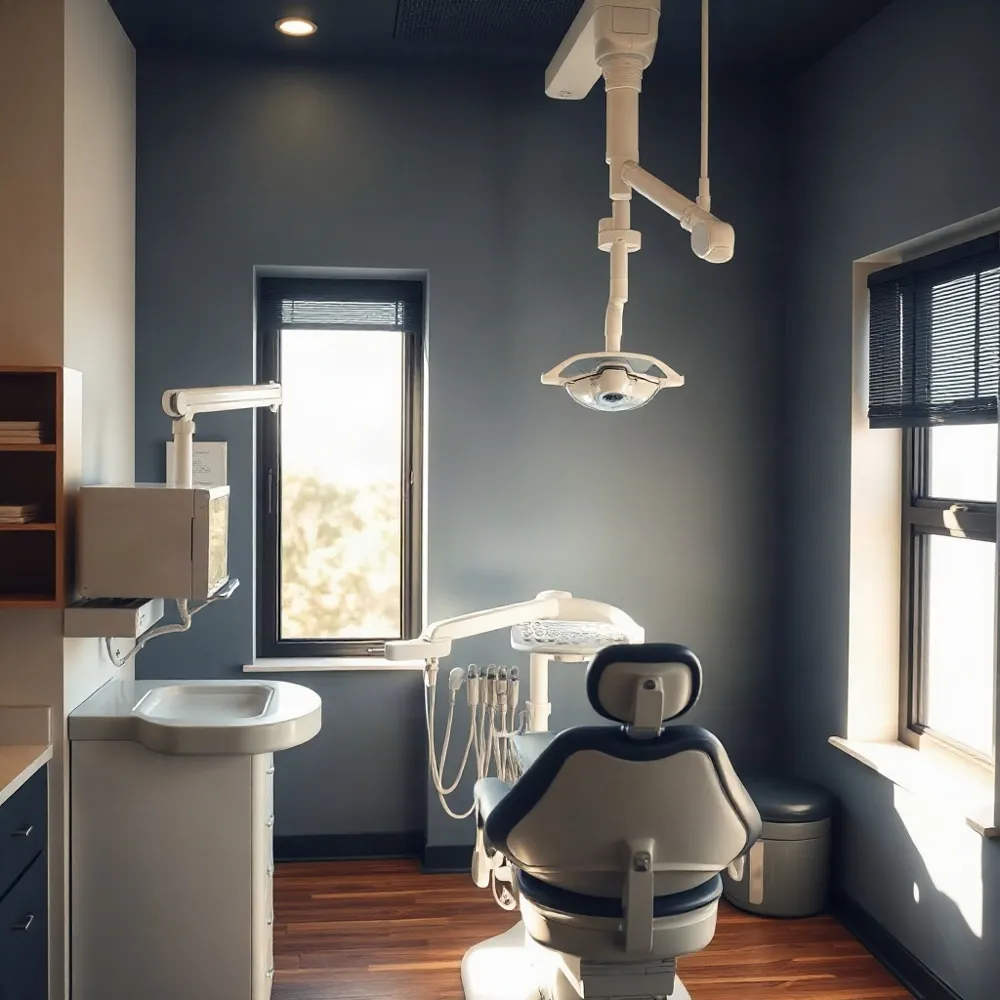 Dental X-rays are not automatically needed at every checkup, and there is no single imaging schedule for all patients. A dentist recommends them when images can help diagnose or monitor a concern, rather than simply because a routine visit is due.
The decision may reflect your current oral health, age, likelihood of cavities or gum disease, dental and medical history, symptoms, and examination findings. Your dentist can also consider how your needs fit into a personalized preventive-care plan, such as the care provided at drparrella.com.
Existing X-rays may answer a clinical question or show how a condition has changed, helping the dental team avoid taking new images without a clear reason. When an image is recommended, ask what it is expected to show, how the result could guide care, and what steps are taken to keep exposure as low as reasonably achievable. The American Dental Association’s oral-health guidance offers evidence-based information, but your dentist determines whether imaging is appropriate for you.
Separate Insurance Timing From Health Needs
Dental benefits can help with the cost of preventive care, but plan rules and clinical recommendations answer different questions. Many plans cover two routine exams and cleanings per year, though coverage does not determine how often your oral health needs professional attention.
Does dental insurance require cleanings to be six months apart? Not always. Some plans set a waiting period between covered cleanings, while others count visits within a calendar or benefit year. Limits, network requirements, and out-of-pocket costs also vary. Review your benefit summary or call your insurer to confirm when another cleaning is covered and whether your dentist is in network.
Before booking, ask the dental office what the visit is expected to include, such as an exam, cleaning, or any recommended imaging, and what the estimated cost may be. At drparrella.com, patients can discuss their preventive-care needs with the dental team, while confirming plan details directly with their insurer. For help understanding how benefits apply to care, see this guide to dental insurance coverage.
Make Daily Care Part of the Routine
The 2-2-2 rule is an easy reminder: brush twice a day for two minutes and see a dentist about twice a year. It is a helpful habit, not a formal guideline or a schedule that fits everyone. Your dentist can recommend visit timing based on your oral health and cavity history.
For brushing, the American Dental Association recommends a soft-bristled toothbrush and fluoride toothpaste, used twice daily for two minutes. Hold the brush at a 45-degree angle to the gums and make gentle, short strokes. Clean the outer, inner, and chewing surfaces of every tooth. For the inside surfaces of the front teeth, tilt the brush vertically and use gentle strokes.
Replace your toothbrush every three to four months, or sooner if the bristles become frayed. Clean between your teeth daily with floss or another tool recommended by your dentist. These steps help remove plaque from areas a toothbrush may miss.
At drparrella.com, preventive care is part of the practice’s personalized approach, with recommendations shaped by each patient’s needs rather than a one-size-fits-all routine. Consistent home care supports oral health, but it does not replace an exam and professional assessment. For more ideas to maintain your routine between appointments, see daily care between office visits.
Call About Changes Before Your Next Checkup
 A routine appointment is not a reason to wait when a new problem appears. Contact your dentist about persistent tooth pain, sensitivity to hot or cold, swollen or bleeding gums, or a chipped, cracked, or shifting tooth. Symptoms that warrant a call before your next checkup deserve timely attention.
After a filling, crown, oral surgery, or other treatment, your dental team may schedule a follow-up to check healing or results. Follow the instructions you receive, and call sooner if something feels wrong or recovery does not seem to be going as expected.
At drparrella.com, care is provided by a family-run Somerville practice focused on personalized, comprehensive dentistry. Keep the conversation open with your dental team: share symptoms and changes in your health or medications, and ask what recall schedule fits your current needs. Your plan can be revisited as those needs change.
Keep the Conversation Open
A visit about every six months is a helpful reference for many adults, but your dental history and current health may call for a different interval. The right schedule is a decision to make with your dentist, not a calendar rule.
At your next appointment, ask when to return and what the visit should include. Tell the dental team about new symptoms, health changes, or medications, since these may affect your care plan. At drparrella.com, care is personalized for each patient, with recommendations grounded in a comprehensive understanding of their needs.