More Than a Polish
A routine cleaning does more than leave teeth feeling smooth. It gives the dental team a chance to remove buildup and notice changes in your teeth, gums, or other oral tissues. At drparrella.com, preventive care is part of the personalized attention a family-run Somerville practice provides to patients.
A hygienist removes plaque and hardened tartar from places brushing and flossing may miss. Tartar needs professional removal, and regular cleaning gives the team an opportunity to assess your oral health (National Institute of Dental and Craniofacial Research). The hygienist may share observations with the dentist, who can decide whether an area needs a closer look.
A screening observation is not a diagnosis. Redness, bleeding, or an unusual spot may simply prompt questions or follow-up with the dentist. Sharing what you have noticed, along with changes in your health or medications, helps the team put those observations in context. The hygienist and dentist work together, with distinct roles in preventive care and diagnosis (Cleveland Clinic’s guide to dental hygienists).
Who Does What at a Cleaning
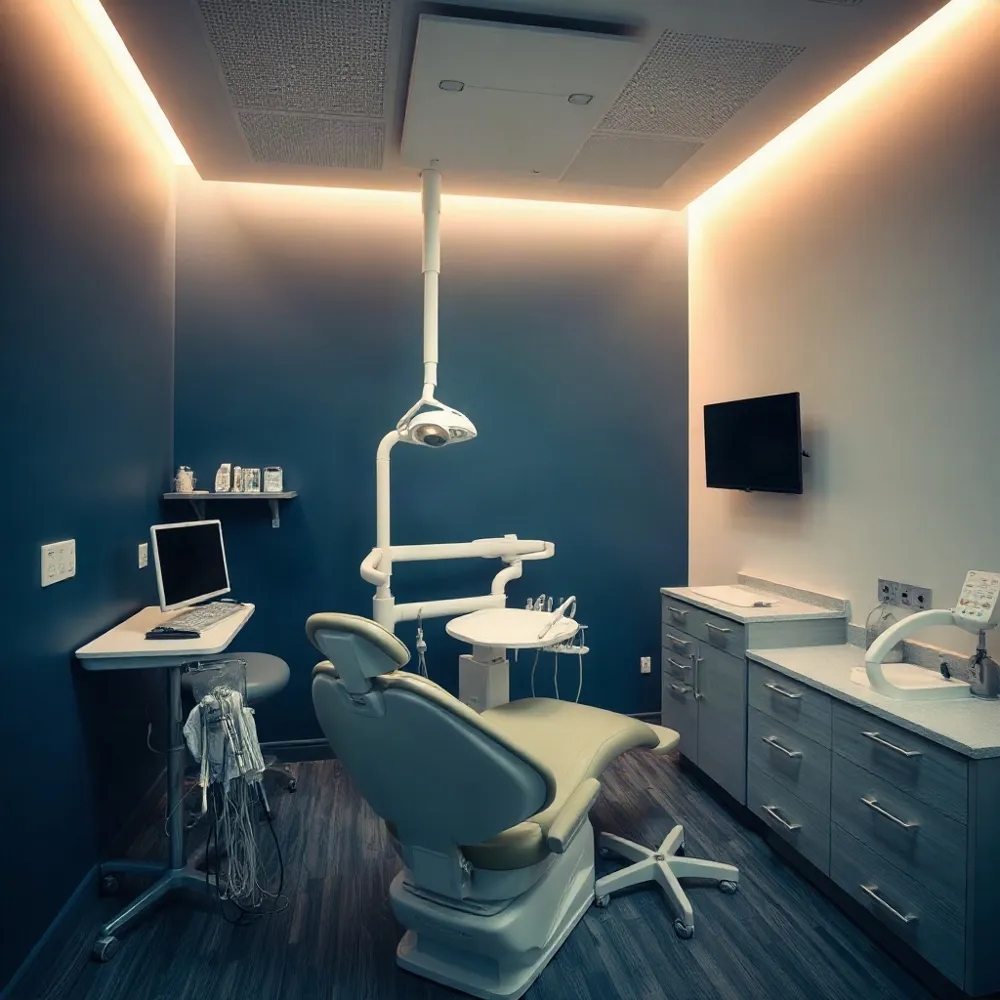 A dental hygienist and a dentist have different responsibilities, but they work as a team. Hygienists focus on prevention: they review relevant health updates, clean teeth, check for signs of oral-health concerns, and offer practical home-care guidance. Dentists examine the mouth, diagnose dental conditions, and recommend care, including fillings or other restorative treatment when needed. Dental hygienists’ roles and training can vary by state.
At drparrella.com, preventive care is part of a family-run practice led by Dr. Anthony P. Parrella, where the dental team can discuss observations and recommended next steps with patients.
A combined visit often starts with a review of health history, medications, and concerns such as sensitivity or bleeding gums. The hygienist then checks the teeth and gums and removes plaque and hardened tartar with specialized instruments. Polishing and flossing may follow, along with advice for care at home. The dentist examines the mouth and explains any findings; X-rays may be recommended when needed to check areas that are not visible during a visual exam. A routine cleaning can be scheduled with an exam or separately.
A routine cleaning and exam generally takes about 30 to 60 minutes. The amount of buildup, gum health, time since the last cleaning, X-rays, or additional evaluation can change the visit length. When scheduling with drparrella.com, patients can ask what the appointment is expected to include and whether extra time may be needed.
Clues in Teeth and Gums
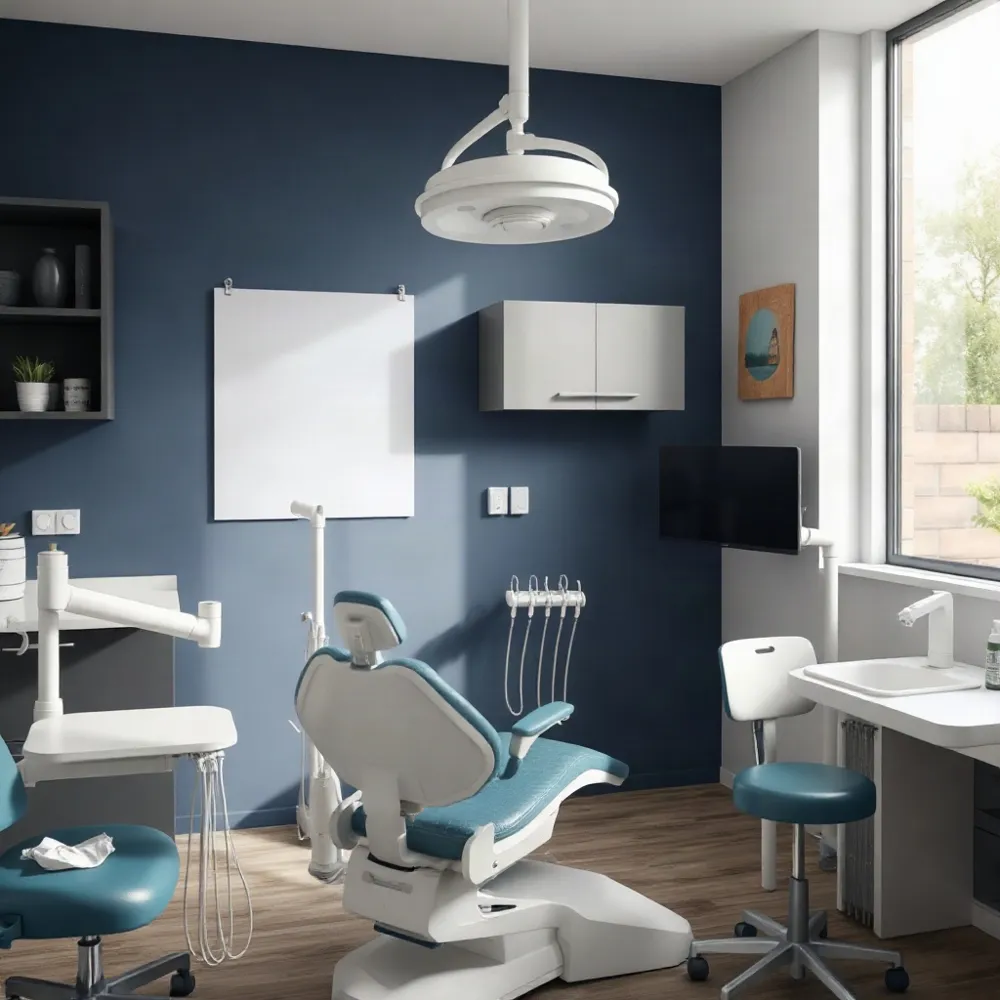 A hygienist’s observations can reveal changes that are easy to miss at home. Plaque is a sticky film of bacteria; if it stays on teeth, it can harden into tartar, which brushing and flossing cannot remove. Professional instruments are needed to clear tartar, and deposits near the gumline can irritate gum tissue. The [National Institute of Dental and Craniofacial Research explains how plaque and tartar affect oral health](https://www.nidcr.nih.gov/health-info/oral-hygiene).
During a cleaning, the hygienist may notice redness, swelling, bleeding, gum recession, or changes in the spaces between teeth and gums. They may measure gum pockets and record the results so the dental team can compare them with earlier visits. At drparrella.com, preventive care includes these ongoing observations, helping the team discuss changes in the context of your oral health history.
A hygienist may also spot a soft area, a stained groove, or another surface change that needs a closer look. When appropriate, X-rays can help reveal decay or other concerns that are not visible during a visual check. The Cleveland Clinic’s overview of dental cleanings describes how imaging may be recommended to help assess hidden problems.
Can a dental hygienist identify cavities or signs of gum disease? They can flag signs that may suggest either problem, but the dentist confirms a diagnosis and discusses treatment, sometimes after an examination or X-rays. If you notice pain, sensitivity, bleeding, or another change, share it with your dental team rather than waiting for your next routine cleaning. At drparrella.com, hygienists’ findings are part of a broader, personalized assessment, with the dentist involved in evaluating concerns and planning care.
Changes Worth Sharing
A cleaning can also give you a chance to raise changes you have noticed since your last visit. At drparrella.com, preventive care includes discussing your concerns as part of a personalized assessment, rather than treating one observation as a diagnosis.
Flattened or chipped tooth edges and fine cracks may prompt questions about clenching or grinding. These signs can have more than one explanation, so share any jaw discomfort or changes you have noticed and let the dentist assess them. You can read more about changes associated with clenching and grinding.
A dry-looking mouth may lead the hygienist to ask about medicines or recent health changes. Some medications reduce saliva, which helps wash away food and protect teeth against decay. Tell the team about medication updates and health-history changes so they can consider them when discussing your care. Mayo Clinic explains how medicines can affect saliva.
A new sore, patch, or lump may be pointed out for the dentist to examine more closely. Hygienists can report unusual findings, but a screening observation alone does not establish what caused a change or whether it is harmful. The dentist can decide whether monitoring or further assessment is appropriate.
Documenting observations creates a baseline for comparison at later visits. A trend may be more informative than a single finding, which might simply need monitoring. Oral changes can be worth discussing with a dental or medical professional, but a cleaning does not diagnose a systemic illness. Cleveland Clinic describes how hygienists report screening findings to the dentist for follow-up: dental hygienist screenings.
Comfort and Care Around Your Visit

Is a professional dental cleaning painful, and are there risks?
A routine cleaning is comfortable for many people, though you may feel pressure or brief sensitivity, especially if your teeth are sensitive or your gums are inflamed. Cleanings are generally safe, but temporary sensitivity or sore gums can happen afterward, as Cleveland Clinic explains.
Tell your hygienist if anything hurts, feels sensitive, or makes you anxious. Mention areas you would like the team to check, too. At drparrella.com, care is personalized, so sharing what concerns you helps the dental team respond and discuss adjustments that may make the visit more comfortable. You can also read more about comfort during a cleaning.
What should I do before and after a professional dental cleaning?
Before your visit, brush and floss as usual. Let the team know about medical conditions, medications, allergies, or changes in your teeth and gums. You can generally eat beforehand unless the office gives you different instructions. Sharing this information helps the team tailor care to your needs.
Afterward, follow the care team’s directions. If fluoride is applied, ask when you can eat or drink, since instructions depend on the treatment. Brush gently and floss carefully if your gums feel tender. Mild sensitivity may ease within a day or two. Contact the dental office if discomfort is severe, persists, worsens, or feels unusual.
Daily Habits Between Cleanings
A consistent home routine helps control plaque between visits, while professional cleanings address hardened deposits that brushing and flossing cannot remove. For a practical starting point, the National Institute of Dental and Craniofacial Research’s oral hygiene guidance recommends brushing twice daily with fluoride toothpaste and cleaning between teeth regularly.
How should I order my daily oral-hygiene routine?
If food is caught between your teeth, rinse with water first. Then clean between your teeth with floss or another suitable interdental cleaner, and brush for two minutes with a soft-bristled toothbrush and fluoride toothpaste. You can clean between teeth before or after brushing. What matters most is doing it thoroughly every day and brushing twice daily.
After brushing, spit out the toothpaste rather than rinsing with water, which can wash away some fluoride. A tongue cleaner or mouthwash may suit some people, but they are not essential for everyone. Your dentist can tailor advice to your teeth, gums, and oral-health needs. For more guidance on everyday care, see these daily oral hygiene habits between cleanings.
What is the 3-3-3 rule for oral hygiene, and is it a standard recommendation?
The phrase “3-3-3 rule” has varying meanings. It is sometimes used to suggest brushing three times a day for three minutes, while other versions add a step such as flossing or rinsing. It is not a standard, universally accepted recommendation. Common guidance is to brush twice a day for two minutes and clean between teeth daily.
Brushing more often or for longer is not automatically better. Use gentle pressure and a soft-bristled brush to avoid irritating your gums. Even careful home care cannot remove tartar once plaque has hardened, so professional cleanings remain useful. At drparrella.com, routine preventive visits give the dental team an opportunity to assess your oral health and discuss a home-care routine suited to your needs.
Oral Health and Overall Wellbeing
Persistent bad breath, visible plaque or tartar, red or swollen gums, soreness, and gums that bleed regularly can signal a concern. Tooth discoloration, new sensitivity, and a receding gumline are also worth mentioning. These changes can have causes beyond oral hygiene, so they are clues to discuss, not a diagnosis.
Keep brushing twice daily with fluoride toothpaste and cleaning between your teeth each day. If a symptom persists, arrange an evaluation; contact a dental professional promptly for tooth pain, loose teeth, or a mouth sore that lasts a week or longer. The National Institute of Dental and Craniofacial Research’s oral hygiene guidance explains why daily care and professional assessment both matter.
Tooth decay and gum disease can cause ongoing pain and make eating or speaking uncomfortable. Oral health also connects with general health, though those connections do not prove that one condition caused another. For example, diabetes can raise the risk of gum disease, and gum disease may make blood-sugar management harder. The Mayo Clinic’s overview of oral and overall health describes these links while noting that health conditions and medicines can also affect the mouth.
Share changes in your mouth, health conditions, and medication updates with your dental team. At Dr. Parrella’s family-run Somerville practice, care is personalized, and those details help the team consider your needs when discussing preventive care and next steps.
Keep the Conversation Going
A cleaning gives your dental team a chance to remove hardened deposits and check for changes that may need closer evaluation. It is also a good time to ask what the team noticed and what, if anything, should happen next.
Mention symptoms or changes you have noticed between visits, even if they seem minor. At Dr. Parrella’s family-run Somerville practice, care is personalized, so questions and health updates can help the team explain findings and recommend a visit schedule suited to your needs.
Between appointments, keep up with daily brushing and cleaning between your teeth, and ask for guidance if a habit is difficult to maintain. Consistent home care and professional support work together to protect healthy teeth and gums.