Prioritizing Oral Health in Our Somerville Community
At drparrella.com, we believe your routine checkup is more than just a cleaning. It is a vital health screening. Because oral cancer often presents without pain in its early stages, our team uses these appointments to perform a systematic visual and manual exam of your mouth, neck, and throat. Detecting abnormalities at the earliest possible stage significantly improves the potential for successful, curative treatment.
Building a consistent history with your dentist at drparrella.com provides us with a baseline to track subtle changes in your unique oral anatomy over time. Unlike generic care models, we focus on identifying persistent lesions or changes that do not resolve within two weeks, which research indicates is a critical window for intervention. While other practices might offer only basic visual checks, our approach ensures you receive a thorough assessment of all mucosal surfaces, as recommended by the American Dental Association.
Routine visits ensure you remain ahead of potential health issues rather than reacting to them. By integrating oral cancer screenings into your bi-annual checkups, we can provide peace of mind and, if necessary, coordinate prompt referrals for specialized evaluation. Your commitment to regular appointments establishes a protective factor for your long-term wellness in our Somerville community.
Why Routine Checkups Are Essential for Early Detection
 Routine dental checkups act as a vital, proactive measure in maintaining your long-term health. Because many early-stage oral cancers are asymptomatic, they often go unnoticed by patients until they reach a more advanced stage per the Oral Cancer Foundation. During a standard visit, a dental professional uses specialized tools and expert knowledge to conduct a systematic visual and manual examination of the entire oral cavity, including the tongue and floor of the mouth, where approximately 50% of squamous cell carcinomas are found.
At drparrella.com, we emphasize that while monthly self-exams help you stay familiar with your anatomy, these checks cannot replace the diagnostic eye of a clinician. Self-exams are a beneficial supplement to help you notice changes between appointments, such as persistent lumps or sores that do not heal within two weeks, but they lack the clinical depth of a professional screening. Unlike other providers that might offer one-off evaluations, our dental team establishes a clear baseline of your oral health, which allows us to track subtle tissue changes over time.
Regular visits are significantly associated with earlier stage diagnosis, which is the most critical factor for a positive prognosis and treatment success. While the American Dental Association and other health organizations recommend ongoing professional exams to catch potential issues early, the frequency may vary based on your specific risk profile. Consistent, long-term monitoring ensures that any lesion is identified and referred for biopsy or specialized care before it can progress, offering the best chance for curative treatment and the long-term preservation of your oral function.
Your Dentist as Your First Line of Defense
 General dentists possess expert training in oral anatomy, placing them in a unique position to identify abnormalities that you might otherwise overlook. At drparrella.com, we integrate these comprehensive examinations into every routine checkup. Unlike a cursory visual look, a professional screening involves systematic palpation of the neck and jaw to detect lumps or asymmetries that suggest underlying issues.
- Visual inspection of the tongue, floor of the mouth, gums, and throat,
- Manual feeling of the jaw and neck tissues,
- Expert assessment of persistent lesions that fail to heal within two weeks.
When your dentist performs a screening, the goal is proactive monitoring. While screenings themselves are not diagnostic tools, they serve as the vital first alert. If we encounter a suspicious patch or nodule during your visit, we will prioritize a referral to an oncologist or oral surgeon. This referral is the standard, essential step to secure a formal diagnosis via biopsy, ensuring you receive the appropriate care without delay.
Your long-term health is a collaborative effort. By maintaining regular dental exams, you help us establish a consistent baseline of your oral health that makes even subtle changes easier to spot. This partnership is what allows us to catch potential warning signs at their earliest, most treatable stages.
Recognizing Early Warning Signs and Symptoms
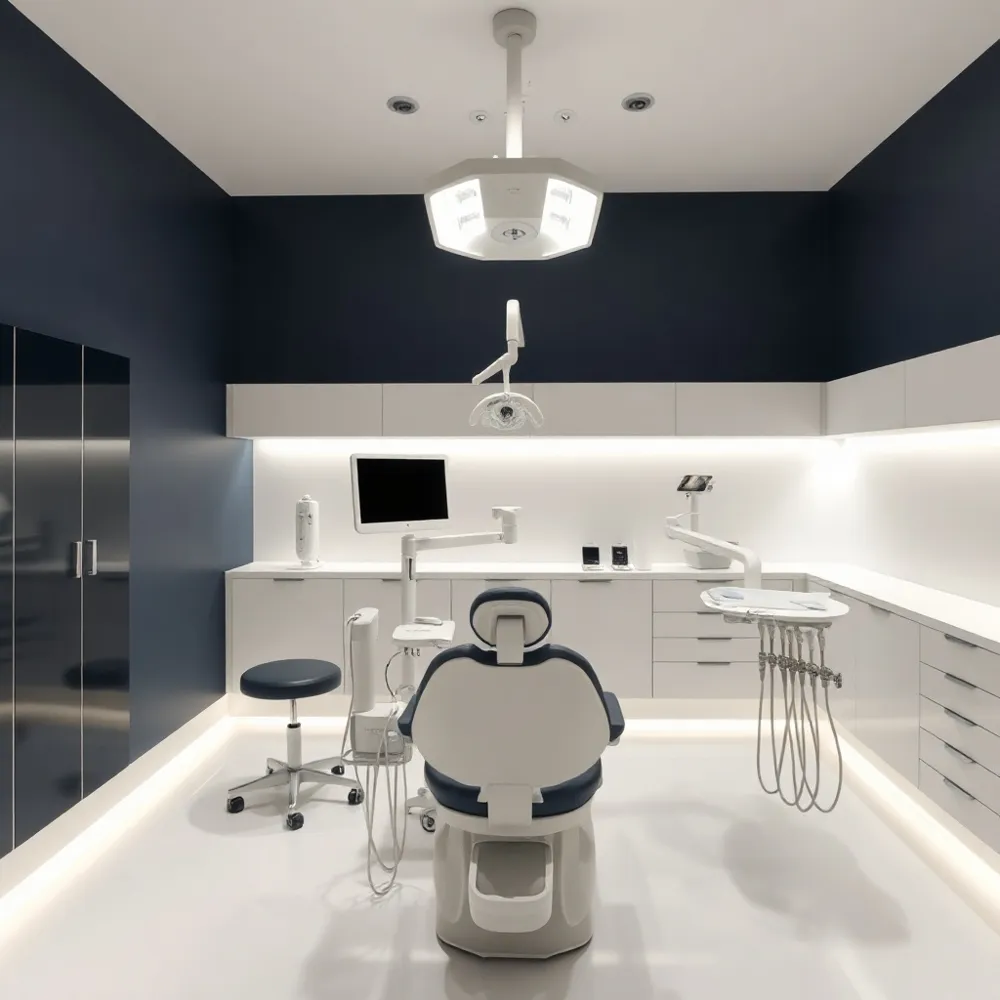 What are the common symptoms and early warning signs of oral cancer? Common symptoms of oral cancer include persistent sores that bleed easily or fail to heal, as well as the appearance of unexplained red (erythroplasia) or white (leukoplakia) patches within the mouth. Patients should also be alert for any thickening, lumps, or rough spots on the gums, tongue, or inner cheek lining that can be felt with the tongue. Additional warning signs may include difficulty chewing, swallowing, or moving the jaw, along with persistent numbness or a feeling that something is caught in the throat. Because these early indicators can often be subtle, scheduling regular dental examinations at our Somerville practice is a vital part of your preventive health care. If you notice any lasting changes to the oral tissues, we encourage you to reach out for a professional evaluation so we can ensure your smile remains healthy and protected.
Distinguishing between routine dental irritations and potential malignancies can be difficult without expert intervention. While a minor gum abrasion from a toothbrush might resolve in a few days, oral cancer Foundation guidance suggests that any sore, discoloration, or irritation that persists beyond two weeks requires a professional review. At drparrella.com, we emphasize that common issues like apthous ulcers or irritation from dental appliances may mimic early-stage cancer symptoms, yet they lack the permanence of a developing tumor.
The Mayo Clinic notes that early-stage symptoms are frequently painless, making regular screenings the best strategy for detection. When you contact our office regarding new mouth symptoms, our team performs a systematic assessment to check for abnormalities that warrant further investigation. We encourage patients to address any physical changes promptly rather than waiting for their next scheduled visit, so we can provide timely care and peace of mind.
Understanding the Screening Process
A standard, professional oral cancer screening involves a careful visual and manual inspection of the head, neck, face, lips, and entire oral cavity. At drparrella.com, we prioritize a thorough approach where our team examines areas such as the tongue, throat, palate, and gum tissue to identify any suspicious lesions, asymmetries, or tissue irregularities. Unlike some busy dental franchises that may conduct only a cursory visual glance, we emphasize the importance of meticulous digital palpation to feel for lumps or firm tissue that might not be visible to the naked eye.
How is oral cancer screening performed in a dental office?
While these visual and physical assessments remain the core of your visit, we may incorporate specialized light-based technology as a supplemental tool. These fluorescence-based systems can help highlight tissue changes, but they cannot definitively diagnose disease. It is vital for patients to understand that screenings are not diagnostic tools; they are intended to flag areas for further investigation. Because many oral abnormalities are benign, you should not panic if your dentist suggests closer monitoring or a follow-up visit.
If, during your exam, our clinicians discover a persistent sore, a red or white patch, or an unexplained lump that fails to resolve within two weeks, we will recommend a biopsy. This procedure is the gold standard for a definitive diagnosis, as it allows an expert pathologist to analyze a tissue sample under a microscope. Seeking this diagnostic clarity is the most responsible path toward either peace of mind or timely, effective treatment, should it be necessary.
Survival and Early Treatment Potential
Can oral cancer be cured if detected early? Yes, when oral cancer is detected in its earliest stages, such as Stage 1, the likelihood of a successful outcome improves significantly. At this stage, the tumor is small and localized, meaning it has not spread to lymph nodes or distant parts of the body. Treatment typically involves surgery to remove the cancerous tissue, sometimes followed by radiation therapy to ensure all malignant cells are addressed while aiming to preserve oral function. Because early detection is so critical to survival, we prioritize thorough oral cancer screenings during your routine dental exams at our drparrella.com dental office. Regular check-ups allow us to identify concerning changes in the mouth early, ensuring you receive prompt care when it is most effective.
The prognosis for patients is starkly different based on how quickly a malignancy is identified. According to the Oral Cancer Foundation, survival rates tend to be higher when oral and oropharyngeal cancer is caught in a localized stage compared to when it has spread. While some complex systemic cases carry lower survival rates, early-stage intervention often allows for smaller, less invasive procedures that help preserve your ability to speak, chew, and swallow normally. At drparrella.com, we ensure that your preventive care includes consistent monitoring, which research suggests is associated with identifying smaller tumors that often respond well to treatment.
- Clinical staging uses the TNM system to evaluate tumor size and spread, directly determining the necessary course of action.
- Early, localized diagnosis often allows for surgical removal alone, bypassing more aggressive therapy requirements.
- Regular surveillance is essential for survivors, as individuals who have faced one instance of oral cancer remain at higher risk for subsequent primary tumors.
Addressing Misconceptions: Is Mouth Cancer Contagious?
Frequent questions in our blog often touch on concerns regarding the spread of oral conditions. The short answer to whether mouth cancer can be caught like an infection is no. Oral cancer is not contagious, and you cannot spread it to others through kissing, sharing utensils, or saliva exchange.
The disease develops when cells within the mouth undergo mutations in their DNA, leading to uncontrollable growth rather than an infectious invasion. While human papillomavirus (HPV) is a noted risk factor for certain oropharyngeal cancers, the cancer itself is not a communicable disease. You cannot transmit the malignancy to someone else even if your own diagnosis is linked to an underlying viral mechanism.
At drparrella.com, we provide compassionate care focused on your long-term oral health. Unlike the common illnesses passed through contact, maintaining good oral hygiene and keeping up with your regular dental exam remains the best way to safeguard against oral complications. If you have concerns about unusual growths or sores, contact our Somerville office for a professional assessment.
Navigating Insurance and Preventive Care Coverage
Oral cancer screenings are a standard part of a comprehensive dental examination at our practice. Early detection is the most effective way to improve treatment outcomes, and our goal is to make this vital service as accessible as possible.
Because these screenings are classified as preventive care, many dental insurance plans include them as part of your routine checkup. However, coverage can vary, and it is always a good idea to confirm with your provider how they classify and cover this service.
If we recommend advanced diagnostic technologies during your screening, we will clearly discuss any costs that may not be covered by your plan before proceeding. Our team at drparrella.com is happy to help you understand your benefits and advocate for the care you need.
Commit to Your Oral Health and Take Action
Early detection is the most effective tool available to improve survival rates, which can exceed 85% when oral cancer is caught in its initial stages. At drparrella.com, our routine examinations integrate thorough manual and visual screenings into every visit, providing you with a proactive defense that many other clinics skip as a standard practice.
Beyond bi-annual appointments, you can support your health by monitoring your mouth for persistent sores or unusual patches and avoiding known risk factors like tobacco and excessive alcohol. We invite you to book your next checkup today. Prioritizing these simple, non-invasive screenings today is a powerful investment in your long-term wellness and peace of mind.