Prioritizing Your Oral Health Through Modern Diagnostic Technology
At drparrella.com, our practice is rooted in a commitment to your long-term wellness. We believe that using modern diagnostic tools is central to providing the high-quality care that local families deserve. While dental radiography has long been a staple of dentistry, we have moved beyond legacy film methods to focus on approaches that prioritize your comfort and safety.
Digital imaging technology allows us to provide a more efficient and patient-friendly experience during your first appointment. Unlike traditional film, which requires time-consuming chemical development, digital sensors provide near-instant results. This enables us to discuss your oral health status with you in real time, making the diagnostic process a collaborative conversation rather than a mysterious procedure.
Safety is always our priority, which is why we strictly follow the ALARA principle. By using advanced imaging, we can significantly reduce radiation exposure compared to outdated conventional systems. This modern approach not only protects your health but also ensures that our team can detect issues like decay or bone loss with greater clarity, helping us address small concerns before they require complex treatment.
Understanding the Safety and Necessity of Dental X-Rays
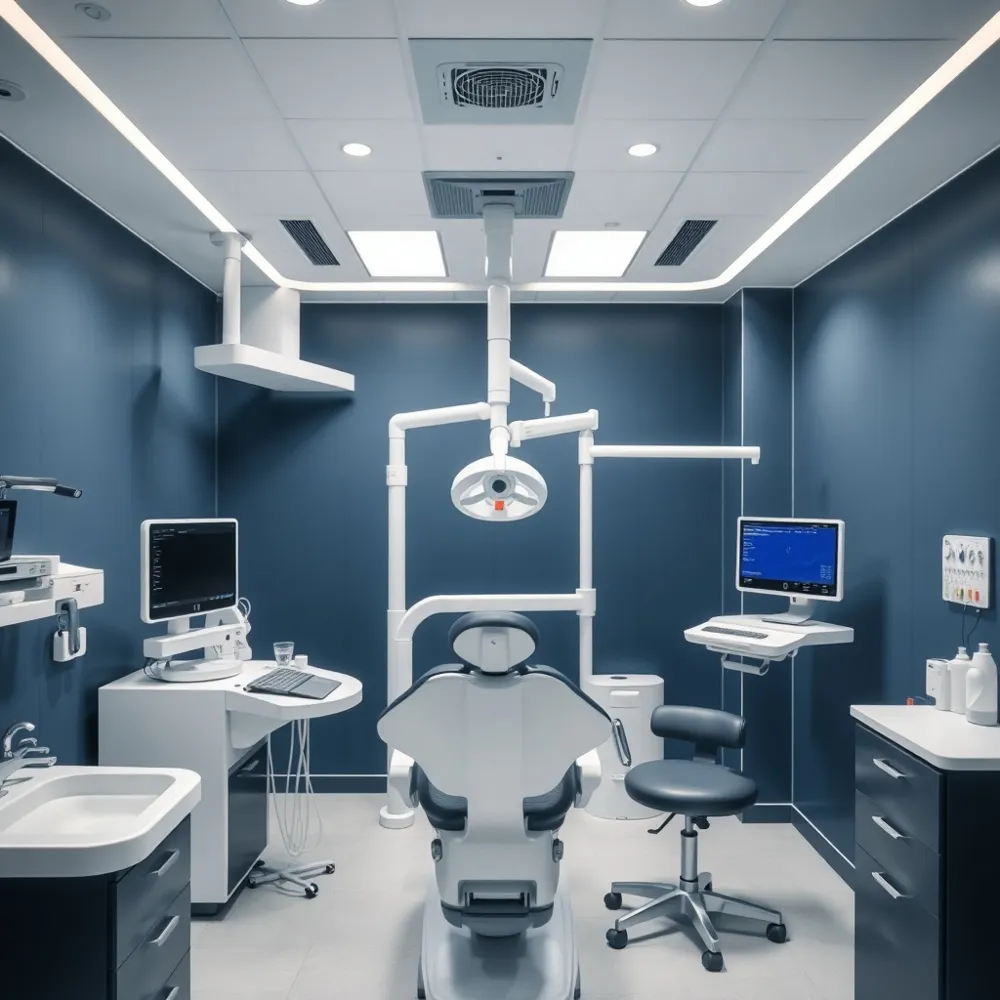 At drparrella.com, we prioritize your long-term wellness by using dental radiography as a cornerstone of preventive care. While visual exams are a standard part of your visit, many critical health issues remain hidden under the surface, including small cavities between teeth, early-stage bone loss, or abscesses at the root. Diagnostic imaging allows us to see these conditions before they progress into painful or expensive problems.
A common question is whether these exams are safe. Modern diagnostic tools have made significant strides, with digital X-rays now emitting 80% to 90% less radiation than traditional film-based methods. In fact, the dose from a full-mouth series is roughly equivalent to the natural background radiation you encounter daily from simply existing in the environment, such as through high-altitude travel or exposure to certain building materials around your home.
We strictly follow the ALARA principle (As Low As Reasonably Achievable), ensuring every image captured provides maximum diagnostic value with minimal exposure. This commitment to safety is supported by research emphasizing that keeping doses to an absolute minimum is an essential standard for modern practice. For specialized needs, we individualize your imaging schedule, as the frequency of X-rays is determined by your specific oral health profile rather than a one-size-fits-all timeline.
While some studies on health effects suggest careful management of radiation exposure, the consensus is that the benefit of early detection far outweighs the minimal risks involved. By identifying issues at the earliest possible stage, we help you avoid invasive procedures, ensuring your care is both effective and comfortable. Our team stays current with these advancements to ensure your family receives high-resolution, low-radiation imaging that aligns with updated safety benchmarks for patient care.
Core Advantages and Functionality of Digital Radiography Systems
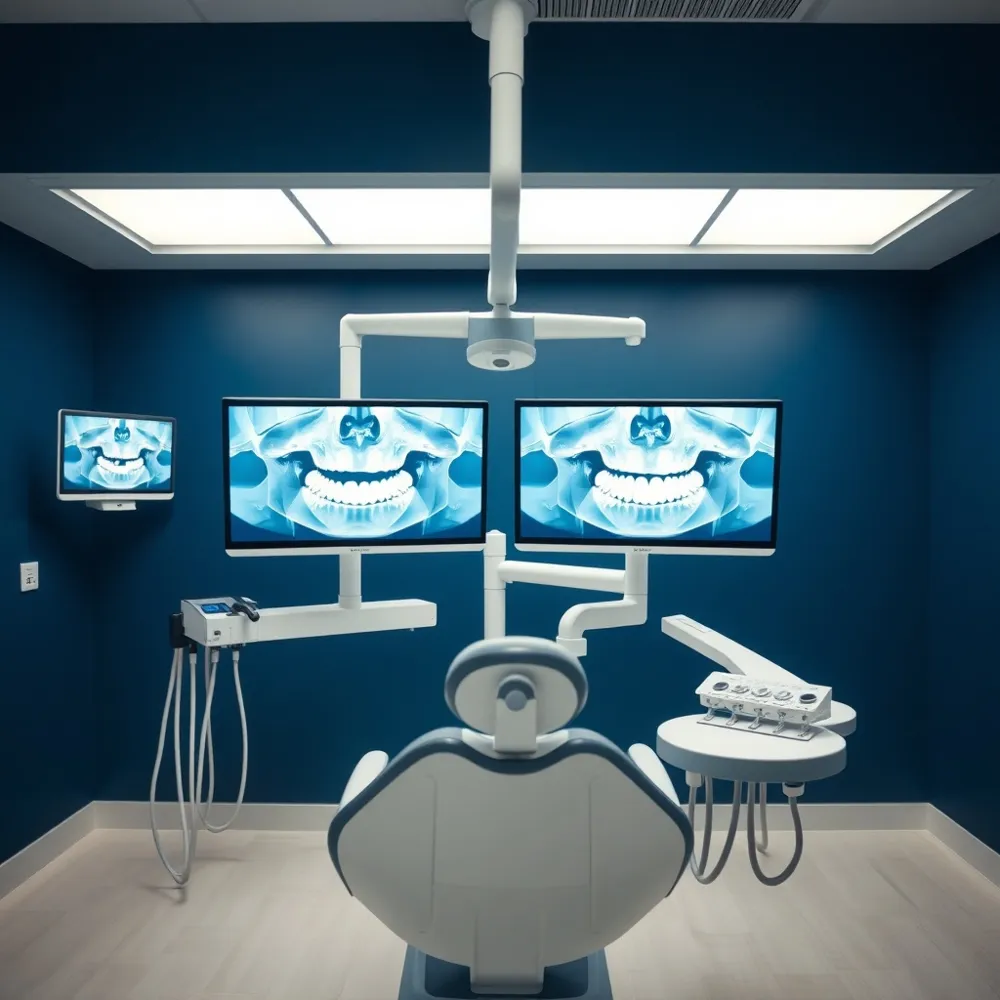 At drparrella.com, we replace traditional film with advanced electronic sensors to capture highly detailed images of your teeth and supporting structures. This transition to digital radiography offers a significant departure from older systems that relied on chemical processing, which generated hazardous waste. By using electronic sensors, our practice produces high-definition, immediate visual results that allow for a more efficient and comfortable dental visit.
What are the advantages of digital dental X-rays over traditional film?
Digital dental X-rays provide significant advantages over traditional film by reducing radiation exposure by up to 90 percent per Cleveland Clinic data, ensuring a safer experience for our patients. These high-speed sensors capture images that appear instantly on our screens, allowing for real-time reviews to discuss your oral health with clarity and transparency. Because these digital files can be easily enlarged, adjusted for contrast, and compared side-by-side with previous visits, we can achieve more precise diagnostics and monitor your dental health trends over time. Furthermore, digital images can be securely stored or transferred to specialists in seconds, streamlining your care. Ultimately, this technology combines superior diagnostic accuracy with increased efficiency and comfort to help your family maintain healthy, beautiful smiles.
How do digital dental X-rays work?
Digital dental X-rays replace traditional film with electronic sensors to capture detailed images of your teeth and oral structures. Digital imaging tools produce high-definition, immediate visual results that can be easily enlarged or enhanced for greater diagnostic accuracy. Beyond providing clearer images, digital radiography is a patient-centered improvement that significantly reduces radiation exposure by up to 90 percent compared to conventional film. This enables our team to detect, monitor, and treat oral health concerns with enhanced precision and your comfort in mind. At drparrella.com, our digital platforms allow us to minimize health risks and provide smoother care transitions for every patient.
Comprehensive Diagnostic Imaging Types and Interpretation
For residents of Somerville, MA, visiting drparrella.com for a comprehensive oral examination involves more than a simple visual check. We employ various diagnostic imaging methods to look beneath the surface of your gums and bone.
What are the common types of dental X-rays used in practice?
We categorize these diagnostics into two primary methods. Intraoral X-rays require placing a sensor inside your mouth to capture high-resolution imagery, while extraoral X-rays capture a larger view from outside the mouth. Within the intraoral set, we use bitewing X-rays to detect decay between back teeth Dental X-rays: Purpose & Types. Periapical X-rays provide a view of an entire tooth, from crown to root, helping us assess abscesses or bone health. For broader views, we utilize panoramic X-rays, which offer an overview of the jaw, sinuses, and TMJ. These scans help us track hidden issues like bone loss or impacted teeth far earlier than visual inspection alone.
How can patients identify healthy versus unhealthy teeth in an X-ray?
Understanding your own imaging is easier when you recognize that brightness corresponds to density. The enamel of a healthy tooth appears as bright, dense white, while metallic restorations like crowns appear even brighter. In contrast, decay or infections appear darker or gray because these areas are less dense, allowing the radiation to pass through Dental radiography. The center of your tooth containing the nerve also appears as a dark space. Identifying these variations helps us explain your care needs clearly.
Can a dentist use X-rays to examine the temporomandibular joint (TMJ)?
Yes, we monitor the TMJ when patients report pain or clicking. While panoramic scans can reveal significant structural damage or bone irregularities, advanced tools like Cone Beam Computed Tomography allow us to view complex joint anatomy in three dimensions. For subtle soft-tissue changes, further consultation or advanced imaging may be advised. We prioritize your comfort by using images to guide precise, personalized treatment plans during every visit.
Sustainability and Long-Term Oral Health Commitment
 At drparrella.com, our practice prioritizes dental radiography through a lens of environmental responsibility. Unlike legacy film methods that rely on caustic chemical developers and hazardous waste disposal like lead foil, modern digital sensors eliminate these materials entirely. This transition ensures our office maintains a smaller environmental footprint while providing precise diagnostic care.
Beyond our equipment choices, we integrate diagnostics into a strictly preventive care philosophy. By utilizing electronic health records, we securely archive your imaging history to track oral health trends without the need for redundant radiation exposure. This proactive approach allows us to coordinate care with specialists instantly, ensuring your treatment plan remains accurate and future-proof.
What is the 3-3-3 rule in oral health?
The 3-3-3 rule is a helpful guideline for maintaining oral hygiene: brush your teeth three times a day, for three minutes each session, and avoid eating or drinking for three hours before going to bed to prevent plaque buildup and reduce the risk of decay. Consistent home care combined with your regular comprehensive oral examination at drparrella.com forms the foundation of a healthy, lasting smile.
Partnering with Your Family for a Lifetime of Healthy Smiles
At drparrella.com, we believe that modern diagnostic tools serve as more than just hardware; they are a promise to our community. By choosing digital radiography, which exposes patients to 80% to 90% less radiation than traditional film, we ensure that your family receives the safest care possible while adhering to ALARA guidelines.
Compassionate technology allows us to catch issues early, making treatment planning more predictable and accessible. We invite you to visit our office for a comprehensive oral examination where you can visualize your treatment needs alongside us. We look forward to building a foundation of health that lasts for generations.