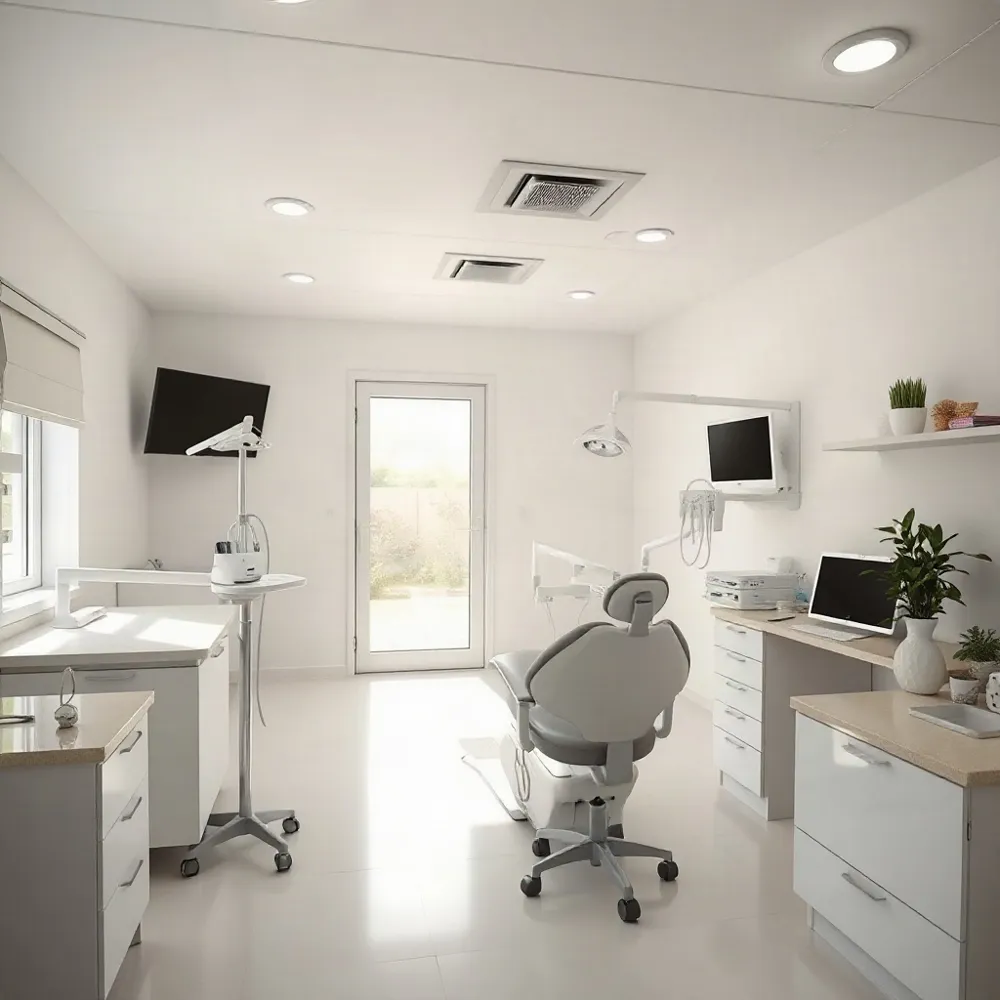
Care That Starts With Your Priorities
A dental care plan should reflect more than examination findings. It can bring together a dentist’s clinical assessment and the patient’s concerns, preferences, daily routines, and goals. This shared approach helps shape a plan around what is appropriate for the teeth and gums and realistic for the person receiving care. General health-care research describes personalized planning as a discussion in which patients and clinicians agree on goals and practical next steps, though that evidence is not specific to dentistry (Cochrane review of personalized care planning).
The sections that follow explain general steps in dental planning, from assessment to prioritizing treatment and revisiting decisions. They are educational guidance, not a description of specific procedures or policies at Dr. Parrella’s practice. Individual recommendations depend on a patient’s examination, health history, and conversation with their dental team.
What Makes a Dental Plan Personal
 A dental treatment plan is an outline of recommended care, possible priorities, and next steps based on an examination. It helps connect what a dentist finds with decisions about treatment and ongoing oral health.
Planning draws on two kinds of knowledge. The dentist brings clinical understanding of oral health and suitable treatment options; you bring knowledge of your goals, daily routines, preferences, and practical limits. General research on personalized care planning describes this kind of shared discussion, though its findings concern long-term health conditions rather than dental care specifically.
Recommendations may reflect your dental and medical history, current condition, and diagnostic images when appropriate. Comfort, timing, work or family commitments, and budget can also affect which clinically suitable options feel manageable. A review of dental treatment planning describes examining concerns, considering whether treatment is needed, discussing alternatives, and involving the patient in the choice.
At drparrella.com, personalized, comprehensive care is framed around clear communication and attention to each patient’s circumstances. You can ask why a recommendation is being made, what alternatives may be appropriate, and whether monitoring is reasonable. Planning is a conversation, not simply a choice from a fixed checklist, and the agreed next steps should make sense for your health and everyday life.
A Thorough Examination Builds the Foundation
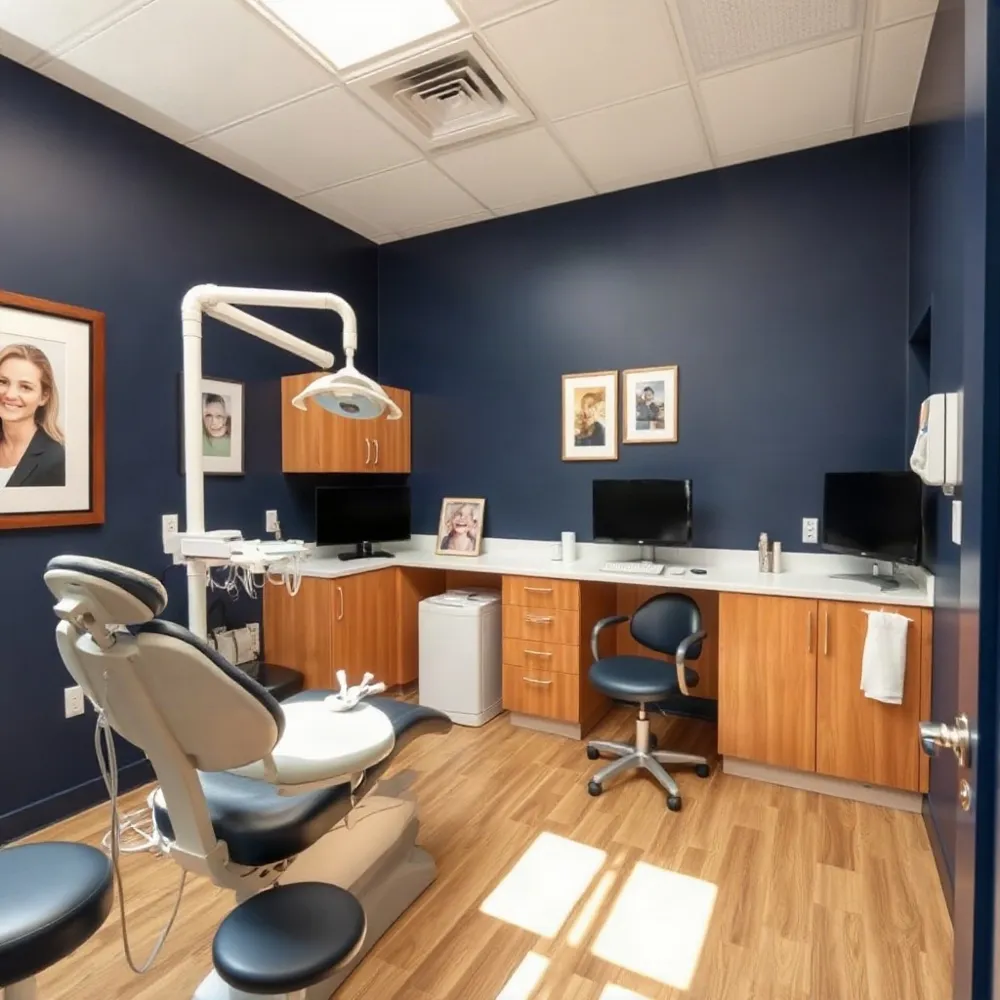 A useful examination starts with a conversation. Your dentist can review your medical and dental history, ask about changes you have noticed, and hear what you would like help with. These details provide context for the clinical findings and help shape recommendations around your circumstances. The personalized care planning process emphasizes combining clinical knowledge with the patient’s own goals and experience; that review concerns long-term health care generally, not dental outcomes specifically.
The clinical assessment may include each tooth, the gums, supporting tissues and bone, bite, and existing fillings, crowns, or other restorations. The dentist looks for changes such as decay, cracks, wear, or inflammation, while considering how the findings relate to your overall oral health. A dental treatment plan should respond to the individual patient and condition, rather than treating each tooth as an isolated checklist, as described in dental treatment-planning guidance.
A visual exam may not show every concern. X-rays or other imaging can help assess areas that are difficult to see directly, but the dentist decides whether imaging is appropriate based on your history, examination, and current needs. An oral cancer screening may also be included, and photographs or charting can document findings and help track changes at later visits. These tools support assessment, but no single test is necessary for every patient.
After the examination, the dentist can explain what was found in clear language and discuss what may need treatment, what can be prevented, and what may be monitored. At drparrella.com, care is described as personalized and comprehensive, with clear communication helping patients understand recommendations and discuss their concerns. The resulting plan can reflect both clinical findings and what matters to you.
From Findings to Prioritized Care
 Once the examination is complete, the dentist can bring the findings together with your health history, concerns, and goals. The next step is to explain what was found, discuss suitable options, and agree on which needs should be addressed first. This shared approach reflects general principles of personalized care planning, while dental decisions still depend on an individual clinical assessment.
Pain, infection, swelling, or a problem that affects eating may need attention before other care. After urgent concerns are managed, a plan may focus on controlling active disease, then consider restorative or cosmetic treatment and ongoing maintenance. Dental planning literature describes these as phases that can be adapted to the patient rather than a fixed sequence for everyone (treatment planning in conservative dentistry).
For complex care, dividing treatment into stages can make the process easier to manage. A period of healing or reassessment may follow initial treatment, giving the dentist and patient a chance to review the response before deciding on later steps. At drparrella.com, comprehensive care and clear communication are part of the practice’s stated approach; patients can discuss questions and priorities with the dental team as the plan takes shape.
Not every finding calls for immediate treatment. When clinically appropriate, monitoring a concern may be one option, alongside treatment alternatives and their benefits, risks, and costs. The right choice depends on the condition and the patient’s circumstances.
Timing and order vary from person to person. Changes in health, daily responsibilities, or preferences can affect what feels manageable, so recommendations may be revisited as care progresses. A plan is a guide for discussion, not a promise that every step must happen at once.
Planning Care for Gum Disease
The right approach to gum disease depends on what an examination shows, including the condition of the gums and supporting bone. Gum measurements and imaging, when needed, help the dentist assess the extent of the problem and explain which options may suit your situation. Dental treatment planning is an individualized process that weighs findings, alternatives, and the patient’s preferences.
Care often starts by controlling plaque and inflammation. Depending on the findings, this may involve a professional cleaning or scaling and root planing, a deeper cleaning that removes deposits from below the gumline. Guidance for brushing, cleaning between teeth, and other home-care steps can be tailored to help you maintain the results.
Initial treatment is followed by reassessment. Once the gums have had time to heal, the dentist can check how they have responded and discuss whether further treatment or coordination with another dental professional is appropriate. A plan is not a fixed list of procedures; it can be revised as findings and needs change. This staged approach is described in dental treatment-planning guidance.
At drparrella.com, care is described as personalized and comprehensive, with attention to each patient’s health history and concerns. Ongoing checkups and periodontal maintenance help the dental team monitor gum health and respond to changes. Visit timing should reflect individual risk and clinical findings, rather than assuming one schedule fits everyone. Patients can also review what to expect at a dental visit as they prepare to discuss their gum health.
Comfort During Scaling and Root Planing
Scaling and root planing is often manageable, and your dental team can discuss ways to reduce discomfort before treatment begins. At drparrella.com, care is grounded in clear communication and attention to each patient’s concerns, so it is reasonable to ask questions or share any worries about the procedure.
A local anesthetic may be used to numb the area. During treatment, you may feel pressure, scraping, or vibration. If you experience pain, tell the dentist or hygienist; they can pause and consider an adjustment. Local anesthetic is one option for comfort during periodontal treatment, and patients can discuss what to expect during a periodontal therapy visit.
Some temporary gum tenderness or sensitivity to cold can occur afterward. The experience varies, so follow the aftercare instructions from your dental team rather than assuming a particular recovery timeline. If anything is unclear, ask how to care for your gums and what changes to watch for.
Contact the dental office if discomfort worsens, swelling develops, or symptoms do not improve. A follow-up conversation can help the team assess your concerns and advise on an appropriate next step. You do not need to wait for a scheduled visit if you are worried about how you are feeling.
A Plan You Can Revisit Together
A useful dental plan brings examination findings together with what matters to you, explains suitable options in clear language, and leaves room to review progress. Dental treatment planning guidance emphasizes reassessment and patient involvement, rather than treating recommendations as a fixed list (treatment planning in conservative dentistry).
Before deciding on next steps, ask about benefits, risks, alternatives, and what can be monitored. Share any questions about comfort, timing, or practical concerns with your dental team. At drparrella.com, care is described as personalized and comprehensive, with a community focus in Somerville.