A Visit Built Around Your Questions
A dental hygiene appointment is more than a cleaning. It is a chance to talk about what you have noticed, learn practical ways to care for your teeth at home, and ask what the dental team sees during the visit. Questions about brushing, cleaning between teeth, or a change in your mouth can help make the conversation useful and specific to you.
If you feel nervous or need a pause, say so. A hygienist can check in and adjust the visit to help you feel more at ease, as guidance for patient-centered conversations describes. At drparrella.com, a family-run Somerville practice, clear communication is part of personalized care. You do not need to arrive with perfect wording: sharing a concern in your own words gives the team a starting point for helpful guidance.
Dental Cleaning and Home Care
- Professional cleanings remove hardened tartar that brushing and cleaning between teeth at home cannot remove.
- Ask your hygienist what they noticed, such as plaque, tartar, gum irritation, or other changes, and whether anything needs follow-up.
- Cleaning frequency depends on individual oral health and risk factors; six-month visits are common but are not right for everyone.
- A hygienist can show you which areas to focus on and help choose a brushing or interdental-cleaning method that suits your needs.
- Tell the dental team about sensitivity, bleeding, or other symptoms; persistent bleeding or ongoing sensitivity should be professionally evaluated.
- Before a cleaning, discuss anxiety or discomfort and ask about explanations, breaks, a stop signal, and available comfort options.
- A routine cleaning often includes an examination, scaling to remove plaque and tartar, polishing, and sometimes flossing.
- For daily care, brush twice a day for two minutes with fluoride toothpaste and clean between teeth once a day with a suitable tool.
- Flossing before brushing is reasonable, but either order can work if you clean between your teeth thoroughly and consistently.
- Before your appointment, note questions and symptoms, bring any needed identification or insurance information, and tell the team about health or medication changes.
1. Ask What Your Cleaning Reveals
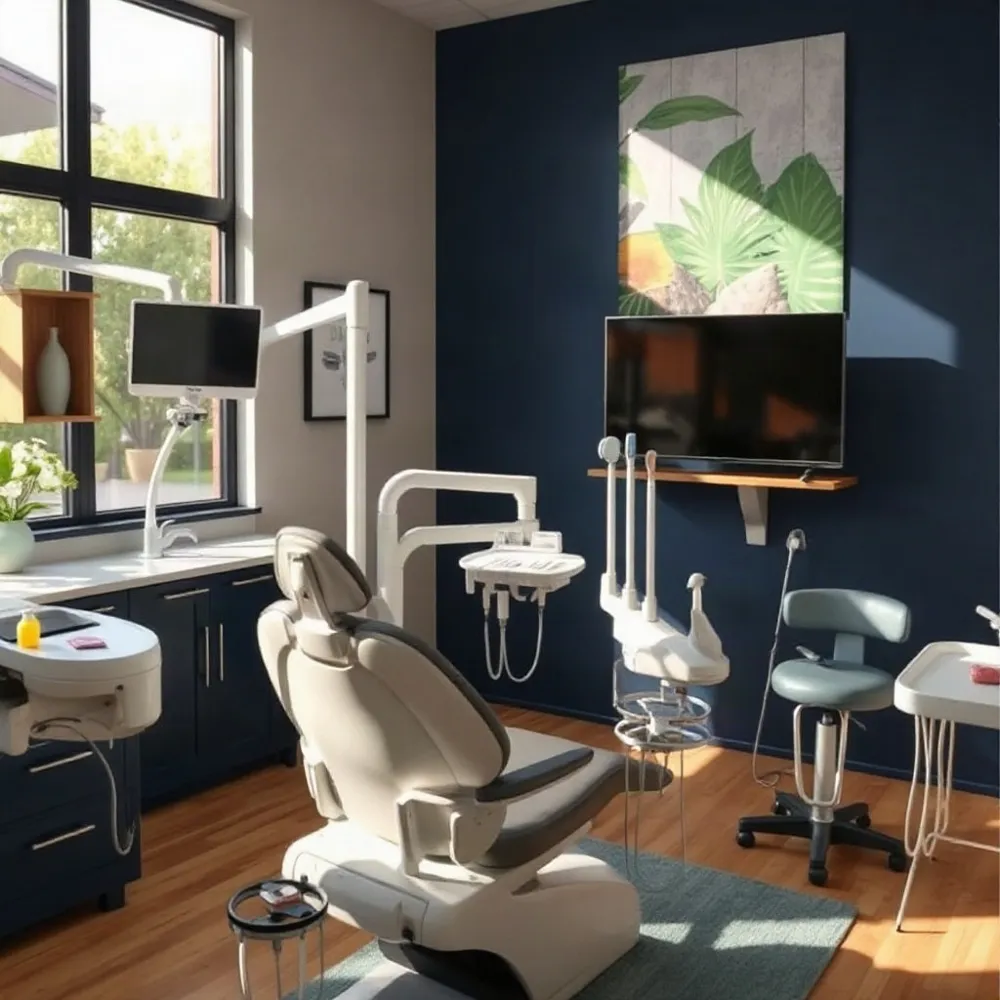 Try asking, “What did you notice while checking my teeth and gums?” Your hygienist can point out areas with plaque or hardened tartar, gum irritation, or other changes, and explain whether anything needs follow-up. Professional cleaning removes deposits that brushing at home may not reach.
The National Institute of Dental and Craniofacial Research explains that plaque left on teeth can harden into tartar, which a dental professional must remove. Asking what the cleaning revealed can help you understand where home care may need attention and what the findings mean for your oral health.
If the dentist or hygienist recommends fluoride, sealants, or imaging, ask why it fits your needs and what it is intended to address. Recommendations depend on individual findings and risk. At drparrella.com, care is personalized for patients and families, with clear explanations of observations and proposed next steps.
For a closer look at what hygienists may notice during a visit, see what a professional cleaning involves.
2. Ask How Often to Return
Try asking, “How often should I schedule my next cleaning?” Six-month visits are common, but they are not the right interval for everyone. Your dental team can recommend a schedule based on your oral health and personal risk factors.
Gum disease, a higher risk of cavities, some medical conditions, and orthodontic treatment may affect how often you need professional care. The American Dental Association’s guidance on preventive visits supports tailoring visit frequency to individual risk rather than applying one schedule to every patient.
At drparrella.com, preventive care is part of personalized dental care for local families. Ask the team what interval fits your needs and whether changes in your health or home-care routine should prompt an earlier visit. For more on how timing can vary, see the recommended frequency of dental cleanings.
3. Ask Where Home Care Can Improve
- Ask Where Home Care Can Improve
Try asking, “Which areas should I focus on when brushing and cleaning between my teeth?” Your hygienist can point out spots where plaque tends to remain and show you how to reach them. The inner surfaces of teeth and the tight spaces between them can be easy to miss.
A demonstration can help you adjust your brushing angle or the way you clean between teeth. The National Institute of Dental and Craniofacial Research recommends cleaning all tooth surfaces and regularly cleaning between teeth, while noting that a dental professional can advise on suitable tools.
Ask whether floss, an interdental brush, or another tool may work better for your mouth. Braces, tight spaces, or limited hand dexterity can affect which option is easiest to use. The aim is a routine that fits your needs and that you can maintain consistently.
At drparrella.com, preventive care includes personalized guidance from a family-run dental practice in Somerville, so you can discuss practical changes that suit your oral health and daily routine.
4. Ask About Symptoms and Bleeding
- Ask About Symptoms and Bleeding:
Try asking, “What could be causing my tooth sensitivity or bleeding gums?” Mention discomfort or bleeding even if it comes and goes. Your hygienist can assess what you describe and help decide whether it needs follow-up.
These symptoms can have several causes. Sensitivity may be associated with gum recession, enamel erosion, or grinding, while bleeding can relate to plaque buildup, brushing habits, or gum inflammation. Symptoms alone do not establish a diagnosis, so describe when they occur and what seems to trigger them.
Plaque left near or below the gumline can irritate gums and contribute to gingivitis, which may cause redness, swelling, or bleeding, according to the National Institute of Dental and Craniofacial Research. Persistent bleeding or ongoing sensitivity deserves professional evaluation. At drparrella.com, patients can discuss these concerns with a dental team that emphasizes personalized preventive care and clear communication.
Before the appointment, note whether symptoms occur during brushing, flossing, or eating. This detail can help the team assess your concern and explain appropriate next steps.
5. Ask What Will Keep You Comfortable
 5. Ask What Will Keep You Comfortable
Before the cleaning begins, ask, “What should I expect, and what can we do if I feel uncomfortable?” A routine visit often includes an examination, scaling to remove plaque and tartar, and polishing. Flossing may also be part of the appointment. Cleveland Clinic’s guide to dental cleanings describes these common steps and notes that the time needed can vary.
Tell the hygienist about anxiety, sensitivity, or discomfort from past visits. You can ask for an explanation, a pause, or a discussion of available comfort options. Agreeing on a signal to stop can help you feel more in control. At drparrella.com, the dental team’s personalized approach supports clear communication about your comfort and care.
If your teeth feel sensitive or your gums are sore afterward, ask what aftercare is appropriate for you. The team can explain what to expect and when to get in touch if discomfort does not improve.
Why Regular Cleanings Matter
Brushing and cleaning between teeth help control plaque, but they cannot remove tartar once it has hardened. During a professional cleaning, a hygienist removes buildup that may contribute to tooth decay and gum disease, while checking the gums for irritation or bleeding. The National Institute of Dental and Craniofacial Research explains why tartar needs professional removal.
These visits complement, rather than replace, daily home care. At drparrella.com, preventive appointments also give patients time to raise concerns and discuss care recommendations with the dental team. Your clinician can help set a return schedule based on your oral health and risk factors, rather than assuming the same interval suits everyone. For more on what a cleaning can address, see why regular cleanings matter.
Preparing for Your Appointment
Most cleanings require no special preparation. Keep to your usual brushing and flossing routine, and brush before you leave if convenient. There is no need to scrub harder or floss more forcefully than usual. If you are unsure what to expect, preparing for your first cleaning offers more guidance.
Bring insurance information and identification if the office needs them. Jot down questions or concerns, and tell the dental team about changes in your health or medications, any symptoms, or anxiety about treatment. Sharing this information helps the team tailor the visit; the National Institute of Dental and Craniofacial Research also recommends asking whether your brushing and cleaning-between-teeth methods suit your needs.
Arrive with enough time to check in and settle in. If you have questions about paperwork, timing, or what to bring, contact drparrella.com before your appointment. Clear communication helps the team prepare for your visit and address your concerns.
Understanding Cleaning Discomfort
Gingivitis Despite Daily Care
Yes. Brushing and flossing every day lower the risk, but plaque can remain along the gumline or between teeth. If it is not removed, plaque may harden into tartar, which a dental professional must remove during a cleaning. The National Institute of Dental and Craniofacial Research notes that plaque below the gumline can irritate gums and lead to gingivitis.
Smoking, hormonal changes, diabetes, genetics, and other health factors can also affect gum health. Red, swollen, tender, or bleeding gums are reasons to arrange a dental visit rather than assume daily care is enough. Early gingivitis is often reversible with appropriate care, and the dental team can help identify missed areas and tailor advice to your needs. At drparrella.com, hygienists and dentists work together to explain findings and practical next steps.
A Practical Daily Routine
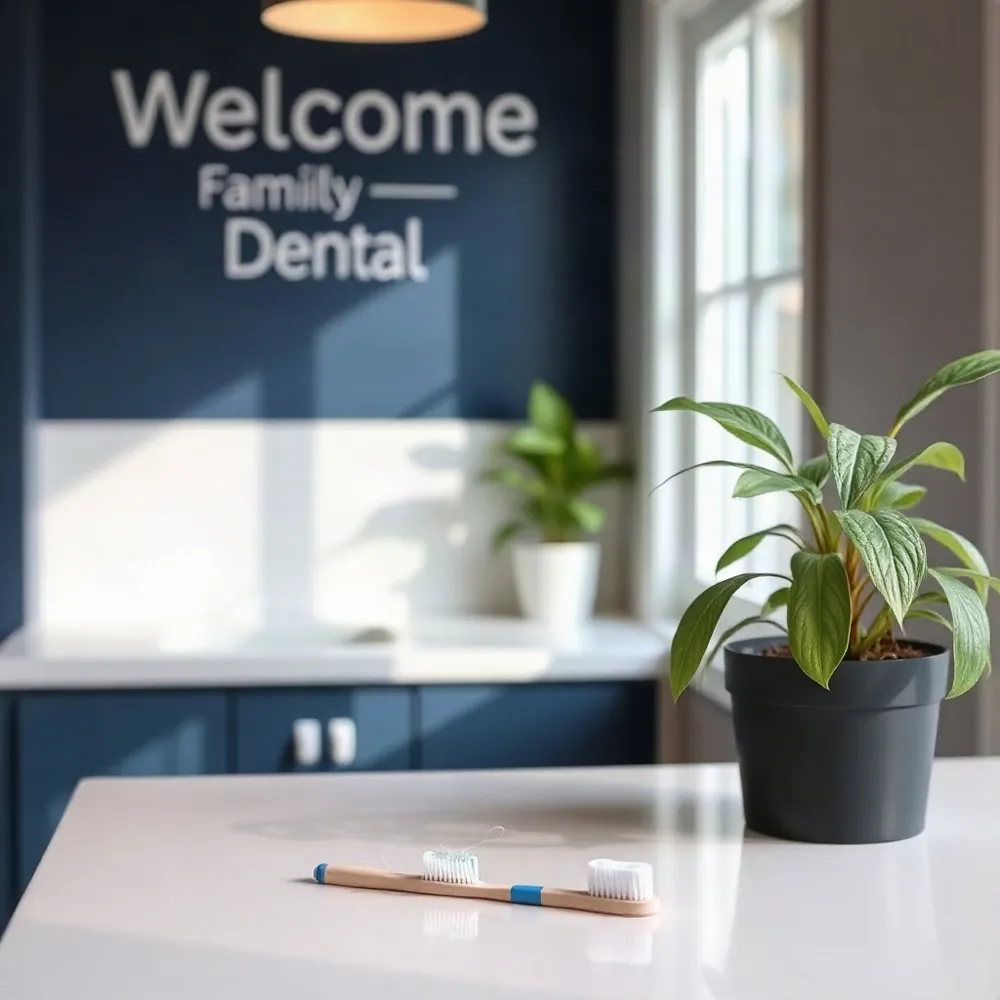 A steady routine helps remove plaque from the tooth surfaces and the spaces a toothbrush cannot reach. Brush twice a day for two minutes with fluoride toothpaste and a soft-bristled brush. Use gentle strokes, angling the bristles toward the gumline, and clean the inside, outside, and chewing surfaces of every tooth. NHS guidance on keeping teeth clean also advises spitting out excess toothpaste without rinsing straight away.
Clean between your teeth once a day with floss or another suitable interdental cleaner. Ease the tool gently along each tooth and just beneath the gumline rather than forcing it. If floss is difficult to use, a hygienist can help you choose and practise another option. The American Dental Association’s home-care guidance notes that the best method is one that fits your needs and that you can use regularly.
Replace your toothbrush every three to four months, or sooner if the bristles become frayed. At drparrella.com, patients can discuss their brushing technique, preferred tools, and oral-health needs with the dental team to shape a routine that works for them.
Choosing When to Floss
Should I floss before or after brushing? Flossing first is a reasonable choice: it can loosen plaque and food between teeth, and brushing afterward can clear away debris. The NHS tooth-cleaning guidance also recommends flossing before brushing.
Either order can work if you clean between your teeth thoroughly and consistently. Aim to clean between teeth once a day and brush twice daily with fluoride toothpaste. The American Dental Association’s home-care guidance notes that the right interdental tool can depend on your needs and preferences.
Braces, gum concerns, or difficulty using floss may call for a different technique or tool. Ask your hygienist to demonstrate an approach suited to your teeth and care needs. At drparrella.com, preventive guidance is part of the practice’s personalized dental care.
Home Care and Professional Cleanings
Can I clean my teeth effectively at home without professional dental cleanings? Daily brushing with fluoride toothpaste and cleaning between teeth help control plaque, but they cannot safely remove tartar after it hardens. A dentist or hygienist needs to remove these deposits during a professional cleaning, as explained by the National Institute of Dental and Craniofacial Research.
Regular visits also give the dental team a chance to check your teeth and gums and offer guidance suited to your needs. At drparrella.com, care is provided by a family-run Somerville practice that emphasizes personalized, comprehensive dental care.
There is no single cleaning schedule for everyone. Your oral health and personal risk factors help determine when to return, so ask your dentist or hygienist what interval fits your situation. The ADA's home-care guidance also supports tailoring preventive advice to each patient.
Leave With a Clear Care Plan
Before you leave, mention any symptoms you have noticed and ask for clear explanations of findings or recommendations. If a brushing or flossing adjustment would help, ask your hygienist to demonstrate it so you can try the technique yourself.
Share discomfort or anxiety during the visit, too. The dental team can check in and discuss adjustments that may help you feel more at ease, as patient-centered communication supports a more comfortable appointment.
At drparrella.com, personalized care and clear communication help patients leave with guidance suited to their needs. Your hygienist and dentist can help shape a practical plan for caring for your teeth and gums between visits.