A Helpful Boost Between Brushings
Some foods can give your mouth a modest assist between brushings. Crisp, water-rich choices such as apples, carrots, and celery take extra chewing, which encourages saliva. Saliva helps wash away loose food particles and ease acids left behind after eating, as explained by the University of Illinois Chicago College of Dentistry.
Think of this as support, not a way to clean teeth fully. Chewing produce cannot reliably remove plaque, especially where teeth meet or between them. A Somerville dental visit with Dr. Anthony P. Parrella can help you keep a preventive routine suited to your needs, alongside daily brushing and cleaning between teeth.
Enjoy crunchy produce as part of a balanced diet, but keep brushing, flossing, and regular dental visits in place. Food choices can help your mouth between those routines, but they do not replace them.
Crunchy Foods and Saliva
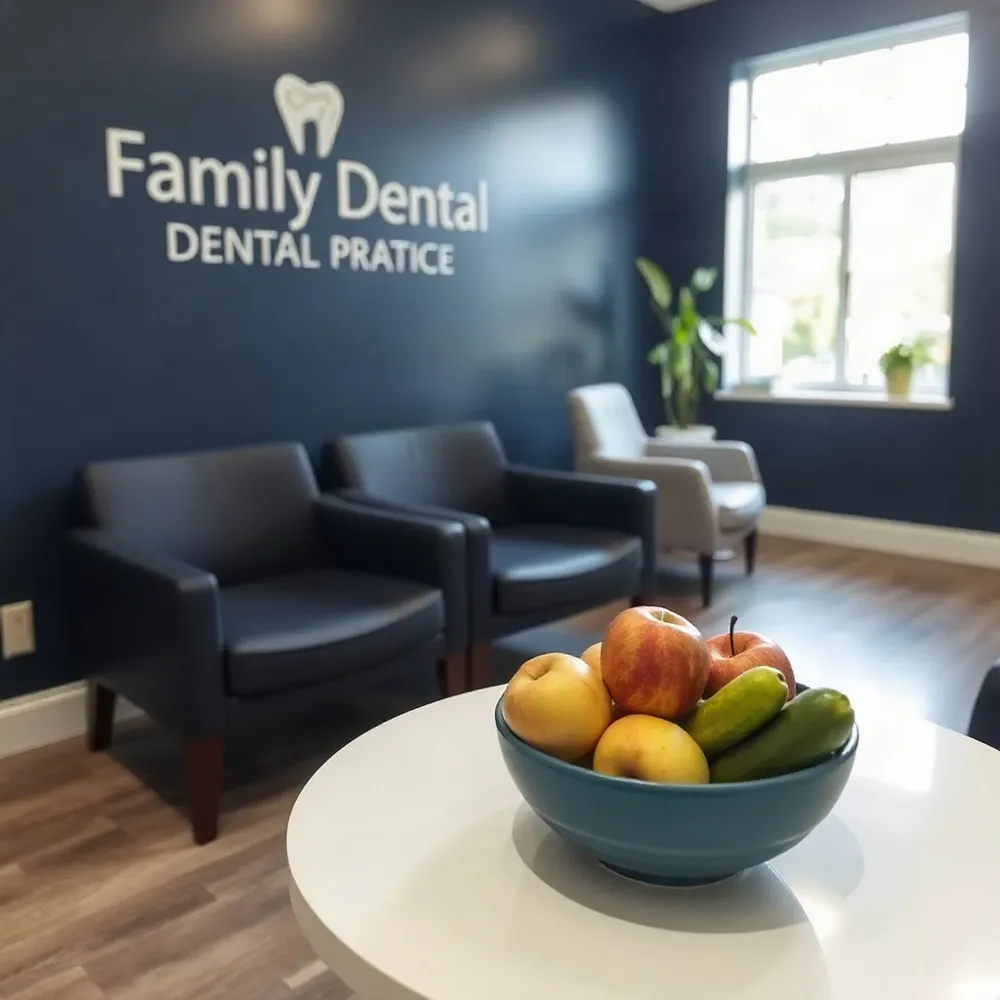 Chewing firm, water-rich produce stimulates saliva, which helps rinse away loose food particles and soften the effects of acids. This gives the mouth some support between brushings, but food cannot reliably remove plaque or sanitize teeth.
Celery, carrots, apples, pears, and crisp leafy greens all take chewing. Celery’s fibrous texture may help clear some food debris from tooth surfaces, but it is not dental floss. Carrots and leafy greens offer a similar chewing-related benefit, while apples and pears can encourage saliva flow. The University of Illinois Chicago College of Dentistry’s guidance on tooth-friendly foods describes these effects as part of a broader approach to oral health.
Choose whole fresh fruit over sugary juice when possible. A fresh apple or other raw produce eaten at the end of a meal may help clear some remaining particles and stimulate saliva. At drparrella.com, preventive dental care is part of a family-run practice focused on personalized care for local patients, so food choices can be discussed alongside an individual’s home-care routine.
These foods offer limited assistance, not a replacement for brushing twice daily with fluoride toothpaste, cleaning between teeth every day, or regular dental visits. For more on how chewing and saliva fit into daily prevention, see this guide to crunchy foods and saliva.
Nutrients for Teeth and Gums
A varied eating pattern supports teeth and gums as part of overall health. Include vegetables, whole fruits, whole grains, and lean protein, along with water throughout the day. The HRSA nutrition guidance for oral health recommends these food groups and highlights calcium-rich choices for healthy teeth and bones.
Milk, plain yogurt, cheese, fortified soy drinks, tofu, almonds, and leafy greens can all contribute calcium. Dairy foods also provide phosphate, which supports enamel. Cheese stimulates saliva, helping rinse the mouth, while plain yogurt provides calcium and probiotics. Eggs and fish supply phosphorus, another nutrient involved in maintaining teeth.
Fruits and vegetables provide vitamin C, which supports gum tissues. A balanced diet is usually the best way to obtain these nutrients; supplements are not needed by everyone. If you have a deficiency, a medical condition, or questions about supplements, ask a healthcare professional before starting one.
At drparrella.com, preventive dental care is part of comprehensive, personalized care for local families. Food choices support oral health, but they cannot replace brushing, flossing, or regular dental visits. For more on eating patterns that support teeth and gums, see nutrients for teeth and gums.
Sugar, Acids, and Enamel
 Plaque bacteria use sugars and starches from food to produce acids that attack tooth enamel. Repeated acid attacks can contribute to cavities, while acidic foods and drinks can wear enamel directly. These are related but different risks, as University of Rochester Medical Center guidance on foods and teeth explains.
Sticky sweets and dried fruit can linger on tooth surfaces, giving bacteria more time to use their sugars. Frequent snacking and sipping sugary or acidic drinks throughout the day also extend exposure. Soda, sports drinks, citrus juice, and other acidic beverages can erode enamel, including sugar-free versions, which may still contain acids.
A practical approach is to have sweets with meals rather than grazing, choose water between meals, and rinse with water after acidic foods or drinks. Water helps clear residue, and plain tap water is a tooth-friendly everyday choice in HRSA’s oral health and nutrition guidance.
Wait about an hour after acidic exposure before brushing, giving temporarily softened enamel time to recover. If you are unsure how your usual snacks or drinks affect your teeth, a dental visit can help you make a realistic plan that fits your routine.
What Saliva Can and Cannot Do
Saliva helps rinse away food particles and acids, and it carries calcium and phosphate that can return minerals to enamel weakened by early acid exposure. This natural repair process may help protect enamel, but it does not make lost enamel grow back. The University of Rochester Medical Center explains saliva’s role in mineral repair.
Calcium- and phosphate-rich foods, including milk, cheese, and plain yogurt, support the mouth’s mineral balance. They can help replace minerals, but they do not cure cavities or restore enamel that has worn away. Water also helps rinse the mouth and maintain saliva.
At drparrella.com, preventive dental care is part of comprehensive care for local families. Limiting frequent sugary or acidic foods and brushing twice daily with fluoride toothpaste can help reduce further mineral loss.
Sensitivity or a suspected cavity deserves professional advice. Early enamel weakening and decay may need different care, so a dentist can assess what is happening and recommend an appropriate next step.
Supporting Saliva When Your Mouth Feels Dry
Dry mouth can make eating and speaking uncomfortable, and it can leave teeth with less saliva to help rinse away food and acids. Sip water regularly; plain tap water is a practical choice throughout the day. If dryness makes chewing difficult, choose soft, moist foods.
Sugar-free gum or sugar-free lozenges may encourage saliva flow. Products containing xylitol are an option for some people, but consuming large amounts may cause stomach cramps or diarrhea. These products support moisture, but do not replace brushing, flossing, or dental care. For more suggestions, see our guide to practical ways to ease dry mouth.
Try avoiding spicy or salty foods if they irritate your mouth. Limiting caffeine and avoiding alcohol, tobacco, and mouthwashes that contain alcohol may also help. A humidifier at night can make the air less dry while you sleep.
If dry mouth continues, talk with a dentist or healthcare professional. Some medicines and health conditions can contribute, so the right response may depend on the cause. At drparrella.com, patients can discuss persistent symptoms as part of the practice’s personalized, comprehensive dental care.
Daily Care Remains Essential
 Tooth-friendly foods can offer support between meals, but they cannot replace a dependable home-care routine. At Dr. Parrella’s family-run Somerville practice, preventive care is part of personalized dental care, alongside guidance tailored to each patient’s needs.
Brush twice a day for two minutes with fluoride toothpaste and a soft-bristled toothbrush. Use gentle strokes along the gumline and clean every tooth surface. Drink water regularly, limit frequent sugary and acidic foods and drinks, avoid tobacco, and keep up with dental exams and cleanings. HRSA’s oral health and nutrition guidance also recommends water and limiting sugary foods and drinks to support oral health.
What is the best way to clean between teeth?
Clean between your teeth once a day with floss or another suitable interdental cleaner. For tight spaces, ease floss between the teeth, curve it into a C shape against one tooth, then move it gently up and down toward the gumline. Repeat against the neighboring tooth, and avoid snapping the floss into your gums.
An appropriately sized interdental brush may work better for wider spaces or for someone who finds floss difficult to handle. It should fit with light resistance, so do not force it between teeth. A dentist or hygienist can help you choose a tool and demonstrate how to use it.
Consistent home care and professional guidance work together. Regular visits let the dental team assess your oral health and answer questions about technique, products, or concerns such as dry mouth. Food choices can support this routine, but brushing, cleaning between teeth, and preventive dental care remain essential.
Small Choices, Stronger Habits
Crunchy produce, water, and nutrient-rich foods can support your mouth between brushings, but they do not replace brushing, daily cleaning between teeth, or regular dental care. HRSA’s nutrition guidance also recommends water and a balanced eating pattern as part of oral health.
For families in Somerville, Dr. Parrella’s practice offers personalized, comprehensive dental care, including guidance tailored to your needs and daily routine. Ask your dentist about persistent dry mouth, tooth sensitivity, or whether your home-care routine is working well. A conversation can help you choose practical next steps with confidence.