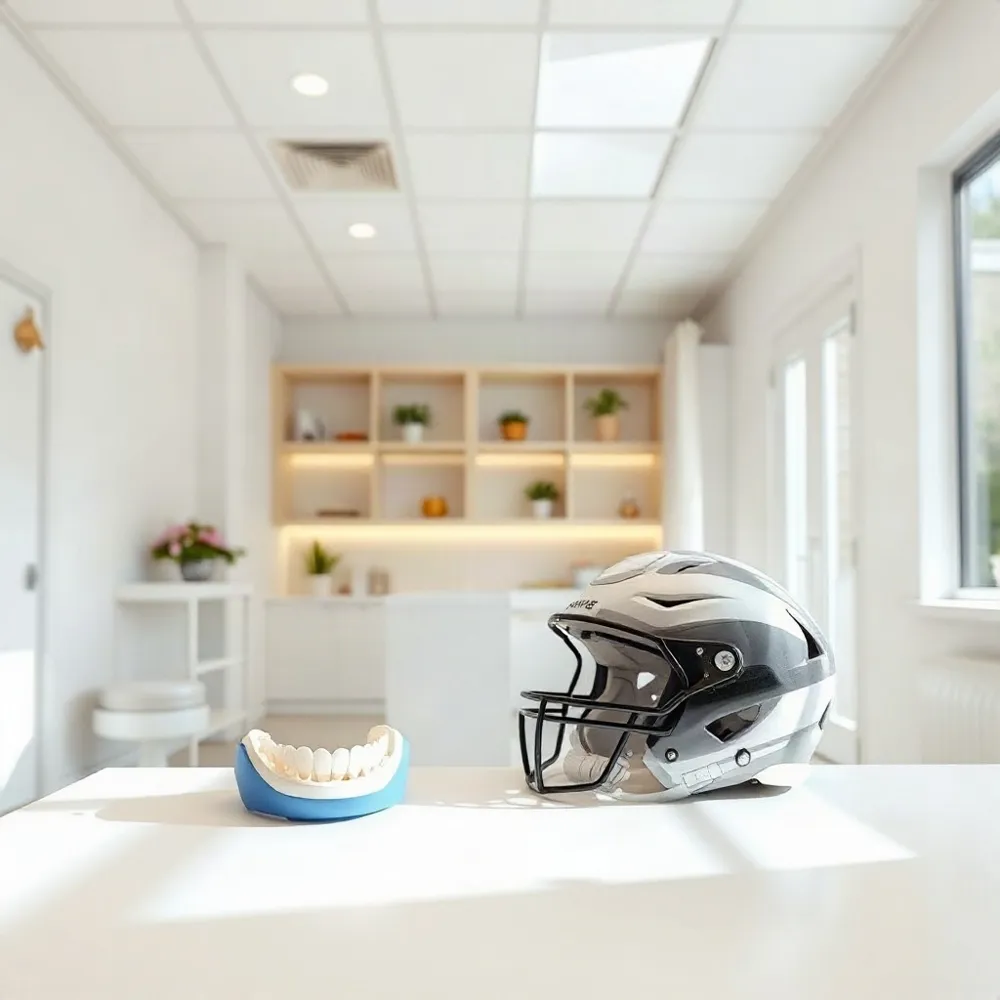
Protecting Smiles Through Sports
A ball, elbow, or fall can strike the mouth in an instant. The impact may chip or displace a tooth, or cut the lips and cheeks. These injuries can happen in contact sports, but fast-moving equipment and falls also pose risks in activities such as cycling, skating, and gymnastics.
A properly fitted mouthguard cushions impact and helps reduce the risk and severity of dental and other oral injuries. The American Dental Association’s mouthguard guidance recommends protection for sports and recreational activities with a meaningful risk of oral injury. A mouthguard cannot prevent every injury, and it should not be treated as a guarantee against concussion.
Choosing a guard involves balancing fit, comfort, protection, and cost. This guide compares stock, boil-and-bite, and custom options, explains when a dental professional can help assess fit, and covers practical care to keep a guard clean and in good condition. For families in Somerville, preventive dental care can also include discussing a child’s sport and changing dental needs with a dental professional.
What Mouthguards Protect
 A sports mouthguard acts as a cushion, absorbing and spreading some of the force from a blow. This can help protect teeth from fractures or displacement and reduce cuts to soft tissues, including the lips and cheeks. Learn more about how mouthguards reduce impact forces.
The risk is not limited to contact sports. A ball, collision, or fall can injure the mouth during activities such as skating and bicycling, as well as basketball, soccer, and hockey. The American Dental Association’s mouthguard guidance recommends a properly fitted guard for sports and recreational activities where dental or facial injury is possible.
Wear the guard during practices as well as games, since an impact can happen in either setting. It should stay in place comfortably without making it hard to speak or breathe. At drparrella.com, preventive care is part of personalized dental care for local families; a dentist can assess fit and discuss an appropriate option for an athlete, including someone who wears braces.
Research supports mouthguards for reducing dental and orofacial injuries, but they cannot prevent every injury. Evidence that they prevent concussions is mixed, so a guard should not be treated as concussion protection. Consistent wear is a practical way to lower the risk of mouth injuries, not a guarantee against them.
Comparing Mouthguard Options
 Sports mouthguards generally fall into three categories: ready-made, boil-and-bite, and custom-made. Each offers a different balance of convenience, fit, comfort, and cost. The American Dental Association’s mouthguard guidance describes these options and stresses that proper fit and consistent wear matter.
Ready-made. Stock guards are widely available and often the least expensive. Because they come in standard sizes rather than being shaped to your teeth, they may feel bulky or shift during activity.
Boil-and-bite. These guards soften in hot water and are molded at home. Follow the product directions carefully, since poor shaping can leave the guard loose or uncomfortable. A well-fitted model can be a more affordable option than a custom guard.
Custom-made. A dental professional makes this guard for the wearer’s teeth, using an impression or scan. Individual fitting can improve comfort and help the guard stay in place, though this option usually costs more and requires a dental visit.
The right choice depends on the sport, likely impacts, comfort, and budget. A mouthguard should remain securely in place without making breathing or speaking difficult. Custom-made protection is not the only option that can help: a properly fitted, consistently worn boil-and-bite guard may also provide protection.
If a guard feels loose, causes discomfort, or interferes with breathing or speech, ask a dentist to assess its fit. Athletes with braces or other dental needs should get guidance before choosing a design. At drparrella.com, personalized dental care includes considering each patient’s needs, so families can discuss which type may suit their athlete.
Custom Guards and Their Cost
A dental professional can help determine whether a custom guard suits an athlete’s sport, oral health, and comfort needs. The process generally includes discussing those needs, taking an impression or digital scan of the teeth, and checking the finished guard’s fit. A secure, comfortable fit matters because a device that shifts or feels difficult to wear may be left out when protection is needed.
Custom fabrication is a personalized process, not simply a more expensive version of a store-bought guard. Learn more about how a dental professional assesses fit and makes a custom guard. The American Dental Association’s mouthguard guidance explains that custom devices are made from impressions of an individual’s teeth and can be adapted to the wearer.
Can a dentist make a custom mouthguard for sports or teeth grinding?
Yes, but sports guards and night guards have different jobs. A sports mouthguard cushions the teeth and mouth against impact. A night guard creates a barrier between the upper and lower teeth during grinding or clenching. Do not assume one device will work well for both purposes. Tell your dental professional when and why you plan to wear it so the design can match your needs.
How much does a custom-fitted mouthguard cost?
There is no single price that applies to every custom guard. The cost can depend on its purpose, design, materials, and complexity, and insurance coverage varies. More involved sports designs may cost more than simpler options. Store-bought and boil-and-bite guards generally cost less, but they are not individually made from your dental impression. Ask a dental practice for a current estimate and whether your plan may cover any of the cost. A conversation about your budget can help you compare suitable options without assuming that the lowest price will provide the fit you need.
Wearing and Caring for a Sports Guard
 A mouthguard can help protect an athlete only when it is worn. Use it during practices as well as games, and follow the maker’s fitting instructions or a dental professional’s guidance. The American Dental Association’s mouthguard guidance emphasizes proper fit and consistent wear.
A well-fitting guard should stay securely in place and feel comfortable. It should not make breathing or speaking difficult, or change how the upper and lower teeth meet. If it feels loose, painful, or alters your bite, stop using it and ask a dentist to assess the fit. At drparrella.com, preventive care guidance also stresses following fitting instructions and wearing a guard consistently during sports.
How should I wear and care for a sports mouthguard?
After each use, rinse and clean the guard as directed by its manufacturer. Some guards should not be boiled or reshaped, so avoid using hot water unless the product instructions call for it. Let the guard air-dry completely, then store it in a clean, ventilated protective case away from heat. A closed, damp case or a hot car can affect hygiene or change the guard’s shape.
Check the guard regularly for cracks, tears, thinning, rough areas, or deformation. Changes in fit matter too: a worn guard may no longer stay in place or cover the teeth as intended. Have a dentist assess damage or poor fit, and ask how often your particular guard should be replaced. Guidance on wearing and caring for a guard also reinforces consistent use and professional fitting advice.
Children’s mouths change as they grow and lose baby teeth, which can make a previously comfortable guard loose or unsuitable. Recheck its fit after noticeable changes and bring it to dental visits for assessment. A dentist can help families decide whether the guard still fits properly or needs replacement.
When a Night Guard May Help
Bruxism is the grinding or clenching of teeth, often during sleep. Repeated pressure can wear down enamel or contribute to chips, cracks, and soreness in the jaw. A night guard sits between the upper and lower teeth, creating a barrier that can limit direct tooth-to-tooth contact.
A guard may help reduce wear and lower the risk of damage, and some people find that it eases jaw discomfort. Results vary, however. A night guard does not necessarily stop grinding, and it cannot guarantee relief from soreness, headaches, or other symptoms.
Night guards are different from sports mouthguards: one is intended to protect teeth from grinding during sleep, while the other helps shield the mouth during athletic activity. If you notice new tooth damage, jaw soreness, or signs of clenching, ask a dentist to assess the cause and whether a guard is suitable. A dentist can discuss an individualized option, including a custom-fitted night guard, and check that it fits comfortably.
Cleaning a Night Guard Safely
Rinse your night guard with cool or lukewarm water after each use to clear away saliva and debris. Clean it daily with a soft toothbrush and a nonabrasive cleaner approved for the appliance.
Night guards can be made from different materials, and cleaning advice may vary by product. Follow the manufacturer’s instructions, or ask your dentist which cleaner is suitable for your guard. The American Dental Association’s mouthguard guidance also emphasizes that appliances should be relatively easy to clean and compatible with the wearer’s oral tissues.
Avoid hot or boiling water, which can warp some guards and affect their fit. Do not use abrasive toothpaste, bleach, or household cleaners unless your dentist or the product instructions specifically approve them. Stronger products are not necessarily safer or more effective for a dental appliance.
After cleaning, let the guard air-dry completely, then place it in a clean, ventilated case. A damp, enclosed space can hold moisture against the appliance. For other practical appliance-care reminders, see this guide to cleaning a night guard safely.
Persistent odor or buildup, visible cracks, or a change in fit calls for dental advice rather than harsher cleaning chemicals. A dentist can check the appliance and help determine whether it needs professional cleaning, adjustment, or replacement.
Mouthguards With Braces
Can a sports mouthguard be worn with braces?
Yes. Athletes with braces can wear a sports mouthguard. It should fit over the brackets and wires, protecting the teeth and soft tissues without pressing painfully or pinching. The American Dental Association’s mouthguard guidance notes that a dental professional may help with the final molding of a boil-and-bite guard, particularly for someone with orthodontic appliances.
Braces gradually move teeth, so a guard that once fit comfortably may become too tight or loose. Ask your dentist or orthodontist to check the fit and advise whether it needs adjustment or replacement. Do not wear a guard that causes pressure, pinching, or discomfort, and do not trim or reshape it without professional advice.
At drparrella.com, care is personalized to each patient, so families can raise questions about sports protection as orthodontic treatment changes. A clinician can help assess whether the guard sits comfortably over the appliance and stays in place. For related guidance, see these preventive dentistry habits for protecting teeth with mouthguards.
Make Protection Part of the Routine
A mouthguard helps only when it fits securely and is worn during activities that pose a risk of oral injury. The American Dental Association’s guidance on athletic mouthguards emphasizes proper fit and consistent use, whether the activity is organized or recreational.
Families can ask a dental professional to check fit and discuss questions about braces, cleaning, or whether wear means a guard should be replaced. A child’s changing mouth can affect how a guard fits, so bring it along to an appointment if you are unsure. The goal is a comfortable routine that makes protection practical, not another source of stress.