When Bristles Lose Their Shape
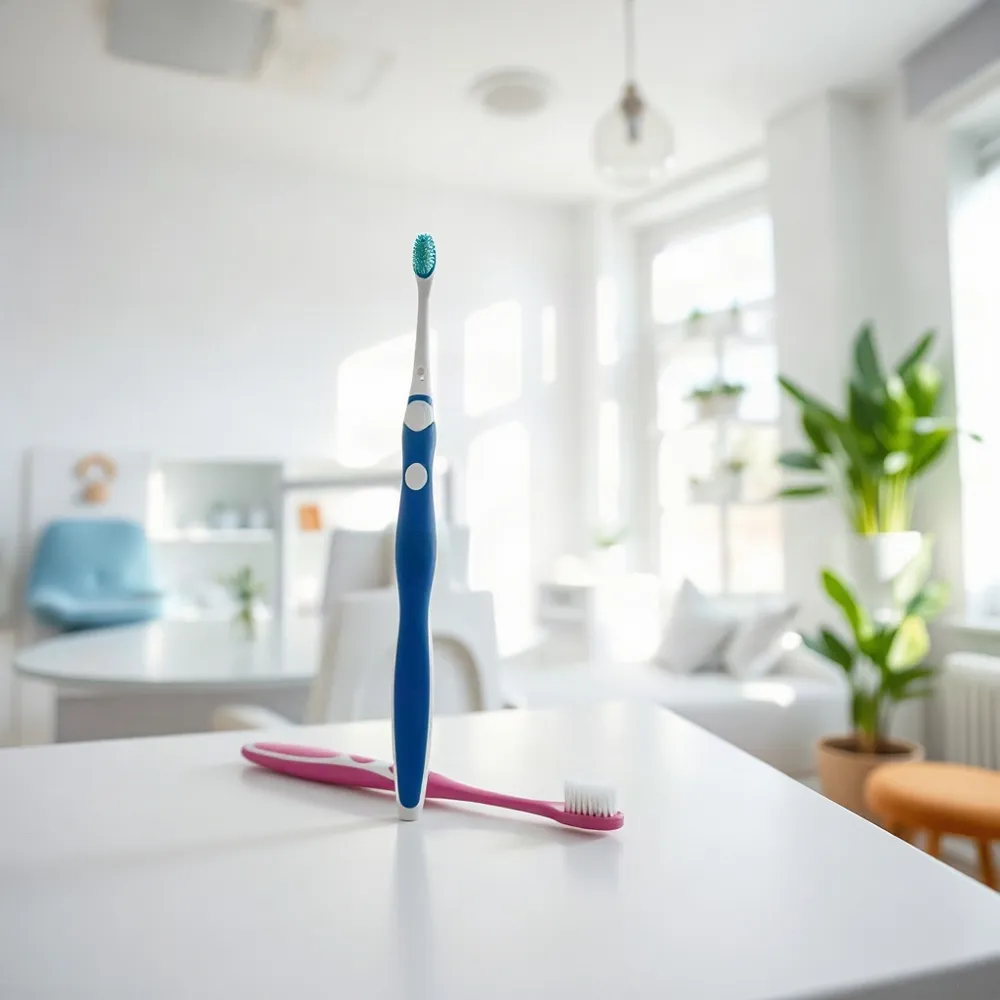
A toothbrush can look fine one day and noticeably different the next: bristles start to bend outward, spread apart, or lie flat against the brush head. That change is more than a cosmetic flaw. As bristles wear down, they become less effective at cleaning, so brushing longer or pressing harder is not a good fix.
Replace a visibly frayed or matted toothbrush rather than trying to reshape it or keeping it in use until a set date. The same applies to a worn electric brush head. At drparrella.com, preventive guidance is part of the practice’s patient-centered approach to helping local families care for their teeth between visits.
Fraying alone does not mean your brush is infected, and it is not a medical emergency. It is a practical cue to switch to a fresh brush and continue gentle, regular care.
Replace the Brush When It Looks Worn
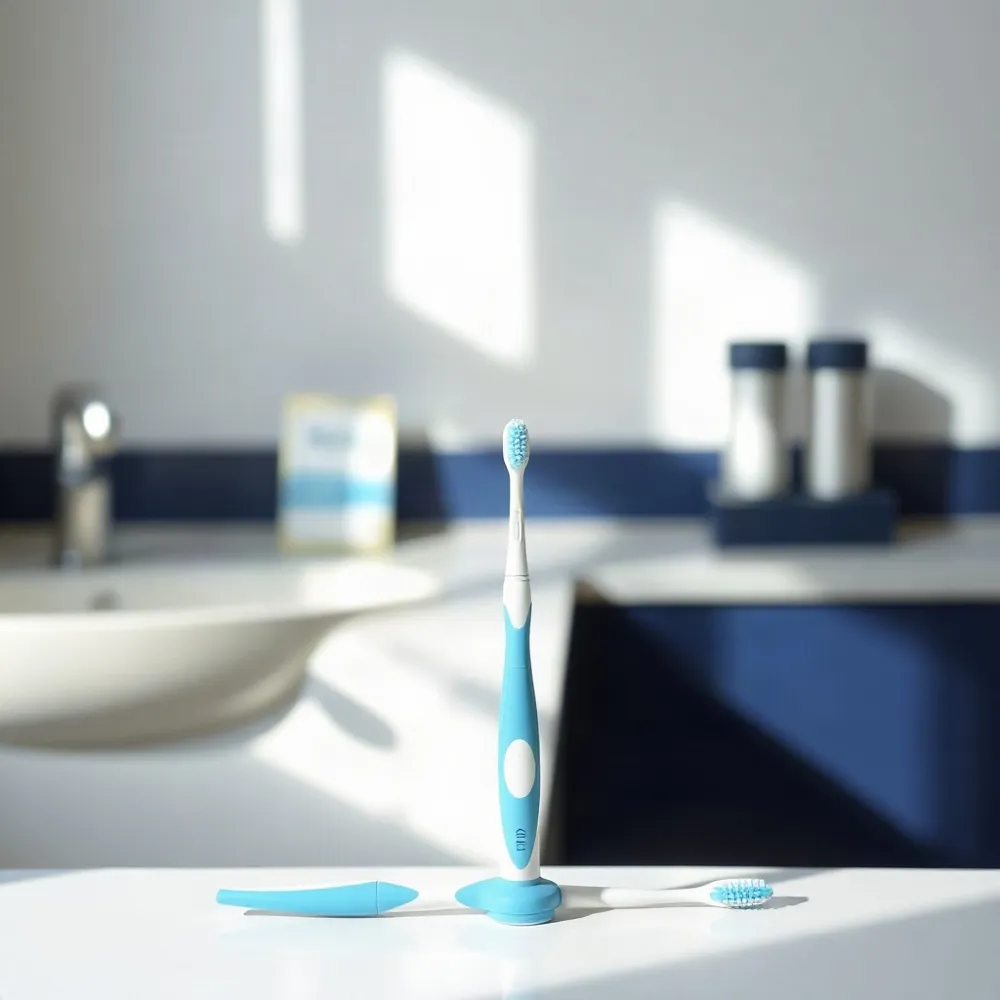 The American Dental Association recommends replacing a toothbrush about every three to four months, or sooner if its bristles are visibly frayed, matted, or damaged. The same timing applies to electric toothbrush heads. Bristle condition matters more than the calendar: a worn brush may remove plaque less effectively, so replace it as soon as it shows clear wear rather than waiting for a scheduled date. The ADA’s toothbrush guidance explains the recommendation.
Children’s brushes can wear out sooner, especially if a child chews on the bristles, so check them regularly. If bristles splay or fray, replace the brush head instead of trying to reshape it or continuing to use it. Fraying unusually early may be a sign that brushing pressure is too strong. Choosing a soft-bristled brush and using gentle strokes can help protect the gums; the American Dental Association recommends soft bristles and gentle pressure.
A calendar entry or phone reminder can make routine replacement easier to remember. At drparrella.com, preventive care guidance emphasizes practical home habits, and patients who are unsure whether a brush is still in good condition can ask their dentist for advice. If a brush repeatedly becomes frayed well before the usual replacement interval, a dental professional can review brushing technique and help identify adjustments.
Brush Gently and Cover Every Surface
 Effective brushing comes from steady coverage, not force. The American Dental Association’s brushing guidance recommends brushing twice a day for two minutes with fluoride toothpaste and a soft-bristled toothbrush. For help choosing a comfortable brush head, drparrella.com offers guidance on choosing a toothbrush for your needs.
With a manual brush, angle the bristles toward the gumline at about 45 degrees. Use short, gentle back-and-forth strokes, cleaning the outer, inner, and chewing surfaces of every tooth. To reach the inside of the front teeth, tilt the brush vertically and make several gentle strokes.
If you have eaten or had a drink that is acidic, such as citrus or soda, wait about an hour before brushing. Acid can temporarily soften enamel, so delaying brushing helps avoid scrubbing the surface while it is more vulnerable.
A brush that wears out unusually quickly may be a reason to check your pressure and technique. If you have sensitive teeth, receding gums, or are unsure whether your routine is thorough, ask your dentist or hygienist for advice tailored to your mouth. Patients at drparrella.com can discuss practical home-care guidance as part of personalized dental care.
Choose a Brush That Fits Your Needs
Both manual and powered toothbrushes can remove plaque when used consistently with good technique, so comfort and your ability to brush thoroughly matter more than the brush type. The American Dental Association’s toothbrush guidance recommends soft bristles and gentle pressure.
A powered brush may be easier to handle for some older adults, people with disabilities, children, or people wearing braces. At drparrella.com, patients can ask for personalized guidance from a family-run dental practice that provides comprehensive care in Somerville.
A U-shaped brush is not automatically effective just because it covers several teeth at once. Fit and use matter, and some designs may miss the gumline or areas between teeth. Ask your dentist whether a specific brush suits your mouth and needs.
Whichever brush you choose, brush twice a day with fluoride toothpaste and clean between your teeth daily with floss or another recommended interdental cleaner. A toothbrush does not replace this separate step. The ADA’s advice on manual and powered brushes can help guide your choice, while a dental professional can address individual concerns.
Respond to Gum Irritation With Care
 Red, sore, or bleeding gums after brushing may be related to excessive pressure, but irritation should not automatically be blamed on the toothbrush. If symptoms persist, another cause may need attention. You can also read about gentle daily care for bleeding gums.
Ease your pressure and choose a soft-bristled brush, but keep brushing gently rather than stopping oral hygiene. The American Dental Association’s toothbrush guidance recommends soft bristles and gentle pressure to help reduce the risk of gum injury. At drparrella.com, preventive care is part of the practice’s personalized, comprehensive approach to dental health.
Toothbrush abrasion, or wear related to brushing, can involve several factors: technique, force, frequency, duration, brush type, and abrasive ingredients in toothpaste. Research discussed by RDH Magazine includes laboratory findings, but these do not prove that one factor causes wear in every mouth. Abrasion may affect tooth surfaces, while gum recession can expose sensitive root areas.
Arrange a dental assessment if soreness, irritation, bleeding, sensitivity, or visible wear continues. A clinician can examine the affected area, assess possible causes, and discuss suitable care. Depending on the findings, that may include adjusting brushing habits or considering protective or restorative treatment.
Clean and Store the Replacement Properly
A clean brush needs room to dry between uses. Rinse it thoroughly to remove toothpaste and debris, then store it upright in open air. A closed container can keep bristles damp, which encourages microbial growth. The American Dental Association’s toothbrush guidance also advises not sharing brushes, since sharing may exchange bodily fluids and microorganisms.
Bristles may change color because of stains or residue, while some brushes have indicator bristles designed to fade as a replacement reminder. Color alone cannot tell you whether a brush is worn or contaminated. Replace it every three to four months, or sooner if the bristles are frayed or damaged. The ADA notes that toothbrushes can harbor bacteria, but reports no evidence that these bacteria cause adverse health effects.
Daily cleaning between teeth matters too, because a toothbrush may not reach those spaces. Floss once a day, or use another interdental cleaner that fits comfortably. Move it gently along each tooth rather than snapping it into the gums, and ask your dentist or hygienist which option suits your teeth or dental work. For more practical guidance, see this daily oral hygiene routine.
Make Replacement Part of Routine Care
A toothbrush or powered-brush head does not need to reach a set age before you replace it. If the bristles are visibly frayed or matted, switch to a new one; worn bristles clean less effectively, according to the American Dental Association’s toothbrush guidance.
Gentle, thorough brushing with a brush that feels comfortable can support daily oral care. If you are unsure which style suits your needs, drparrella.com’s toothbrush guide explains options such as bristle type and head size.
Ask your dentist about bristles that wear unusually quickly, brushing technique, or gum symptoms that persist. At drparrella.com, preventive care is part of the practice’s personalized dental care for local families, and a conversation can help clarify what may be affecting your mouth.