Our Commitment to Your Family's Lifelong Oral Health
True oral health is rarely about fixing problems after they arise. At drparrella.com, we believe in shifting the focus from reactive repairs to proactive maintenance. By identifying issues at their earliest stages, we preserve more of your natural tooth structure and spare your family the discomfort and expense of advanced restorative procedures.
Preventive dentistry is a lifestyle, not a chore. We help families adopt habits that transform daily hygiene into a sustainable health strategy rather than a series of disconnected tasks. This includes tailored guidance on fluoride usage and dietary habits that protect against the acids that contribute to tooth decay in both children and adults.
Building trust is at the heart of our community-focused practice in Somerville. We avoid the impersonal nature of high-volume clinics by offering compassionate, individualized care that evolves with your child’s growth and your own changing needs. Whether performing a routine dental cleaning or applying dental sealants to shield vulnerable molars, our focus remains on providing clear, comfortable communication every step of the way.
Understanding the Science of Tooth Decay and Prevention
 Tooth decay, or dental caries, is fundamentally an infectious disease About Cavities (Tooth Decay) | Oral Health - CDC caused by an imbalance in your mouth's ecosystem. When bacteria naturally present in your mouth interact with sugars and starches from your diet, they produce acids that dissolve mineral content from your teeth. At drparrella.com, we emphasize that this process is not an inevitable event but rather a dynamic, ongoing battle between acid attacks and your body's natural defenses.
The health of your enamel depends on a constant tug-of-war The Tooth Decay Process: How to Reverse It and Avoid a Cavity. On one side, repeated exposure to fermentable carbohydrates creates an acidic environment that strips away vital minerals. On the other, your saliva works to remineralize the teeth by providing calcium, phosphate, and fluoride. When acid attacks occur too frequently, your teeth lose more minerals than they can replenish, leading to early warning signs.
The earliest clinical sign of this struggle is a white spot lesion, which signifies initial mineral loss before the tooth's surface completely breaks down. If left unaddressed, the decay progresses through the enamel and into the softer dentin, eventually forming a permanent cavity that necessitates restorative care. Our team at drparrella.com focuses on catching these issues at the white spot stage, where professional intervention and consistent home care can often halt or even reverse the decay process.
What causes tooth decay, and what are the most effective ways to prevent it?
Tooth decay is an infectious process that occurs when cavity-causing bacteria feed on sugars and starches in your diet, producing acids that erode your tooth enamel About Cavities (Tooth Decay) | Oral Health - CDC. To protect your smile, it is essential to maintain diligent oral hygiene by brushing twice daily with fluoride toothpaste and flossing once a day Oral Hygiene: Best Practices & Instructions for Good Routine to remove plaque buildup. Beyond your daily routine, you should choose water over sugary or acidic beverages and schedule regular, professional dental exams to monitor your oral health. During these checkups, we can assess your specific cavity risk level and provide personalized recommendations tailored to your unique needs. Taking these proactive, evidence-based steps is the most effective way to prevent decay and ensure your teeth remain healthy for years to come 5 Amazingly Simple Things You Can Do to Prevent Cavities.
The Triple Foundation of Your Daily Oral Routine
 Consistency serves as the best defense against long-term dental issues. Establishing a reliable daily habit helps maintain the balance of your oral ecosystem, preventing the plaque buildup that leads to decay. At drparrella.com, we emphasize that a healthy smile relies on three simple pillars that manage bacteria, strengthen enamel, and protect your gum tissue.
What is the recommended daily oral hygiene routine, and what is the 2-2-2 rule for dental care?
The 2-2-2 rule is a simple, effective guideline recommending that you brush your teeth twice daily for two minutes each session and visit your dentist twice a year. Brushing for the full two minutes ensures adequate plaque removal and fluoride delivery, which is essential because most people otherwise brush for less than a minute. Beyond this, a comprehensive oral hygiene routine must include daily flossing to clean between teeth where a brush cannot reach Oral Hygiene: Best Practices & Instructions for Good Routine. Because saliva flow decreases during sleep, brushing before bed is particularly important to prevent acids and bacteria from damaging enamel overnight. Regular professional check-ups are also non-negotiable, as they allow us to address tartar buildup and catch potential issues early to keep your smile healthy for a lifetime.
- Use a soft-bristled toothbrush at a 45-degree angle to the gumline, employing short, gentle circular motions rather than harsh scrubbing.
- Include tongue cleaning in your routine to remove lingering bacteria, a step that significantly improves breath and oral cleanliness.
- Floss once daily to remove plaque from the two sides of every tooth that your brush cannot reach, ensuring a thorough clean.
- Time your brushing strategically: wait at least 30 minutes after consuming acidic foods or drinks to avoid damaging weakened enamel.
- Supplement your cleaning with an alcohol-free, antibacterial mouthwash to reach surfaces that require extra protection without drying out your oral tissues.
At drparrella.com, we often guide patients on the best tools to fit their specific needs, from choosing the right fluoride toothpaste to demonstrating the correct C-shape flossing technique. By integrating these habits into your daily schedule, you create a foundation that prevents minor mineral loss from becoming a permanent cavity. Regular care at our clinic complements this home routine, ensuring that any hidden spots or persistent tartar are managed effectively before they threaten your long-term health.
Why Professional Cleanings and Exams Are Non-Negotiable
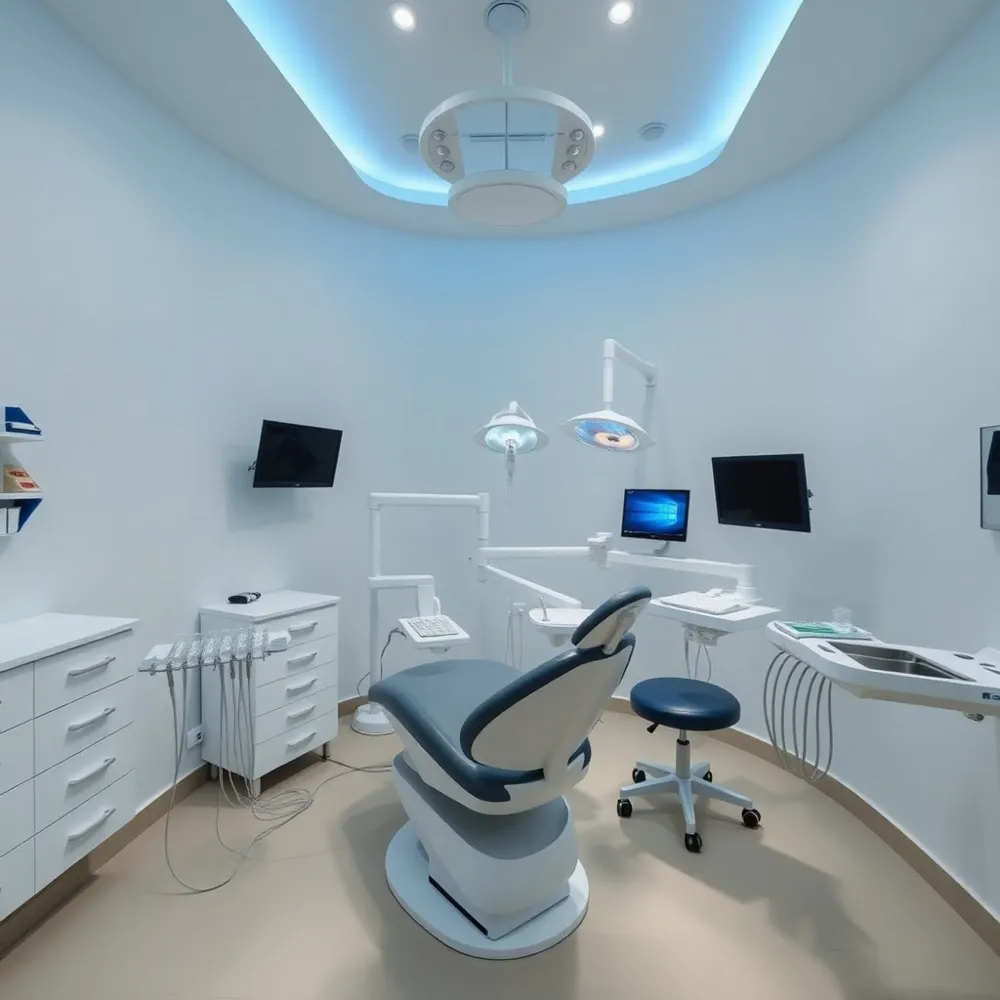 Regular dental exams and professional cleanings are essential components of preventive care that go far beyond what daily brushing and flossing can achieve at home. Even with meticulous oral hygiene, plaque can harden into tartar, a mineralized deposit that sticks to teeth and cannot be removed by soft bristles alone. When left undisturbed, this accumulation becomes a prime breeding ground for the bacteria that trigger gum inflammation and enamel erosion.
What is the importance of regular dental exams and professional cleanings in maintaining oral health?
During a cleaning, your dental team removes stubborn plaque and hardened tartar, which are the primary culprits behind tooth decay and gum inflammation as noted by the CDC. Simultaneously, regular exams allow Dr. Anthony P. Parrella to detect early signs of oral health issues, such as cavities, gum disease, or oral cancer, ensuring they are addressed before they become more serious. Unlike some larger, corporate-run clinics that may view these appointments as brief transactions, the practice at drparrella.com prioritizes patient-centered, personalized care to foster comfort and trust.
Consistent visits not only brighten your smile and freshen your breath but also serve as a proactive investment in your long-term wellness. By catching small problems early, you can often avoid more complex or costly procedures in the future, helping you and your family maintain healthy, confident smiles. Professional cleanings turn what could be a source of dental anxiety into a routine that keeps your mouth balanced and your overall health safeguarded against the systemic risks tied to poor oral hygiene as described by the NCBI.
Advanced Preventive Measures for Extra Protection
For patients seeking additional defense against decay, certain clinical interventions provide a robust shield where home care may struggle. Dental sealants are highly effective at this, acting as a physical barrier in the deep grooves and pits of back teeth. By covering these vulnerable spots, they prevent food and bacteria from settling where bristles often fail to reach, an approach that has been shown to prevent up to 80 percent of cavities in those surfaces.
Beyond physical barriers, we focus on strengthening your natural enamel through fluoride treatments. Professional varnish or gel applications provide higher concentrations than standard toothpaste, which aids in the remineralization process and creates a more resilient surface against bacterial acid. This care is essential for maintaining a healthy smile for the entire family, as individuals of all ages benefit from the increased mineral retention that fluoride provides.
How are dental cavities typically treated and restored by a dentist?
Once a cavity forms, it cannot heal on its own and requires professional intervention to stop the decay from spreading. The treatment process begins with your dentist carefully removing the decayed portion of the tooth to create a clean, healthy surface. For smaller cavities, this space is typically repaired using a tooth-colored composite filling that restores the tooth's shape and integrity. If a cavity is too extensive for a filling, your dentist may recommend an inlay, onlay, or a dental crown to provide additional structural support. By addressing these areas early, we can protect your long-term oral health and ensure your teeth remain strong and functional.
Navigating the Reality of Tooth Repair and Reversibility
Understanding whether a cavity can be reversed depends on the depth and progression of the decay. In its earliest manifestation, known as a white spot, mineral loss occurs on the surface of the enamel. According to the National Institute of Dental and Craniofacial Research, this process is a dynamic interplay between acid attacks and remineralization. When you detect these early changes, professional guidance allows for treatments that support remineralization before a structural cavity forms.
Can tooth decay be healed or reversed at home, or does it require professional treatment?
While early-stage decay can potentially be addressed using fluoride or hydroxyapatite-based products under professional guidance, this process requires clinical monitoring. Once decay progresses beyond the initial layer of enamel into the dentin, it cannot be reversed at home and necessitates professional restorative treatment, such as a filling. At drparrella.com, we focus on these interventions the moment we identify risks during a routine exam. Leaving moderate to severe infections untreated allows rot to advance toward your tooth’s nerve, which may eventually require more invasive procedures like a root canal.
There is no safe, evidence-based way to remove established decay yourself, as any attempt to do so often causes permanent damage to healthy tooth structure. While some online sources promote DIY fixes, clinical evidence confirms that tartar requires professional scaling for removal. We recommend scheduling a comprehensive exam at our family practice so our team can accurately assess the health of your teeth and determine a suitable treatment plan for your needs.
Investing in Your Long-Term Smile
Your oral health serves as a primary indicator of your overall well-being. Keeping a healthy smile requires more than reactive maintenance, as issues like gum disease can impact systemic conditions including heart disease and diabetes. By prioritizing consistent preventive habits at home, you protect your body against these broader risks while preserving natural tooth structure.
At drparrella.com, we emphasize that the most effective investment you can make is a proactive one. Establishing a routine of twice-daily brushing with fluoride toothpaste, daily flossing, and limiting sugary snacks builds a foundation that minimizes the need for complex, costly interventions. When you pair these daily efforts with professional examinations at our Somerville office, you ensure that any minor demineralization is addressed before it progresses to a permanent cavity.
- Brush twice daily with a soft-bristled brush at a 45-degree angle to the gums Oral Hygiene: Best Practices & Instructions for Good Routine.
- Clean between teeth daily to remove biofilm that brushes cannot reach.
- Maintain a consistent schedule of professional cleanings to remove hardened tartar.
- Visit our team at drparrella.com to receive personalized care and early detection screening.
Choosing to focus on prevention today saves you time and stress in the future. Reach out to our family-run practice in Somerville to schedule your next visit and take a definitive step toward lifelong oral health.