A Visit Focused on Prevention
A preventive dental visit is a chance to check your oral health, remove plaque and tartar with a professional cleaning when appropriate, and talk through ways to care for your teeth and gums at home. Even without pain or an obvious problem, an exam can help identify concerns that may be difficult to see or feel.
The appointment can be shaped around your dental and medical history, current concerns, and individual risk. Your dentist may recommend different steps depending on what they find, rather than following the same plan for every patient. The American Dental Association’s home-care guidance likewise emphasizes tailoring advice to each person’s needs and preferences.
An exam and a cleaning are distinct services, though they are often scheduled together. A cleaning removes buildup from tooth surfaces, while the dentist’s exam assesses teeth and gums and may inform recommendations for further care. At drparrella.com, preventive maintenance includes a comprehensive dental exam, with digital X-rays taken as needed, so imaging can be based on the patient’s situation.
What Happens During the Appointment
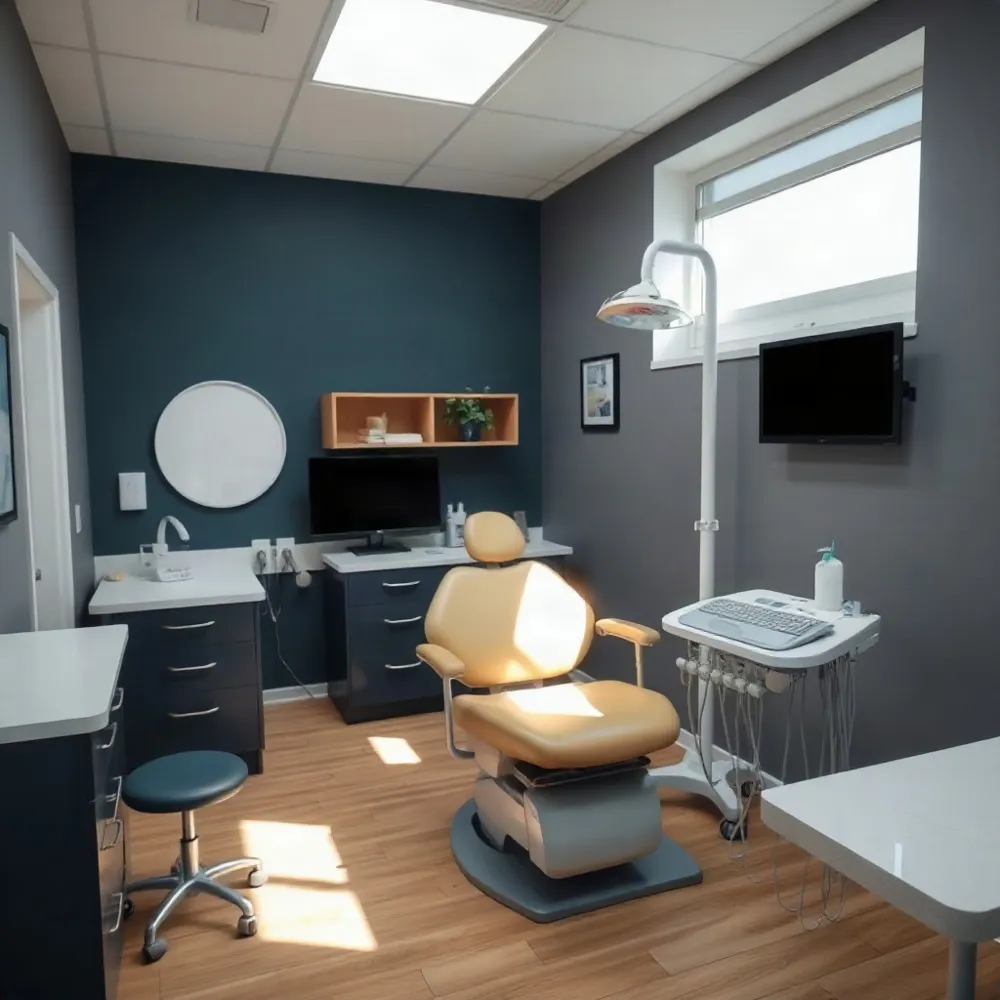 A routine checkup usually begins with a conversation about your dental and medical history. Tell the team about medications, recent health changes, symptoms, and anything you would like the dentist to address. This context helps the dentist tailor the examination to your needs.
A hygienist or dental assistant may clean your teeth, removing plaque and hardened tartar before polishing them. The cleaning is separate from the exam, even when both take place in one visit. The team can explain what your appointment includes, and you can read more about what to expect during a dental exam.
During the exam, the dentist checks your teeth and gums for signs of decay, gum problems, wear, or changes to existing dental work. They may assess how your bite fits together and look at the soft tissues in your mouth. X-rays are not automatic: the dentist considers your history and examination findings to decide whether images may help assess areas that cannot be seen directly. The ADA’s guidance on dental X-rays emphasizes using imaging when clinically appropriate.
The exact sequence and services can vary with your oral health and the reason for your visit. At drparrella.com, preventive maintenance includes a comprehensive exam and digital X-rays as needed, so imaging decisions are tied to the patient’s situation.
After the examination, the dentist discusses findings and possible next steps with you. Ask questions if anything is unclear, and mention concerns even if they seem minor. For a closer look at the usual appointment sequence, see this step-by-step walkthrough of a first dental visit.
The Services That Support Prevention
 Preventive care usually combines routine dental exams with professional cleanings. Exams let the dental team check teeth, gums, and existing dental work, while cleanings remove plaque and tartar that brushing may not reach. At Dr. Parrella’s practice, preventative maintenance includes a comprehensive exam and digital X-rays when needed, rather than assuming imaging is required at every visit.
X-rays can show concerns that are difficult to see during a visual exam, but the decision to take them should reflect a patient’s history and current needs. The American Dental Association’s recommendations on dental X-rays advise using imaging when clinically necessary.
Depending on age and cavity risk, a dentist may also recommend fluoride or sealants. The team can discuss brushing and flossing habits, suggest suitable home-care tools, and recommend a custom mouthguard for sports or nighttime grinding when appropriate. These options are tailored to the person, not automatically included in every visit.
Preventive services aim to lower the risk of future problems and identify concerns early. Treatment for an existing issue is different: a root canal, for example, treats damage or infection inside a tooth and is generally classified as restorative or endodontic care. It may help preserve the tooth, but it is not usually considered preventive for insurance purposes. Coverage varies, so patients can ask the dental office to review their benefits.
Choosing a Schedule That Fits
Many people are advised to schedule a dental checkup and cleaning about every six months, but there is no single interval that suits everyone. The American Dental Association says visit frequency can be tailored to a person’s assessed needs and risk, rather than following one fixed schedule (ADA guidance on home oral care).
Your dentist may suggest visits more or less often based on your dental history, cavity or gum-disease risk, medical conditions, and other factors. After treatment for gum disease, periodontal maintenance may follow a different schedule from routine cleanings. At drparrella.com, preventive visits include an exam and cleaning, with digital X-rays taken when needed, so recommendations can reflect your current oral-health needs.
A routine appointment with a cleaning commonly takes about 30 to 60 minutes, though the time depends on what is planned and your individual needs (Cleveland Clinic’s guide to dental cleanings). If you are a new patient, have concerns to discuss, or expect extra cleaning, mention that when booking so the office can allow enough time.
Regular visits can help identify concerns before they cause pain. Ask when you should return, what the next visit will include, and which findings or risk factors shaped the recommended interval.
Checking Soft Tissues and Overall Health
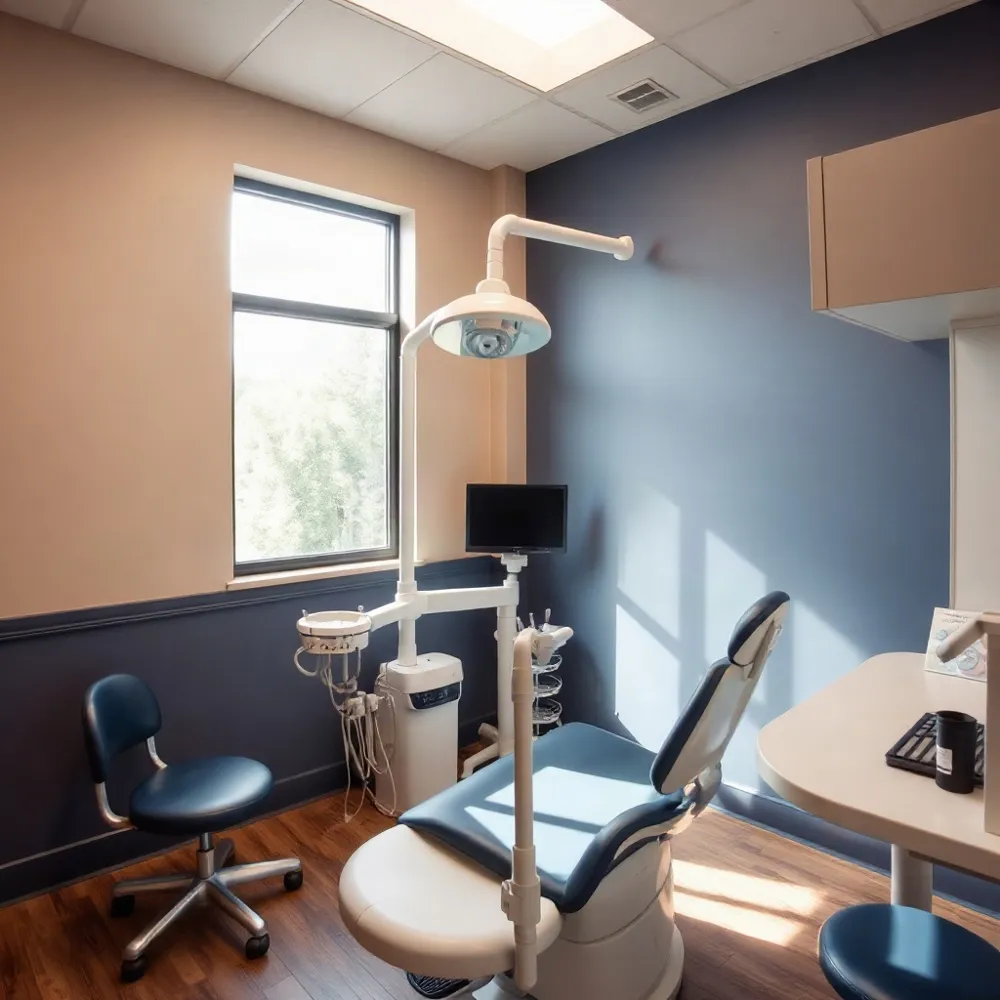 An oral exam can include more than checking teeth and gums. The dentist may look at your lips, cheeks, tongue, the roof and floor of your mouth, and the tissues of your throat, jaw, and neck. At drparrella.com, the comprehensive exam described in the practice’s preventive maintenance services also considers gums, restorations, and alignment.
A routine oral cancer screening is usually a visual check for sores or red and white patches. The dentist may also gently feel tissues for lumps or unusual areas and check the throat and neck. Screening can identify changes that deserve closer attention, but an exam alone cannot determine whether a spot is cancerous. The Mayo Clinic’s guidance on oral cancer screening explains that follow-up or a biopsy may be recommended when an area remains concerning.
Contact a dentist about a sore that does not heal, a lump or thickened area, a red or white patch, unexplained bleeding, ongoing mouth pain, or difficulty chewing or swallowing. Mention a change that persists or concerns you, even if it is not painful. If a finding needs further attention, the dentist can discuss monitoring, testing, or referral to an appropriate specialist.
Can a dentist spot signs of health problems during an oral exam? Yes. Changes in the mouth, such as gum inflammation, unusual spots, or jaw tenderness, can point to a dental concern or warrant follow-up. They do not, by themselves, diagnose a broader medical condition. Your dentist may ask about symptoms, health changes, and medications, then recommend that you speak with a physician or specialist when appropriate.
Understanding Coverage and Costs
Dental plans often classify routine exams and professional cleanings as preventive care, and may include some X-rays. Coverage is not the same across plans: limits on service frequency, network rules, copays, deductibles, and covered procedures can all affect what you pay. Review your policy or contact your insurer to confirm the details.
The cost of a visit depends on what it includes and on your individual needs. An exam and cleaning may be scheduled together, while X-rays or other tests may be billed separately and should be based on clinical need. The American Dental Association’s recommendations for dental X-rays advise dentists to consider a patient’s history and examination findings when deciding whether imaging is appropriate.
Before your appointment, ask the dental office what services are planned, whether any may involve an extra charge, and whether an estimate is available. You can also ask your insurer how the services are handled under your plan. The coverage details for dental treatment can help explain why benefits and out-of-pocket costs vary.
At drparrella.com, the practice’s preventative maintenance visits include a comprehensive exam, with digital X-rays as needed for early detection. Confirming your benefits and expected costs before care helps you make an informed plan without assuming that every service is covered.
Making Prevention Part of Daily Care
What you do between appointments supports the care you receive in the dental office. The American Dental Association recommends brushing twice daily for two minutes with fluoride toothpaste and cleaning between your teeth every day. The right method may be floss, an interdental brush, or another tool you can use consistently, as explained in the ADA’s home oral care guidance.
At drparrella.com, preventive maintenance includes a comprehensive exam and digital X-rays when needed, alongside care shaped around your oral health. Your dentist can discuss brushing technique, products, diet, and other habits based on your needs and preferences, then help you choose a routine you can keep.
Daily care is not one-size-fits-all. If a tool feels awkward or a recommendation is hard to follow, mention that so the dental team can talk through alternatives. The ADA also advises tailoring home-care guidance to each person’s risks and preferences.
If you feel nervous or have questions, tell the team before or during your visit. They can explain what to expect and clarify the purpose of recommendations, helping you make informed choices about your care.
A Clear Plan for Your Oral Health
A preventive visit gives you time to understand what your dental team sees, ask questions, and agree on practical next steps. At drparrella.com, preventive maintenance includes a comprehensive exam and digital X-rays when needed, with recommendations shaped by your oral health.
Between visits, follow the home-care advice that fits your needs. The American Dental Association’s home-care guidance supports personalized routines rather than a single approach for everyone.
Do not wait for a routine appointment if you have persistent tooth pain, swollen or bleeding gums, or another ongoing concern. Contact your dentist for guidance, and agree on a visit schedule based on your health and risk factors. A clear plan can help you address changes early and feel more confident about your care.