Arrive Ready for a Comfortable Visit
Preparing for a first dental appointment does not have to be complicated. A few details gathered ahead of time can help the dental team understand your health, address your concerns, and make the visit feel more comfortable.
Set aside a photo ID and, if you have one, your dental insurance card. Make a note of current medications, relevant medical or dental history, and any symptoms or questions you want to discuss. Dental records commonly include medical and dental histories, so accurate information helps create a useful care record, as the American Dental Association’s guidance on patient records explains.
Before you go, contact the office to ask whether forms are available in advance and whether it needs anything else. At drparrella.com, the family-run Somerville practice emphasizes personalized, comprehensive care, so sharing your concerns and health information can help the team understand what matters to you.
Pack the Essentials and Your Health Information
 A few details prepared ahead of time can help the dental team build an accurate picture of your health and make check-in easier. The American Dental Association’s guidance on dental records describes records that may include medical and dental histories, medication information, and relevant care notes.
What should I bring to my first dental appointment?
Bring a photo ID, your dental insurance card or policy details if you have coverage, and a way to pay any expected costs. If you do not have insurance, ask the practice about payment options when you call. At drparrella.com, care is provided by a family-run Somerville practice, so you can contact the office directly to confirm what to bring and ask about costs.
Prepare a current list of medications, vitamins, supplements, allergies, and relevant medical conditions. These details can affect care planning, so include accurate information even if a condition or medication seems unrelated. If you are unsure of a medication’s name or dosage, bring its container or a clear photo of the label.
If you have seen another dentist, keep their name and contact information handy. Ask whether recent dental records or X-rays can be sent to the new office before your visit. Existing records can provide useful context, but they are not essential. The dentist can request records or take images when clinically appropriate.
Write down symptoms and questions you want to raise, such as pain, sensitivity, bleeding gums, or goals for your care. A short note can help you remember details during the conversation and gives the dental team a clearer understanding of your concerns.
Before the appointment, contact the practice to confirm which forms or documents it needs and ask whether paperwork can be completed in advance. If you need to fill out forms at the office, arrive a little early so you have time to complete them without feeling rushed.
Know What New Patient Forms May Ask
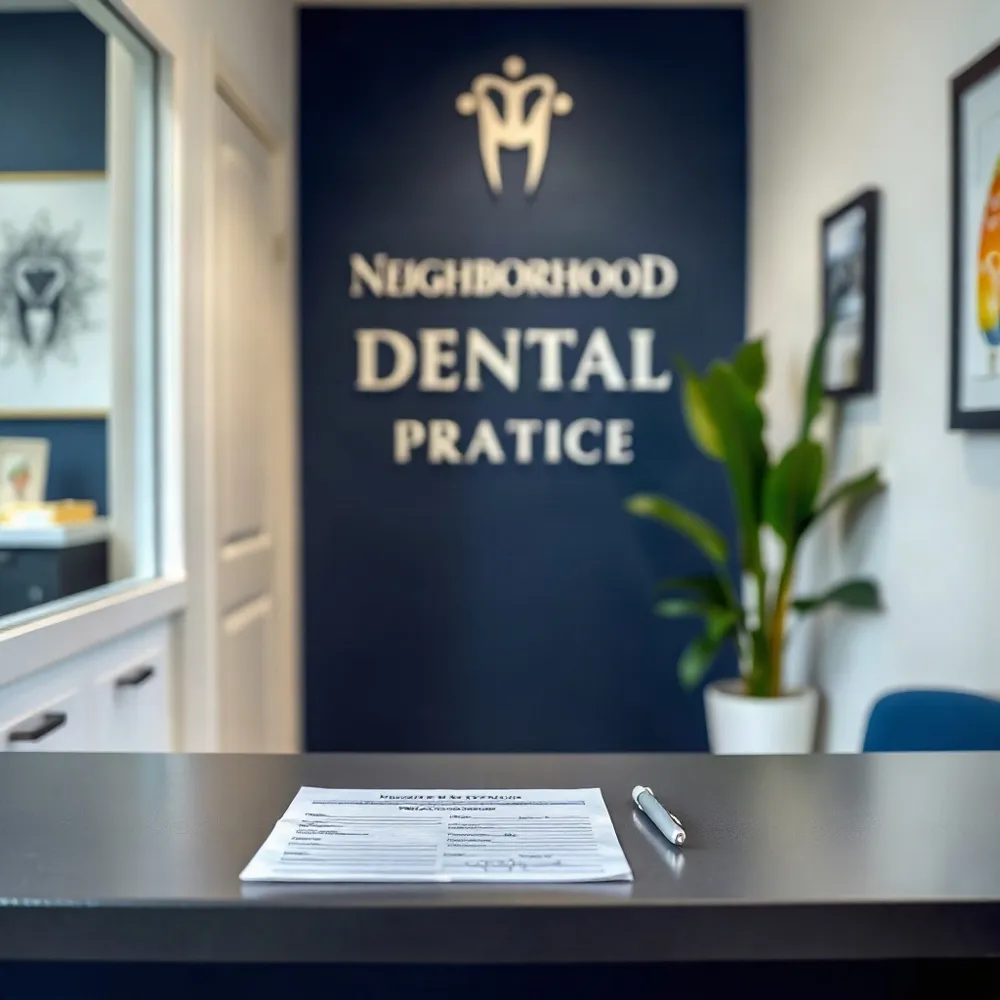 New-patient forms help the dental team create an accurate record and understand what brings you in. The American Dental Association’s guidance on dental records notes that records commonly include identifying details, contact information, and medical and dental history.
You’ll usually be asked for your name, date of birth, address, phone number, email, and preferred contact method. Forms may also request an emergency contact, the person responsible for payment, and dental insurance plan or member information.
Health questions may cover current and past medical or dental conditions, medications, allergies, and the reason for your visit. You may also be asked to review payment policies, privacy notices, or consent forms. Requirements differ by practice, so ask the office how to complete anything you’re unsure about and how to submit forms securely.
At drparrella.com, the family-run Somerville practice emphasizes personalized care and clear communication. Contact the office directly if you need help with its forms or have questions about sharing sensitive health information.
Prepare Without Changing Your Routine
For most routine dental visits, there is nothing special you need to avoid. You can generally eat as usual and brush gently beforehand. If you want more practical preparation guidance, see these tips for preparing for a dental exam.
Keep taking prescribed medication unless your dentist or prescribing clinician tells you otherwise. Let the dental team know about your medications, allergies, and any recent changes to your health. Accurate medication and health details help the practice maintain a useful care record, as described in the American Dental Association’s guidance on dental records.
Preparation may differ if you are having sedation or another procedure. Follow the office’s specific directions about eating, drinking, and medication rather than assuming you need to fast. If you are uncertain about a food, drink, medication, or instruction, call the office before your appointment.
Understand the First Appointment
 A first visit gives you and the dental team time to discuss your health and what you hope to address. At Dr. Parrella’s family-run practice in Somerville, care is shaped around each patient’s history and concerns, rather than a one-size-fits-all checklist.
The appointment usually starts with a review of your medical and dental history, current medications, symptoms, and any goals or questions. Accurate information helps the team keep your record complete and relevant to your care, as outlined in the American Dental Association’s guidance on dental records. You can also raise concerns about past dental experiences or anything that may make the visit more comfortable.
The dentist examines your teeth, gums, bite, existing dental work, and other tissues in your mouth. The evaluation may include checking gum health or an oral cancer screening. If X-rays would help assess areas that cannot be seen directly, such as between teeth or beneath the visible tooth surface, the dentist may recommend them and explain why.
A professional cleaning may take place during the visit or be scheduled for another time, depending on your needs and the practice’s approach. Ask when booking whether an exam and cleaning are planned together, so you know what to expect.
Before you leave, the dentist should review the findings, answer your questions, and explain any recommended next steps. You can ask about the purpose and timing of a proposed treatment, along with alternatives, before deciding how to proceed. For a fuller walkthrough of an adult first visit, see what to expect during the first examination.
Plan a Child’s First Dental Visit
Schedule a child’s first dental visit by the first birthday or within six months after the first tooth appears, whichever comes first. Early visits let the dentist check development and offer preventive guidance. There is no need to wait for more teeth: baby teeth can develop cavities soon after they appear, according to the American Dental Association’s guidance on a baby’s first dental visit.
During the appointment, the dentist checks the teeth, gums, jaw, and other oral tissues for signs of cavities or concerns with growth. A baby who is not comfortable sitting alone may be examined while resting on a parent’s lap. Depending on the child’s age and needs, the visit may also include a gentle cleaning. The first-visit guidance for children describes an exam focused on oral development and practical care.
The dentist can show you how to clean your baby’s mouth and discuss brushing as teeth appear, feeding habits, teething, and pacifier or thumb-sucking. Bring questions about daily care or anything you have noticed. At Dr. Parrella’s family-run practice in Somerville, care is personalized, giving families space to discuss their child’s needs and concerns.
Choose a time when your child is usually rested, and explain the visit in a calm, positive way. Some wiggling or crying is normal when the experience is new. The dental team can work with you to help your child feel more at ease. For more on timing and early care, see this guide to a child’s first dental visit.
A Little Preparation Builds Confidence
A current medication list, relevant health information, and a few written questions can help you feel ready to talk through your needs. Dental records include medical and dental history, so sharing accurate details helps the team document care appropriately, as explained by the American Dental Association’s guidance on patient records.
Before the appointment, check with drparrella.com about any forms or items the office needs. During the visit, mention symptoms, concerns, or past experiences that may affect your comfort. Open communication helps the dental team respond to your individual needs and discuss preventive care that supports your oral health over time.