Modernizing Diagnostic Excellence at Our Somerville Practice
At our family-run practice, we believe that providing the highest standard of care means adopting tools that prioritize both diagnostic precision and patient comfort. By moving away from traditional film-based methods, our Somerville office now utilizes digital radiography to better serve our neighbors. This shift allows us to capture high-resolution images instantly, eliminating the need for the time-consuming chemical processing required by older film systems.
Modern digital dental X-rays offer significant safety improvements, reducing radiation exposure by 80% to 90% compared to conventional film. Because these systems use sensitive electronic sensors, we can achieve clear, detailed views of your oral health while adhering to the ALARA principle of keeping exposure as low as reasonably achievable.
Our commitment to modernizing dental technology goes beyond safety. Digital sensors allow us to magnify images and adjust contrast in real-time, helping us detect issues like early-stage cavities or bone loss that might otherwise remain hidden. By maintaining these records electronically, we facilitate seamless communication for specialist referrals and ensure that your care remains coordinated, efficient, and deeply personalized for your family's long-term health.
Understanding the Shift from Film to Digital Sensors
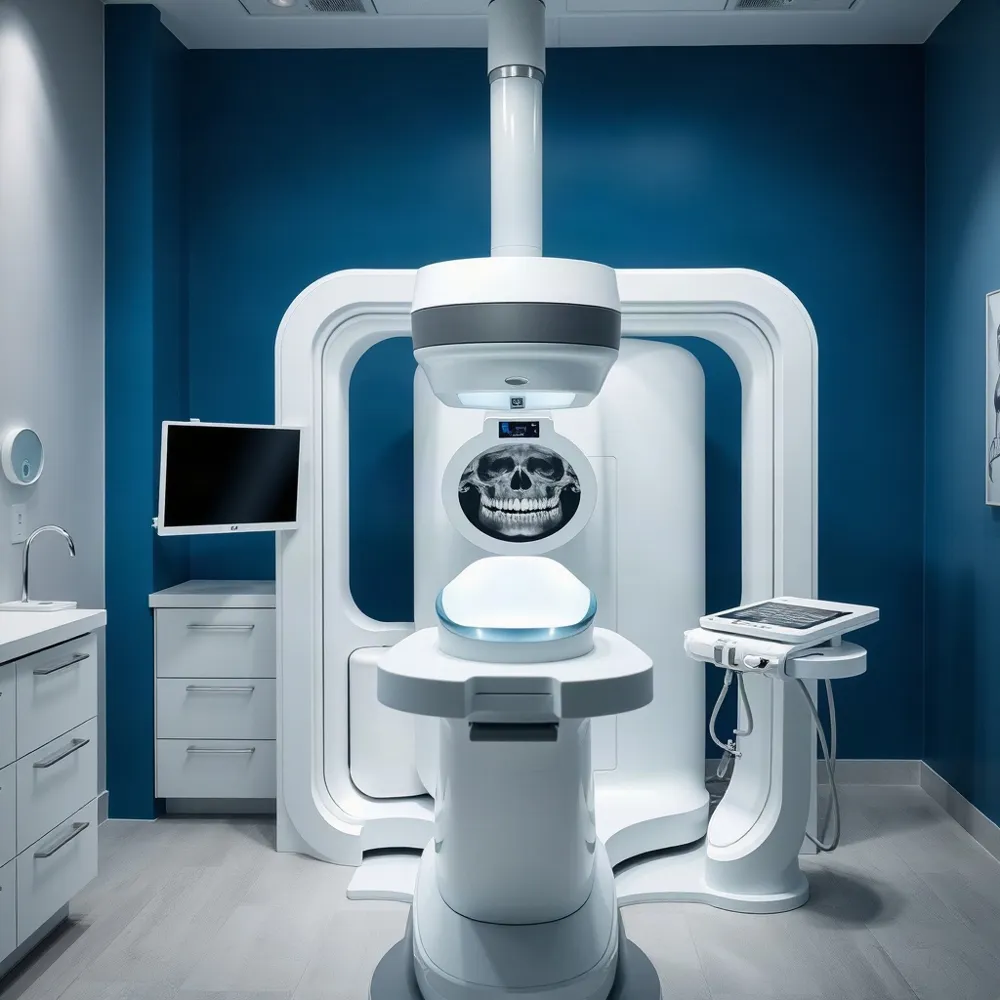 The primary difference between traditional and digital dental X-rays lies in how images are captured and processed. Traditional radiography relies on physical film that requires manual development in a darkroom using hazardous chemical solutions. In contrast, digital radiography employs electronic sensors to capture high-resolution images that appear instantly on a chairside computer screen.
At drparrella.com, we have adopted these digital sensors to significantly enhance patient safety. This technology reduces radiation exposure by 70% to 90% compared to traditional film-based methods. Beyond safety, the digital format allows our team to manipulate images in real-time by adjusting contrast, brightness, and magnification, providing greater diagnostic clarity during your appointment.
The transition to digital systems also optimizes our office workflow by eliminating the time-consuming darkroom processing stage. Digital imaging enables immediate results, which minimizes wait times and allows for more efficient communication regarding your treatment plan. Because these records are stored electronically, your data is securely archived and easily retrievable, supporting a seamless continuity of care whether you are here for a routine cleaning or a restorative procedure.
Prioritizing Safety and Minimal Radiation Exposure
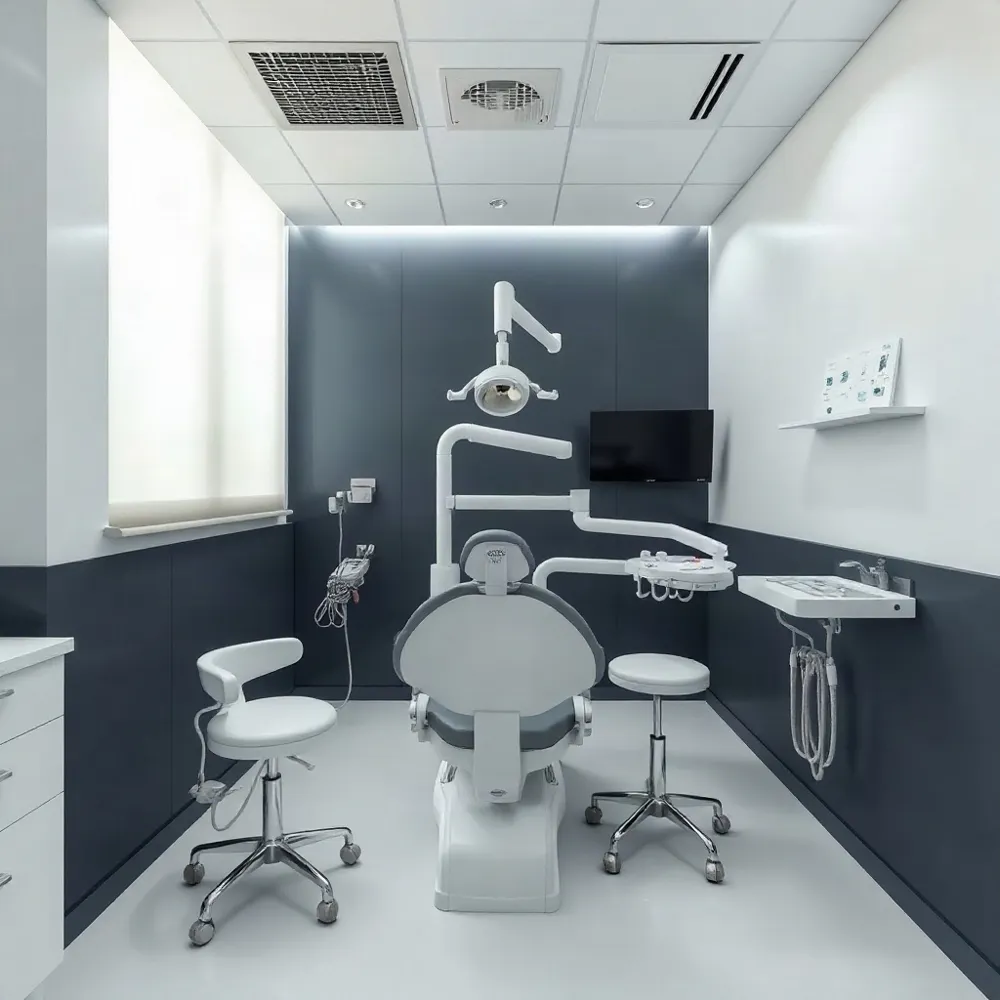 Are digital dental X-rays safer in terms of radiation dose? Yes, digital dental X-rays are safer than traditional methods because they require significantly less radiation to capture high-quality images. A single digital X-ray typically exposes a patient to only about 0.005 mSv of radiation, an amount comparable to just a few hours of natural background radiation. When compared to other common medical procedures, such as a standard chest X-ray or a CT scan, the radiation dose from digital dental imaging is exceptionally low. Because of this minimal exposure, dental professionals can now prioritize patient safety more effectively while maintaining the diagnostic precision needed for your oral health. Our practice utilizes this advanced technology to ensure that your care is both comprehensive and as conservative as possible.
At drparrella.com, we emphasize the ALARA principle, which stands for as low as reasonably achievable. This safety protocol ensures that we keep exposure at the lowest possible levels while still obtaining the critical information needed for treatment. By using modern digital sensors, we achieve a significant reduction in radiation, often between 70% and 90% compared to traditional film-based radiographs. This proactive approach to safety is a core part of our commitment to the families in Somerville.
Beyond technological precision, we integrate digital radiography to minimize the need for repeat scans. While older film methods often required retakes due to processing errors, our digital systems at drparrella.com provide immediate feedback. This instant visibility allows us to confirm image quality before you even leave the chair, further reducing your total exposure to ionizing radiation.
Enhanced Diagnostic Precision for Better Patient Outcomes
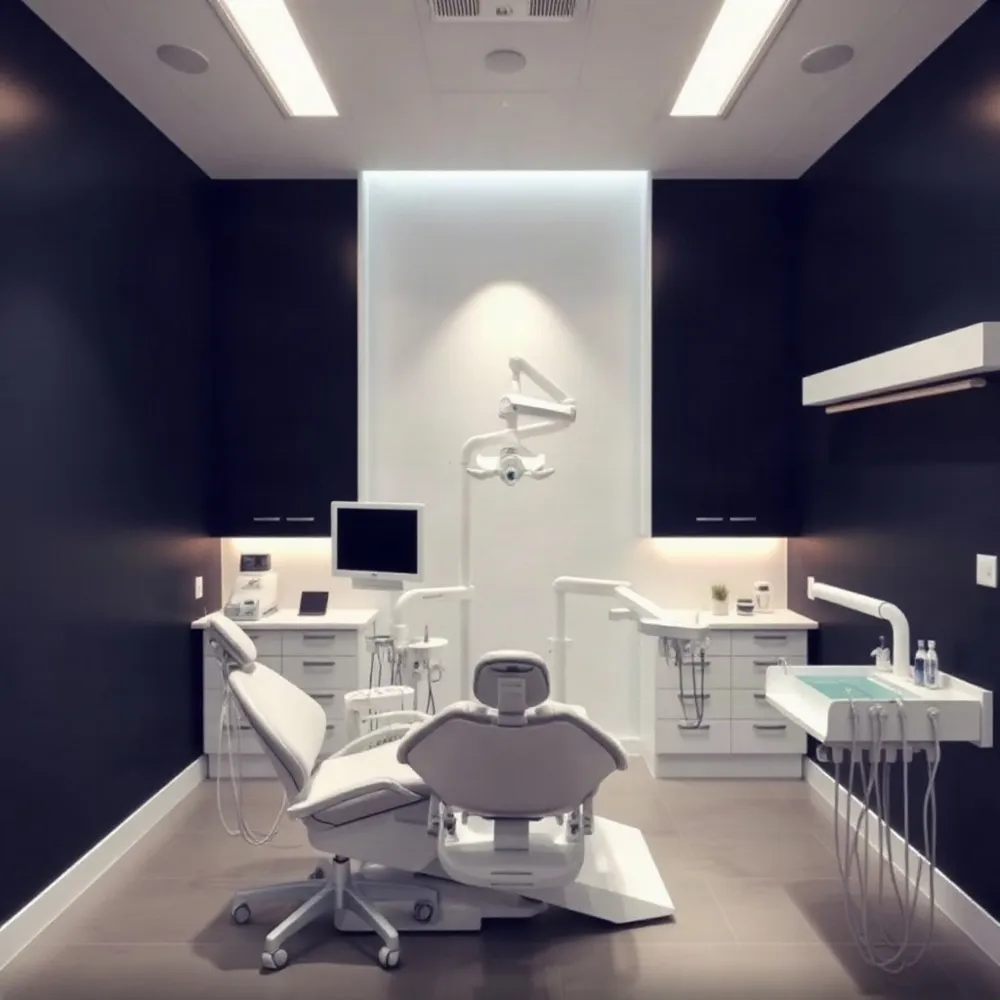 The transition to digital radiography represents a significant leap in our ability to provide high-quality care to our Somerville community. Unlike older film-based methods that offer limited gray scale detail, modern digital sensors capture a much broader range of data. This allows for sharper high-resolution images that reveal intricate oral structures with exceptional clarity.
At drparrella.com, we prioritize these diagnostic tools to ensure accurate assessments for every patient. While many traditional practices rely on static film, our digital systems allow for immediate, real-time image manipulation. By adjusting contrast, brightness, and magnification, we can identify early-stage concerns such as initial tooth decay or minor bone loss that might be invisible to the naked eye on conventional film.
What are the primary advantages of digital X-rays in a dental setting?
Digital X-rays offer a superior patient experience by significantly reducing radiation exposure, often by up to 90%, compared to traditional film per the American Dental Association. The technology provides nearly instantaneous image processing, which eliminates the need for darkroom development and allows us to discuss your dental health with you in real time. These images feature vastly higher clarity and detail, and with specialized software, we can manipulate contrast or zoom in to identify tiny fractures or early-stage concerns that might otherwise be missed. Furthermore, digital records are easily stored and transferred, facilitating seamless collaboration should you require a specialist's care. By eliminating the need for chemical developers and physical film, this technology also supports a more environmentally conscious and efficient dental practice.
Navigating Diagnostic Recommendations and Patient Rights
How often are dental X-rays necessary for a routine patient?
There is no universal schedule for dental X-rays, as the necessity depends entirely on your unique oral health, age, and individual risk factors for disease. At our practice, we prioritize your safety by following the ALARA principle, which ensures that radiation exposure is kept "As Low as Reasonably Achievable" while still providing the essential diagnostic information we need. Before recommending any imaging, Dr. Parrella performs a thorough clinical examination to determine if X-rays are required to support your specific treatment planning and care. We encourage open communication, so please feel free to ask us about why a particular X-ray is recommended for your visit. Our goal is to provide comprehensive, preventive care that is tailored specifically to your needs, ensuring you receive only the imaging necessary for your long-term dental health.
Can I refuse dental X-rays?
Patients have the legal right to refuse dental X-rays, but it is important to understand that this does not change your dentist’s clinical obligation to provide care that meets a safe standard. Dental radiographs are essential tools used to detect hidden issues like decay between teeth, bone loss, infections, or cysts that cannot be identified during a standard physical exam. If you choose to decline these images, your dentist will likely discuss the specific diagnostic risks involved, such as the potential for conditions to worsen or for treatment to be incomplete or unsuccessful. At our practice, we prioritize open communication to ensure you feel informed about why these images are recommended for your long-term health. Ultimately, if essential imaging is refused, your dentist may need to limit the procedures they can safely perform to ensure your well-being.
We believe that informed patients make the best partners in oral health. Whether we are discussing an individualized diagnostic schedule or exploring treatment options, we strive to make the process transparent and comfortable. If you have concerns about the necessity of imaging or want to understand your diagnostic plan, please speak with our team during your next comprehensive dental evaluation at our Somerville office.
Considerations and Implementation of Digital Systems
Transitioning to digital radiography involves a strategic investment for any dental practice. At drparrella.com, we prioritize a seamless shift by carefully balancing hardware procurement with ongoing staff training to ensure our team can effectively utilize these sophisticated diagnostic tools. Unlike traditional film setups, digital systems require initial capital for sensors and imaging software, yet this commitment directly supports the high standard of accuracy our local families expect.
A notable consideration is sensor ergonomics. Because digital sensors are often slightly thicker than conventional film, our team focuses on careful positioning to accommodate patients with diverse anatomical needs, including smaller mouths. While some practices might struggle with the initial learning curve, we prioritize patient comfort by using equipment that minimizes the time required in the chair.
Data security and technical reliability also form a core part of our practice management. By moving away from physical film to secure electronic health records, we enhance our ability to retrieve and protect sensitive patient information. Unlike facilities that may rely on legacy hardware, drparrella.com maintains robust systems that facilitate quick, secure communication with specialists, ensuring your dental records are both accessible and protected.
What are the potential disadvantages of transitioning to or using digital radiography?
While digital radiography offers many benefits for patient care, practices may face initial challenges during the transition, such as the significant cost of purchasing new sensors and imaging hardware. Staff must also undergo comprehensive training to master the software and new image-capture techniques, which requires an investment of time and resources. Clinically, some dental professionals find the physical sensors to be thicker or less flexible than traditional film, which can occasionally make positioning more difficult for patients with smaller mouths. Additionally, as with any digital technology, practices must remain vigilant regarding data security and the technical reliability of their network systems. Finally, the learning curve associated with adapting to digital diagnostic tools can initially impact the speed and workflow of routine dental examinations.
Embracing Technology for a Healthier Community
Adopting digital radiography has become the standard of care because it delivers faster results, higher diagnostic clarity, and significantly lower radiation levels than older methods. Our team remains dedicated to providing this level of modern, compassionate dentistry to every family in our Somerville practice.
We believe that informed patients make better health decisions. We encourage you to discuss your specific oral health needs or any questions regarding our diagnostic tools directly with Dr. Parrella during your next visit.