Understanding the Foundation of Long-Term Oral Health
Preventive care is a proactive health strategy that focuses on maintaining your smile and systemic wellness before problems arise. Rather than reacting to pain or damage, this approach aims to identify issues early, when interventions remain minor and costs stay predictable. At drparrella.com, we emphasize that the most effective way to avoid invasive procedures like root canals is through consistent, non-invasive maintenance.
Your daily routine serves as the first line of defense. Brushing twice daily with fluoride toothpaste and flossing once a day helps control plaque, but even meticulous home care cannot remove hardened tartar. Professional cleanings and routine examinations allow your dental team to access areas missed at home and provide personalized hygiene strategies. Research shows that consistent routine dental attendance results in significantly fewer decayed surfaces and better long-term oral health outcomes.
These visits serve as more than just a cleaning session. Oral health acts as a gateway to your total physical health linking to systemic conditions such as diabetes and cardiovascular disease. By prioritizing these regular check-ups, you gain a partner in monitoring your health, ensuring that any early signs of broader concerns are addressed promptly.
Why Preventive Care Is Essential for Your Long-Term Health
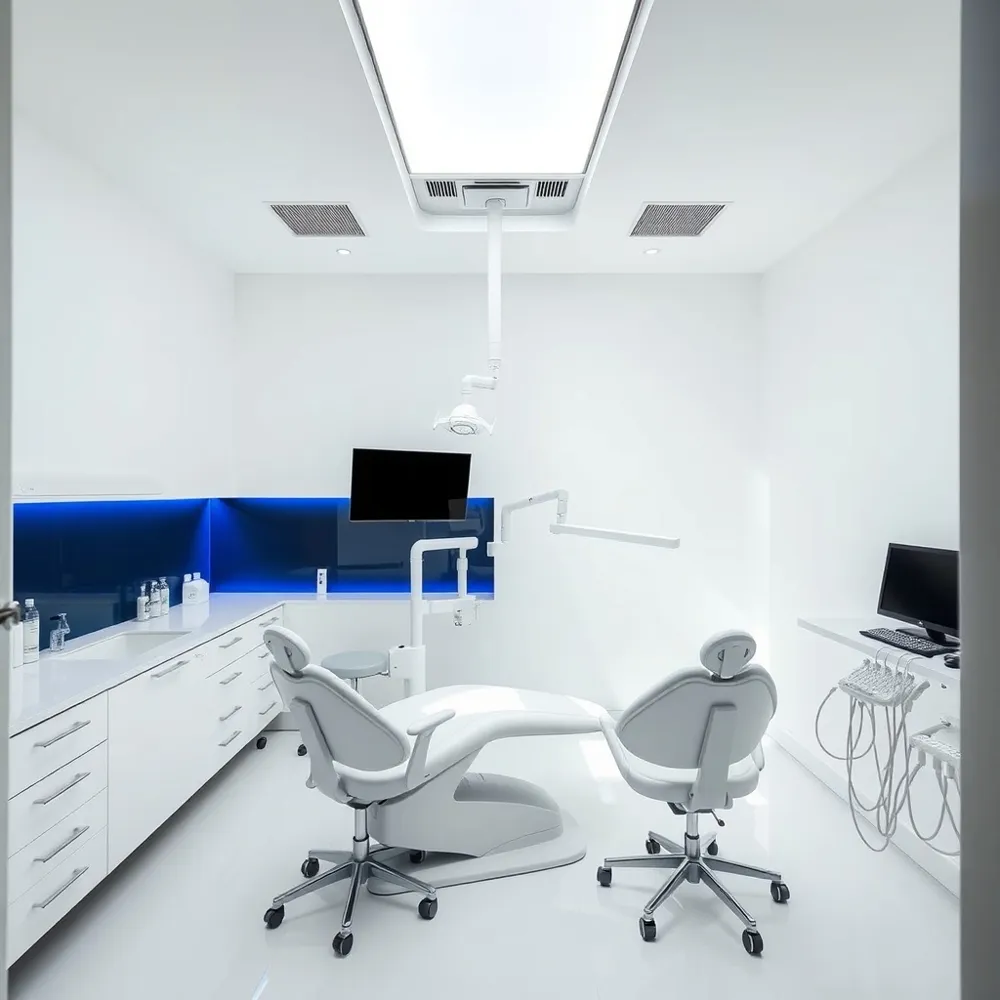 Preventive dental care serves as the cornerstone of lifelong oral health by allowing for the early identification of cavities and periodontal disease before they escalate into painful, complex conditions. As noted in the Dunedin Multidisciplinary Health and Development Study, routine dental attendance is strongly linked to fewer missing teeth and healthier oral outcomes well into adulthood. At drparrella.com, we prioritize this proactive defense, helping families in Somerville avoid the discomfort and expense associated with restorative procedures like root canals or extractions.
Beyond surface-level aesthetics, consistent professional care is vital for maintaining the structural integrity of your natural teeth. Even with diligent at-home brushing and flossing, professional cleanings are the only way to remove hardened plaque and tartar that accumulate in hard-to-reach areas. By scheduling routine exams, you can catch oral health problems early, ensuring that your teeth remain strong and functional for years to come.
There is a deep connection between your mouth and your systemic health. Research indicates that oral inflammation may exacerbate chronic issues, including heart disease and diabetes. Regular visits to our office offer more than a cleaning; they provide a diagnostic window into your overall wellness, allowing us to screen for early markers of systemic disease. When you choose preventive dentistry at our practice, you benefit from a high-value strategy that reduces the cumulative need for reactive, high-cost medical interventions later in life.
- Routine cleanings serve as a primary barrier against tooth decay and gum disease.
- Early detection tools, such as digital radiographs, allow us to see issues invisible to the naked eye.
- Consistent dental attendance is associated with a significantly reduced risk of emergency department visits.
- Preventive habits established in childhood support better lifelong health outcomes.
Core Components of a Proactive Preventive Dental Routine
 Preventive dental care is a cornerstone of maintaining lifelong oral health and involves a combination of professional clinical services and your daily home habits. By prioritizing these regular assessments, you can actively mitigate the risks of costly procedures, as research shows that for every $1 invested in preventive services, patients save between $8 and $50 on future restorative treatments.
What services are typically included in preventive dental care?
At drparrella.com, our approach to care centers on routine professional examinations, teeth cleanings, and diagnostic X-rays. These tools act as a primary defense, identifying early-stage decay or periodontal issues that remain invisible to the naked eye. Unlike some practices that may favor reactive management, we emphasize consistent, comprehensive dental coverage to ensure longevity.
Clinical protection also includes fluoride treatments to strengthen enamel and the use of custom oral appliances. If you participate in sports or struggle with nighttime grinding, a custom mouthguard can prevent irreversible tooth wear and damage, sparing you from the expense of extensive restorative work later.
Your role at home is equally significant. Consistent maintenance requires brushing twice daily with fluoride toothpaste and flossing once every day to remove debris that professional cleanings cannot address between visits. Adopting these habits is linked to better oral health outcomes throughout adulthood, ensuring your natural smile remains healthy for years to come.
The Economics of Prevention: Saving Money Through Proactive Care
 Investing in routine dental visits is one of the most effective ways to manage your long-term health expenses. Because oral health is closely linked to systemic wellness, catching issues like periodontal disease early prevents complications that often lead to higher overall medical costs. Research suggests that for every $1 spent on preventive dental care, patients can save between $8 and $50 in restorative or emergency treatment costs.
At drparrella.com, we emphasize that standard exams and cleanings serve as your primary defense against advanced decay. By removing hardened plaque and tartar that home hygiene misses, these comprehensive dental services help you avoid the high financial burden of treatments like crowns, root canals, or implants. While problem-oriented attenders often face mounting costs when issues reach a breaking point, routine checkups allow for timely, minimally invasive interventions.
How does preventive dental care reduce overall healthcare costs?
Preventive services reduce costs by stopping the progression of oral health issues before they require complex care. Many dental conditions remain asymptomatic in their early stages, meaning pain typically signals an advanced state. Studies regarding preventive dental visits indicate that even a single annual appointment leads to lower total dental expenditures compared to sporadic attendance. For patients managing chronic conditions like periodontitis, consistent maintenance care is vital to avoiding costly surgical procedures.
Navigating Dental Insurance and Understanding Coverage Tiers
Many patients find that dental costs remain a surprise even when they maintain consistent coverage. This often occurs because dental insurance functions primarily as a supplement for preventive care rather than as comprehensive medical insurance. While routine cleanings and exams often receive full coverage, plans frequently impose strict annual maximums—often ranging between 1,000 and 2,000 dollars—that limit how much the insurer will pay in a single year.
Why does dental work sometimes feel expensive even with insurance coverage?
Insurance benefits typically follow a tiered structure where the patient assumes a larger percentage of costs for restorative treatments like crowns or bridges compared to basic checkups. Unlike some general medical plans, these budgets treat major restorative work as high-cost events that quickly exhaust policy caps. At drparrella.com, we strive to demystify these coverage tiers by providing transparent treatment plans that prioritize your long-term health.
Beyond the intricacies of billing, the cost of quality care reflects deep investments in advanced diagnostic tools, professional training, and durable materials designed to last. Our experienced team focuses on the preventive strategies that help you avoid reaching those restorative cost thresholds altogether. By maintaining a home routine and seeing us for regular assessments, you safeguard both your smile and your financial planning.
Distinguishing Between Preventive and Comprehensive Insurance Plans
Understanding how your dental benefits function is essential for managing your family's long-term healthcare budget. Insurance providers typically classify services into two distinct tiers: preventive care and comprehensive or major restorative work. Each category carries different expectations for your out-of-pocket costs and influences how you should plan for your care throughout the year.
What is the difference between preventive and comprehensive dental insurance coverage?
Preventive dental insurance is designed to protect your long-term oral health by covering routine procedures like checkups, cleanings, and diagnostic X-rays, which are essential for catching issues early. In contrast, comprehensive dental coverage addresses restorative and major dental work, such as fillings, crowns, or root canals, to treat existing problems. While preventive care often has little to no cost to the patient, comprehensive services typically require higher out-of-pocket contributions. Your dental insurance categorizes these treatments based on their complexity, with preventive measures aiming to stop issues before they begin. Understanding these classifications helps you effectively navigate your benefits and avoid surprises when budgeting for your family’s dental needs.
At drparrella.com, we help families in Somerville clarify these coverage tiers during every consultation. By prioritizing preventive dentistry, patients can minimize their exposure to the higher out-of-pocket costs associated with restorative procedures. Maintaining this proactive schedule serves as a vital strategy for long-term health and financial stability.
Financial Planning and Strategies for Accessible Oral Care
Planning for your dental health begins with a clear understanding of your insurance coverage, specifically by reviewing your policy’s annual maximums and network benefits with a benefits counselor. Many patients find that consistent checkups prevent the need for more complex, costly interventions later in life, as regular preventive dental care helps avoid the cascading expenses of emergency procedures.
For costs exceeding your insurance limits or for those without coverage, many practices offer flexible financing solutions such as CareCredit or low-interest personal loans to help manage expenses. While some national chains may provide standardized financial templates, the team at drparrella.com emphasizes personalized financial planning to ensure that treatment fits comfortably within your household budget.
How can patients financially plan for comprehensive or long-term dental care?
We encourage you to schedule a consultation where we can provide a transparent breakdown of expected costs for your specific treatment plan, allowing you to build a proactive, manageable budget. By addressing your dental needs early, you can often mitigate the risk of more complex, costly procedures in the future. Data confirms that for every $1 spent on preventive services, patients can save between $8 and $50 in future restorative or emergency treatment costs. Our team is always here to discuss these options with you, ensuring that exceptional care remains accessible and fits comfortably within your financial planning.
Committing to a Healthier Future Through Consistent Dental Care
Prioritizing your oral health is a foundational investment in your overall well-being. By maintaining regular preventive dental care, you move beyond simple maintenance to proactively safeguarding your smile against future discomfort and expense. Routine attendance provides a reliable defense, helping you avoid the need for complex, costly restorations that often arise from neglected care.
At drparrella.com, we believe that a family-centered approach to dentistry makes all the difference in your comfort and long-term outcomes. Unlike some high-volume corporate clinics, we emphasize building consistent, trusting relationships with our neighbors in Somerville. Taking these steps today directly preserves your future finances and health, ensuring that your path toward a healthier smile remains both accessible and sustainable.