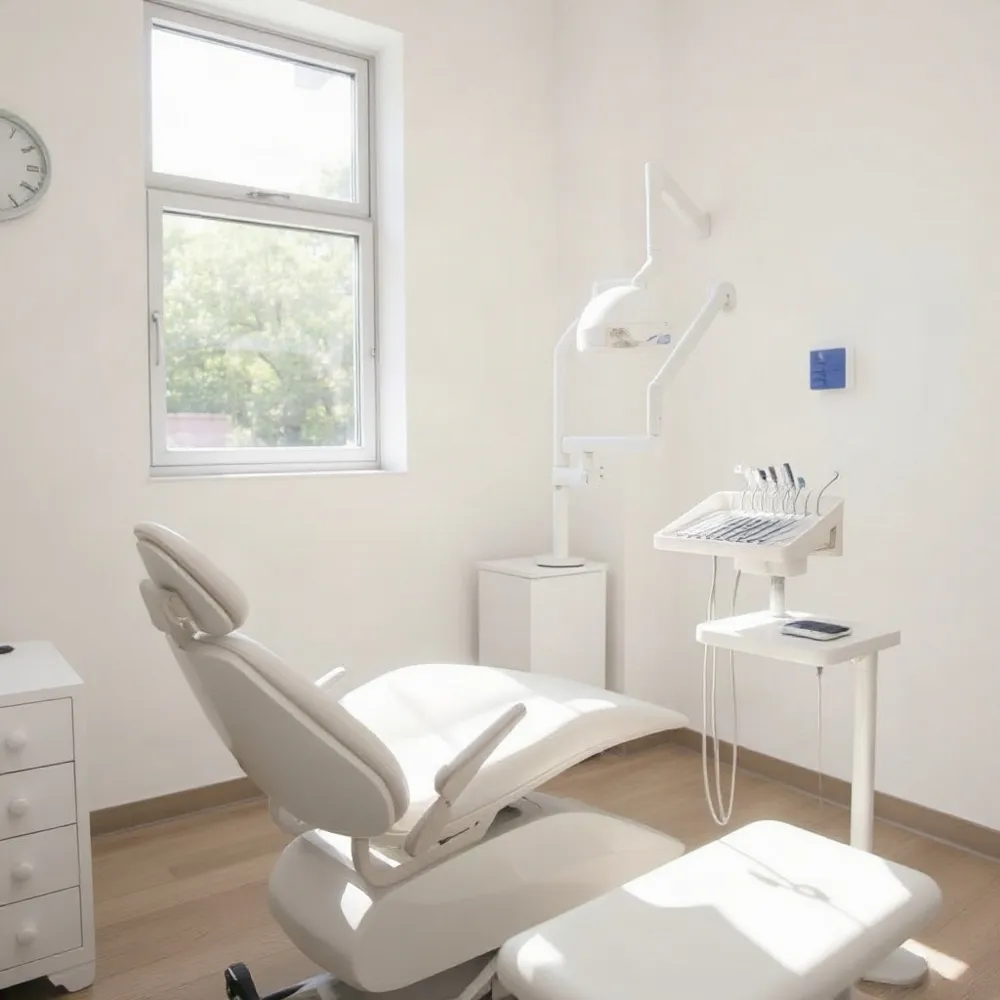
Protecting Your Smile Before Problems Start
Many people assume that treating a cavity or pulling a damaged tooth is the core of dental care. In reality, those procedures repair damage that has already occurred. Working with a practice like Dr. Parrella that emphasizes prevention means catching small concerns before they become serious issues, which is easier on your mouth and on your budget.
Preventive dentistry focuses on routine care that stops decay, gum disease, and enamel erosion from taking hold in the first place. Regular preventive dental checkups and cleanings allow your dentist to identify early warning signs, often while they are still reversible. This approach supports the underlying goal of keeping your natural teeth healthy and functional for a lifetime.
Why Prevention Fits Every Stage of Life
Preventive care is not a one-time fix; it is a long-term commitment that adapts to each life stage. For children, early visits establish comfort with the dental office and guide proper brushing and flossing habits. For adults, routine cleanings manage plaque buildup and catch issues like weakened enamel or early gum disease before they progress. Preventive care for all ages helps older patients maintain existing restorations and monitor for conditions like dry mouth that can increase decay risk.
Children. Early, regular dental visits help establish a positive relationship with oral care and teach proper hygiene habits that last into adulthood.
Adults. Consistent preventive care, including professional cleanings, prevents the buildup of plaque and tartar that leads to cavities and gum disease.
Seniors. Older adults often contend with dry mouth and worn enamel. Routine monitoring helps preserve natural teeth and supports overall wellness, as emphasized by preventive dental care experts.
Beyond the Dental Chair
The benefits of prevention extend far beyond the mouth. Research shows a clear link between oral health and overall physical health, with untreated gum disease associated with conditions like diabetes and heart disease. Parents often overlook this connection, but preventive health strategies also lower long-term healthcare expenses. By addressing issues early, you avoid the need for more complex and costly procedures down the road.
| Focus Area | Preventive Action | Why It Matters |
|---|---|---|
| Cavity Prevention | Fluoride treatments & sealants | Halts decay before it reaches the tooth's inner layers |
| Gum Health | Regular cleanings & brushing | Reduces risk of periodontitis and bone loss |
| Early Detection | Comprehensive exams | Catches issues when they are least invasive |
| Patient Education | Hygiene instruction | Builds sustainable habits at home |
This patient-centered, prevention-first approach is built into the practice of Dr. Parrella. Instead of waiting for a problem to demand attention, the focus stays on regular evaluation and personalized guidance. For local families in Somerville, this means a dental home that supports lifelong oral health through clear communication and compassionate care at every visit.
Understanding the True Goal of Preventive Dentistry
 Preventive dentistry is built on a straightforward idea: stop small problems before they become painful, expensive ones. Regular checkups, cleanings, and daily habits like brushing and flossing form the foundation of this approach. By catching issues early, you avoid the discomfort of more involved treatments and protect the natural structure of your teeth. For an in-depth explanation of how these efforts add up over a lifetime, this guide to preventive care walks through the core principles.
The effects reach beyond your mouth. Research shows that untreated oral health problems are linked to broader health concerns, including heart disease and diabetes. Preventive dental visits from an early age help establish habits that carry into adulthood, reducing the likelihood of complications that affect your whole body. That is why families in Somerville, MA, turn to DrParrella.com for care that treats the whole person, not just the symptom.
Saving Money and Avoiding Pain
One of the most tangible benefits of preventive dentistry is cost savings. A routine cleaning and exam cost a fraction of what a filling, root canal, or extraction requires. According to the University of Illinois Chicago College of Dentistry, regular preventive care reduces the need for costly restorative procedures. Over time, these savings add up significantly, especially when you consider that most dental insurance plans cover preventive visits at 100%.
Beyond finances, preventive visits also minimize pain. Catch a cavity early, and a small filling solves it quietly. Wait until it reaches the nerve, and you are looking at root canal therapy and a crown. The Cleveland Clinic highlights that consistent oral hygiene routines, combined with professional cleanings, are the most effective way to prevent both decay and gum disease. For personalized guidance on maintaining your smile, preventive dentistry at DrParrella.com offers tailored recommendations.
Protecting Your Overall Health
Your mouth is the gateway to your body, and its health affects systems far beyond your teeth and gums. Gum disease, for example, has been linked to cardiovascular issues and complications with blood sugar control. Preventive dentistry addresses this by keeping plaque and bacteria in check, reducing inflammation that can travel through your bloodstream. A preventive care plan at DrParrella.com is designed to support your overall wellness, not just your next checkup.
Building Confidence Through Prevention
A healthy smile also has an emotional side. When your teeth and gums are in good shape, you feel more confident speaking, eating, and laughing in social settings. Preventive care catches staining, wear, or minor misalignment early, allowing for conservative treatments that keep your smile looking natural. The habits you build now pay off with fewer dental emergencies and a more radiant appearance for years to come.
For children, preventive visits set the stage for a lifetime of positive associations with the dentist. For seniors, they help preserve natural teeth and avoid the complications of dentures or implants. Adults benefit from catching issues before they become disruptive. This preventive approach is why DrParrella.com emphasizes early intervention and patient education, ensuring each family member receives care that fits their age and risk level.
| Age Group | Primary Preventive Focus | Key Benefits |
|---|---|---|
| Children | Fluoride, sealants, early cavity detection | Establishes habits, avoids decay in baby teeth |
| Teens | Orthodontic assessments, sports mouthguards | Protects erupting adult teeth, reduces injury risk |
| Adults | Gum care, fillings, stress management (grinding) | Prevents gum disease, saves teeth from extraction |
| Seniors | Dry mouth management, root canal maintenance | Preserves natural teeth, supports overall health |
Preventive dentistry is not a single procedure but a philosophy of care. It combines professional oversight with daily habits, and its rewards compound over time. Whether you are visiting for a routine cleaning or need advice on improving your home routine, DrParrella.com provides the guidance and gentle care that help you keep your smile healthy for life.
The Core Services of Preventive Dental Care
 Preventive dentistry rests on a handful of routine services that work together to keep your teeth and gums healthy. Professional cleanings remove plaque and tartar that daily brushing cannot reach, which lowers the risk of cavities and gum disease. Regular exams allow the dentist to spot early signs of decay, enamel wear, or gum inflammation before they turn into painful problems. For a complete overview of these core services, see our guide to preventive dentistry.
Fluoride treatments and dental sealants add an extra layer of protection, especially for children and teens. Fluoride strengthens enamel against acid attacks, while sealants fill in the deep grooves of molars where food often gets trapped. Oral health education is another pillar; it teaches patients how to brush, floss, and make dietary choices that support a healthy mouth between visits. These preventive measures are backed by research showing that regular dental visits from an early age reduce the likelihood of more serious conditions later in life, as noted in a study on preventive dental visits.
Why Routine Checkups Matter
Skipping the twice-yearly visit may seem harmless, but issues like cavities, gum disease, and even early-stage oral cancer often produce no symptoms until they have advanced. A professional exam can catch these problems when they are still small, inexpensive, and easy to treat. Preventive care also supports overall health, since research links oral conditions to systemic issues like heart disease and diabetes. The American Dental Association recommends a consistent preventive routine, and our practice integrates these principles into every patient's care plan.
Exams. Visual inspection and diagnostic tools that detect decay, gum disease, and other oral health issues early.
Cleanings. Professional removal of plaque and tartar to prevent cavities and periodontal disease.
Education. Guidance on brushing, flossing, and nutrition to help patients maintain oral health at home.
A tailored preventive plan matters most when choosing a dental provider. While some offices focus only on treating problems as they arise, Dr. Parrella's practice emphasizes proactive care designed for each family member's needs. For example, we offer flexible scheduling and transparent pricing that many corporate dental chains do not match, ensuring preventive care stays accessible for Somerville families.
| Service | What It Does | Best For |
|---|---|---|
| Exams | Detect early signs of decay and gum disease | Everyone, every 6 months |
| Cleanings | Remove plaque and tartar buildup | Patients with mild to moderate buildup |
| Fluoride | Strengthens enamel against acid attacks | Children and high-risk adults |
| Sealants | Seal grooves in molars to prevent cavities | School-age children and teens |
Regular preventive visits also save money in the long run. Treating a small cavity costs a fraction of what a root canal or extraction would require, and early gum disease treatment avoids more involved periodontal procedures. The key is consistency, so work with a provider who prioritizes your long-term oral health. If you are ready to establish a preventive routine, book a visit to see how we tailor care to your smile.
Why Twice-Yearly Visits Matter for Lifelong Health
 Routine dental cleanings and exams every six months form the backbone of preventive dentistry. These regular visits allow your dentist to detect cavities, gum inflammation, enamel wear, and bite irregularities early, often before you notice any symptoms. Catching problems at this stage keeps treatment simpler, more comfortable, and more affordable than waiting for pain to force an emergency appointment.
The benefits extend far beyond your teeth and gums alone. Research shows that untreated oral infections can contribute to systemic conditions such as heart disease, diabetes complications, and respiratory infections, which makes the mouth a true window into overall health. Consistent checkups also help you maintain natural teeth for a lifetime, avoid the discomfort of advanced gum disease, and establish habits that support both your smile and your general well-being. Preventive dental care reduces the need for more extensive restorative work down the road, which translates to fewer procedures and lower long-term costs.
Early Detection. Professional cleanings and exams catch problems like cavities and gum inflammation in their earliest stages, when minimal intervention can resolve them.
Cost Savings. Addressing issues promptly and following a consistent preventive routine helps you avoid the expense of crowns, root canals, and tooth replacement. The University of Illinois Chicago College of Dentistry emphasizes that preventive care reduces the need for more costly treatments.
Overall Wellness. Healthy teeth and gums are closely tied to your systemic health, reducing your risk for serious conditions and supporting your body's natural defenses.
Each stage of life benefits from regular checkups, from children learning proper brushing techniques to adults managing stress-related clenching and seniors protecting existing restorations. The Cleveland Clinic highlights that daily brushing and flossing routines, when paired with professional cleanings, form the foundation of lifelong oral health. Even with excellent at-home care, professional visits reach the plaque and tartar that accumulate in hard-to-brush areas.
Spotting Hidden Trouble Through Comprehensive Exams
Digital X-rays give your dentist a powerful head start. Unlike traditional film, which takes minutes to develop, digital sensors capture images almost instantly and display them on a chairside screen. That speed matters during a routine exam: the dentist can zoom into a single tooth, adjust contrast, and review findings with you on the spot.
This immediate feedback is a cornerstone of preventive dentistry. The earlier a cavity, bone loss, or developing infection is detected, the simpler and more conservative the treatment can be. Catching a small lesion before it reaches the nerve often means a filling instead of a root canal. Detecting early gum disease lets you reverse it with a thorough cleaning, rather than facing surgery later. Digital X-rays make those early catches routine rather than lucky.
Digital X-Rays Reveal What the Naked Eye Misses
Digital imaging excels at spotting hidden trouble. Decay between teeth, infections at the root tip, and jawbone deterioration are often invisible during a visual exam alone. According to the University of Illinois Chicago College of Dentistry, preventive oral care relies on early detection to avoid more complex and costly procedures down the road. Routine digital X-rays can uncover:digital X-rays reveal cavities and jawbone issues that are otherwise hidden from view.
- Interproximal cavities, where decay forms between teeth
- Bone loss around the roots, an early sign of periodontal disease
- Impacted teeth, including wisdom teeth that haven't erupted
- Cysts, tumors, or other abnormalities in the jaw
- Abscesses or infections at the tip of a root
Because the images are stored digitally, your dentist can compare them side by side with earlier ones at your next preventive visit. Subtle changes that might otherwise go unnoticed become obvious over time, allowing for intervention before a small issue turns into a dental emergency.
Building Lifelong Habits Through Patient Education
Preventive dentistry is about more than keeping tooth decay at bay. Its true aim is to support a healthy mouth that lasts for life, which is why it forms the foundation of nearly every dental visit. As the American Dental Association and other oral health experts note, regular checkups and cleanings help catch small issues before they turn into larger, more painful problems.
At its core, preventive oral care focuses on three things: protecting your enamel, keeping your gums healthy, and addressing risk factors early. Daily habits like brushing and flossing remove plaque, while professional visits clear away buildup you can't reach at home. The University of Illinois Chicago College of Dentistry explains that these simple steps reduce the need for more extensive and expensive treatments down the road.
A strong preventive routine also protects your overall wellness. Research shows that untreated gum disease is linked to conditions like diabetes and heart disease, which is why maintaining a clean, healthy mouth matters beyond your smile. When you see a dentist regularly, you're not just preserving your teeth; you're investing in your body's overall health.
- Regular exams and cleanings every six months help detect early signs of decay, gum disease, or other concerns.
- Professional fluoride treatments strengthen enamel and make it more resistant to acid attacks.
- Dental sealants offer a protective barrier on the chewing surfaces of back teeth, where decay often starts.
- X-rays allow your dentist to see problems between teeth and below the gum line that aren't visible to the naked eye.
At Dr. Parrella's dental practice, preventive care is tailored to each patient. Rather than a one-size-fits-all approach, the team builds a personalized plan based on your unique risk factors, habits, and goals. That's what sets a dedicated preventive dentist apart from a practice that simply reacts to problems as they appear.
How Preventive Dentistry Saves You Money in the Long Run
One of the most compelling reasons to embrace preventive care is the potential cost savings. Treating a small cavity costs far less than a root canal or an extraction, and preventing gum disease avoids the expenses of deep cleanings or surgery. According to Cigna's guide on preventive dental care, regular checkups can help you avoid more serious and costly procedures later.
Preventive visits also include important education. Your dental hygienist and dentist will show you how to brush and floss effectively, and they'll offer advice on nutrition that supports strong teeth. This coaching not only improves your daily routine but also builds habits that protect your smile for decades.
| Preventive Action | What It Does | Typical Result |
|---|---|---|
| Professional cleaning | Removes plaque and tartar above and below the gum line | Healthier gums, fresher breath |
| Fluoride treatment | Re-mineralizes enamel and reduces sensitivity | Stronger tooth structure |
| Dental sealants | Seal deep grooves on molars and premolars | Lower risk of decay in hard-to-clean areas |
Preventive dentistry isn't just for children. Adults benefit just as much from regular visits, since gum disease and tooth loss become more common with age. Whether you're in your twenties or your seventies, a preventive approach helps you keep more of your natural teeth and avoid the discomfort and expense of extensive dental work.
Starting Young for a Lifetime of Healthy Smiles
Preventive dentistry is the practice of caring for your teeth and gums to keep them healthy and avoid problems before they develop. It includes regular dental exams, professional cleanings, fluoride treatments, and dental sealants. These services are designed to catch issues early, when they are easier and less expensive to treat, rather than waiting for pain or damage to occur.
The goal is straightforward: maintain a healthy smile for a lifetime with minimal intervention. This means establishing good habits at home, like brushing twice a day and flossing daily, and visiting your dentist regularly for checkups and cleanings. By taking these steps, you can significantly reduce your risk of cavities, gum disease, and other oral health issues.
Why Preventive Care Matters
The benefits of preventive dentistry extend beyond your mouth. Research shows that good oral health is linked to overall health, and preventive care can help reduce the risk of serious conditions like heart disease and diabetes. A healthy mouth also supports your ability to eat, speak, and smile confidently, which contributes to your overall well-being.
Preventive care is particularly important for children, as early dental visits help them become comfortable with the dentist and establish habits that last a lifetime. Starting young is a key part of the preventive approach that Dr. Parrella emphasizes for families in Somerville. Regular checkups from an early age can prevent many common dental problems before they start.
Exams. Comprehensive examinations of your teeth, gums, and mouth to detect any signs of decay, gum disease, or other issues early.
Cleanings. Professional removal of plaque and tartar that regular brushing and flossing can't eliminate, helping to prevent cavities and gum disease.
Fluoride. A natural mineral that strengthens tooth enamel and helps prevent cavities in both children and adults.
Sealants. Thin protective coatings applied to the chewing surfaces of back teeth, which are particularly vulnerable to decay.
Education. Personalized guidance on proper brushing and flossing techniques, as well as dietary advice, to help you maintain your oral health at home.
Preventive dental care is also cost-effective. According to the United Healthcare Dental article, preventive care can help reduce overall health care costs by preventing more serious and expensive dental treatments down the line. Investing in regular checkups and cleanings can save you money in the long run.
Preventive Dentistry at Dr. Parrella's Practice
At Dr. Parrella's dental practice, preventive care is the foundation of every patient's treatment plan. The team focuses on building trusting relationships with patients of all ages, from young children to seniors. This personalized approach helps ensure that each patient feels comfortable and informed about their oral health.
The practice offers a comprehensive range of preventive services, including routine exams, cleanings, fluoride treatments, and dental sealants. For families, this means a single trusted dental home where everyone can receive the care they need to maintain healthy smiles. Early visits help children get comfortable and learn good habits, which is a core part of the practice's philosophy.
Unlike larger corporate dental chains, Dr. Parrella's practice emphasizes a personal, patient-first approach. The team takes the time to listen to your concerns and explain treatment options clearly. This commitment to communication ensures you're never left guessing about your dental health or the costs involved.
Whether you're due for a checkup, want to learn more about preventive care for your child, or need guidance on improving your daily oral hygiene routine, the Dr. Parrella team is ready to help. Schedule an appointment today and take the first step toward a healthier, more confident smile.
Preventive Care Saves Money and Protects Overall Health
Preventive dentistry focuses on keeping your teeth and gums healthy so you can avoid more serious problems down the road. It goes beyond the occasional cleaning. By making it a consistent part of your routine, you reduce your risk of cavities, gum disease, and even tooth loss. The American Dental Association defines preventive care as a set of practices that protect your oral health before issues arise, and it is a cornerstone of a healthy smile for patients of every age.
One of the strongest arguments for preventive care is its financial impact. Routine exams and cleanings catch small problems early, when they are still inexpensive to treat. According to the Centers for Disease Control and Prevention, for every dollar spent on preventive dental care, you can save up to 50 dollars in restorative or emergency treatments. This is a compelling reason to prioritize prevention over waiting for a problem to develop.
For families in Somerville, MA, this approach is especially practical. Children who learn good habits early are more likely to carry them into adulthood, while adults who skip regular visits often face more complex and costly procedures later. Preventive care also supports your overall health, since research links oral health to conditions like heart disease and diabetes.
The Role of Regular Dental Exams and Cleanings
At your routine checkup, your dentist does more than polish teeth. They examine your mouth for early signs of decay, gum inflammation, and other issues, and they may take X-rays to spot problems hidden below the surface. This allows for timely intervention, which often means shorter, less invasive treatments. For example, treating a small cavity with a filling is far less disruptive than addressing a root canal or extraction later.
Professional cleanings remove plaque and tartar that regular brushing and flossing miss, protecting you from gum disease. The Cleveland Clinic notes that these visits are essential for maintaining a healthy mouth. Combined with at-home care, they form the foundation of a preventive routine.
Preventive Care for Every Age
Prevention is not a one-time event; it is a lifelong commitment. For children, early dental visits help establish trust and positive associations, setting the stage for a lifetime of good habits. For adults, regular care helps preserve natural teeth and catch issues before they escalate. Seniors, too, benefit from preventive checkups to manage age-related changes like dry mouth and gum recession.
If you are looking for ways to incorporate preventive practices into your daily routine, consider reading about 7 essential habits for building healthy smiles. To understand how prevention relates to broader wellness, explore the benefits of preventive dentistry for all ages.
How Dr. Parrella’s Practice Compares
Choosing the right dental home makes a difference. Some practices may focus more on treating problems than preventing them, leaving you to schedule additional visits or pay for complex procedures. At Dr. Parrella’s Somerville practice, the emphasis is on prevention first. You receive personalized care that includes thorough checkups, tailored hygiene instructions, and a treatment plan built around your specific needs.
This patient-centered approach means fewer surprises and more predictable costs. Instead of waiting for a minor issue to become a major one, you and your dentist work together to keep your smile healthy and your wallet protected. For a closer look at how preventive care fits into a long-term strategy, this overview of preventive dentistry is a helpful starting point.
Prevention. Stops problems before they start, reducing the need for complex, costly treatments.
Early Detection. Schedules regular visits to catch issues when they are small and easier to manage.
Cost Savings. According to the CDC, preventive care can save you up to $50 for every dollar spent on restorative care.
Overall Health. Links to lower risk of heart disease and diabetes, as noted by the CDC.
| Preventive Care | Reactive Care |
|---|---|
| Cavity detected early | Root canal required |
| Regular checkups | Emergency visits |
Embracing Prevention for Lifelong Healthy Smiles
Preventive dentistry centers on regular care that stops oral health issues before they start. Per the Cleveland Clinic, a solid routine of brushing, flossing, and routine checkups helps protect teeth and gums from decay and disease over a lifetime. At drparrella.com, this proactive approach means focusing on early detection and patient education, so small issues never have the chance to become costly problems.
The benefits extend well beyond the dentist's chair. Research from the University of Illinois Chicago shows that preventive care supports overall wellness, tying oral health to systemic conditions like heart disease and diabetes. A study in the PMC further emphasizes that regular dental visits from a young age establish habits that pay off for decades. At our Somerville practice, we integrate these insights into every cleaning and exam, ensuring your family's care is both restorative and forward-looking—unlike generic clinics that simply react to symptoms as they appear.