The Silent Nature of Dental Problems
Most dental problems do not cause pain until they have already progressed significantly. Cavities can develop between teeth for months without discomfort, and gum disease often starts with nothing more than slight bleeding during brushing. In many cases, the first sign of trouble is a toothache that signals advanced decay or infection.
Routine dental exams are designed to catch these hidden issues long before they reach that point. During a comprehensive evaluation, a dentist can spot early-stage cavities on X-rays, detect gum inflammation before bone loss occurs, and identify tissue changes that may indicate oral cancer — all while the patient feels perfectly fine. At drparrella.com, regular exams include these thorough checks to help families stay ahead of developing problems.
Waiting for pain is a gamble with your oral health. What could have been a simple filling often turns into a root canal or extraction when treatment is delayed. The phrase "prevention is better than cure" holds true: identifying a problem early typically means a faster, less invasive, and less costly solution. As research has shown, early preventive visits are fundamental to avoiding more serious disease later in life.
A Preventive Investment in Your Smile
 Preventive dental care is a proactive approach to oral health that combines regular professional check-ups with daily habits at home. It focuses on stopping problems before they start rather than waiting until they become painful and expensive.
At its core, preventive dentistry includes routine services like oral exams, professional cleanings, and X-rays, typically performed every six months. These visits allow your dentist to detect early signs of cavities, gum disease, and oral cancer before any symptoms arise. Other common preventive services include fluoride treatments, dental sealants to protect the grooves of back teeth, and patient education on brushing and flossing techniques.
Your own role at home is just as important. Brushing twice a day with fluoride toothpaste, flossing daily, and eating a balanced diet low in sugary foods all help prevent decay and keep your gums healthy. These habits, combined with regular visits to a family dentist like Dr. Anthony Parrella's practice in Somerville, form the foundation of lifelong oral health.
Preventive care is routine and proactive, not restorative. It addresses small issues before they require fillings, root canals, or crowns. Research consistently shows that for every dollar spent on preventive dental care, patients can save between $8 and $50 in restorative and emergency treatments. By investing in regular exams and cleanings today, you protect both your smile and your wallet.
What Happens During Your Dental Checkup
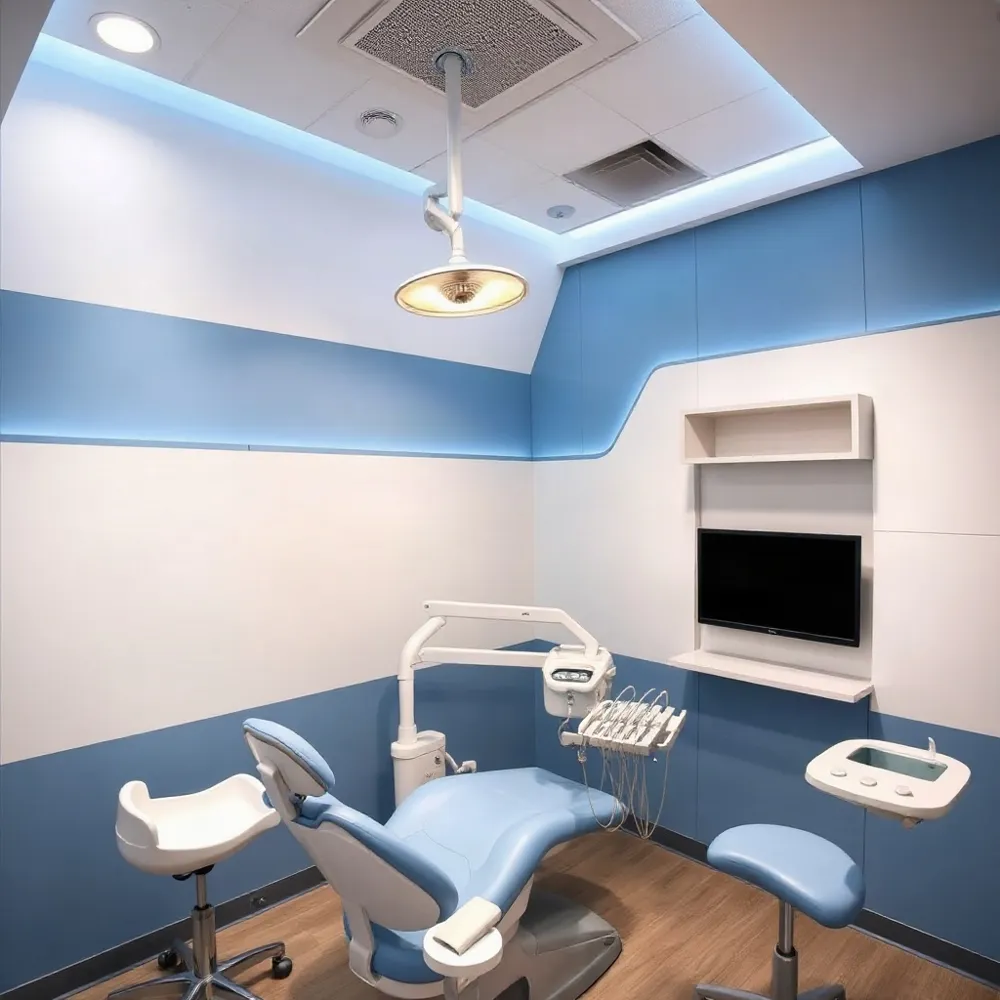 A routine dental check-up has three main components: a professional cleaning, a thorough examination by the dentist, and sometimes dental X-rays. The cleaning, performed by a hygienist, uses specialized instruments to remove plaque and tartar buildup that daily brushing and flossing miss. After scaling, the teeth are polished to remove surface stains, and a fluoride treatment may be applied to strengthen enamel.
The dentist then examines every tooth for signs of decay, cracks, or wear, and checks the gums for inflammation or recession. A periodontal probe measures pocket depth around each tooth to detect early gum disease. The exam also includes an oral cancer screening of the tongue, cheeks, throat, and neck.
X-rays are taken as needed to reveal problems invisible to the naked eye, such as cavities between teeth, bone loss from gum disease, or abscesses below the gumline. Bitewing X-rays focus on the crowns of back teeth, periapical X-rays show the entire tooth from crown to root, and panoramic X-rays capture the full mouth including wisdom teeth and jaw structure.
The visit ends with the dentist reviewing their findings and offering personalized recommendations for home care or follow-up treatment. At drparrella.com, patients receive a clear explanation of each step and actionable advice to maintain their oral health between visits.
Three Types of Dental Exams
Understanding the different types of dental exams can help you feel more prepared for each visit. The three common categories are the comprehensive exam, the periodic exam, and the limited exam. Each serves a distinct purpose in maintaining your oral health, and together they form a complete framework for catching problems before they become painful.
Comprehensive. This is the thorough, initial evaluation performed for new patients or if you haven't visited a dentist in several years. It includes a full review of your medical history, a complete oral examination of teeth, gums, and soft tissues, dental X-rays, and an oral cancer screening. At drparrella.com, this baseline assessment helps the team create a personalized care plan from the start.
Periodic. These are your routine checkups, typically scheduled every six months. The dentist checks for new cavities, monitors the health of your gums, and assesses any changes in existing restorations, like fillings or crowns. Periodic exams are the most common way to catch small problems early, often before they cause any discomfort or require complex treatment.
Limited. A limited exam focuses on a specific problem, such as a toothache, a broken filling, or a chipped tooth. This is a targeted visit designed to diagnose and address a single concern, providing quick and efficient care. If you need a limited exam, contacting your dental office right away can prevent the issue from getting worse.
Each type of exam plays a vital role in early detection. A comprehensive exam establishes your baseline, periodic exams keep that baseline current, and limited exams address unexpected concerns as they arise. Regular attendance of recommended dental checkups has been associated with a lower risk of needing extensive restorative procedures.
Trouble Your Dentist Spots Before You Feel It
Many serious dental conditions develop without causing pain or noticeable symptoms. Routine exams are designed to catch these hidden problems early, often before they require complex or costly treatment.
Cavities and Gum Disease Below the Surface
Tooth decay often forms between teeth or underneath existing fillings, areas you cannot see or feel. Dental X-rays during a checkup reveal these hidden cavities while they are still small, allowing treatment with a simple filling instead of a root canal. Similarly, early gum disease (gingivitis) causes only subtle redness or occasional bleeding, which a dentist can detect during a periodontal screening long before it progresses to painful bone loss.
Cracked Teeth, Worn Enamel, and Old Restorations
Teeth grinding (bruxism) often happens during sleep, gradually wearing down enamel and creating small cracks. Patients rarely notice these fractures until they cause sensitivity, but a dentist can spot flattened tooth surfaces and damaged restorations during a routine exam. Catching worn enamel or failing crowns early lets you address them with bonding or replacement before more extensive damage occurs.
Bone Loss, Oral Cancer, and Systemic Health Clues
Bone loss around teeth from advanced gum disease is invisible to the naked eye, but dental X-rays detect it at early stages when intervention can preserve bone density and prevent tooth loss. Oral cancer screenings are a standard part of every exam: the dentist checks the tongue, cheeks, and throat for unusual sores, red or white patches, or lesions that may otherwise go unnoticed. Detecting oral cancer at stage one offers a 99% survival rate for localized melanoma and high treatability for other forms.
Your mouth can also reveal clues about your overall health. Pale gums may indicate anemia, dry mouth could signal an autoimmune condition, and gum inflammation is linked to diabetes and heart disease. A dentist who tracks subtle changes over time can recommend a timely referral to a medical provider, making regular exams at a practice like drparrella.com a valuable part of your total health routine.
Fluoride and the 3-3-3 Rule: Simple Tools for Stronger Teeth
Fluoride is a naturally occurring mineral that plays a central role in modern preventive dentistry. It strengthens tooth enamel and helps reverse the earliest stages of decay through a process called remineralization—replacing lost minerals such as calcium and phosphate before a cavity forms. Fluoride also makes enamel more resistant to acid attacks from bacteria and sugars, and it reduces the amount of acid that cavity-causing bacteria produce.
Most people get fluoride through two primary sources: fluoridated tap water and fluoride toothpaste. Many communities add fluoride to public water supplies at levels proven to reduce decay, an approach that the CDC has recognized as one of the 20th century’s great public health achievements. For additional protection, dentists offer professional fluoride treatments—typically a gel, foam, or varnish applied during a routine exam—that deliver a higher concentration of fluoride than at-home products.
The 3-3-3 Rule for Daily Care
The 3-3-3 rule is a simple memory aid that helps patients build consistent oral hygiene habits. It means brushing your teeth three times a day for three minutes each time, and avoiding any food or drink (except water) for three hours before bedtime. Brushing after meals reduces plaque buildup and the acid attacks that follow eating, while the three-hour pre-bed pause limits the time teeth are exposed to sugars and acids overnight, when saliva flow naturally drops.
This guideline works best when paired with regular professional care. At drparrella.com's Somerville practice, patients receive personalized tips on brushing technique, flossing, and diet during each routine exam, helping them tailor the 3-3-3 rule to their specific oral health needs.
When Tooth Pain Strikes: A Temporary Variation
Some sources describe a short-term variation of the 3-3-3 rule for managing acute tooth pain: taking three 200 mg ibuprofen tablets every three hours for up to three days to temporarily control inflammation. This is not a treatment for the underlying problem—it is a stopgap measure until you can see a dentist. Pain is often a sign that decay has progressed beyond the early reversible stage, and professional care is needed to address the cause.
Can You Stop Tooth Rot Once It Starts?
Yes—but only in the earliest phase, called demineralization. At this stage, the enamel has lost minerals but has not yet formed a physical hole. With consistent fluoride exposure, good brushing habits, and a diet low in sugars, the tooth can repair itself through remineralization. Once decay creates a cavity, however, the enamel cannot regenerate. A dentist must remove the decayed tissue and place a filling to stop the damage.
The value of preventive oral health care is well documented: for every dollar spent on prevention, patients can save $8 to $50 in restorative and emergency treatments. Habits like the 3-3-3 rule and daily fluoride use are powerful tools, but they complement—not replace—regular exams and professional cleanings.
Basic Dental Care: When Prevention Isn't Enough
Preventive care aims to stop problems before they start, but when decay, damage, or infection has already set in, restorative treatment becomes necessary. Basic dental care — also called restorative care — addresses common oral health problems that have progressed beyond what prevention alone can manage.
Fillings. The most common restorative procedure. A dentist removes decayed tooth material and fills the space with composite resin, amalgam, or other materials. Catching a cavity early often means a small, quick filling rather than more extensive work.
Root canals. When decay reaches the tooth's inner pulp, a root canal removes the infected tissue, cleans the canals, and seals the tooth. This is a corrective measure, not a preventive one — strong preventive habits reduce the likelihood of needing one.
Extractions and periodontal cleanings. Teeth that are too damaged to save may need extraction. Periodontal (deep) cleanings treat advanced gum disease by removing bacteria and tartar from below the gumline.
Basic restorative services are typically covered by dental insurance at 70–80% after you meet your deductible, meaning there is usually a small out-of-pocket cost. This differs from preventive care (cleanings, exams, X-rays), which many plans cover at 100% with no deductible. Root canals fall under basic restorative care, not prevention.
Early detection through regular exams is what keeps basic care simpler and more affordable. A small cavity caught during a routine dental exam and cleaning at a Somerville practice may require only a filling, while the same decay left untreated for months can progress to an infection that demands a root canal or extraction. The difference in cost, discomfort, and time is substantial.
By addressing problems at the earliest possible stage, the line between prevention and basic care becomes a thin one — and helps patients preserve their natural teeth with the least invasive treatment available.
The Big Picture: Oral Health and Your Whole Body
 Your mouth is not an isolated part of your body, and what happens inside it can affect your overall wellbeing.
A growing body of research links gum disease to heart disease, diabetes, stroke, and high blood pressure. The theory is that inflammation and bacteria from infected gums enter the bloodstream, contributing to problems in other organs. A regular dental exam can detect early signs of gum inflammation, allowing treatment before it becomes a systemic threat.
Dentists can also spot warning signs of broader health issues during a routine checkup. Pale gums may point to anemia, while persistent dry mouth could be a side effect of medications or a sign of an autoimmune condition. Oral yeast infections, ulcers, or changes in taste can signal underlying issues that warrant a conversation with your primary care provider.
Oral Cancer Screening: A Lifesaving Check
Every comprehensive dental exam includes an oral cancer screening. The dentist checks your tongue, cheeks, throat, and other soft tissues for unusual spots, sores, or discoloration. When caught in its earliest stage, oral cancer is highly treatable, with a survival rate that drops sharply if the disease goes undetected. Early-stage lesions are often painless and can look like a minor sore, making the trained eye of a dentist essential.
At drparrella.com, routine dental exams and cleanings help detect small issues before they grow into bigger problems. By identifying early signs of decay or gum disease, the practice aims to prevent complications that could affect your overall health.
Investing in preventive oral care reduces the risk of developing serious systemic conditions. Research suggests that for every dollar spent on preventive dental care, patients can save between $8 and $50 in restorative and emergency treatments, as noted by the UIC College of Dentistry in their analysis of preventive oral health care. Beyond the financial savings, protecting your oral health supports your heart, helps manage blood sugar, and keeps your smile bright and confident.
Drink Wisely: What Actually Helps Your Mouth
What you drink throughout the day directly affects your oral environment. Some beverages help protect your teeth and gums, while others fuel decay. Choosing wisely is one of the simplest ways to support your smile between dental visits.
Water: Nature's Mouthwash
Plain water is the single best drink for your oral health. It rinses away leftover food particles, dilutes the acids produced by bacteria, and keeps your mouth hydrated. A well-hydrated mouth produces enough saliva — your body's natural defense system — which helps neutralize acids, repair early signs of decay, and wash away harmful bacteria. Swishing a sip of water after meals can make a real difference, especially if you cannot brush right away.
Green Tea and Antioxidants
Unsweetened green tea contains naturally occurring antioxidants called catechins. Research suggests these compounds may help reduce certain harmful bacteria in the mouth, supporting fresher breath and healthier gums over time. While green tea is a good alternative to sugary beverages, it should not replace water or your regular oral care routine.
Antibacterial Mouthwash: Targeted Help
If you want a true bacteria-fighting product, an antibacterial mouthwash — especially one recommended by your dentist for your specific needs — works far more effectively than any beverage. A dental exam at our Somerville practice helps determine whether your oral health would benefit from a therapeutic rinse and, if so, which type suits you best.
No single drink can permanently eliminate all bacteria in your mouth — and that is a good thing. Your mouth relies on a balanced community of helpful and harmful microorganisms to stay healthy. Water supports that balance, green tea offers modest antioxidant benefits, and targeted mouthwash can address specific concerns. But none of these replace daily brushing, flossing, and regular dental exams and cleanings to keep your mouth's natural equilibrium healthy over the long term.
Your Smile Deserves Proactive Care
Waiting for pain before seeing a dentist means treatment will be more complex and costly. A small cavity caught on an X-ray can be handled with a simple filling, whereas a cavity that reaches the nerve may require a root canal or extraction. That gap in cost is substantial: studies show that for every dollar spent on preventive dental care, patients can save between $8 and $50 in restorative and emergency treatments.
At Dr. Parrella's Somerville practice, the focus is on catching those small issues before they escalate. By attending regular check-ups you invest in a healthier future, avoiding the pain and expense of advanced procedures. Our team tailors advice to each patient's needs, reinforcing good habits that pay off for years.
Taking the step is simple. If it's been a while since your last exam, a standard visit includes a cleaning, oral cancer screening, and a thorough assessment of teeth and gums—all designed to preserve your natural smile. Scheduling twice-yearly appointments is an investment that protects your overall health as well as your wallet.
Don't wait for a symptom to remind you. Make the proactive choice today. Contact our office to book your next exam and cleaning.