A Simple Step That Saves More Than Your Smile
Skipping a dental cleaning can feel like an easy way to save time or money. Many busy schedules and the perceived cost of a visit make it a tempting choice. But does skipping that appointment actually save you anything?
This article explores the true cost of neglect versus the value of prevention—for your health, your wallet, and your overall well being. At drparrella.com, we help patients in Somerville understand that a routine cleaning is an investment that pays off.
More Than a Polish: What a Cleaning Really Does
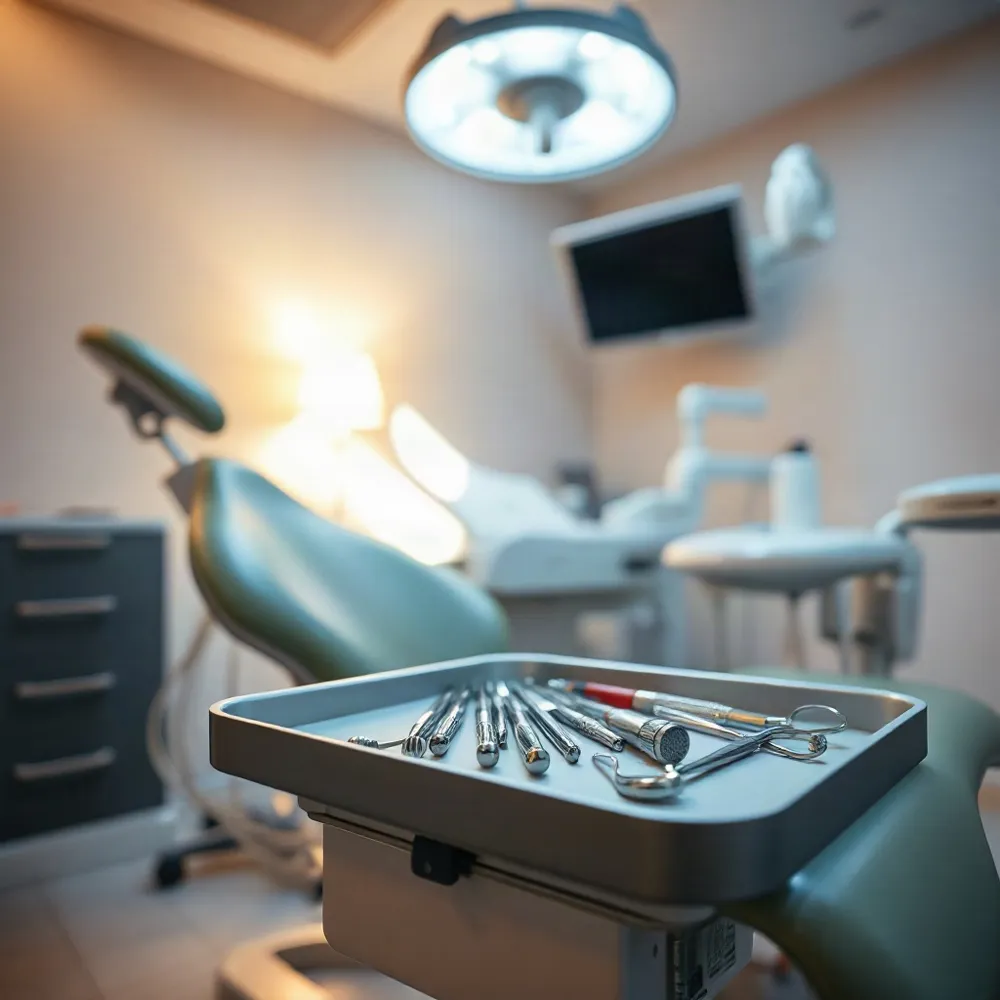 A standard professional dental cleaning involves two central steps: scaling and polishing. During scaling, the dental hygienist or dentist uses specialized manual or ultrasonic instruments to remove plaque and hardened tartar from your teeth—especially in areas your toothbrush and floss cannot reach, such as between teeth and below the gumline. This step is the only way to eliminate tartar, the rough, bacteria-trapping deposit that daily brushing cannot dislodge.
After scaling, your teeth are polished with a soft rubber cup and a special paste, smoothing the enamel surface to make it harder for new plaque to stick. The hygienist also flosses between every tooth to clear debris and checks gum pockets for signs of inflammation. Patients who drink coffee, tea, or wine, or who use tobacco, often benefits from the removal of surface stains during this step, leaving teeth looking brighter.
A cleaning is more than a cosmetic service: it includes a thorough examination. The dentist inspects each tooth for early signs of cavities, checks for cracked or broken fillings, and evaluates the gums for symptoms of gingivitis or periodontitis. They also perform an oral cancer screening, checking the tongue, cheeks, and surrounding tissues for any unusual lumps, spots, or changes. Detecting these issues early makes treatment simpler, less invasive, and far more affordable.
Many cleanings also include a fluoride treatment, which strengthens tooth enamel and provides extra protection against decay. The appointment ends with personalized advice on brushing technique, flossing, and dietary habits, giving each patient tailored tools to maintain their oral health between visits.
Why Every Six Months?
The American Dental Association recommends a cleaning at least every six months—a frequency that matches the time plaque takes to harden into tartar. However, some patients need more frequent visits. People with a history of gum disease or recurrent cavities, as well as those with weakened immune systems or chronic conditions like diabetes, may benefit from cleanings every three or four months. Your dentist can determine the ideal schedule based on your individual risk factors, helping you stay ahead of problems before they escalate.
At drparrella.com, our hygienists work with each patient to find a recall interval that fits their unique needs, ensuring that regular cleanings become a preventive habit rather than a stress point.
What Happens When You Skip the Chair
 Plaque, the sticky film that builds up on teeth, can harden into tartar within 24 hours if not professionally removed. Once formed, tartar creates a rough surface that traps even more bacteria, setting off a cycle that daily brushing cannot break. A professional cleaning is the only way to eliminate it.
This buildup directly fuels tooth decay. Cavities often develop silently beneath tartar, without pain or visible signs. A small cavity that could have been treated with a simple filling may progress to the point of requiring a root canal and crown — a difference in cost that can easily exceed $2,000.
Gum disease follows a similar pattern. It begins as gingivitis, a reversible condition marked by red, swollen gums that may bleed during brushing. Without professional cleanings, gingivitis can advance to periodontitis, a severe infection that destroys the bone supporting your teeth, leading to loosening and eventual tooth loss.
Other consequences of skipping cleanings include persistent bad breath (halitosis) from bacterial buildup that home care cannot fully address, and cosmetic staining from coffee, tea, wine, or tobacco that becomes deeply embedded over time.
The most hidden cost of a missed appointment is the lost chance for early detection. During a cleaning, the hygienist scans for early signs of decay, gum disease, fractures, and even oral cancer. Problems that might have been caught and treated simply and affordably can instead advance painlessly until they require extensive, expensive treatment.
From Mouth to Body: The Health Connection
 The effects of skipping dental cleanings do not stop at your gums. A growing body of evidence shows that the bacteria responsible for gum disease can enter the bloodstream, triggering inflammation throughout the body. This chronic inflammatory state has been linked to some of the most serious health conditions, including heart disease and stroke.
The connection between oral and overall health is especially clear for people living with diabetes. Gum infections can make it harder to control blood sugar, creating a cycle where diabetes increases the risk of gum disease, and gum disease worsens diabetic control. Professional cleanings help break this cycle by reducing oral inflammation.
Regular dental cleanings also support heart health, reduce the risk of respiratory infections, and may even lower the chance of dementia. For pregnant patients, untreated gum disease has been associated with premature birth and low birth weight.
Routine dental exams serve as a vital screening opportunity. One person dies every hour in the US from oral cancer, and early detection during a regular cleaning can be lifesaving. By reducing the body's total inflammatory load, cleanings do more than protect your smile — they may lower your overall healthcare costs.
The financial toll of missed care is significant. Adults in the US lose over 243 million work or school hours each year due to dental problems, resulting in $45 billion in lost productivity. Investing in a pair of cleanings annually is a small time commitment that pays for itself by preventing missed work, emergency visits, and major health complications.
The Real Price Tag of Skipping Care
The most compelling reason to keep regular dental cleanings is simple: prevention is dramatically cheaper than repair. Research shows that for every dollar spent on preventive dental care, you can save $8 to $50 on future restorative or emergency treatment. A routine cleaning out-of-pocket typically runs $75 to $200, but a single cavity filling costs $150 to $350. Let that small cavity go untreated, and you may face a root canal and crown at $2,000 to $5,000 or more.
The cost gap widens with gum disease. Scaling and root planing (a deep cleaning) costs $800 to $2,000 for a full mouth, whereas the biannual cleanings that prevent gum disease in the first place cost a fraction of that. If gum disease leads to tooth loss, replacing a single tooth with a dental implant can run $3,000 to $10,000 or more. Nationwide, dental-related emergency room visits cost over $2 billion annually, and most of those visits could have been avoided with early intervention.
Delaying care often increases the eventual cost by 10 to 20 times. An infection that starts in the mouth can spread, sometimes requiring hospitalization and adding medical bills on top of dental bills. For most patients, however, this scenario is entirely preventable. Many dental insurance plans cover 100% of two routine cleanings per year, meaning skipping those visits means forgoing a fully covered benefit. For patients without insurance, some practices offer dental discount plans or wellness plans that bring cleaning costs down to $50 to $100 per visit.
At drparrella.com, we help patients understand their coverage and options before any treatment begins. Whether you have insurance, a discount plan, or are paying out-of-pocket, our team provides a clear breakdown of costs so there are no surprises. Investing in prevention now protects both your smile and your budget over the long term.
How Often Should You Really Go?
The standard recommendation from most dentists is a professional cleaning every six months. This twice-a-year cadence works well for the average patient, providing regular removal of plaque and tartar buildup that daily brushing cannot fully address. However, the right frequency for you depends on your individual oral health profile.
When You May Need More Frequent Cleanings
Certain risk factors call for a shorter interval. Patients with a history of gum disease, smokers, individuals with diabetes or a weakened immune system, and those with a family history of cavities often benefit from cleanings every three to four months. High stress levels can also increase inflammation and plaque accumulation. For these individuals, more frequent visits keep plaque from hardening into tartar below the gum line, where it can cause the most damage.
Can You Stretch to Once a Year?
Some patients with excellent oral health and no underlying conditions may be able to go once a year, but this should only happen after a personalized evaluation by a dentist. Going longer than six months without a professional cleaning significantly increases the risk of periodontal disease and cavities, even for healthy patients, because plaque accumulates in hard-to-reach areas that only special tools can access.
Understanding Appointment Duration
Another aspect of frequency is appointment length. While a very efficient visit might take only 15 minutes for someone with exceptionally clean teeth, a thorough cleaning typically requires 30 to 60 minutes. This allows time for a detailed exam, scaling, polishing, and oral cancer screening. If your cleaning is unusually short, it is worth confirming that all steps have been covered. At a patient-centered practice like drparrella.com, the team prioritizes thorough care suited to your specific needs.
Comfort and Sensitivity
Some patients worry about discomfort during cleanings. Temporary sensitivity after scaling is normal and usually resolves within a few days. Letting your hygienist know about tender spots allows them to adjust their technique, making each visit more comfortable.
A Clean Bill of Health for Your Budget
Think of a professional cleaning as an oil change for your smile—a small, regular investment that keeps the whole system running and prevents a breakdown that costs much more to fix. The money you save by skipping one or two cleanings is negligible compared with the bill for a single root canal, crown, or implant.
The financial logic is straightforward: preventive care is dramatically cheaper than restorative or emergency treatment. For every dollar spent on preventive dental care, patients can save $8 to $50 in future restorative work. Catching a small cavity early means a simple filling; letting it grow can lead to a root canal and crown costing ten times as much.
Regular visits also save time and disruption. Treating a minor issue during a routine cleaning takes minutes. A neglected problem often requires multiple appointments for root canals, extractions, or periodontal surgery—each one meaning lost work or family time. At drparrella.com, the team works with you to catch problems early, keeping treatment simpler and less invasive.
Most dental insurance plans cover two cleanings and exams per year at little or no copay. Skipping those visits means forgoing a benefit you already paid for—and risking a large out-of-pocket bill later. If you don’t have insurance, ask about cash-pay discounts or wellness plans that keep routine care affordable. The team is happy to discuss costs and payment options before any treatment, so there are no surprises.
The most effective way to keep your dental costs low is to never let a small problem become a big one. Schedule your next cleaning and take advantage of your benefits before they reset.
Your Smile, Your Health, Your Investment
Skipping a dental cleaning may seem like a way to save a small amount today, but that decision often leads to much larger costs tomorrow. The true price of missed cleanings is not the saved appointment fee—it is the expense of treating the decay, gum disease, and restorative work that could have been avoided.
Taking charge of preventive dental care is a simple, effective way to protect both your smile and your wallet. At drparrella.com, our team partners with you to catch small issues early, helping you avoid more invasive and costly procedures down the road. Making your next appointment is a positive step for your whole family's health.