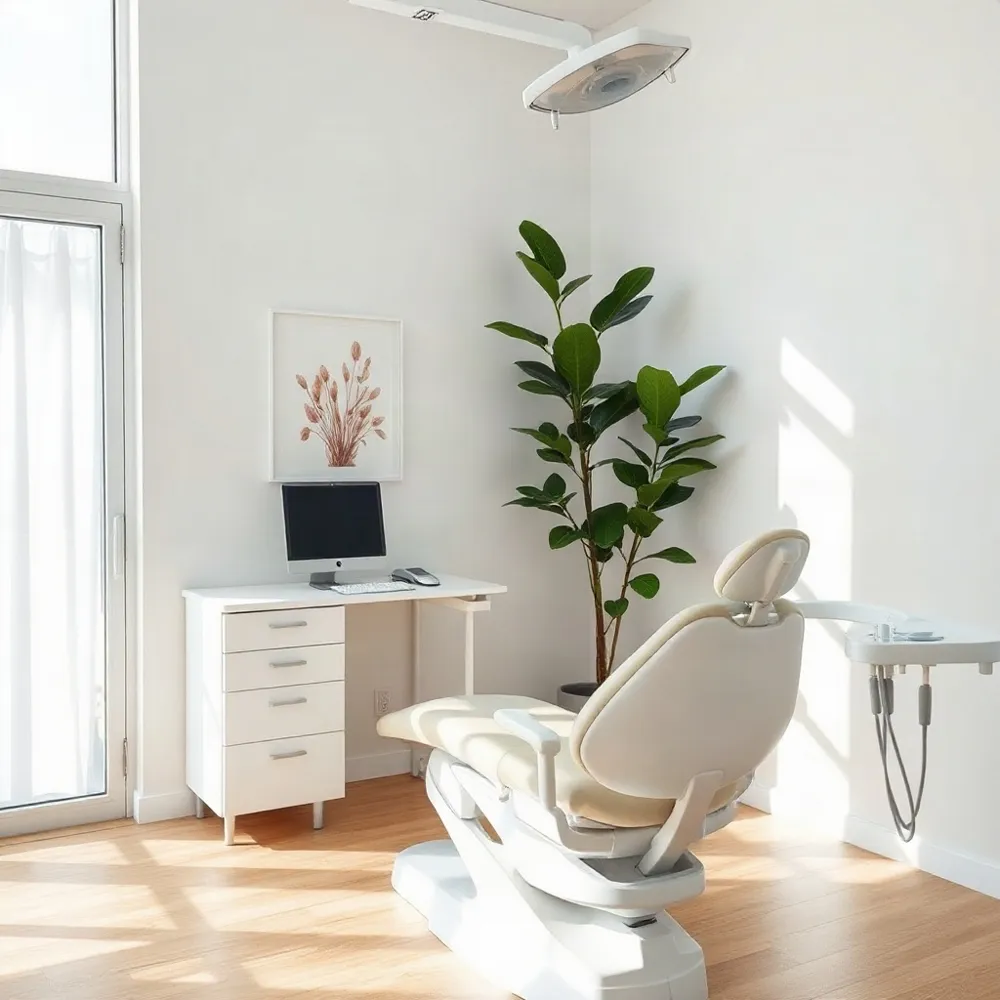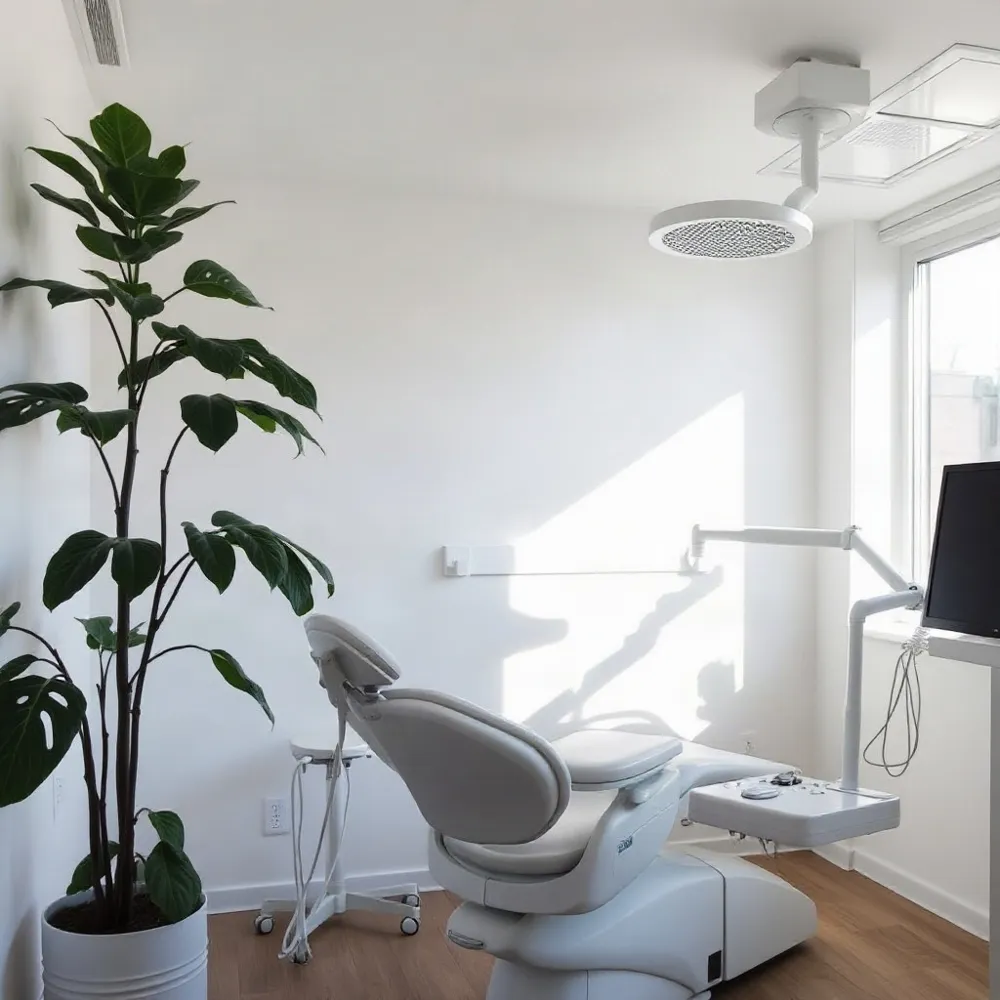
Make Your First Visit Feel Easier
A first dental visit can feel unfamiliar, especially if it has been a while since your last appointment or you are changing practices. A little preparation can help you feel more settled and give the dental team a clearer picture of your health and concerns.
At drparrella.com, a family-run Somerville practice, care is centered on personal attention and clear communication. Bring relevant medical and dental history, and jot down questions about symptoms, comfort, or treatment goals so you have time to discuss what matters to you.
An initial exam can document the current condition of your teeth and gums, creating a baseline for future visits. It may also help identify concerns, such as decay or gum problems, before they become more difficult to address. The American Dental Association’s guidance on a patient’s first visit emphasizes that this first experience can shape an ongoing relationship with a dental practice.
Arrange the Appointment With Confidence
 To book your first visit with drparrella.com, call the dental office or check whether online booking is available. Tell the team you are a new patient so they can explain how to get started. This first conversation can also help Dr. Parrella’s family-run Somerville practice understand what brings you in.
Be specific about what you need: a routine exam and cleaning, or help with a concern such as tooth pain, sensitivity, or swelling. Mention urgent symptoms when you call, so the team can advise you about timing. If anything changes while you are waiting for your appointment, contact the office rather than assuming the original schedule still fits.
Have your contact details and dental insurance information ready, if applicable. Ask what appointment times are available, whether coverage can be checked, and which forms or records to bring. You might also ask whether the office wants a medication list or previous dental records. For more preparation ideas, see this first-visit checklist.
Prepare Your Information and Questions
A little preparation can help the dental team understand your needs and make the appointment more useful. Brush and floss as you normally would, then jot down symptoms, concerns, and questions you want to remember, such as tooth sensitivity or cosmetic goals. You can also prepare questions and information for your first appointment before you arrive.
Bring photo identification, insurance information if applicable, and a current list of prescription and over-the-counter medicines and supplements. Relevant medical or dental records can also help, including previous X-rays if you have them. The American Dental Association’s guidance on a patient’s first visit emphasizes that an initial appointment helps establish the relationship between a patient and a dental practice.
Tell the dental team about changes in your health, allergies, medical conditions, and oral-care habits, along with any past dental experiences that may affect your comfort. At drparrella.com, care is provided by a family-run Somerville practice, and sharing these details gives the team a clearer picture of your needs. If you feel anxious, say so; the team can discuss your concerns and ways to make the visit more comfortable.
If you need to complete paperwork, plan to arrive a little early. Contact the office beforehand if you are unsure what to bring or whether any special preparation applies. Do not skip prescribed medicines or change doses unless your prescribing clinician or dental team advises you to. Follow specific food and drink instructions for procedures or sedation, but do not assume you need to fast for a routine checkup. If instructions are unclear, ask the dental team before your appointment.
Understand the Exam and Cleaning
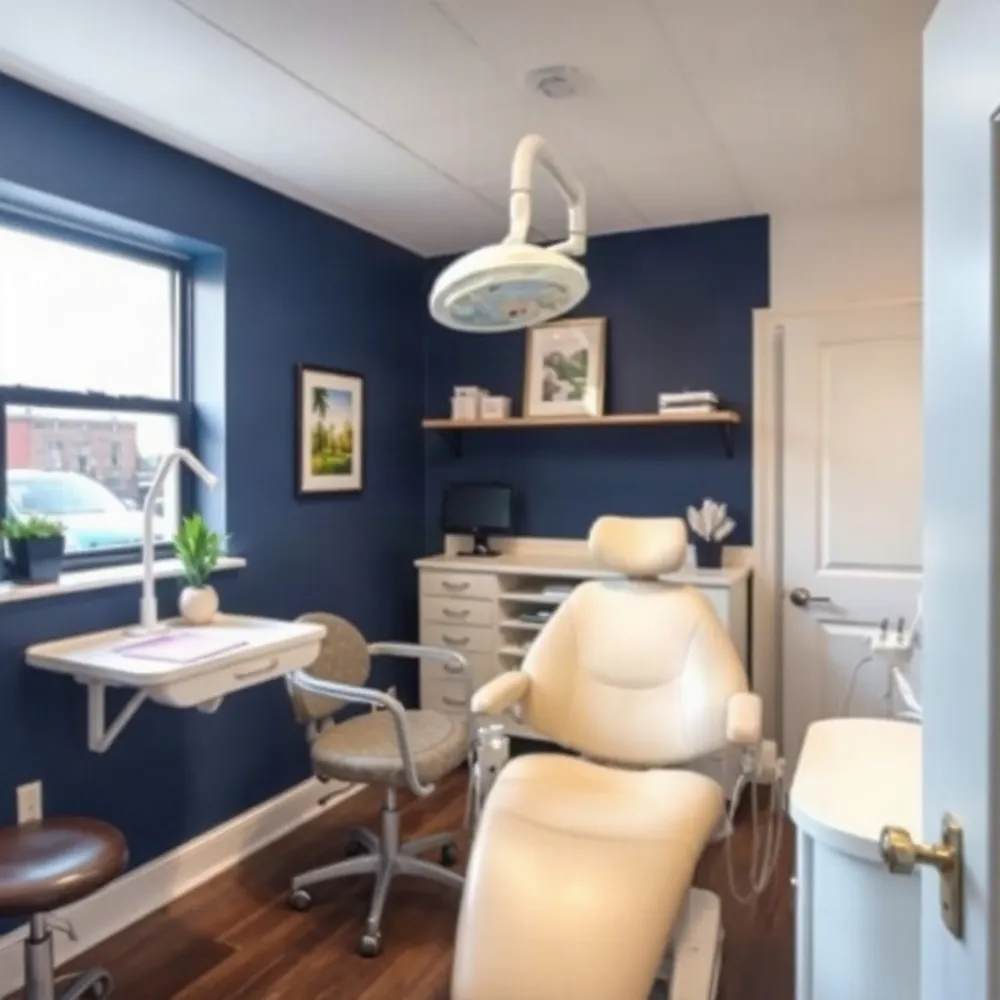 Your first appointment is a chance for the dental team to understand your dental and overall health, not just check your teeth. At drparrella.com, care is shaped around each patient’s needs, with time to review health history, hear concerns and goals, and examine the teeth, gums, and mouth.
The exam may look for cavities, gum disease, and other changes that could affect your oral health. Finding a concern early can help the dentist explain possible next steps and plan care before the issue becomes more involved. The team may also consider your previous dental experiences and any symptoms you have noticed.
X-rays or other imaging may be recommended when they can help assess areas that are difficult to see during a visual exam. Imaging is not automatically needed at every first visit. Feel free to ask what a suggested image is intended to show and how the result may affect your care.
A cleaning may be completed during the appointment if it is appropriate for your oral health and the visit allows time. It is not guaranteed: signs of gum disease, heavy buildup, or another concern may mean the dentist recommends a different type of care first. If a routine cleaning should wait, ask why and what the next step involves.
Before agreeing to recommended care, ask about the findings, available options, and how each option fits your needs. The American Dental Association’s guidance on a patient’s first visit emphasizes that the initial experience can help establish a lasting relationship with a dental practice. Clear explanations and an open conversation can help you feel informed as you decide how to proceed.
For a closer look at the appointment flow, see this guide to what new dental patients can expect. Let the team know if you feel anxious or have questions about comfort, so they can talk through what to expect.
Allow Enough Time for Your Visit
A new-patient dental visit often takes about an hour, though the actual time depends on the practice and your needs. A comprehensive exam, any needed X-rays, and a cleaning can take longer than an exam alone.
Paperwork and a conversation about your concerns or possible treatment also affect the schedule. If it has been a while since your last visit, tell the office when booking. The dentist may need to assess changes in your oral health or discuss additional care.
When arranging a visit with drparrella.com, ask how much time to set aside, especially if you expect to discuss treatment or have several questions. The office can help you plan without assuming that every first visit follows the same schedule. For general preparation, see this first-visit checklist.
Plan a Child’s First Dental Visit
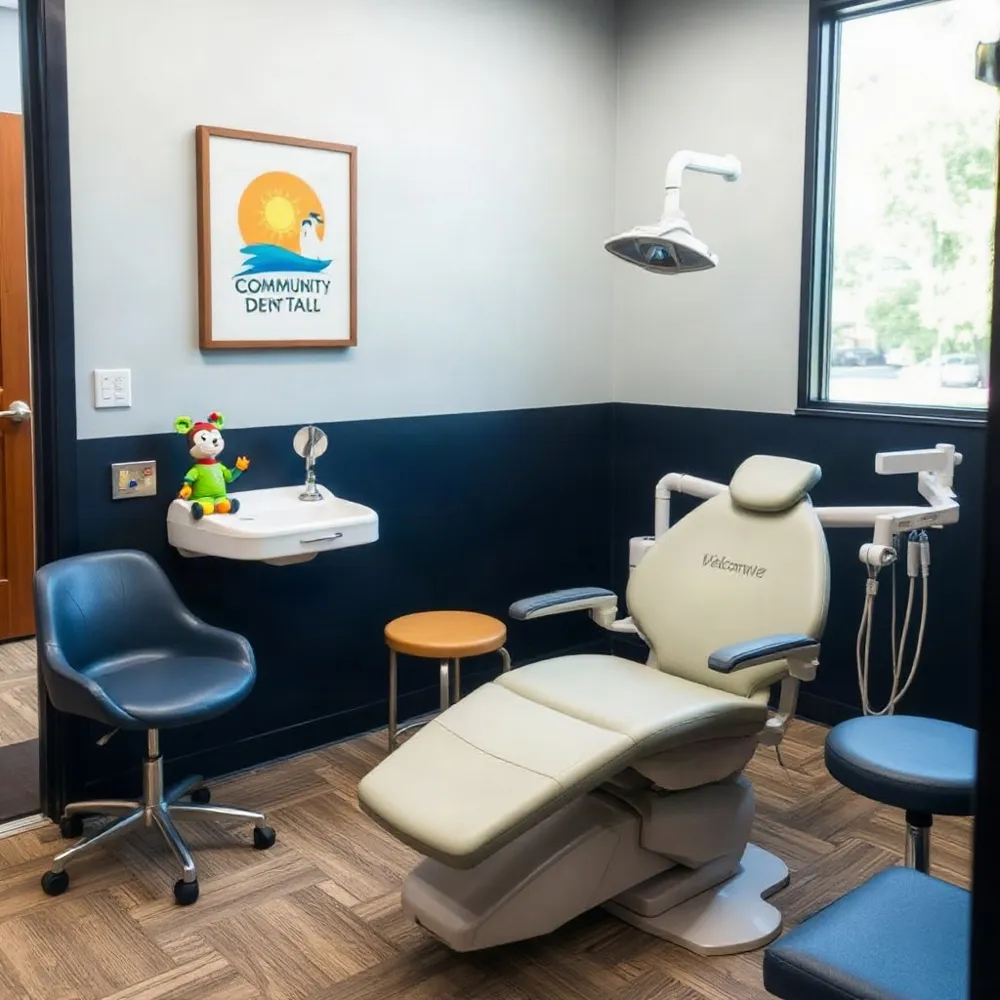 The American Dental Association’s first-visit guidance recommends scheduling a child’s first dental visit within six months after the first tooth appears and no later than the first birthday. Baby teeth can develop cavities soon after they erupt, so an early appointment gives the dentist a chance to check the teeth, gums, jaw growth, and oral development.
For families visiting drparrella.com, the appointment can also be a time to ask practical questions about brushing, teething, pacifier use, and thumb-sucking. You do not need to wait until a child has a problem or starts school to seek guidance.
A baby may fuss or wiggle during an unfamiliar first visit, and that is normal. Choose a time when your child is usually well-rested, and share any concerns with the dental team so you can work together to help the appointment feel manageable.
Keep Prevention Simple and Consistent
The 2-2-2 rule is an easy reminder: brush twice a day for two minutes each time, and visit a dentist twice a year. Think of it as a starting point, not a schedule that fits everyone.
Brushing in the morning and before bed helps clear away plaque and food debris. Taking the full two minutes gives you time to reach the front, back, and chewing surfaces of every tooth. If you are unsure whether your technique is effective, ask the dental team to show you how to adjust it.
Regular checkups let a dentist assess your teeth and gums, discuss changes, and recommend preventive care suited to your needs. Twice-yearly visits are a helpful general guide, but your ideal interval may differ depending on your oral health and risk factors. Follow the schedule recommended for you, and talk with the team at drparrella.com about a routine that supports consistent care.
For more ideas on building sustainable habits, see this guide to small daily habits for preventive dental care.
Start With an Open Conversation
You do not need to have every detail figured out before an appointment. Notes can help you remember what matters, but it is fine to raise questions as they come up. At Dr. Parrella’s family-run Somerville practice, clear communication supports care shaped around each patient’s needs.
Tell the dental team honestly about symptoms, past experiences, worries, or goals, and ask for an explanation if a recommendation is unclear. The American Dental Association’s guidance on a patient’s first visit emphasizes how the initial experience can help build a positive, ongoing relationship. Together, you and the team can discuss appropriate next steps.