
A Small Habit With Lasting Value
A dental checkup every six months is a familiar preventive-care guideline, but it is not a fixed rule for everyone. Your dentist can recommend a schedule based on your oral health, medical history, and changing needs. Research summarized by the National Institute for Health and Care Research found that low-risk adults may not need visits as often, while other patients benefit from more frequent care.
Regular visits offer more than a clean smile. A professional cleaning removes hardened tartar that brushing and flossing cannot, and an exam can catch concerns before they become urgent. At Dr. Anthony P. Parrella’s family-run Somerville practice, patients can also discuss questions and receive care tailored to their needs. A checkup is a practical opportunity to review home-care habits and raise concerns early, when next steps may be simpler.
The Right Schedule Is Personal
 Many people are advised to have a dental exam and cleaning about every six months. That interval is a useful starting point, not a rule that fits everyone. Research summarized by the National Institute for Health and Care Research found that adults assessed as having low risk could have checkups less often without worse oral-health outcomes. The findings do not mean everyone should wait longer, so discuss any change with your dentist.
Your dental history and current health help shape the timing. Gum disease, frequent cavities, diabetes, tobacco use, pregnancy, and some other health concerns may call for closer monitoring or more frequent care. If your oral health has been stable, your dentist may consider a longer interval. At drparrella.com, care is provided by a family-run practice led by Dr. Anthony P. Parrella, where recommendations can take your personal history into account.
What Happens During a Checkup
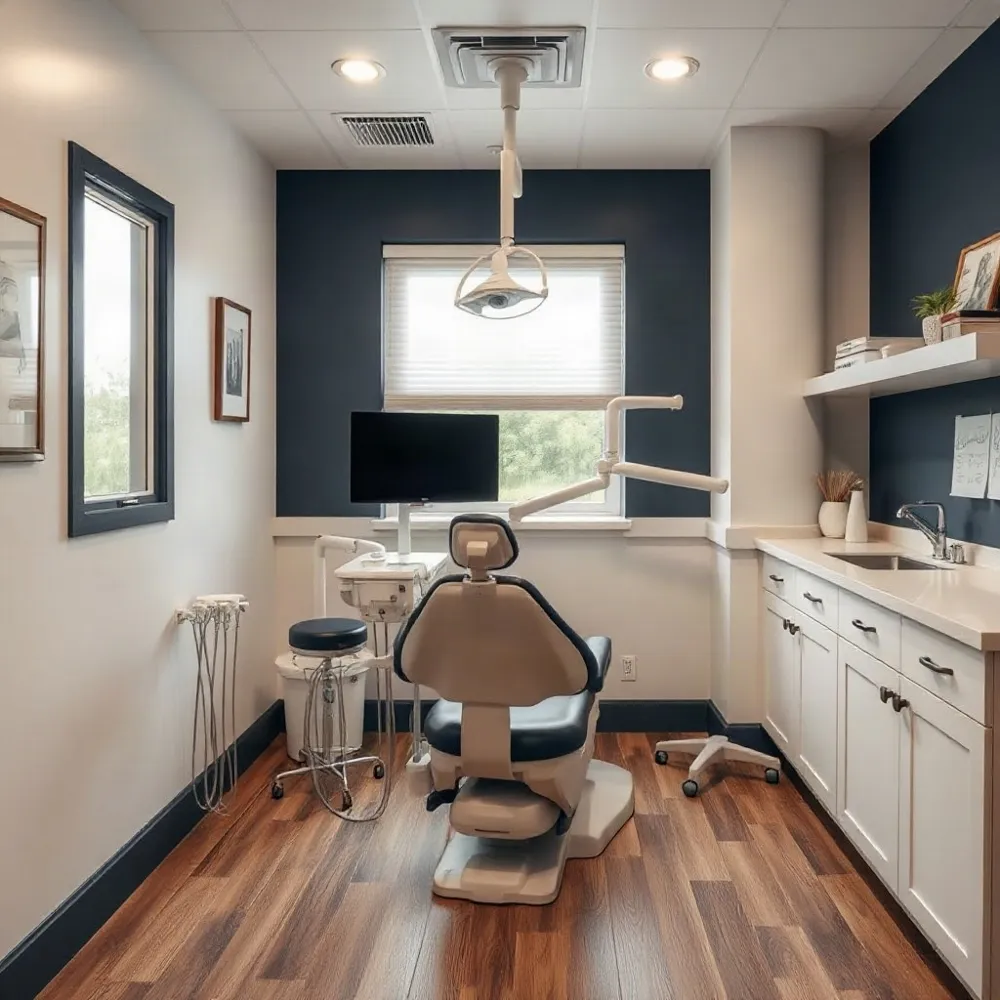 A checkup gives you time to share changes in your health, medications, or oral health, along with any questions or concerns. At drparrella.com, care is described as personalized and comprehensive, so sharing what matters to you can help inform the visit.
The dentist examines your teeth and gums, checks how your bite fits together, and looks at the soft tissues in your mouth. X-rays may be recommended when needed to assess areas that are not clear during a visual exam. For a closer look at the visit’s steps, see this guide to what happens during a dental checkup.
A professional cleaning often takes place during the same appointment, though the exam and cleaning may be scheduled separately depending on your needs and the practice’s schedule. A dental professional removes plaque and hardened tartar with instruments, then polishes the teeth.
The Benefits Beyond a Clean Smile
A dental problem does not always announce itself with pain. Cavities, early gum disease, and other changes can be difficult to spot at home, while an exam lets a dental professional check areas you may not see or feel. This is one reason regular visits matter even when your mouth seems fine.
Finding a concern early may make it easier to manage and help prevent the need for more extensive care later. A dentist can assess changes over time, explain what they mean, and recommend follow-up when needed. MedlinePlus explains what a dental exam can include, including checks of the teeth, gums, bite, and signs of oral cancer.
A professional cleaning also removes plaque and hardened tartar from tooth surfaces and areas along the gumline. Brushing and flossing are essential parts of daily care, but they cannot remove tartar once it forms. Cleaning away this buildup helps protect teeth and gums from problems that can develop when plaque is left in place.
Extra Protection From Fluoride
 Fluoride helps protect teeth by strengthening enamel, the hard outer layer that faces daily wear. It also supports remineralization, which replaces minerals lost when acids attack enamel and may help repair early decay before a cavity forms.
Fluoride toothpaste is a familiar source, and some community water supplies contain fluoride as well. A dentist may recommend an in-office treatment if added protection suits your oral-health needs. Professional cleanings may also include fluoride when appropriate, as described in the Cleveland Clinic’s guide to dental cleanings.
The right amount and type of fluoride can vary by age, cavity history, and other factors. Ask your dental team whether an additional treatment or a particular product makes sense for you, and follow its directions. At drparrella.com, preventive care can include guidance tailored to your needs, so you can discuss how fluoride fits into your daily routine.
For more on how fluoride supports enamel, see these fluoride and remineralization basics.
Comfort, Cost, and Ongoing Care
For most people, a routine cleaning is comfortable, though you may notice pressure, scraping, or vibration. Sensitive teeth, inflamed gums, or heavier tartar buildup can make it temporarily uncomfortable. If you feel pain or anxiety, tell your dental team. They can explain what is happening, pause, or adjust their approach when possible. Mild gum tenderness or sensitivity afterward usually settles within a few days, as the Cleveland Clinic explains. At Dr. Anthony P. Parrella’s family-run practice, personalized care includes taking time to hear patients’ concerns.
The cost of an exam and cleaning depends on the practice, services, and your oral-health needs. An exam and cleaning may be priced separately, and X-rays or a more involved cleaning can affect the total. Ask for an estimate that lists what is included, and check your insurance benefits before the appointment. If additional care is recommended, ask about its cost before deciding how to proceed. For more on what to expect if a cleaning feels uncomfortable, see this guide to professional dental cleanings.
Braces do not replace general dental care. Continue seeing your dentist for exams and cleanings as well as attending orthodontic adjustment visits. Brackets and wires can make brushing and flossing harder, so your dentist may recommend a schedule suited to your oral health and treatment. Your dentist and orthodontist can coordinate care and advise you if an extra visit is needed.
How preventive and restorative care differ
Preventive care aims to maintain oral health and catch concerns early. It can include exams, cleanings, appropriate X-rays, and advice on home care. Restorative dental care repairs or replaces teeth affected by decay, damage, or loss. Fillings, crowns, bridges, dentures, and implants are examples of restorative treatments.
Comprehensive dental care may bring prevention together with diagnosis and treatment, including restorative services when needed. Practices and insurers may use terms such as “preventive” and “comprehensive” differently, so ask which services are included and how your plan covers them. At drparrella.com, comprehensive care is described as personalized to patients’ needs, allowing the dental team to discuss preventive steps and treatment options as part of ongoing care.
Make the Next Visit a Conversation
A dental visit works best as a conversation, not just a cleaning. Tell your dentist about changes, worries, or questions, and ask why a particular return interval suits your oral health. You can also request an explanation of recommended services and likely costs before deciding how to proceed.
Six months is a useful reminder for many people, but the right schedule depends on individual needs. Research summarized by the National Institute for Health and Care Research supports tailoring checkups to a person’s risk, rather than assuming one interval fits everyone. Your dentist can explain the reasoning and adjust the plan as your health changes.
Do not wait for a routine appointment if you develop tooth pain, swollen or bleeding gums, or other new discomfort. Contact your dental office for advice about whether you should be seen sooner. Clear communication helps you make an informed plan and feel more prepared for ongoing care.