Protecting Your Smile Before Problems Start
Preventive dental care is about stopping small issues before they turn into painful, expensive problems. Routine exams and cleanings catch decay, gum disease, and other concerns early, when treatment is simpler and far less costly. This article explains how regular care at drparrella.com can protect both your smile and your budget.
What Preventive Dentistry Really Includes
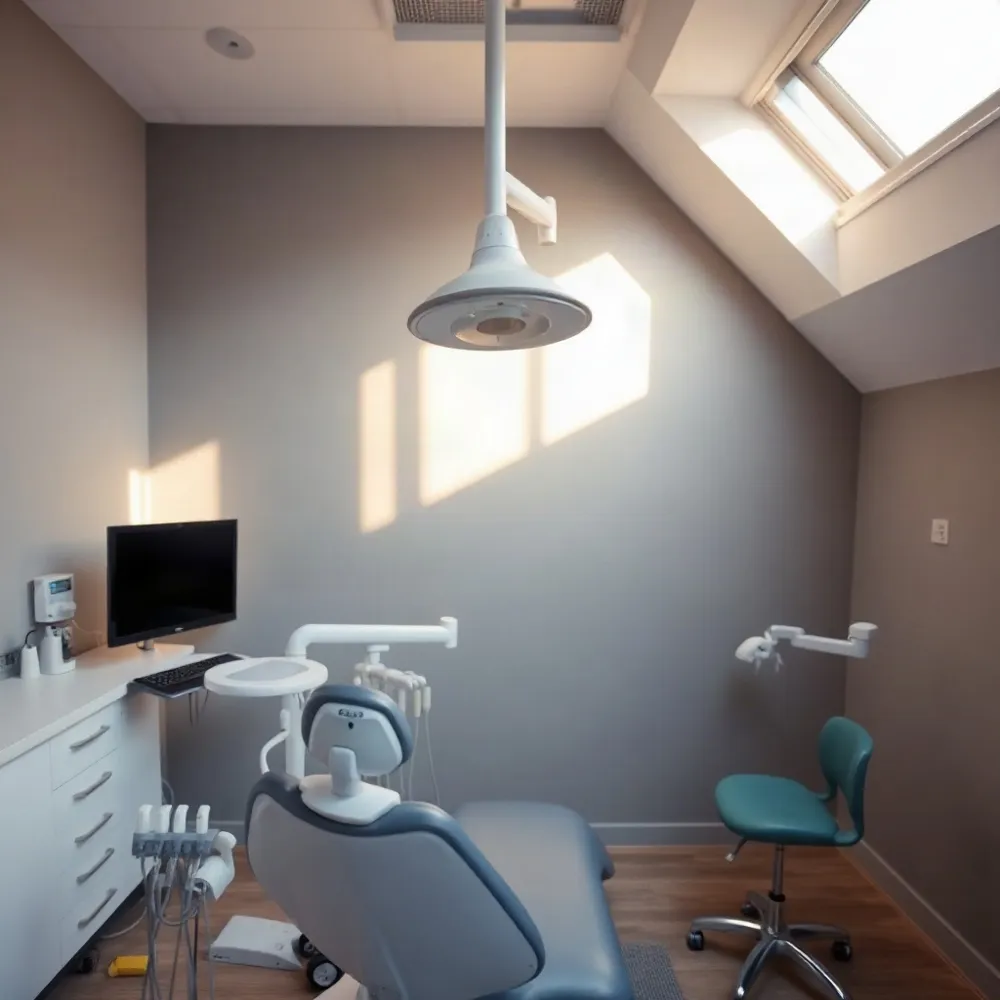 Preventive dentistry is a proactive approach that pairs consistent at-home habits with regular professional care. It starts with daily brushing (twice a day with fluoride toothpaste for at least two minutes) and flossing once a day to remove plaque before it hardens. But professional exams and cleanings are the cornerstone — they catch what a toothbrush cannot.
During a routine visit, the dentist or hygienist performs a comprehensive oral exam, checking each tooth for decay, cracks, and worn restorations. They measure gum pocket depths to spot early signs of gum disease. A professional cleaning scrapes away hardened tartar above and below the gumline — deposits that brushing and flossing alone cannot remove. Most patients should schedule these visits every six months, though those with a history of cavities or gum problems may benefit from cleanings every three to four months.
Digital X-rays and Hidden Decay
Routine digital X-rays let dentists see between teeth, under old fillings, and around roots — areas where cavities, infections, and bone loss can hide without causing any symptoms. Digital imaging exposes patients to less radiation than traditional film and provides immediate, high-clarity results. At drparrella.com, these tools are part of every new patient exam and are used periodically to monitor changes over time.
Extra Protection: Fluoride and Sealants
Professional fluoride treatments help remineralize early weakened areas, slow or stop tiny cavities before they need a filling, and reduce sensitivity. The American Dental Association recommends brushing with fluoride toothpaste twice daily. Dental sealants are thin protective coatings applied to the chewing surfaces of molars — they can prevent up to 80% of cavities in high-risk grooves. School-age children without sealants have almost three times more cavities than those with them.
An oral cancer screening is also part of every comprehensive exam. The dentist examines the lips, tongue, cheeks, floor of the mouth, throat, and neck for unusual changes. When caught early, oral cancer is far more treatable, and these screenings take only a few minutes. At drparrella.com, these services are combined with patient education on brushing technique, nutrition, and lifestyle choices to help you build healthy habits for life.
A standard preventive appointment — exam, cleaning, and any needed X-rays — typically takes between 45 minutes and one hour. If fluoride or sealants are applied, the visit may run slightly longer. Your Somerville dentist will always confirm the time commitment when you schedule.
Why Early Detection Saves Your Teeth and Your Budget
Many oral health problems begin quietly. A small cavity may not cause any discomfort for months, but during that time bacteria continue damaging the tooth. Caught early, that cavity requires a simple filling. Left untreated, it can progress to the point where a root canal or extraction becomes necessary.
The same pattern applies to gum disease. Early-stage gum disease, known as gingivitis, is reversible with a professional cleaning and improved home care. When ignored, it can advance to periodontitis, a condition that destroys the bone supporting your teeth and is a leading cause of tooth loss in adults.
Routine visits also include a potentially lifesaving oral cancer screening. During a comprehensive exam, the dentist checks the lips, tongue, cheeks, throat, and neck for unusual changes. Oral cancer is far more treatable when caught in its earliest stages, and regular screenings dramatically increase the chance that suspicious findings are addressed quickly.
The Financial Argument for Prevention
The cost difference between prevention and treatment is substantial. A national average for a routine exam, cleaning, and X-rays is roughly $203. Compare that to a filling at $150 to $500, a root canal with a crown at $1,200 to $3,000 or more, and a dental implant at $3,000 to $5,000. Catching a problem at the exam stage rather than the implant stage saves hundreds or thousands of dollars.
Most dental insurance plans cover preventive services at 100 percent, making routine checkups virtually free for those with coverage. Skipping those visits, however, has a high societal cost: dental-related emergency room visits in the U.S. total over $2 billion annually, many of which could have been avoided with early intervention.
At drparrella.com, the focus is on catching problems early so that treatment stays simple and affordable. Regular preventive visits allow the team to identify small cavities, early gum inflammation, and other concerns before they turn into complex, expensive procedures. This approach aligns with the broader body of evidence showing that every dollar spent on prevention can save $8 to $50 in emergency or restorative care.
Simple Daily Habits That Multiply Your Savings
The most effective way to protect your smile and your wallet starts with simple, daily routines. Small, consistent actions can prevent the need for costly treatments later. Professional cleanings at a practice like drparrella.com complement these habits, catching any missed spots and keeping your gums healthy.
The 2-2-2 rule provides an easy-to-remember framework. It means brushing two times a day for two minutes each time, and seeing your dentist twice a year. The 3-3-3 rule adds more structure for those wanting extra protection: brush three times a day, spend three minutes brushing, and wait at least three minutes after eating before you brush. Both approaches help remove plaque, deliver fluoride to enamel, and prevent decay.
Proper technique matters as much as frequency. Use a fluoride toothpaste and a soft-bristled brush. Floss once daily to remove debris between teeth that brushing alone cannot reach. Limit sugary snacks and drinks, and avoid tobacco. These habits reduce plaque buildup, lower your risk for cavities and gum disease, and make your professional cleanings faster and more comfortable.
Understanding What Causes Cavities and How They Are Found
Dental caries, commonly called cavities, develop when bacteria in the mouth feed on sugars from food and drinks, producing acids that erode tooth enamel. Frequent snacking, sipping sugary beverages, poor oral hygiene, and insufficient fluoride exposure all increase the risk. A dry mouth caused by medications or certain health conditions also leaves teeth more vulnerable to acid damage.
Many cavities start as invisible demineralized spots beneath the enamel surface. At this early stage, known as a non-cavitated lesion, the damage can sometimes be reversed with fluoride treatments and dietary adjustments. Left unchecked, the acid attack continues until a visible hole forms, requiring a filling or more extensive restoration.
How Dentists Find Decay Early
During a routine exam, your dentist uses several methods to detect cavities before they become painful. A visual inspection checks for discoloration, roughness, or shadowing on the tooth surface. A dental explorer gently probes for soft spots where enamel has weakened. Digital X-rays reveal decay hidden between teeth or beneath existing fillings, capturing problems that would otherwise go unnoticed.
For even earlier detection, some practices use advanced tools like DIAGNOdent, a laser-based device that measures enamel density and can flag demineralized areas that X-rays might miss. These technologies, combined with careful visual probing, help your dentist catch decay at its earliest, most treatable stage.
The ICDAS Classification System
The International Caries Detection and Assessment System (ICDAS) provides a standardized way to classify cavities from the very earliest signs of demineralization through advanced cavitation. Instead of a simple "no cavity" versus "cavity present" judgment, ICDAS uses a scale from 0 to 6: 0 means no evidence of caries; 1 and 2 capture first visible changes in enamel; 3 indicates localized enamel breakdown; 4 and 5 describe cavities with underlying dentin involvement; and 6 represents extensive decay. This detailed system allows dentists to monitor subtle changes over time and tailor treatment precisely to the stage of disease.
At home, consistent brushing, flossing, and limiting sugary snacks help prevent the bacterial acid attacks that cause cavities. Regular exams with a Somerville dentist combine those habits with professional detection tools, so any developing decay is caught while still simple to treat.
For a deeper look at how routine visits help you avoid expensive restorative work, see our article on how consistent dental cleanings prevent costly treatments.
Making Preventive Care Affordable Without Insurance
 Even without insurance, consistent preventive care is more affordable than treating advanced dental problems. Many practices offer straightforward options that remove the financial guesswork.
For patients without employer-provided coverage, dental membership plans provide a simple alternative. You pay a flat annual or monthly fee directly to the practice, which typically covers routine exams, cleanings, and X-rays. Unlike traditional insurance, there are no deductibles, no annual maximums, and no waiting periods — making it easy to budget for your oral health. Many plans also offer substantial discounts on treatments like fillings or crowns.
Dr. Parrella's practice offers such a membership plan, providing predictable costs for families and individuals who want to stay on top of their dental care. For those who prefer other options, some practices accept payment plans, offer cash discounts, or recommend dental school clinics where supervised students provide care at reduced rates.
Investing in prevention, even without insurance, helps you avoid far larger expenses for restorative care. A routine exam and cleaning, whether paid through a membership plan or out-of-pocket, remains one of the best financial decisions for your long-term health.
Why Your Dentist's Approach Matters for Trust and Quality

Red Flags That Signal a Focus on Profit Over Patients
Aggressive advertising for deals and promotions is often the first sign that a dental practice prioritizes revenue over patient well-being. Corporate chains, with a revolving door of dentists who barely last a year, create an environment where no one is invested in building a lasting relationship with you.
At a locally owned, family-run practice like drparrella.com, the same dentist and hygienist see you at every visit. That continuity builds familiarity and trust, making it far more likely the team will recommend conservative treatment — exactly what you need, not what the clinic's monthly sales targets demand. If a provider dismisses your pain, brushes off your questions, or belittles your oral hygiene habits, those are clear signs to look elsewhere for compassionate, patient-centered care.
Transparency, Education, and Conservative Care
A trustworthy practice educates you about your oral health instead of rushing through appointments. During a comprehensive exam, the dentist should explain what they see — whether it's early enamel demineralization, gingivitis, or a small cavity — and walk you through your options before recommending any treatment.
Practices that focus on transparency will never pressure you into a root canal for a problem that could have been caught earlier with a simple filling. The financial argument is clear: a routine cleaning and exam typically cost $100 to $200, while a root canal and crown can exceed $3,000. Investing in a relationship with a consistent, local team allows you to catch problems early, when treatment is simpler, less invasive, and far more affordable.
Why Consistent Local Relationships Lead to Better Outcomes
When you see the same dentist and hygienist year after year, they learn your medical history, your risk factors, and even your dental anxieties. That knowledge translates into personalized preventive recommendations — such as more frequent cleanings if you're prone to gum disease, or fluoride varnish applications if you have dry mouth — that a corporate clinic's rotating staff cannot provide.
This level of personalized attention is the foundation of long-term oral health. By choosing a practice that treats you like a neighbor rather than a transaction number, you ensure that your smile receives the consistent, high-quality care it deserves — and that your budget stays protected from avoidable emergency treatments.
A Healthy Smile Starts With One Simple Step
Routine exams, cleanings, and daily habits work together to keep teeth healthy and spending low. Catching small issues early avoids the pain and expense of advanced repairs.
A family-run practice like drparrella.com delivers compassionate, personalized care for every age. Take the next step and schedule your preventive checkup today.