
Care Begins With Connection
Dental care involves more than examinations and procedures. The relationship between a patient and dental team shapes how comfortably someone can share concerns, understand findings, and consider what to do next. A respectful conversation helps make those clinical moments easier to discuss.
That connection develops through two-way communication. Patients can describe symptoms, preferences, past experiences, or worries, while the dental team explains observations and possible options in clear, familiar language. Listening without rushing and inviting questions can help ensure a patient’s circumstances are part of the discussion. A 2024 review of dentist-patient communication describes clear explanations, active listening, and shared decisions as important parts of patient-centered care.
The American Dental Association likewise describes mutual respect and open communication as foundations of the dentist-patient relationship. These principles offer useful guidance for patients and families thinking about what supportive dental care can involve. They are general guidance, not claims about the specific communication practices or outcomes at Dr. Anthony P. Parrella’s office.
Clear Communication Supports Informed Care
 Clear Communication Supports Informed Care
A dental appointment works best as an exchange, not a one-way explanation. You can share symptoms, concerns, preferences, and goals; your dentist can explain examination findings and possible next steps. This gives both sides information to discuss care that fits your needs.
Clear explanations should be accurate, concise, complete, and organized. In a 2024 literature review, researchers describe these qualities as important to helping patients understand oral health, diagnoses, and treatment choices, and to take part in informed decisions (dentist-patient communication review). The discussion should include what a recommendation involves and its benefits and limitations, rather than leaving you to guess what will happen.
Plain language can make unfamiliar dental terms easier to understand. You might ask your dentist to explain a finding in everyday words, describe what is being examined, or pause so you have time to consider the information. Questions about alternatives or what to expect during care are a normal part of the conversation. The American Dental Association also emphasizes mutual respect and open, clear communication in the dentist-patient relationship (ADA guidance).
Visual aids, such as radiographs or models, can help make an explanation more concrete. Written instructions can also give you something to review later, especially when discussing preventive steps or follow-up care. At a family-run Somerville practice such as drparrella.com, clear communication can help patients and families discuss care in the context of an ongoing relationship with their dental team.
When explanations are unclear, patients may leave uncertain about a diagnosis, available options, or what happened during an examination. That uncertainty can make decisions and home-care instructions harder to follow. Communication cannot guarantee a particular clinical result, but a chance to ask questions and confirm what comes next can help you stay informed and involved in your care.
Trust Grows Through Respectful Partnership
 Trust develops when patients can speak honestly and understand how their information will guide care. The American Dental Association’s guidance on the dentist-patient relationship describes mutual respect and open, clear communication as foundations for care, including preventive and restorative treatment.
That trust works in both directions. A dental team needs relevant details about a patient’s health history, medications, and home-care habits to assess oral health and plan treatment. Patients may be more willing to share when the team explains why it asks, listens without judgment, and treats personal information confidentially.
Shared decision-making turns those details into a conversation rather than a one-way instruction. A dentist can explain clinically appropriate options, their advantages and disadvantages, and possible outcomes, then invite the patient to discuss priorities and concerns. A 2024 review of dentist-patient communication describes this exchange as part of patient-centered care.
Patients should have room to ask questions and consider the choices available to them. Respecting an informed choice does not mean every requested treatment is clinically suitable; it means explaining the recommendation, its reasons, and any reasonable alternatives clearly, without pressure.
Listening without interruption can also help prevent misunderstandings. Concerns about treatment goals, risks, or fees deserve a direct, respectful response. Plain language and an open discussion give patients a chance to clarify what they have heard before deciding on next steps.
At drparrella.com, care is provided by a longstanding, family-run practice in Somerville, where personal attention and clear communication are part of its stated approach. For a patient who feels anxious, talking through what to expect and asking about ways to pause or manage discomfort can help make the visit feel more manageable. Following through on questions and concerns helps the partnership develop over time.
Comfort Comes From Two-Way Conversation
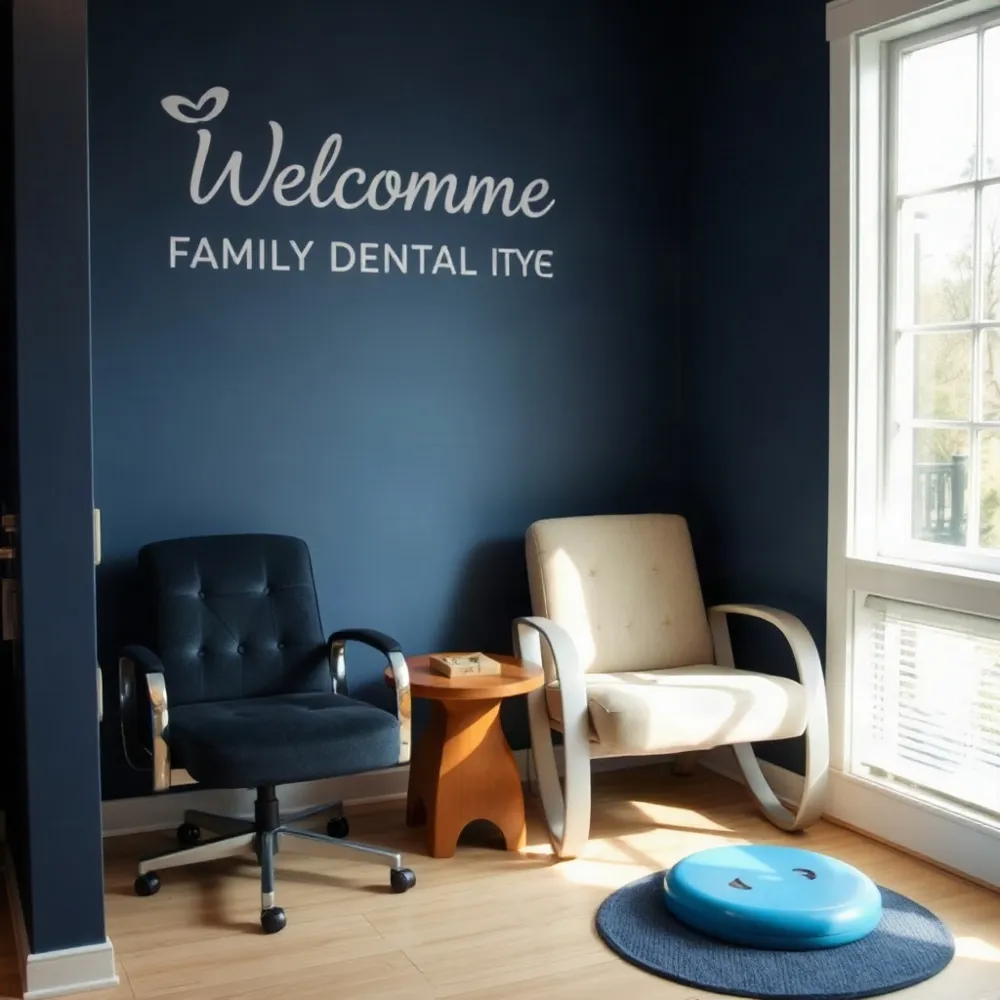 A comfortable visit can start with a simple conversation before treatment begins. Tell the dental team what worries you, whether a past experience affects how you feel, and if you have sensitivities or communication needs. You can also share what has helped before, such as knowing what to expect or having time to ask questions. At drparrella.com, personalized care is part of the practice’s approach, making it useful to share the details that matter to you.
Ask for a plain-language explanation of the plan and the steps involved. You might want to know what the team will do next, what sensations you may notice, and when you can ask questions. If anything is unclear, request another explanation. A 2024 review of dentist-patient communication describes active listening, clear explanations, and responses tailored to a patient’s concerns as ways to support understanding and address dental anxiety.
Before care begins, consider agreeing on a signal, such as raising your hand, to ask the team to pause. You can request a break or a moment to process information, too. These steps can give you a way to communicate during treatment, but they cannot guarantee a pain-free visit. Your comfort needs may also change, so it is reasonable to speak up again if you feel uneasy.
Empathy, reassurance, and an unhurried response can help make it easier to discuss fear or uncertainty. A welcoming conversation may also help you mention concerns you might otherwise keep to yourself, including embarrassment about your teeth or questions you are unsure how to ask. The dental team can then respond to what you have shared rather than guess what support you need.
If anxiety makes appointments difficult, you can share your concerns and preferences with the dental team before or during the visit. Speaking openly does not require you to have all the right words. A question, request for clarification, or signal to pause can help keep the conversation going.
Small Signals Shape the Conversation
A patient may take in more than the words spoken during a dental visit. Facial expressions, eye contact, posture, gestures, and tone of voice can shape whether an explanation feels attentive and respectful. A 2024 review of dentist-patient communication describes these nonverbal signals as part of the exchange between patients and dental teams, not a substitute for clear verbal explanations. The review offers general guidance, not findings about any specific practice.
Calm, attentive cues can reinforce spoken reassurance. Facing a patient while listening, using a steady tone, and pausing to let them respond may help the conversation feel less hurried. By contrast, appearing distracted or rushing through an explanation can make it harder for a patient to tell whether there is room to ask a question. These signals do not prove what another person is thinking, but they can affect how a message is received.
A change in expression, a tense posture, or a movement away from an instrument can be a reason to check in, not a reason to assume what the patient feels. A simple question such as “Would you like me to pause?” gives the patient a chance to describe discomfort, anxiety, or confusion in their own words. At a family practice such as drparrella.com, compassionate care means recognizing that each patient may need a different pace or kind of reassurance.
Nonverbal cues are not always easy to read. Masks can hide expressions, treatment positioning may limit eye contact, and gestures or facial expressions can mean different things to different people. Clear language, a reassuring tone, and simple gestures can help keep communication understandable when visual cues are limited. A dental team can also ask what would help the patient feel comfortable rather than relying on interpretation alone.
This kind of attentiveness fits a broader patient-centered approach: listening, noticing possible signs of concern, and checking understanding instead of rushing ahead. The American Dental Association’s guidance on the doctor-patient relationship emphasizes mutual respect and clear communication as foundations for care.
Connection Continues Beyond The Appointment
A conversation about care does not have to end when a visit is over. Follow-up gives a dental team an opportunity to check on recovery, answer questions, clarify instructions, and catch misunderstandings that may not have surfaced in the office. A 2024 literature review describes follow-up as one way to continue communication after an appointment, alongside reminders and secure messaging for non-urgent questions where available. The review discusses general communication strategies, not services offered by any particular practice.
Patients can help keep that exchange useful by contacting the office if instructions are unclear or their concerns change. A familiar team, as described in drparrella.com’s article about returning to the same dental team, may also make it easier to discuss preferences and questions over time.
Research reviews associate effective dentist-patient communication with greater patient confidence and satisfaction, better adherence to care recommendations, and less dental anxiety. These are general associations, not guaranteed results for an individual patient. The same review notes that satisfaction has been associated with fewer broken appointments and a greater willingness to recommend a dentist to others. Those findings describe patterns in cited research, not promises about what any one patient will experience.
Trust is sustained through repeated interactions and follow-through, not secured by one reassuring conversation. Patients can raise questions when they arise, and dental teams can respond with clear, respectful explanations. That ongoing dialogue helps keep care decisions connected to each patient’s concerns and circumstances.
A Stronger Partnership Informs Care
Patients can help shape a dental visit by sharing concerns, health history, preferences, or anxiety, and by asking what a finding or recommendation means. If an explanation is unclear, ask for simpler language or more time to consider the options. Requesting a pause can also help when you need a moment to regroup.
A dental team can support that exchange by listening without judgment, explaining choices and their trade-offs, and checking that instructions are understood. The American Dental Association’s guidance on the doctor-patient relationship describes mutual respect and clear communication as foundations of the partnership.
At drparrella.com, care is described as personalized and comprehensive, with a focus on clear communication and community connection. A respectful conversation does not replace clinical assessment or treatment. It helps patients understand the care being considered and take part in decisions about their oral health.