A Clearer View of Whitening Choices
A brighter smile is a common goal, but choosing how to get there can feel less straightforward. Store-bought strips and gels are easy to find, while professional whitening offers a dentist’s guidance. Both can lighten some stains on natural teeth, though the best fit depends on your teeth, health, and expectations.
The options differ in more than price. Store-bought products usually have lower peroxide concentrations and a general fit, while professional treatment can be selected for a person’s needs and may include custom trays or care in the office. The American Dental Association’s overview of whitening explains that treatment methods vary in strength and schedule, and that sensitivity or gum irritation can occur with either approach.
A dental examination can help identify the cause of discoloration, check for oral health concerns, and set realistic expectations. Whitening changes natural teeth, not crowns, veneers, or fillings, so existing dental work may affect the plan. At drparrella.com, cosmetic care is part of a family-run practice’s broader approach to personalized dental treatment. There is no single best choice for everyone; the right starting point is a conversation about your goals, comfort, and dental health.
How Whitening Products Lighten Teeth
 Whitening products work in different ways, so the right choice depends partly on what is causing the discoloration. Many bleaching products use hydrogen peroxide or carbamide peroxide, which releases hydrogen peroxide and helps break down colored stain compounds. An evidence review of tooth whitening describes these peroxide ingredients as common in both professional and at-home treatments.
Whitening toothpastes often work differently. They mainly use abrasives and detergents to lift surface stains, though some formulas also contain low levels of peroxide. The American Dental Association’s guidance on whitening notes that toothpaste is generally more suited to surface discoloration than changing a tooth’s underlying color.
What ingredients are used in teeth whitening products, and are there ingredients to avoid?
Product formulas and strengths vary. Follow the directions on the label, and avoid unverified or highly abrasive methods that may irritate soft tissues or wear tooth surfaces. Peroxide products can cause temporary sensitivity or gum irritation, especially when used too often or for longer than directed. There is no single ingredient that is unsafe for everyone, but sensitivity, gum concerns, and existing dental work can affect which product is suitable.
Discoloration may be extrinsic, meaning it sits on the tooth surface and is linked to foods, drinks, or tobacco, or intrinsic, meaning it comes from within the tooth. Aging, genetics, some medications, fluorosis, developmental conditions, and tooth injury can contribute to intrinsic discoloration. A professional assessment can help identify the likely cause before you choose a method.
Mild surface stains may respond to properly used over-the-counter products, while deeper or more complex discoloration can be harder to treat and may not respond predictably to external bleaching. The American Dental Association explains that results depend on the type and severity of the stain. At drparrella.com, whitening is offered as part of cosmetic dentistry, with an assessment helping determine whether treatment fits a patient’s teeth and goals.
Whitening affects natural teeth, not crowns, veneers, fillings, or other tooth-colored restorations. If restorations are visible when you smile, a dentist can discuss the possibility of a shade mismatch and help set realistic expectations before treatment.
Professional Whitening Comes in Several Forms
Professional whitening generally takes one of three forms: treatment in a dental office, dentist-provided gel used at home in custom trays, or a combination of the two. The American Dental Association’s overview of whitening describes both office treatment and dentist-supervised home whitening as professional options.
What types of professional teeth whitening are available?
With in-office whitening, a dental team applies the whitening agent and protects the gums during treatment. Some people notice a change during the appointment, but the degree of whitening varies with the starting shade, the cause of the discoloration, and individual response. A single visit should not be treated as a guaranteed result.
Dentist-provided take-home whitening uses gel in trays made to fit your teeth. You follow the dentist’s recommended schedule, so the color change develops gradually at home. Compared with generic strips or trays, a close-fitting custom tray can help distribute gel more evenly and reduce contact with gum tissue. It cannot prevent all irritation, so follow the instructions and tell your dentist if discomfort develops.
Some patients may combine an office visit with custom-tray use, depending on their goals and dental assessment. The approach can also be adjusted to account for sensitivity or a preference for slower, at-home treatment. At drparrella.com, whitening is part of cosmetic dental care, with treatment choices considered in the context of each patient’s smile and oral health.
Before recommending a method, a dentist can check for problems that may need attention first and discuss whether whitening is likely to suit your teeth. Sensitivity, gum concerns, and visible crowns, veneers, or fillings are especially relevant: whitening changes natural teeth but does not change the color of restorations. A consultation can help set expectations and reduce the chance of an unwanted mismatch. Learn more about how professional whitening differs from over-the-counter options.
Matching Treatment to Discoloration
Can yellow teeth be whitened? Often, yes. Yellowing caused by surface stains from coffee, tea, tobacco, and other foods or drinks may respond to whitening. Age can also affect tooth color as enamel thins and the darker dentin beneath it becomes more visible. Results depend on the cause and extent of the discoloration, so a brighter shade is not guaranteed. The American Dental Association’s guidance on whitening explains that different types of stains can respond differently to bleaching.
Some discoloration lies deeper within a tooth rather than on its surface. Changes associated with certain medications, tooth injury, decay, or other health concerns may respond less predictably to standard whitening. A dental assessment can help identify possible causes and set realistic expectations before a treatment is chosen. The University of Rochester’s advice on DIY teeth whitening also stresses that the appropriate approach depends on the source of discoloration and a person’s oral health.
Whitening changes the color of natural teeth, not crowns, veneers, fillings, or other tooth-colored restorations. If natural teeth lighten while restorations remain the same shade, the difference may become more noticeable. Reviewing existing dental work before treatment helps avoid unexpected color contrast and can inform the order of future cosmetic care.
At drparrella.com, whitening is part of cosmetic dentistry, but a suitable plan starts with the person’s oral health, existing restorations, and goals. A dentist can help distinguish surface staining from changes that may need a different approach, then discuss whether whitening is appropriate and what results are realistic. This individualized review matters because not every stain responds alike, and whitening may not be the right choice for every smile.
Comparing Results and Treatment Pace
Does professional teeth whitening work better than at-home whitening? It may produce faster or more noticeable changes, but it is not the best choice for everyone. Store-bought products can also lighten some stains when used as directed, while a dental assessment can help match treatment to your teeth and goals.
A 2014 evidence review found that over-the-counter strips and gels commonly produce modest lightening over a course of use, while in-office treatment can show visible change during an appointment. In-office products generally use higher peroxide concentrations, and treatment results vary by method and patient. These findings are not a guarantee of a particular shade change for any individual. The evidence review on tooth whitening describes the differences between approaches and the role of product instructions.
The pace and degree of change depend on the cause and severity of discoloration, the product’s concentration, how long it contacts the teeth, and whether directions are followed. Surface stains from foods and drinks may respond to home products, while more severe or complex discoloration may benefit from professional evaluation. The American Dental Association’s guidance on whitening also notes that stain type and oral health can influence treatment choices.
At drparrella.com, the practice’s cosmetic dentistry includes professional teeth whitening, with an examination and discussion helping determine whether treatment suits a patient’s oral health and expectations. A dentist can also discuss sensitivity and existing fillings, crowns, or veneers, which do not change color with bleaching and may look different from whitened natural teeth.
That assessment does not mean store-bought whitening is ineffective. For some people, an over-the-counter product may be a reasonable option, provided it is used as directed. If sensitivity develops, or results are uneven or disappointing, pause use and ask a dental professional for guidance. The aim is to choose a method that fits the type of discoloration and the condition of your teeth, rather than assuming one approach will suit everyone.
For a closer comparison of treatment methods and their pace, see how professional whitening differs from over-the-counter options.
Using Store Bought Kits Carefully
Do over-the-counter teeth whitening products work?
Yes, some can lighten natural teeth, but the amount and pace of change depend on the product and the type of stain. Peroxide strips and gels bleach discoloration, while many whitening toothpastes mainly remove surface stains through polishing ingredients. A review of whitening research describes over-the-counter products as generally producing modest changes, with results varying by method and use. Tooth-whitening evidence review
The American Dental Association groups whitening strips, gels, toothpastes, rinses, and tray products among consumer options, but these formats do not work in the same way. Toothpaste is better suited to surface stains than to changing a tooth’s underlying color. If you are unsure whether your discoloration is on the surface or deeper in the tooth, a dental evaluation can help set realistic expectations.
Fit and application also matter. A generic strip or tray may not sit evenly on every tooth, and gel that spreads onto the gums can irritate the soft tissue. At drparrella.com, whitening care is part of cosmetic dentistry, where an assessment can help match the approach to oral health, sensitivity, and existing dental work rather than relying on a one-size-fits-all fit.
Follow the package directions for how much product to apply and how long to leave it on. Using a product more often or for longer than directed is not a shortcut to safer or more reliable results; it can raise the chance of temporary sensitivity or gum irritation. The ADA Seal of Acceptance is voluntary. For products that carry it, the seal indicates that the company has shown the product meets program requirements for safety and effectiveness when used as directed.
Ask a dentist before starting if you have sensitive teeth, gum concerns, untreated cavities, or restorations such as crowns, veneers, or fillings. Whitening affects natural teeth, not these restorations, so their color may no longer match after treatment. The American Dental Association’s whitening guidance recommends a clinical examination to help identify causes of discoloration and determine whether bleaching is appropriate.
Safety Starts With an Oral Health Check
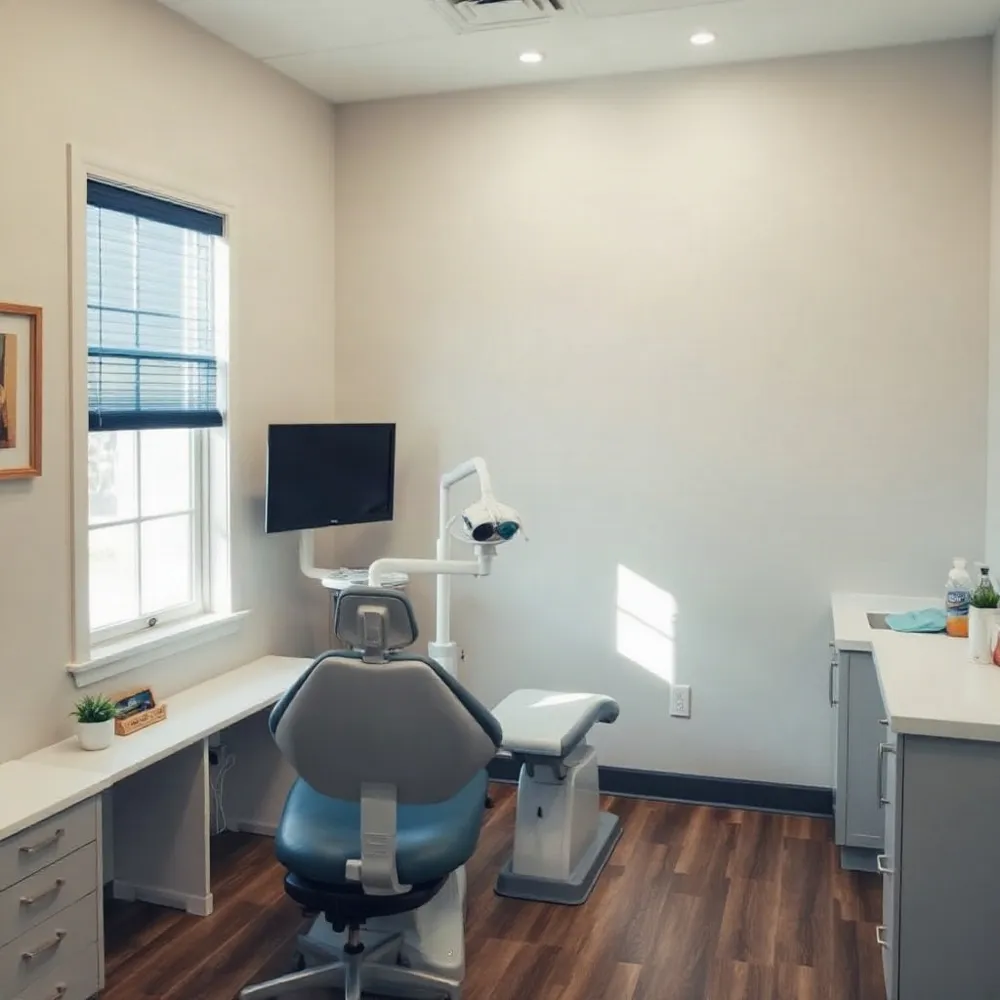 A dental check before whitening can help determine whether your teeth and gums are ready for treatment. At drparrella.com, professional teeth whitening is offered as part of cosmetic dental care, so patients can discuss their oral health and goals before choosing an approach.
Is professional teeth whitening safe, and what side effects can it cause?
Professional whitening is generally considered safe for many people when used as directed, but it is not suitable for everyone at every point in time. The American Dental Association’s guidance on whitening notes that a clinical examination can help identify causes of discoloration and assess oral health before treatment. Cavities, gum disease, existing sensitivity, or other concerns may need attention first.
Temporary tooth sensitivity and mild gum irritation are the most common side effects. Sensitivity may be more likely with stronger bleaching agents or longer exposure. Gums can become irritated if gel reaches soft tissue, including when a tray fits poorly. At drparrella.com, a dentist can consider these individual factors when discussing whitening and can explain ways to limit discomfort, such as adjusting the treatment plan or offering sensitivity guidance.
Professional supervision may also include protecting the gums during treatment and checking how your teeth respond. Whitening changes the color of natural teeth, but not crowns, fillings, or other tooth-colored restorations. If you have dental work, ask how whitening could affect the shade match before starting.
Can teeth whitening damage teeth or cause long-term side effects?
Most reported effects are temporary, but overuse or treatment that does not suit your oral health can increase irritation and sensitivity. A 2014 evidence review of tooth whitening discusses laboratory findings that high-concentration bleaching can alter enamel surfaces. These laboratory results do not prove that the same changes occur to the same extent in patients, but they support following product directions and avoiding unsupervised, repeated bleaching.
Professional treatment is not risk-free, and store-bought products are not automatically unsafe. The risks depend partly on the product, how it is used, and the person’s teeth and gums. If pain or gum irritation persists, stop whitening and contact a dentist rather than continuing or increasing use. A dentist can assess the cause and advise whether to pause, change the plan, or address another issue first.
Planning Around Cost and Time
Professional teeth whitening costs vary by treatment method, dental practice, and whether more than one visit is recommended. Since the available information does not establish fees at the Somerville practice, ask for an estimate based on your needs rather than relying on a general price range. A dental exam can also help determine which options suit your oral health and goals.
In-office whitening is often completed in one appointment, but the visit may take longer depending on the treatment plan. Dentist-provided take-home trays offer a different pace: you wear them over several days or weeks, following the dentist’s instructions. The American Dental Association’s overview of whitening describes both approaches and notes that schedules depend on the product and regimen.
Over-the-counter products generally cost less than professional options, but they may take longer to produce a similar degree of whitening. Results and timelines vary, so a lower upfront price does not guarantee a better fit or a particular outcome. A University of Rochester guide to DIY teeth whitening also advises discussing whitening with a dentist, since oral health and the cause of discoloration can affect which approach is appropriate.
When reviewing an estimate, ask what it covers, such as the consultation, whitening materials, custom trays, or follow-up guidance. Check whether touch-up products, additional visits, or other treatment could add to the total. At drparrella.com, whitening is part of a family-run practice that emphasizes personalized, comprehensive care, so discussing your priorities and schedule during an assessment can help clarify the plan before you begin.
Keeping Results From Fading
 Teeth whitening is not permanent. Results fade gradually, and how long they remain noticeable varies with the original discoloration, the treatment, and everyday habits. A 2014 evidence review describes whitening lasting from months to as long as a year in some circumstances, but that range is not a personal guarantee. Tooth Whitening: What We Now Know discusses how staining exposures can affect how long results persist.
Coffee, tea, red wine, dark-colored foods, and tobacco can contribute to new surface stains. Whitening changes the appearance of natural teeth, but it does not stop new discoloration or natural changes in tooth color. Existing crowns, veneers, and fillings also do not lighten with whitening, so a difference in shade may become more noticeable as natural teeth change.
A simple routine can help keep teeth looking clean and bright: brush twice a day, floss daily, attend regular dental checkups and cleanings, and rinse with water after staining drinks when practical. These habits do not prevent all color changes, but they can limit stain buildup and support oral health. At drparrella.com, whitening is part of cosmetic dentistry; a dental visit can also help assess whether a change in shade reflects surface buildup or another concern.
Why can teeth look yellow again after whitening?
Whitening addresses discoloration already present, not the stains that may develop afterward. Pigments from foods, drinks, or tobacco can build up again, and plaque or other surface buildup may make teeth appear dull. Natural aging can also affect tooth color. Regular professional cleanings may remove surface deposits, but they do not bleach the underlying tooth color.
If your teeth look darker again, ask a dentist whether a touch-up is suitable and what schedule to follow. Repeating treatment more often or for longer than directed can increase sensitivity and irritation, so avoid using extra whitening products simply to chase a shade. The American Dental Association’s guidance on whitening notes that results and treatment choices depend on individual factors, including oral health and staining. For more on how long results may last, see teeth whitening maintenance.
Choose the Approach That Fits Your Smile
Store-bought whitening products can be a reasonable choice for mild surface stains when used as directed. Professional whitening adds an assessment of oral health and discoloration, plus guidance tailored to your goals; it may also produce visible change sooner. The American Dental Association’s overview of whitening explains how options and outcomes vary.
At drparrella.com, a visit can include a discussion of whether professional whitening is suitable and what results are realistic. Bring questions about sensitivity, crowns or fillings, timing, and cost so you can weigh the choices with a dental professional, without pressure to pursue a particular treatment.
Whitening affects natural teeth, not the color of existing restorations, so mentioning dental work can help shape expectations. The University of Rochester’s guidance on DIY whitening also emphasizes that the right approach depends on individual circumstances. A healthy, comfortable smile matters more than reaching a specific shade.