Spotlight on Whiter Smiles
The most common question patients ask about teeth whitening is whether professional treatment is genuinely worth the higher price compared with at-home kits. The answer comes down to a few measurable factors: the strength of the active ingredients, the safety measures in place, the predictability of the results, and the total cost over time. Understanding these differences helps you make a choice that fits your goals and your budget.
Over-the-counter strips and trays typically rely on lower concentrations of carbamide peroxide or hydrogen peroxide, usually between 6% and 10%. These levels are strong enough to produce a gradual lightening effect, but they often require two or more weeks of daily use and can still leave uneven results, especially on teeth with deep stains, restorations, or natural discoloration. In contrast, professional treatments as offered at drparrella.com use much higher clinical concentrations, often 15% to 40% hydrogen peroxide, which is why professional whitening achieves faster and more dramatic shade changes in a single visit.
Safety is another major differentiator. Professional supervision means your dentist can shield your gums, protect your enamel, and adjust the treatment to your sensitivity level. Over-the-counter products come with a higher risk of gum burns, tooth sensitivity, and uneven bleaching because you are applying a generic dose without any professional guidance. The FDA has not cleared at-home bleaching agents for unsupervised use, which is a meaningful point when you are weighing the convenience of a store-bought kit against the oversight you get in a dental chair.
Results and Duration
Results differ significantly. Over-the-counter strips can lift surface stains by one or two shades after a full course, but professional in-office whitening typically lightens teeth by three to eight shades in about an hour. The difference comes from both the higher concentration of the bleaching agent and the use of accelerating light or heat, which some professional systems employ to speed up the chemical reaction. While at-home kits work, they require patience and consistency, and the final shade is harder to predict.
Longevity also favors professional treatment. When you finish a course of over-the-counter strips, the effects can fade within a few months, especially if you consume coffee, tea, or red wine regularly. Professional whitening, on the other hand, can last from six months to three years with proper oral hygiene, according to this comparison of professional versus over-the-counter products. That longer-lasting result means you may spend less money over time, because you will need fewer retreatments.
Cost Considerations
Cost is where many patients hesitate. At-home kits can cost anywhere from $20 to $100, which seems far more affordable than a professional session. But when you factor in the need for multiple kits over a year to maintain results, the total often approaches or exceeds the cost of a professional treatment. Professional in-office whitening at a practice like drparrella.com typically ranges from $300 to $600 per visit, depending on the complexity and the system used. That fee includes a comprehensive exam, the whitening procedure, and often a take-home maintenance tray to prolong the results.
The true value of professional whitening is not just the up-front price but the outcome. Uneven whitening, increased sensitivity, and the need for more frequent re-buying of at-home strips can add hidden costs in frustration and time. For patients with sensitive teeth or existing dental restorations, a professional evaluation ensures the treatment is safe and effective for your specific situation, as explained in this guide to professional versus at-home options.
| Factor | At-Home Kits | Professional Whitening |
|---|---|---|
| Active ingredient strength | 6% to 10% peroxide | 15% to 40% peroxide |
| Typical shade change | 1 to 2 shades | 3 to 8 shades |
| Results visible in | 1 to 2 weeks of daily use | About 1 hour |
| Duration of results | A few months | 6 months to 3 years |
| Cost per visit | $20 to $100 | $300 to $600 |
| Safety oversight | None | Dentist supervised |
Understanding Whitening Ingredients and Strengths
 When you compare the cost and convenience of at-home whitening kits against the predictability of professional treatments, the decision often comes down to your goals and your oral health history. Over-the-counter strips and trays are affordable and easy to find, but they contain lower concentrations of active ingredients. That means you may need to use them longer to see results, and you have less control over how evenly they cover your teeth.
Ingredients. Both professional and OTC products rely on peroxide-based bleaching agents such as hydrogen peroxide or carbamide peroxide. The difference lies in the concentration. Professional formulas use higher-strength agents that break down stains more efficiently, while drugstore products typically cap the percentage to protect enamel, which slows the whitening process and may leave you with subtle results.
Application. OTC strips and generic trays are designed to fit a broad range of mouths, so they often leave gaps where the bleaching gel does not make full contact. Professional treatments use custom-fitted trays or a one-visit in-office procedure, ensuring the agent covers every visible surface evenly and reaches the deeper enamel layers where stubborn discoloration settles.
Outcomes. Because professional formulas use stronger ingredients and a controlled application, they deliver faster, more dramatic lightening. A single in-office visit can shift several shades, while at-home products may require weeks of daily use to achieve a fraction of that change. The trade-off is that professional care costs more and requires a dental appointment.
Many patients wonder whether the additional expense is justified. According to dental experts, professional whitening provides more reliable coverage and longer-lasting results than store-bought strips, which is why it remains the preferred option for people seeking a dramatic change. For others, the benefits of professional whitening are enough to justify the higher price tag, especially when the treatment can be completed in a single appointment.
If you are still weighing the options, consider your timeline. A professional in-office treatment can brighten your smile in about an hour, and with proper care, the results can last for months. OTC products demand daily dedication over several weeks, and the gradual change may be less noticeable. Your dentist can help you decide which path fits your lifestyle and your budget, so you can boost your confidence safely with the right whitening approach.
Why Custom Fit Beats One-Size-Fits-All
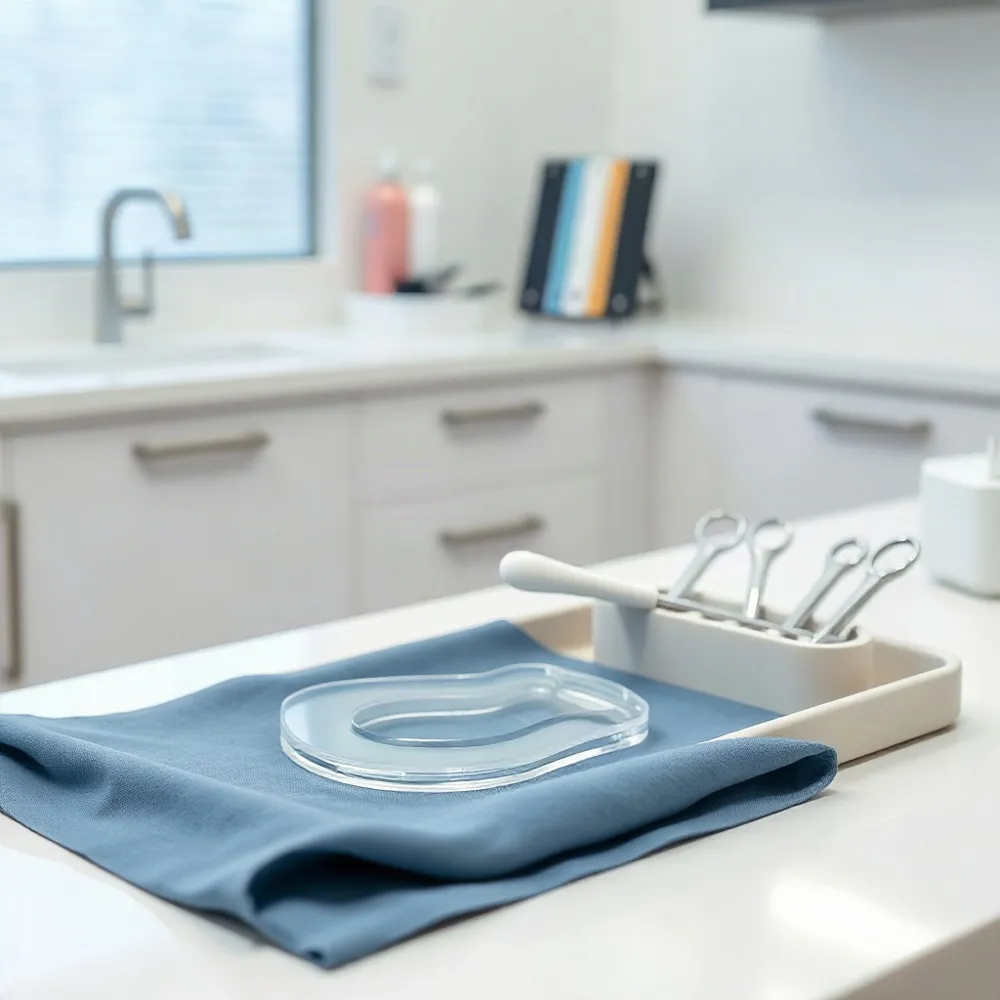 Custom trays. Your dentist fabricates a custom-fitted tray from impressions of your teeth, which holds the whitening gel snugly against every surface while keeping it off your gums. This custom fit is a major reason professional treatments outperform one-size-fits-all strips, which can leave patchy results and irritated soft tissue.
OTC strips. Over-the-counter whitening strips use a lower concentration of hydrogen peroxide or carbamide peroxide, so they require more applications and still often miss the contours between teeth. Because they are not tailored to your mouth, the bleach can sit unevenly or touch your gums, increasing the risk of sensitivity and uneven whitening.
In-office gels. Professionally applied, high-strength gels are the fastest route to a noticeably brighter smile, often lifting several shades in a single visit. However, they cost more and may cause temporary tooth sensitivity, which your dentist can manage with desensitizing agents or by recommending a take-home tray for touch-ups.
For instance, a 2026 professional whitening guide notes that in-office treatments deliver results up to 10 shades lighter in about an hour, whereas at-home kits typically produce only 1 to 3 shades over several weeks. While the upfront cost of professional care is higher, the longer-lasting outcome and reduced risk of gum irritation often justify the investment for those seeking a reliable, comfortable experience.
- Professional whitening is performed under supervision, so your dentist can adjust the concentration to your sensitivity level and protect your gums with a barrier.
- OTC products are convenient and affordable for maintenance, but they lack the personalized fitting and stronger active ingredients that make professional treatments three to five times more effective.
- Custom-fitted trays, like those used in take-home professional kits, keep the gel in place for up to 45 minutes without pooling, reducing the chance of chemical burns.
Upfront cost. Professional in-office whitening typically ranges from $300 to $1,000 per session, while a full course of custom trays and gel may cost $100 to $400. Over-the-counter strips run $20 to $60 per box, but you'll likely need multiple boxes spread over weeks, and the results fade faster without the custom fit.
Time to results. In-office procedures can brighten your teeth by up to 8 shades in 30 to 60 minutes, whereas at-home trays require daily wear for 1 to 2 weeks to achieve a comparable shift. OTC strips often need 14 to 21 days of consistent use just to reach a modest improvement, and the outcome depends heavily on your tooth enamel and stain type.
Gum safety. Because professional trays are custom-fitted, they prevent the peroxide gel from seeping onto your gums or the soft tissues of your cheeks, which is the primary cause of the burning sensation many people report with ill-fitting strips. A dental whitening review highlights that even prescription-strength OTC strips can irritate gums if left on too long, while professional supervision minimizes that risk.
If your main concern is a quick, dramatic change for an upcoming event, in-office treatment is the clear winner. But if you prefer to whiten gradually at home, a custom take-home kit prescribed by your dentist offers the best of both worlds: the comfort of a perfect fit and the power of professional-grade gel, all while protecting your enamel and gums. For more on how professional care translates to lasting confidence, see why a tailored approach matters.
Safety Under Professional Supervision
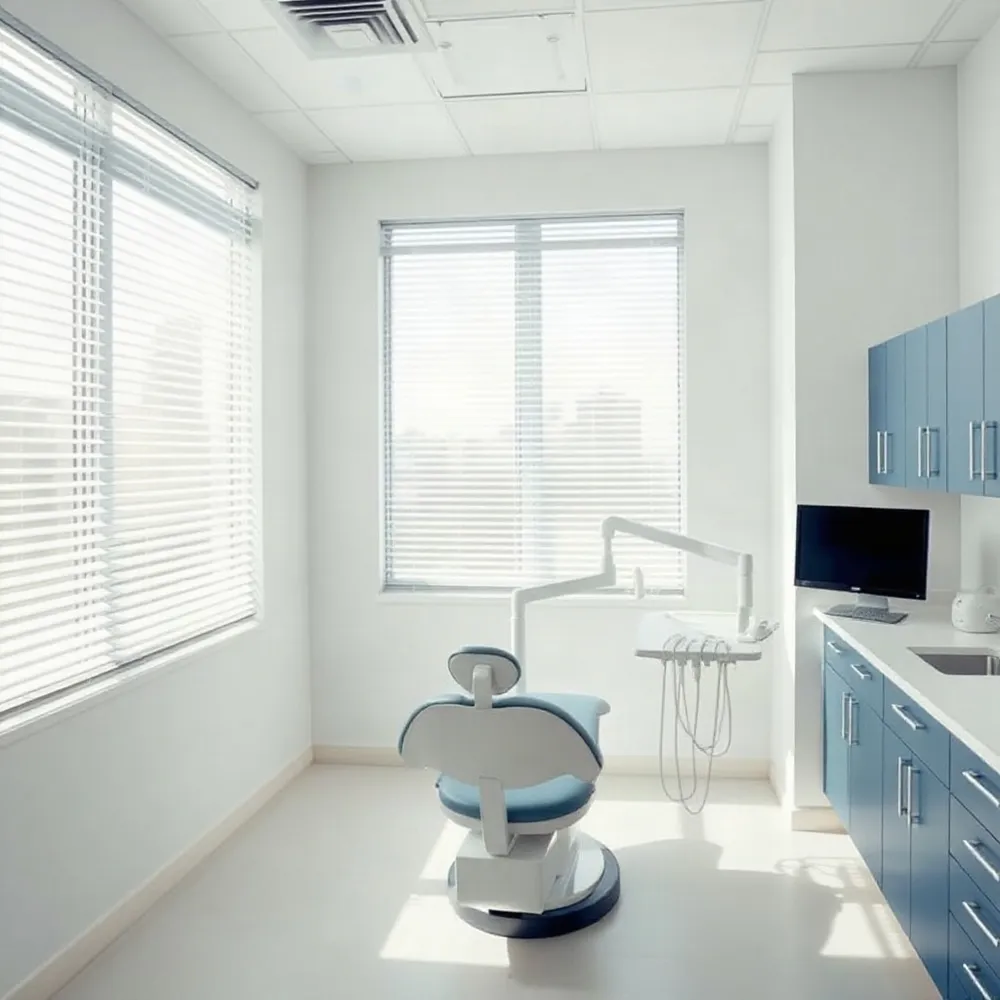 Walk down any pharmacy aisle, and you will see a wall of whitening strips, gels, and trays, each promising a brighter smile. These over-the-counter (OTC) products are popular for one simple reason: they are accessible and affordable. They rely on the same active ingredients that dentists use, chiefly hydrogen peroxide and carbamide peroxide, but at much lower concentrations. For example, your dentist might use a 25% to 40% peroxide gel in the chair, while drugstore strips typically contain 6% to 10% peroxide.
That lower concentration is what makes these products safe for unsupervised use, but it also puts a hard limit on their power. When you buy a whitening kit without a dental professional's guidance, you are committing to following a one-size-fits-all set of instructions. There is no one measuring how often you whiten, checking for gum irritation, or ensuring the trays fit properly before the treatment starts. Use it too often or leave it on too long, and you end up with an uneven or over-whitened smile that looks streaky next to your natural teeth.
What OTC Products Actually Do
OTC products can lift surface stains from everyday habits like coffee, tea, and red wine. Clinical evidence shows they deliver results when used consistently, but the effect is gradual. While a professional treatment can brighten teeth by several shades in a single visit, drugstore strips will typically lighten your smile only one or two shades over a full two-week course. That difference matters when you want a noticeable change ahead of an event or an interview.
There is also the fit issue. Most OTC products rely on a generic tray or strip that adapts to a wide range of mouth shapes. When the whitening agent sits against your gums for too long, it can cause sensitivity and even chemical burns on the soft tissue. This discomfort is one reason many people abandon their at-home kits halfway through. A comparison of professional teeth whitening vs. over-the-counter products notes that the strip's failure to fully conform to the curve of your teeth is what makes results so variable from person to person.
The Difference a Dental Professional Makes
When you choose a professional whitening treatment under the supervision of a dentist, you get more than a stronger chemical. You get a care plan designed around your enamel and your gums. A professional whitening session is done under the supervision of a dental team, protecting gums and soft tissues. This is a primary reason why professional procedures produce more predictable results and cause less discomfort than drugstore products. A dentist can place a protective barrier on your gums, adjust the gel concentration, and monitor how your teeth respond in real time.
Professional take-home kits, when compared side-by-side with store-bought trays, stand out for their higher concentration of active ingredients and the use of custom-fitted trays. These trays deliver the gel evenly across the entire surface of each tooth while keeping it away from your soft tissue. This is why experts like the ones at Enamel Dentistry emphasize that the choice between professional and OTC is not about the whitening agent itself, but about who controls the application.
Safety Under Professional Supervision
Safety. Professional whitening is done under the supervision of a dental team, protecting gums and soft tissues. Your dentist can check for hidden issues like cavities or exposed roots before applying any peroxide, avoiding the risk of chemical burns that generic strips can cause.
Precision. In-office and take-home professional systems use custom trays and controlled gel concentrations, which means the whitening agent stays where it belongs: on the tooth enamel, not on your gums or restorations.
Longevity. Professional whitening typically lasts for six months to two years when you maintain regular oral hygiene, whereas OTC products often need reapplication within a few weeks to keep the shade from fading.
That combination of safety and precision is why so many patients choose to skip the drugstore aisle. If you want to skip the trial and error and achieve a brighter, healthier smile, explore your professional whitening options and see the difference a custom approach can make.
Personalization: Tailored to Your Smile
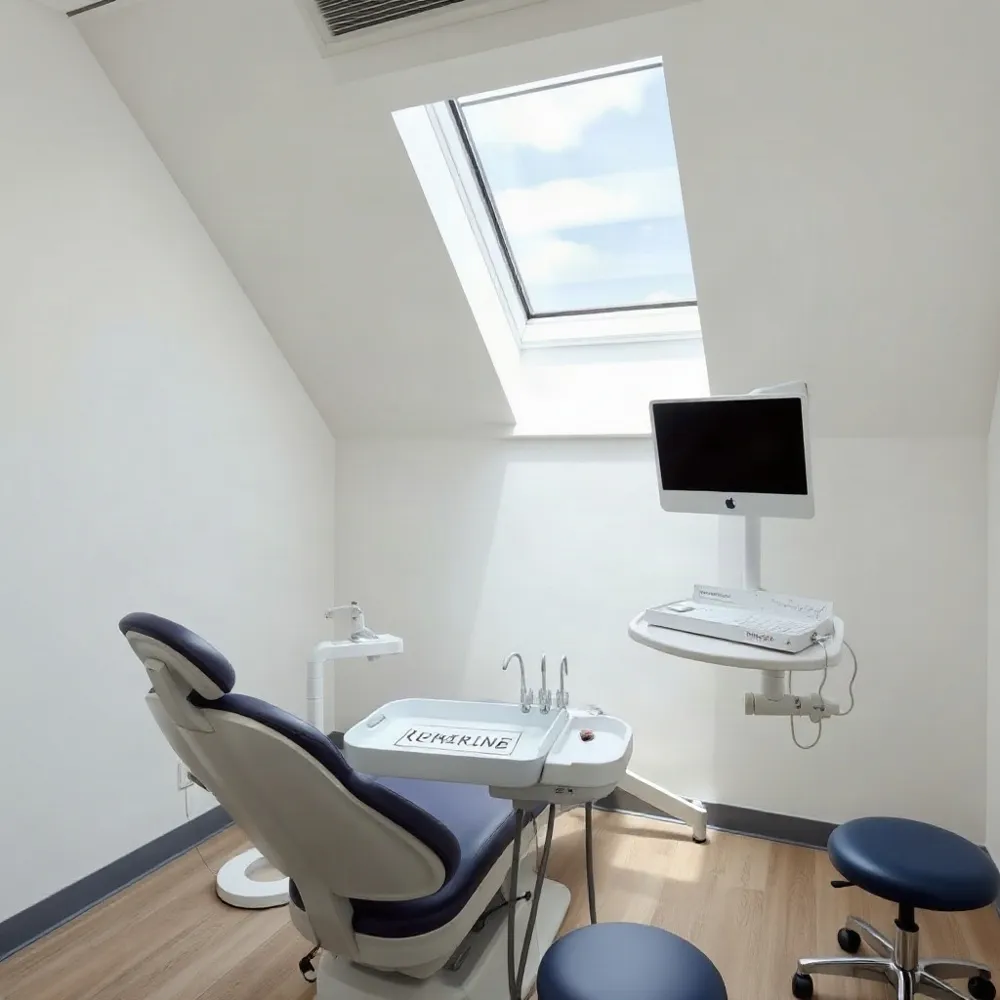 Cost. OTC products fit almost any budget, with drugstore strips, gels, and toothpastes typically costing much less per use. Professional options, both in-office and take-home, involve higher upfront fees but often spread the investment across a single visit or a short kit.
Supervision. Professional treatments are always planned with your dentist, who can catch decay, gum disease, or hidden tooth damage before any gel touches your enamel. OTC products invite self-diagnosis, which means easy to misuse and possible harm.
Outcomes. In-office procedures can lift several shades in under an hour, while take-home trays remain the flexible follow-up choice. OTC options work gradually and predictably plateau; some studies suggest stronger professional formulas deliver longer-lasting results.
Comparing Results: Speed and Shade Change
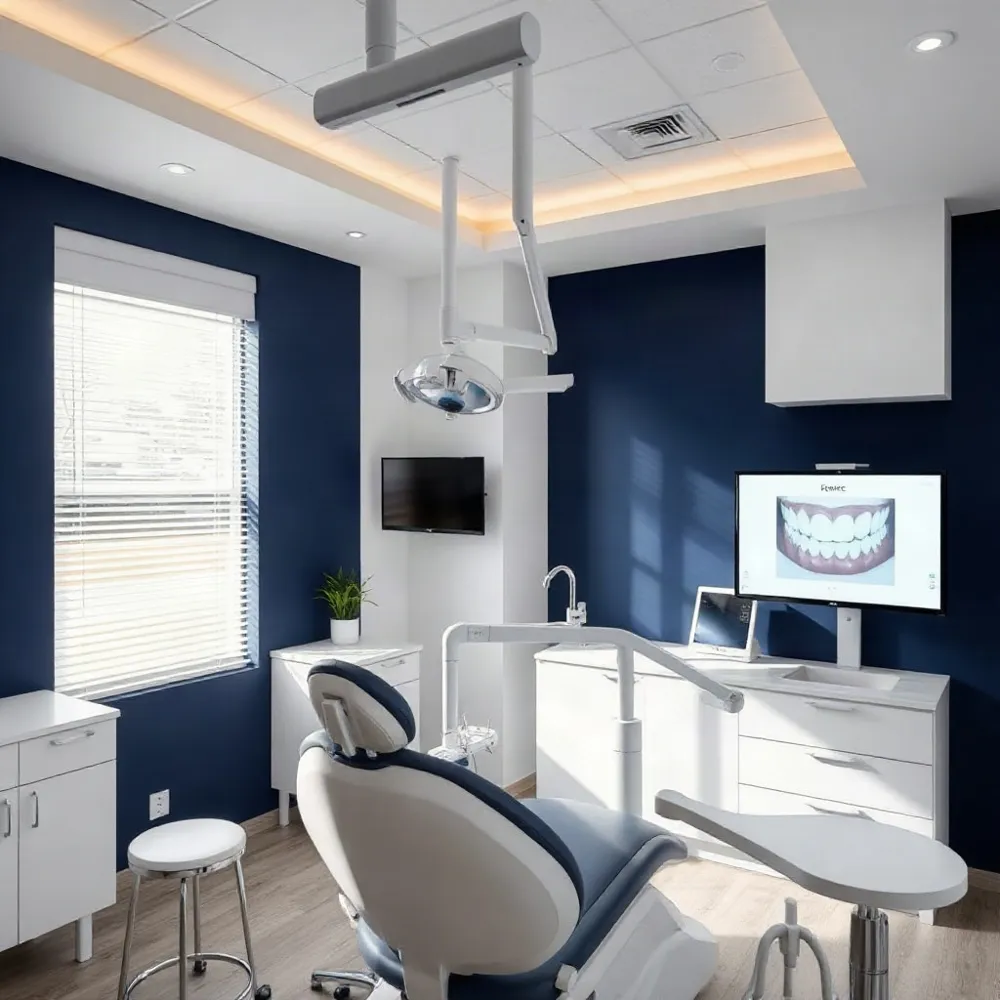 Professional whitening treatments fall into two main delivery models: in-office procedures performed in the dental chair and take-home kits prescribed or guided by your dentist. Each approach shares the same underlying active ingredients, usually hydrogen peroxide or carbamide peroxide, but they differ substantially in speed, convenience, and cost. Understanding these differences helps you choose the path that fits your lifestyle and your smile goals.
The In-Office Advantage
In-office whitening delivers the fastest visible results. During a single appointment, your dentist applies a high-concentration peroxide gel directly to your teeth, often activating it with a curing light. For many patients, this professional treatment can lighten teeth by multiple shades, up to eight shades, in just one visit. That's a dramatic shift compared to the gradual changes you'd see with store-bought products, which typically take weeks of daily application.
The speed advantage matters if you have an upcoming event, a job interview, or a social occasion where you want your smile to look its best immediately. In-office treatment also includes protective measures, such as gum barriers, which reduce the risk of soft-tissue irritation. Your dentist can tailor the concentration and application time to your tooth sensitivity and enamel health, which makes the process safer than self-guided at-home approaches.
For an overview of the shade changes and speed comparisons between in-office and at-home professional options, check out this guide on professional teeth whitening. You'll find details on how long results typically last and what to expect during your appointment.
The At-Home Professional Route
Many dental practices, including Dr. Parrella's, offer take-home whitening kits that use custom-fitted trays and professional-strength gel. These kits are more effective than over-the-counter strips because the trays hold the gel firmly against the enamel, ensuring even coverage and minimizing gum exposure. You control the schedule, which is convenient for people who want whitening results without spending extra time in the chair.
Results from at-home professional kits typically develop over one to two weeks of daily wear, though some patients see a noticeable difference after a few nights. The shade change is usually less dramatic than an in-office session, but the outcome is more predictable than OTC products. For a comparison of professional take-home kits versus store-bought options, visit this detailed resource.
Comparing the Two Approaches
The choice between in-office and at-home whitening often comes down to a few practical factors: how quickly you need results, how much time you want to invest daily, and your budget. In-office treatments carry a higher upfront cost but offer immediate transformation. At-home kits are more economical and allow you to touch up your smile over time, but they require consistency and patience.
| Factor | In-Office Whitening | At-Home Professional Kits |
|---|---|---|
| Speed | Visible lightening in 1 visit | Usually 1-2 weeks of daily wear |
| Shade change | Up to 8 shades in one session | Typically 2-4 shades overall |
| Convenience | Requires a dental appointment | Use at home on your schedule |
| Cost | Higher upfront cost | Lower cost per treatment |
| Monitoring | Your dentist supervises the entire process | Guided by custom trays and follow-up visits |
Some patients combine both approaches: an in-office starter session for immediate results, followed by at-home maintenance trays for long-term brightness. Ask your dentist which strategy suits your sensitivity level and whitening goals. For more guidance on professional whitening versus over-the-counter options, see this blog post comparing the two.
Longevity: Enjoying Results for Years
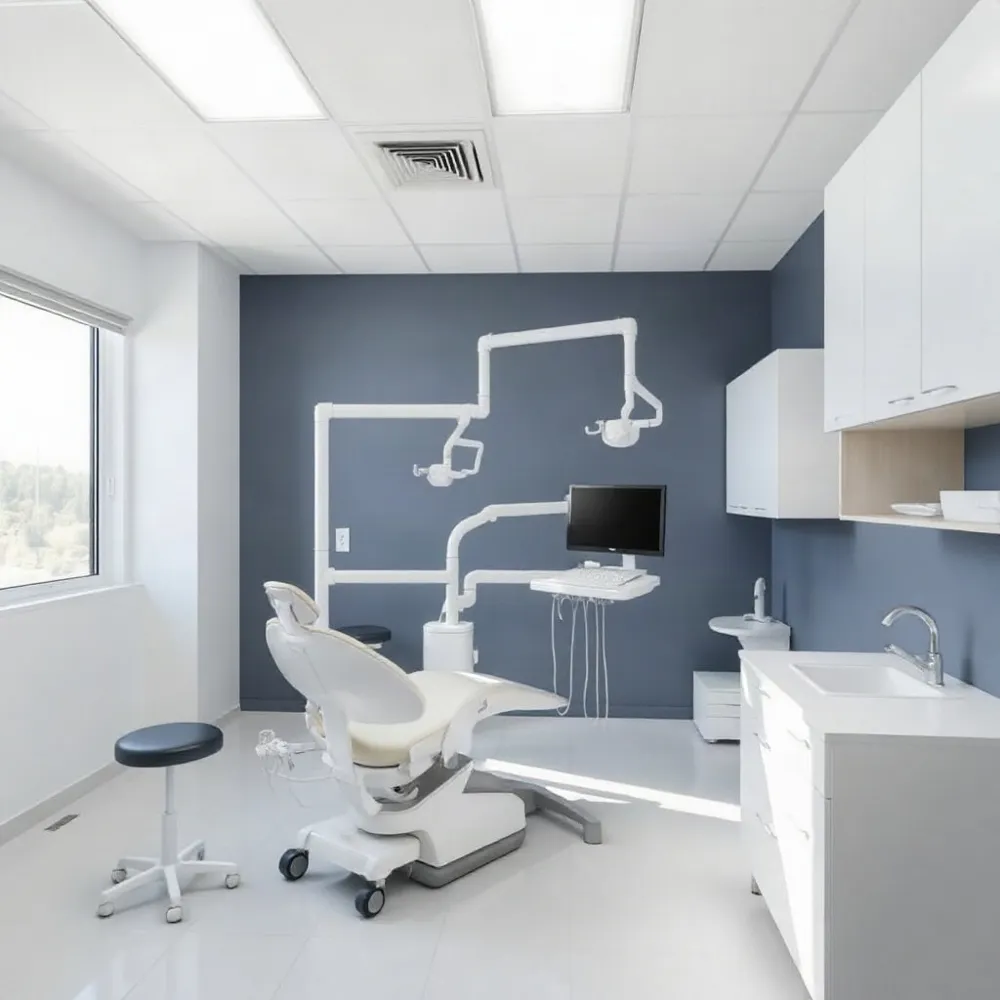 The active ingredient in most teeth whitening products, whether professional or over-the-counter, is a peroxide compound. Professional formulas typically use higher concentrations of these agents, which is why they deliver more dramatic results in a single visit. The active ingredient in most teeth whitening products, whether professional or over-the-counter, is a peroxide compound. Professional formulas typically use higher concentrations of these agents, which is why they deliver more dramatic results in a single visit.
Concentration. Professional in-office gels often contain 25% to 40% hydrogen peroxide. Over-the-counter strips and trays generally stay in the 6% to 10% range. Higher concentrations mean faster, more noticeable lightening, but they also demand professional oversight to protect your gums and enamel.
Application method. Dentists apply whitening agents in controlled conditions, using barriers and gels to shield soft tissues. At-home kits require you to manage the application yourself, which increases the risk of uneven coverage or gum irritation.
Speed of results. Most professional whitening appointments brighten teeth by several shades in about an hour. Over-the-counter products often require weeks of daily use to achieve a comparable shift, and the final shade depends heavily on consistent, correct application.
Professional formulations also include desensitizing agents and fluoride to reduce post-treatment sensitivity. These additions help explain why in-office whitening tends to be more comfortable than many store-bought options, even though the active ingredient is stronger.
Cost Considerations and Insurance
 When it comes to brightening your smile, the choice between professional teeth whitening and over-the-counter (OTC) products comes down to a few core factors: the strength of the active ingredients, the precision of the application, and the guidance you receive along the way. Your dental enamel is the visible surface of your teeth, and it is porous by nature. Whitening agents like hydrogen peroxide and carbamide peroxide penetrate that porous layer to break up stains, but their concentration and the way they are applied determine both the effectiveness and the safety of the treatment. OTC products, such as whitening strips, gels, and trays, contain lower concentrations of these agents to comply with general retail safety standards. That means they can lift surface stains from coffee, tea, and tobacco, but they often hit a plateau. Professional-grade systems, on the other hand, use higher-concentration agents that your dentist controls, which is why in-office treatments frequently deliver more dramatic and longer-lasting results. The difference is not just about the whiteness you see in the mirror; it is about how the treatment interacts with your tooth structure over time.
Understanding the full scope of what each option can do helps set realistic expectations. OTC strips and gels are designed for convenience and affordability, making them a low-barrier entry point for people with mild discoloration. They work best when your enamel is healthy and your staining is primarily extrinsic, meaning it sits on the surface. Intrinsic stains, which form deeper within the tooth due to aging, trauma, or certain medications, resist these products. Professional whitening, whether performed in the dental chair or through take-home trays provided by your dentist, can address a wider range of discoloration because your dentist can tailor the treatment to your specific needs. Your dentist's guidance also ensures that the strength of the whitening agent matches your tooth sensitivity, protecting your enamel and gums from the irritation that over-the-counter products can sometimes cause.
Comparing the Approaches
Professional teeth whitening generally splits into two main categories: in-office procedures and take-home kits prescribed by your dentist. In-office treatments, often called chairside whitening, place a high-concentration gel on your teeth after protecting your gums with a barrier. The dentist may use a curing light to accelerate the breakdown of the peroxide, and the entire process typically wraps up in about an hour. Take-home kits from your dentist use custom-fitted trays that hold a gentler gel, designed for you to wear for a set number of days or nights. Both approaches share the common thread of professional oversight: your dentist evaluates your oral health, photographs your start point, and monitors your progress.
Over-the-counter products, by contrast, are a self-directed endeavor. Whitening strips are thin plastic coated with a peroxide gel, applied directly to your teeth for a set period. Whitening trays from a pharmacy use a one-size-fits-most tray that you fill with gel, while whitening toothpastes and rinses contain mild abrasives or low levels of peroxide for a subtle, gradual brightening effect. Each of these products has its place, but they share a common limitation: you are working without professional evaluation. If you have untreated cavities, receding gums, or exposed roots, standard OTC products can irritate those areas or deliver uneven results.
Weighing Cost, Convenience, and Results
Cost is often the deciding factor, and the gap between the two categories is real. A single in-office whitening session at a dental practice can range from several hundred to over a thousand dollars, depending on your location and the complexity of your case. At-home professional kits sit at a midpoint, often between $200 and $500, which includes the custom trays and the professional-grade gel. Over-the-counter strips generally run anywhere from $20 to $100 for a full course, and they are widely available at grocery stores and pharmacies. That price difference, however, comes with trade-offs in predictability and longevity.
OTC whitening products are inexpensive, often under $50 per kit, which makes them an attractive entry point. But that lower price tag reflects lower concentrations of active ingredients and a one-size-fits-all delivery system. For minor stains, they can work well, and many patients see a noticeable difference within a week or two. For deeper or older stains, the results can be underwhelming, leaving you back where you started or with a splotchy, uneven finish if the product was applied improperly. Professional take-home trays, while pricier upfront, offer a more reliable outcome because the trays fit your teeth precisely, ensuring even gel contact and reducing waste.
Results also differ in how long they last. Professional in-office whitening typically shows dramatic improvement immediately, and with good oral hygiene, those results can last anywhere from six months to three years. OTC strips produce gradual results that fade faster, often within a few months, because the lower concentrations do not deeply re-mineralize or stabilize the enamel the way professional treatments can. Your dietary habits, such as the frequency of coffee, tea, or red wine consumption, also play a role regardless of the method you choose.
Safety and Sensitivity Considerations
Safety is where professional guidance truly matters. Your dentist can evaluate your enamel thickness, check for underlying decay, and identify any restorations, such as crowns or veneers, that will not respond to whitening in the same way as natural teeth. This baseline assessment protects you from the frustration of investing in a treatment that cannot deliver on your specific case. For example, a porcelain crown will not lighten with whitening agents, so a professional treatment plan can adjust your expectations or recommend alternative cosmetic options. Over-the-counter products come with no such assessment, leaving you to guess whether your teeth are a good candidate for whitening in the first place.
Sensitivity is a common side effect of all whitening methods, but its severity often tracks the strength of the peroxide. OTC products can cause temporary tooth sensitivity and gum irritation, particularly if the gel comes into contact with your gum tissue. Professional treatments manage this through barriers, lower-abrasion formulas, and the option of desensitizing agents applied in the office. Your dentist can also recommend a desensitizing toothpaste to use before and after the procedure, smoothing the recovery. If you have sensitive teeth, professional guidance can make the difference between a comfortable experience and a painful one.
Making the Right Choice for Your Smile
The decision between professional whitening and over-the-counter products ultimately comes down to your goals, your budget, and the current state of your oral health. If you have stubborn stains, a special occasion approaching, or you simply want the most reliable, longest-lasting results, professional treatment is the better investment. Your dentist can deliver a brighter smile in a single visit, or set you up with custom take-home trays that fit your routine. If you are happy with the idea of gradual improvement and you have a healthy mouth with only light surface staining, OTC products can be a reasonable starting point.
What matters is that you do not guess. A quick visit to your dentist to assess your enamel and discuss your whitening goals can prevent wasted money and potential damage. Professional teeth whitening also gives you access to a customized plan, whether that means in-office light-accelerated treatments or a tailored take-home system. Regardless of which path you choose, protecting your enamel and maintaining consistent oral hygiene will help your smile stay bright long after the treatment fades.
Making the Right Choice for Your Smile
 Professionals. Professional in-office and take-home systems use higher concentrations of hydrogen peroxide or carbamide peroxide under controlled conditions. These clinical-strength agents penetrate deeper and deliver faster, more dramatic results. In contrast, over-the-counter (OTC) products rely on lower concentrations, which limits their effectiveness and may require weeks of consistent use to achieve noticeable change.
Consumers. OTC products often prioritize convenience with pre-filled trays and strips, but they sacrifice the ability to customize fit and concentration. One-size-fits-all strips can lead to uneven bleaching where the agent pools against the gums, increasing the risk of soft tissue irritation and inconsistent shade. Professional systems are tailored to each patient's unique smile, ensuring a safer, more uniform outcome.
While OTC options may seem like a budget-friendly starting point, the evidence consistently points to professional treatment as the more effective path. A 2026 comparison[otc vs professional teeth whitening 2026] clearly outlines how in-office procedures use stronger active ingredients and advanced light activation, resulting in shades of improvement that at-home kits simply cannot match. Moreover, professional take-home kits provide a middle ground, offering the potency of clinical formulations with the flexibility of at-home application, all under your dentist's supervision.
When you select professional treatment at Dr. Parrella's Somerville practice, you are not just paying for a whitening product; you are investing in a customized approach. Your dentist evaluates tooth sensitivity, enamel condition, and discolorations to select the right concentration and method, ensuring you avoid the uneven results and heightened complication risks that can accompany store-bought formulas. For patients with sensitive teeth or complex stains, professional-grade peroxide is the superior choice.
Your Path to a Confident Smile
Professional whitening formulations deliver the active agent in one of two main carriers: custom-fitted take-home trays or in-office applications. Understanding how each works helps you choose the approach that fits your lifestyle, your sensitivity level, and the results you expect. Both methods outperform store-bought strips and rinses in predictability and strength, but they serve different preferences when it comes to convenience and control.
Take-home trays. Custom trays are fabricated from molds of your teeth, ensuring the bleaching gel stays in full contact with every surface. You wear them for a prescribed period each day, typically one to two weeks, which gives you flexibility to whiten on your own schedule. Because the trays are fitted, less gel is wasted and your gums stay protected from overexposure. This option appeals to patients who prefer to manage treatment at home while still getting a dentist's guidance.
In-office whitening. In-office treatments use higher-concentration peroxide gels that are activated by a special light or laser during a single visit. The dentist isolates your gums and carefully controls the application, producing immediate, dramatic results in about an hour. This is the most convenient route for someone preparing for an event or simply wanting instant gratification, and it removes the guesswork of consistent home use.
The choice isn't just about preference; it also comes down to strength and safety. Professional whitening products used in a dental office contain up to 40% hydrogen peroxide, far above the 10% maximum found in over-the-counter strips. This higher concentration is what delivers faster, more dramatic changes, but it also requires professional oversight to protect your enamel and gums. As the Professional Teeth Whitening vs. At-Home Teeth Whitening guide explains, the controlled environment of a dental chair minimizes the risk of uneven results and chemical burns that can occur with self-directed treatments.
Comparing the Outcomes: What You Actually Get
Results differ not only in speed but in longevity and uniformity. A single in-office session can lift teeth several shades in about an hour, and with proper care, the effects typically last between six months and three years. Take-home trays, while slower to show progress, offer gradual lightening that can be easier on sensitive teeth, and they allow you to touch up specific teeth that may be more stained.
Over-the-counter strips, on the other hand, have a hard time reaching the same shade depth because their peroxide concentration tops out at around 6% to 10%, and their one-size-fits-all fit leaves gaps that create patchy results. A professional take-home kit vs. store-bought comparison from a dental practice highlights that custom trays eliminate those gaps, ensuring every tooth is treated evenly and the gum line stays protected.
| Carrier | Strength | Results Timeline |
|---|---|---|
| In-office | Up to 40% HP | 1 hour, dramatic |
| Take-home | 10-20% CP | 1-2 weeks, gradual |
| OTC strips | Up to 10% HP | 2-4 weeks, limited |