
Why Flossing Matters for a Healthy Smile
Flossing is an essential part of daily oral hygiene, not an optional extra. A toothbrush alone cannot reach the spaces between teeth, missing more than a third of tooth surfaces. As the Canadian Dental Association notes, if you are not flossing, you are missing a significant portion of your tooth surfaces.
Daily flossing removes plaque and food debris from those hidden areas, preventing buildup that leads to cavities and gum disease. The American Dental Association recommends flossing once a day to disrupt dental plaque before it hardens into tartar, which can only be removed by a dentist. Brushing removes only 40% to 60% of plaque, according to UAB research, but cleaning between teeth helps eliminate more.
Establishing this simple daily habit is a low-risk, low-cost way to protect both your smile and your overall health. The National Institute of Dental and Craniofacial Research confirms that timely removal of plaque from between teeth is the goal, whether you use floss or another interdental cleaner.
The Hidden Benefits of Daily Flossing
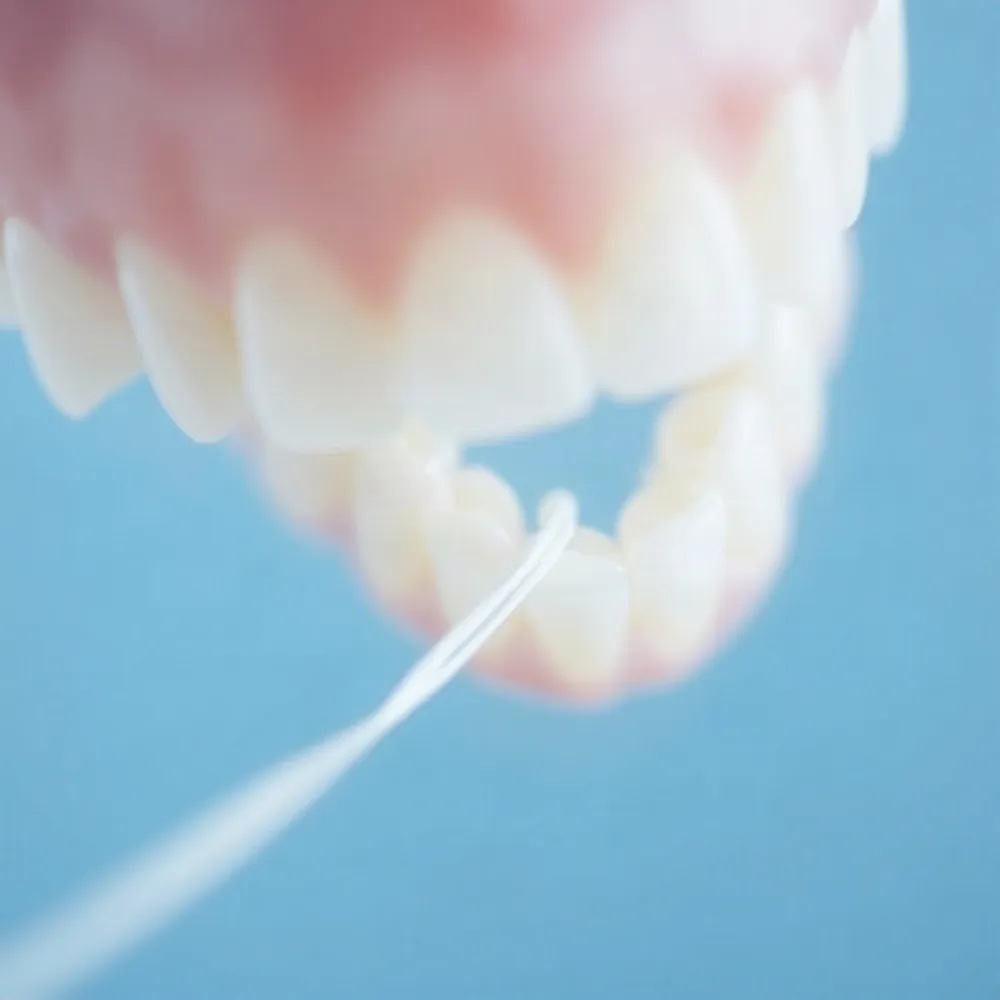 Flossing does more than dislodge a stray piece of food. Its primary job is to disrupt dental plaque, the sticky bacterial film that brushing alone misses on more than one-third of your tooth surfaces. Left undisturbed, plaque absorbs calcium from saliva and hardens into calculus (tartar), a cement-like deposit that only a dentist can remove. Daily flossing prevents that calcification process, keeping plaque from turning into a problem that requires a professional cleaning tool.
When plaque builds up between teeth, the gums respond with inflammation. Regular flossing directly reduces gingival bleeding and inflammation, lowering the risk that early gum disease will progress to periodontitis. Periodontitis is not confined to the mouth; the resulting inflammatory markers travel through the bloodstream and are linked to systemic diseases such as cardiovascular disease, diabetes, and some forms of dementia. The same research that connects gum disease to heart health also suggests that daily flossing is associated with a reduced risk of stroke and irregular heart rhythms.
The long-term payoff of this daily habit is notable. According to research from the UAB School of Dentistry, individuals who floss every day live, on average, nearly six and a half years longer than those who do not. The practice of preventive dentistry at home translates directly into lower lifetime inflammation, fewer dental emergencies, and a healthier body overall. For families in Somerville, Dr. Parrella's team emphasizes that consistent flossing is one of the most effective steps you can take to protect both your smile and your long-term health.
How Often and When to Floss for Best Results
 The American Dental Association recommends flossing once a day to remove food particles and plaque from between the teeth. Brushing alone reaches only about 60% of tooth surfaces, so daily flossing is essential for preventing cavities and gum disease.
Flossing at night before bed is ideal. It clears away food and bacteria that have built up throughout the day, and because saliva production drops during sleep, plaque becomes more concentrated and potentially more harmful. Removing that plaque at night gives your teeth a cleaner environment until morning.
Should you floss before or after brushing? Research suggests that flossing first may allow more plaque removal, because brushing afterward flushes away the debris that flossing loosens. However, the order does not matter as long as you do a thorough job. The single most important factor is making flossing a daily habit.
Consistency matters more than frequency. Flossing once a day is sufficient for most people. For help building that habit, Dr. Parrella's team offers a free downloadable guide covering proper brushing, flossing, and denture care. Choose a time that fits your routine and stick with it.
Choosing the Right Flossing Tool for You
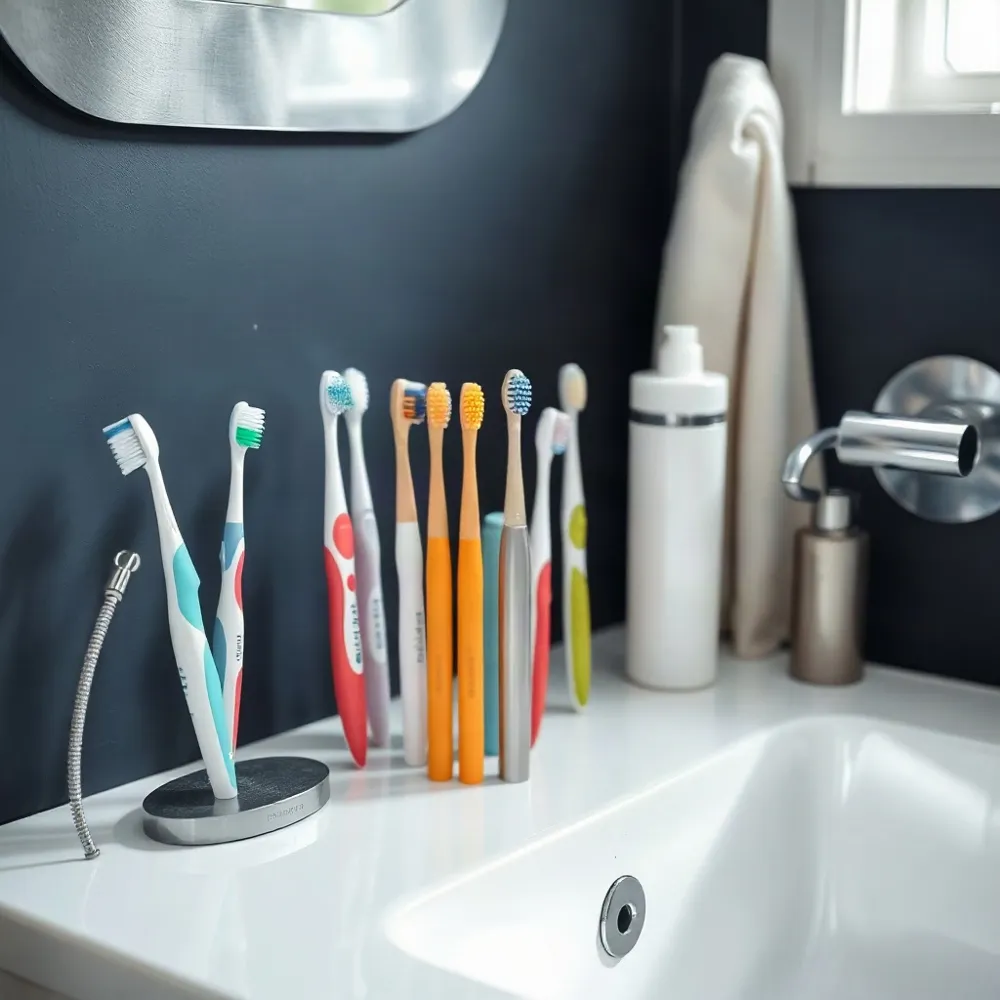 Traditional string floss is available in two main types: nylon multifilament and monofilament (single strand). Nylon floss comes waxed or unwaxed. Waxed floss slides easily through tight contacts between teeth and resists fraying. Unwaxed floss is thinner and can slip into very narrow spaces but may shred or break more easily.
For larger gaps, dental tape is a wider, flatter option that covers more tooth surface. People with braces, bridges, or dexterity challenges may benefit from a water flosser, which uses a gentle stream of water to remove debris. Interdental brushes are another strong choice — studies show they can be very effective at removing plaque, sometimes more so than string floss.
Floss picks and pre-threaded flossers allow one-hand operation for those with limited finger dexterity. Whatever tool you select, look for the ADA Seal of Acceptance to confirm it has been tested for safety and effectiveness. You must also floss the back side of your last molars, where food and plaque accumulate. A floss holder or a water flosser can make reaching those areas much easier.
At drparrella.com, the team can recommend the best tool for your specific needs during your next visit. The goal is to find a tool you will use every day.
Step-by-Step Guide to Proper Flossing
Flossing may seem awkward at first, but a simple step-by-step method makes it manageable for anyone. Proper technique removes plaque from surfaces your toothbrush cannot reach, especially the tight spaces between teeth and just under the gum line.
Start with about 18 inches of floss. Wind most of it around one middle finger and the rest around the opposite middle finger. This lets you advance to a clean section as you move from tooth to tooth. Hold the floss tightly between your thumbs and forefingers, leaving about 1 to 2 inches of working space.
Guide the floss gently between your teeth using a sawing motion. Never snap it into the gums — doing so can cause pain and damage delicate tissue. When the floss reaches the gum line, curve it into a C shape against one tooth. Slide it up and down against the side of that tooth, going just under the gumline. Repeat this motion on the adjacent tooth before removing the floss and moving to the next space.
Use a clean section of floss for each gap to avoid spreading bacteria. Do not forget the back side of the last molars in each corner of the mouth — these are common spots for plaque buildup. The American Dental Association recommends a thorough flossing session once daily, and you can divide your mouth into a consistent pattern (for example, upper right to upper left, then lower right to lower left) to make sure nothing is missed.
Length. 18 inches of floss, wrapped around middle fingers
Grip. Hold tightly between thumbs and forefingers, leaving 1-2 inches
Motion. Sawing motion between teeth, C-shape at gumline, then up-and-down strokes on each tooth surface
Coverage. Both sides of every tooth, including the farthest back molars
Cleanliness. Advance to a fresh floss section for each gap; never reuse floss
Common Flossing Mistakes to Avoid
Even with good intentions, small errors in flossing technique can reduce its benefits or cause harm. A common mistake is snapping the floss into the gums. This can cause pain, bleeding, and injury to the delicate gum tissue. Instead, guide the floss gently between teeth using a back-and-forth sawing motion, as recommended by the American Dental Association.
Flossing too gently may leave plaque behind, while flossing too aggressively can damage gums and, over time, cause them to recede. Applying the right pressure takes practice. The NIDCR notes that the goal is to disrupt plaque before it hardens into tartar, so a firm but controlled motion is best.
Using a piece of floss that is too short is another frequent error. A short length makes it impossible to use a clean section for each gap, which can transfer bacteria from one area to another. The ADA recommends using about 18 inches of floss, winding the used portion around one finger as you move from tooth to tooth.
Common Oversights and Technique Issues
Many people skip the back side of the last molars, a prime spot where plaque builds up and can lead to decay. A study cited by the Journal of Periodontology found that thorough flossing of all teeth significantly reduced gum inflammation compared to partial flossing.
Relying solely on a water flosser without also using traditional floss is another common pitfall. According to the Cleveland Clinic, water flossers remove large food particles but cannot disrupt the biofilm on tooth surfaces the way string floss does.
For patients unsure about their technique, the team at drparrella.com offers guidance on proper oral hygiene. They help patients find the right balance between thorough cleaning and gentle care, supporting long-term gum health and preventing common flossing errors.
Flossing for Children and Special Situations
Starting Children on the Right Path
Children should begin flossing as soon as they have two teeth that touch each other. Adults should handle the task initially and continue helping until the child is around age 10 or 11, when their coordination is developed enough to floss independently. The team at drparrella.com offers a free downloadable guide that walks families through proper flossing techniques for children.
Flossing With Braces, Bridges, and Implants
Water flossers use a gentle stream of water to rinse away food and plaque and are especially useful for people with braces, bridges, or other dental work. For those with very tight contacts or orthodontic appliances, a floss threader helps guide floss where it needs to go. Super floss has three segments — a stiff end, regular floss, and a spongy section — designed to clean around bridgework and braces effectively.
Options for Dexterity Challenges
Patients with dexterity issues may benefit from electric flossers or interdental brushes. According to the Canadian Dental Association, interdental brushes are very effective for plaque removal and can be easier to handle than traditional floss. The best tool is the one you will use consistently.
Getting Individualized Advice
Always consult your dental health professional about the best routine and tools for your specific needs. A dentist can recommend the right floss type, interdental brush size, or water flosser setting to keep both your smile and overall health in good shape.
Can a Dentist Tell If You've Just Started Flossing?
If you have ever tried to floss right before a dental cleaning to hide a few weeks of neglect, you are not alone. But does it actually work? The short answer is no: a dentist can almost always detect whether flossing is a regular habit or a last-minute attempt.
The most immediate sign is bleeding gums. When gums are inflamed from long-term plaque buildup, any probing or flossing will cause them to bleed easily. This happens even if you flossed just minutes before your appointment. Healthy gum tissue, which results from consistent daily care, does not bleed.
Red, puffy, and swollen gums are another clear indicator. This condition, known as gingivitis, takes roughly a week of consistent daily flossing to resolve. A single session cannot reverse the visible inflammation that has developed over time.
The most permanent evidence is hardened tartar, or calculus. Plaque that is not removed by flossing absorbs minerals from saliva and calcifies into a hard deposit that sticks to teeth both between the teeth and below the gumline. A last-minute flossing session cannot loosen established calculus. Only a professional dental cleaning can remove it.
A dentist can spot these neglected interdental areas during an exam. Visible plaque or calculus buildup, combined with signs of gum disease like puffiness and bleeding, makes the state of your home care routine quite obvious. The absence of these signs, on the other hand, tells a different story.
The good news is that consistent daily flossing changes the situation between dental visits. Regular plaque removal helps gum tissue become healthier and firmer. When your gums look pink and tight against the teeth and do not bleed during a cleaning, your dentist can see that your home routine is working. The knowledgeable team at drparrella.com can help patients establish a routine that leads to this outcome between every appointment.
The 2-2-2 Rule and Flossing Myths Explained
A simple, dentist-recommended guideline called the 2-2-2 rule can help you build a consistent oral care routine: brush twice a day for two minutes each time, and visit your dentist twice a year. This easy-to-remember approach reduces plaque, helps prevent cavities, and protects against gum disease.
You may have heard about a 3-3-3 trend online, which suggests brushing three times a day for three minutes and keeping the habit for three months. Dentists agree that proper technique and the twice-a-day, two-minute method are more effective than simply brushing longer or more often. For most patients, the proven 2-2-2 rule is sufficient for excellent oral health.
Flossing is a key part of a complete daily routine alongside brushing. Flossing should not cause pain. If you feel discomfort, you may be using too much force — use gentler technique. If pain persists, consult your dentist to check for underlying issues.
A comprehensive periodontal examination every year is recommended to catch gum disease in its earliest stages, which can develop without obvious symptoms. Regular checkups at drparrella.com can also help you stay on track with your 2-2-2 routine.
Making Flossing a Lifelong Habit for Better Health
Flossing once daily protects your teeth, gums, and overall well-being. People who floss daily live on average nearly six and a half years longer than those who do not, according to Dr. Mia L. Geisinger of the UAB School of Dentistry. Brushing alone removes only 40% to 60% of plaque, but cleaning between teeth helps eliminate more.
It can take two to three months to form a new flossing habit, so persistence pays off. On average, that is the time needed to make interdental cleaning a regular part of your day. Regular flossing is associated with a reduced risk of stroke, major cardiovascular events, and irregular heart rhythms.
The key is consistency: choose a tool and technique that works for you and stick with it. Whether you prefer traditional string floss, interdental brushes, or a floss pick, the best tool is the one you will use daily. For those with braces, bridges, or implants, a water flosser can help reach every nook and cranny. If you are unsure which tool suits your needs, the team at drparrella.com can help you find the right approach during your next visit.
Schedule regular dental checkups where your dentist can evaluate your technique and catch early signs of gum disease. A comprehensive periodontal examination every year can diagnose gum disease at its earliest stages, often before symptoms appear. Your dentist can also suggest adjustments to your routine as your dental needs change over time.
Investing these few minutes each day helps you keep your natural teeth for a lifetime and supports your long-term health. Making flossing a permanent part of your evening routine is a simple, low-cost step that pays dividends for decades.