
Two Paths to a Brighter Smile
Professional teeth whitening and veneers can both improve the appearance of a smile, but they work in different ways. Whitening lightens natural tooth color, while veneers cover the front of teeth and can also change how they look. A dental examination before whitening helps identify the cause of discoloration and consider oral health and existing restorations.
The choice often comes down to the change you want: a brighter shade, or a broader adjustment to visible features such as chips, gaps, or tooth shape. Dental veneers may address concerns that whitening cannot, but they involve a different level of treatment.
Popularity alone is not a useful guide. Your dental health, personal goals, and comfort with the degree of change all matter. At drparrella.com, a family-run Somerville practice, treatment planning is part of personalized, comprehensive dental care, so the discussion can start with your health and what you hope to change.
What Each Treatment Can Change
The difference is not just how bright teeth look, but which features a treatment can change. Professional whitening lightens natural tooth color, while dental veneers are custom-made shells bonded to the fronts of teeth.
Whitening may suit someone whose main concern is discoloration and who is satisfied with the shape of their teeth. It does not reshape teeth or cover chips and gaps. The cause of staining also matters: the American Dental Association’s whitening guidance explains that some stains respond differently, and whitening changes natural teeth rather than tooth-colored restorations.
Results vary, and whitening may require touch-ups as stains return. At drparrella.com, a dental exam can help assess the cause of discoloration, existing restorations, and oral health before discussing cosmetic options.
Veneers can change visible color and shape, and may conceal chips, gaps, or slight unevenness. They are cosmetic coverings, however, and do not strengthen or repair a tooth or replace care for cavities or gum disease. Cleveland Clinic notes that significant oral-health problems should be addressed before veneer treatment.
Whitening is generally less invasive. Veneer placement often requires removing some enamel, and many types cannot be reversed. A consultation at drparrella.com can help weigh the visible changes you want against this commitment and determine which option fits your dental health and goals.
Whitening Safety and Expected Results
Professional whitening uses peroxide-based products, either during an in-office visit or in take-home trays provided by a dentist. In-office treatment is generally quicker, while trays allow a more gradual approach. The right method and schedule depend on your oral health, the product, and the type of discoloration. Natural tooth color and the cause of staining also affect how much change to expect, so a specific shade cannot be promised.
Temporary tooth sensitivity and mild gum irritation are the most common side effects. Sensitivity may occur with hot, cold, or sweet foods and drinks, and irritation can happen if gel touches the gums. These effects often ease after treatment ends. Pause treatment and contact your dentist if discomfort persists or concerns you. The American Dental Association’s whitening guidance also advises an examination to assess whether whitening is appropriate.
Before recommending treatment, a dentist can check for cavities, gum problems, a history of sensitivity, and existing restorations. Whitening affects natural teeth, not the color of crowns, fillings, or other tooth-colored restorations, which may leave a shade difference. A dentist can help account for this when planning treatment.
Using whitening products too often or contrary to their instructions can increase irritation and sensitivity. Follow the product directions and ask a dentist before changing the schedule or trying another product. At drparrella.com, care is led by Dr. Anthony P. Parrella, with recommendations grounded in a patient’s overall dental needs. For more on professional options, see how professional whitening differs from over-the-counter products.
Whitening Needs Ongoing Maintenance
Teeth whitening is not permanent, and it does not prevent new discoloration. Coffee, tea, red wine, tobacco, plaque buildup, and natural aging can gradually dull results. How long the change lasts varies with the person, the type of staining, and daily habits.
Regular brushing and flossing, routine dental visits, and limiting stain-causing foods and drinks can help maintain a brighter appearance. Ask your dentist whether and when touch-ups are appropriate, especially if you have sensitive teeth. The American Dental Association’s whitening guidance recommends considering oral health and existing restorations when planning treatment.
Whitening affects natural teeth, not the color of crowns, veneers, or other tooth-colored restorations. This can leave a shade difference if natural teeth lighten around them, so discuss existing dental work before treatment. At drparrella.com, cosmetic care is part of a family-run Somerville practice’s broader dental care, where a dentist can review your teeth and goals before you plan whitening or touch-ups.
Candidacy Starts With Oral Health
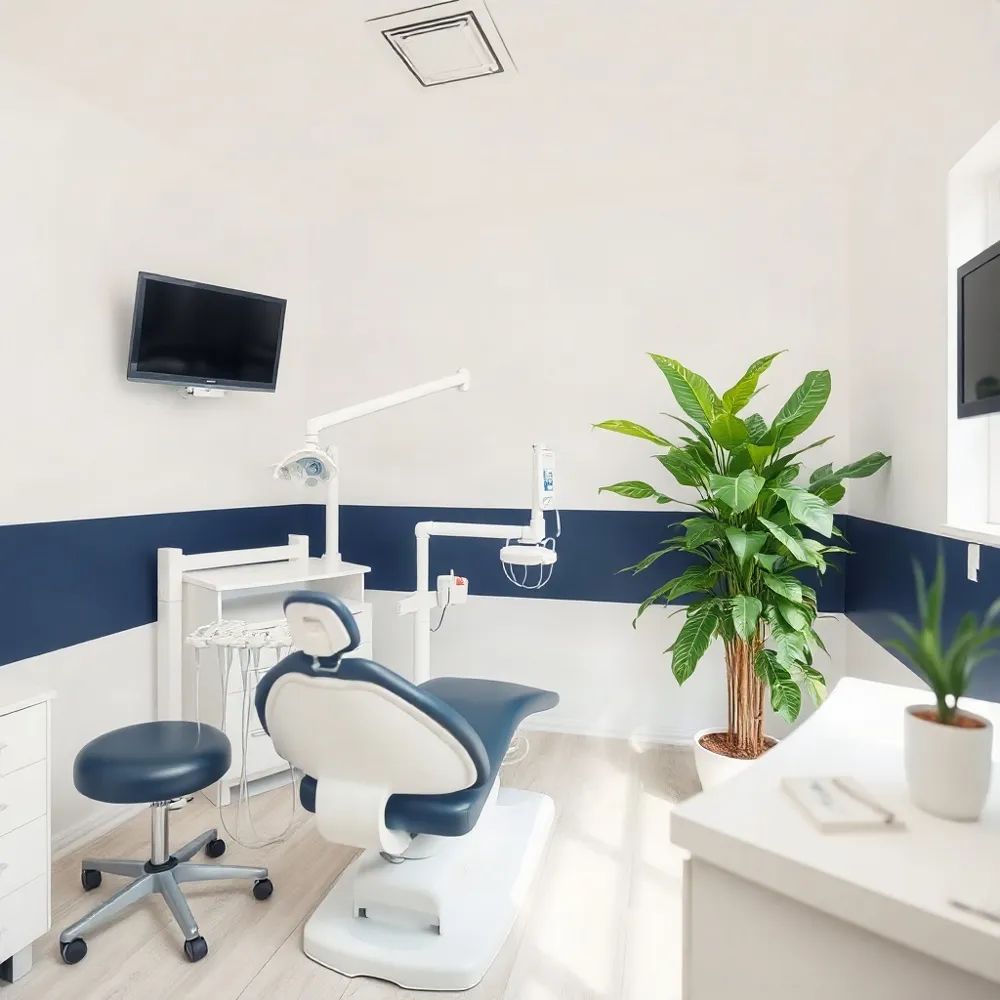 Before choosing a cosmetic treatment, a dentist should check the health of your teeth and gums. Cavities, gum disease, cracks, sensitivity, and existing dental work can affect what is appropriate and how results may look.
Whitening may be worth discussing when your teeth and gums are healthy, the discoloration is likely to respond to bleaching, and your expectations fit what whitening can achieve. A dental examination can help identify the cause of staining and account for restorations, since whitening changes natural teeth but not crowns or other tooth-colored dental work. The American Dental Association’s whitening guidance recommends evaluating oral health and existing restorations before treatment.
If your goals include changing visible tooth shape or concealing chips, gaps, or stains that have not improved with whitening, veneers may be an option to discuss. They cover the front of teeth and involve their own considerations, including enamel removal for many types. Significant cavities or gum disease should be addressed before veneer treatment, as explained in the Cleveland Clinic’s overview of dental veneers.
At drparrella.com, cosmetic treatment is part of comprehensive dental care, so candidacy depends on an examination as well as your smile goals and individual circumstances. A discussion with Dr. Parrella can help clarify whether whitening, veneers, or another approach fits your oral health and the change you want.
Veneer Materials and Commitments
 Porcelain and composite veneers can both conceal visible imperfections, but they differ in how they are made and cared for. Porcelain veneers are custom-made shells, while composite veneers are shaped from tooth-colored resin. Cleveland Clinic’s guide to dental veneers explains that porcelain generally resists stains better than natural enamel.
Porcelain veneers usually involve preparing the teeth and taking impressions so a laboratory can make the shells. This often means more than one appointment. Composite resin can be applied and shaped directly on the teeth, and impressions may not be needed. Composite may also be easier to repair if a small area chips, while a damaged porcelain veneer often needs replacement.
The trade-off is not only appearance. Porcelain generally costs more, and preparation commonly removes some enamel. Once enamel is removed, most veneers cannot simply be taken off and the teeth left unchanged. Composite may require less preparation, but it can stain or wear sooner. Either material can chip or loosen, and veneers may eventually need repair or replacement.
Before choosing a material, ask your dentist about expected lifespan, total cost, and alternatives such as whitening or bonding. Discuss habits such as grinding or clenching, which can put extra pressure on veneers, and make sure any cavities or gum problems are treated first. At drparrella.com, cosmetic planning sits within a family-run practice that provides comprehensive dental care, so questions about veneer suitability can be considered alongside overall oral health.
Veneers remain cosmetic treatment, not a substitute for brushing, flossing, or routine dental visits. Good daily care and avoiding hard objects can help protect them, but do not eliminate the possibility of future repair or replacement.
Alternatives and Smile Planning
 The right alternative depends on what you want to change and the condition of your teeth. If discoloration is the main concern, professional whitening may brighten natural teeth without changing their shape. For small chips or mild unevenness, composite resin bonding can add or reshape tooth-colored material while preserving more natural tooth structure than a veneer may require. Composite veneers can also conceal mild cosmetic concerns, though they cover the front of a tooth rather than simply repairing a small area.
A dental veneer covers the front surface of a tooth to change its visible appearance. A crown covers the entire tooth and is generally used to restore teeth badly damaged by decay or trauma, rather than to make a cosmetic change to an otherwise healthy tooth. The appropriate choice depends on the tooth’s condition and the amount of natural structure that should be preserved.
The so-called 4-8-10 rule is a cosmetic planning idea: it suggests considering veneers on four, eight, or ten upper teeth based on how many teeth show when you smile and the changes you want. It is not a validated clinical standard or a fixed prescription. The number of teeth treated should instead reflect your smile goals, bite, oral health, and the natural teeth visible around any restorations.
At drparrella.com, smile planning begins with the individual’s concerns and dental condition, rather than a preset number of veneers. A dental assessment can help compare whitening, bonding, veneers, and other options while considering your bite and how much healthy tooth structure to retain.
Long-Term Care and Treatment Costs
A veneer may remain in good condition for years, but it is not maintenance-free. Over time, it can wear, chip, crack, loosen, or develop worn or discolored edges. Porcelain generally resists stains better than composite, while material, fit, oral care, and habits such as grinding or chewing hard objects all affect how long a veneer lasts.
If a veneer is damaged or no longer fits well, a dentist can assess whether it can be repaired or needs replacement. Because placement often removes some natural enamel, replacement may involve additional treatment. The tooth beneath a veneer can also still develop decay, so brush twice daily, floss, and keep up with regular examinations and cleanings. The Cleveland Clinic’s veneer guidance covers care, possible complications, and expected lifespan.
Whitening costs depend on the method, extent of staining, number of treatments, and local fees. Veneer fees vary with the material, number of teeth, treatment complexity, and any dental work needed first. The Cleveland Clinic notes that most insurance plans do not cover cosmetic veneers, though actual coverage depends on your plan and circumstances.
At drparrella.com, personalized, comprehensive care includes discussing treatment needs with patients at the Somerville practice. Ask your dental team for an estimate based on your oral health and goals, and raise practical questions about maintenance, replacement, coverage, and payment options. You can also read about long-term veneer care before weighing the commitment.
Choose the Option That Fits
If your main concern is the color of otherwise suitable teeth, whitening may be a less-invasive place to start. Veneers can also change visible shape and cover selected concerns such as chips or gaps, but they involve a greater commitment. Dental veneers are cosmetic coverings, not a substitute for treating underlying dental problems.
A dental evaluation can help identify the cause of discoloration and whether your teeth and gums are ready for cosmetic care. At drparrella.com, the family-run Somerville practice emphasizes personalized, comprehensive care, giving patients a chance to discuss their desired result, treatment commitment, maintenance, and budget before deciding.
Whitening or veneers may improve appearance, but neither replaces daily brushing and flossing or regular dental exams and cleanings. A plan that fits your smile should also support your ongoing oral health.