Why Professional Cleanings Matter
Preventive dental care is the foundation of a healthy smile, and regular professional cleanings are its cornerstone. While daily brushing and flossing are essential, they cannot remove the hardened calculus that builds up in hard-to-reach areas. Skipping these visits allows plaque to harden into tartar, creating a rough surface that attracts even more bacteria.
Over time, this accumulation can lead to gum inflammation, periodontal disease, and tooth decay. The early stages may be silent, but the consequences are far-reaching. For example, research suggests that oral inflammation may have cardiovascular implications, and untreated gum disease can eventually lead to tooth loss. Regular exams catch these problems before they become painful and costly.
What Skipping Cleanings Does
Skipping professional cleanings accelerates the progression of dental issues. Plaque that is not removed within 24 to 48 hours begins to harden into tartar, which cannot be brushed away. Once tartar forms, it provides a haven for bacteria, leading to red, swollen gums that bleed easily. This is the earliest stage of gum disease, gingivitis, which is reversible with professional treatment.
Without intervention, gingivitis can advance to periodontitis, a serious infection that damages the soft tissue and bone supporting your teeth. In advanced stages, this can lead to tooth loss. A missed cleaning also allows cavities to develop unnoticed, and what could have been a simple filling turns into a root canal or extraction. The longer you wait, the more invasive and expensive the treatment becomes.
- Plaque hardens into tartar within days
- Gingivitis progresses to periodontitis
- Cavities grow and deepen without detection
- Bad breath and staining become more noticeable
| Consequence | Early Stage | Advanced Stage |
|---|---|---|
| Gum Disease | Gingivitis (reversible) | Periodontitis (irreversible) |
| Tooth Decay | Small cavity (filling) | Deep decay (root canal) |
| Bone Loss | None | Significant (tooth loss) |
At Dr. Parrella's dental practice, we understand the hidden dangers of skipping professional cleanings. Unlike generic advice you might find elsewhere, our team provides personalized care that addresses your specific oral health needs. We don't just clean your teeth; we educate you on the best at-home habits and check for early signs of problems. Our goal is to keep your smile healthy and your visits comfortable and stress-free.
For a deeper look at what happens when you delay or skip your appointments, review the insights from Why You Should Never Skip Your Professional Cleaning and The Hidden Dangers You Avoid by Never Missing a Regular Exam. These resources highlight the long-term benefits of staying consistent and the risks of falling behind. Your smile and your overall health are too important to leave to chance.
What Skipping Cleanings Does to Your Mouth
 Skipping dental cleanings might feel like saving a bit of time, but the consequences build up quietly. Plaque, a sticky film of bacteria, starts forming within hours of brushing. When it stays on your teeth, it hardens into tartar that a toothbrush can't remove. The What Skipping Cleanings Does to Your Mouth Plaque and tartar accumulation page explains how this cycle progresses from minor buildup to more serious conditions.
From Plaque to Tartar to Trouble
When plaque isn't removed within 24 to 48 hours, it calcifies into tartar, creating a rough surface where even more bacteria accumulate. Without a professional cleaning, this hardened deposit irritates the gums, leading to gingivitis. Early signs include bleeding when you brush and persistent bad breath. Left unchecked, inflammation can advance to periodontitis, which damages the bone supporting your teeth. As one article notes, The Hidden Dangers of Skipping Dental Cleanings highlights how this progression often happens without obvious pain until significant damage is done.
The longer you go without a cleaning, the harder it becomes to reverse the damage. Tartar can only be removed by a dental professional using specialized instruments. At drparrella.com, Dr. Parrella's team focuses on removing that buildup before it causes irreversible harm, offering a clear advantage over ignoring the problem until symptoms appear.
The Hidden Costs You Don't See
Skipping cleanings doesn't just affect your teeth. Research indicates that oral inflammation is linked to cardiovascular issues, and gum disease has been associated with diabetes complications. While these risks are serious, the immediate consequence is often simpler: cavities and tooth loss. A routine cleaning at drparrella.com catches early signs of decay and gum disease before they turn into root canals or extractions.
- Plaque hardens into tartar within days, making home care less effective.
- Gum inflammation can advance to periodontitis, affecting bone and tissue.
- Untreated decay leads to pain, infection, and costly procedures.
The good news is that most of these issues are preventable with consistent care. Skipping one cleaning may not seem like a big deal, but the cumulative effect of missed appointments is what leads to the problems described in articles like The Hidden Dangers of Skipping Your Dental Cleaning.
| Consequence | Timeline | What Happens |
|---|---|---|
| Plaque buildup | Within 24-48 hours | Soft film hardens into tartar |
| Gingivitis | A few weeks | Gums bleed, redden, swell |
| Periodontitis | Months to years | Bone loss, tooth mobility |
| Tooth loss | Years | Advanced decay or bone destruction |
From Plaque Buildup to Tartar Trouble
When you skip professional dental cleanings, the most immediate consequence is the buildup of plaque. Plaque is a sticky, bacteria-laden film that forms on your teeth constantly. With regular brushing and flossing, you can manage much of it. However, even the most dedicated home care routine struggles to reach every nook and cranny, especially between teeth and along the gumline.
The real trouble begins when plaque is left to harden into a substance called tartar, also known as calculus. Plaque can begin mineralizing into tartar within 24 to 72 hours of formation. Once tartar forms, it cannot be removed with a toothbrush or floss; it requires professional scaling. This is where the hidden dangers of skipping your dental cleaning start to compound.
The longer you go without a professional cleaning, the more tartar accumulates. This hardened deposit creates a rough surface that attracts even more plaque, which can lead to the formation of more tartar. It's a cycle that progresses rapidly from a purely cosmetic concern to a significant threat to your oral health.
The Gingivitis Gateway
The most common and early consequence of accumulated tartar is gingivitis, the earliest stage of gum disease. Gingivitis is characterized by red, swollen, and bleeding gums, especially when brushing or flossing. The World Health Organization reports that nearly half of all adults over 30 have some form of periodontal disease, and gingivitis is the prelude to this more serious condition.
Regular professional cleanings are your best defense against gingivitis. When you skip your professional cleaning, you allow the bacterial load in your mouth to increase unchecked. Your body mounts an inflammatory response to fight off these bacteria, which manifests as the swelling and bleeding of your gums. Ignoring these signs and continuing to skip cleanings can allow gingivitis to progress silently.
The consequences of skipping your dental cleaning aren't limited to your gums. Untreated gingivitis can advance into periodontitis, a more severe form of gum disease that damages the soft tissue and bone supporting your teeth. As periodontal pockets deepen, they become harder to clean at home, and you risk tooth loss, bone deterioration, and even systemic health problems. This is one of the hidden dangers of skipping your dental cleaning that many patients don't realize until it's too late.
Plaque. A sticky film of bacteria that constantly forms on teeth. Removable with regular brushing and flossing.
Tartar. Hardened plaque that can only be removed by a dental professional. The primary target of professional cleanings.
Gingivitis. The earliest stage of gum disease. Marked by red, swollen, and bleeding gums. It is reversible with professional care.
Periodontitis. Advanced gum disease that damages the tissue and bone supporting teeth. Can lead to tooth loss and serious health complications.
At Dr. Parrella’s, we use specialized scalers and ultrasonic instruments to effectively remove tartar and plaque from all surfaces of your teeth. Our team provides gentle, thorough cleanings designed to prevent the onset and progression of gum disease. Don't let plaque and tartar build up to the point where they threaten your oral health.
| Consequence | Description | Prevention |
|---|---|---|
| Plaque buildup | Bacteria accumulate on tooth surfaces. | Brushing and flossing daily |
| Tartar formation | Plaque hardens into calculus. | Professional scaling and polishing |
| Gingivitis | Gums become inflamed and bleed. | Routine professional cleanings |
| Periodontitis | Inflammation damages bone and tissue. | Regular exams and early intervention |
The Hidden Dangers of Skipping Your Professional Cleaning can be significant, and the longer you delay, the more complex and costly the treatment becomes.
How Cavities Go From Small to Severe
Skipping a dental cleaning for even a few months gives plaque time to harden into tartar. Once that happens, brushing at home cannot remove it, and the buildup gradually spreads below the gumline where it starts to do real damage.
Cavities are the most obvious risk. Without regular cleanings to remove plaque, acids produced by bacteria eat through enamel, and what starts as a small spot can turn into a deep cavity that reaches the nerve. This can progress to an infection, and eventually to a root canal or tooth extraction. The hidden dangers of skipping your dental cleaning become more serious with each missed visit.
Gum disease is the quieter but more destructive consequence. Tartar buildup irritates the gums, leading to gingivitis, and if left untreated, it can advance to periodontitis, which damages the bone supporting your teeth. This is why regular exams help prevent serious oral health problems before they become irreversible.
How Cavities Go From Small to Severe
Cavities rarely cause pain in the early stages. You may not feel anything until decay has already reached the dentin or even the pulp. Skipping dental exams allows these small cavities to develop without symptoms, which is why they can silently grow into serious problems that need fillings, root canals, or extractions.
Each missed cleaning gives bacteria more time to erode enamel. A small cavity that could have been fixed with a simple filling can become an infection that requires a crown or a root canal. The sooner you catch it, the simpler and less expensive the treatment.
What Untreated Gum Disease Does
Gingivitis, the earliest stage of gum disease, causes swollen, bleeding gums. At this point, the damage is reversible with a professional cleaning and good home care. But when tartar spreads below the gumline, periodontitis sets in, and the supporting bone begins to dissolve. According to the risks of skipping professional dental cleanings, this bone loss is permanent and can eventually lead to tooth loss.
Advanced gum disease has also been linked to systemic health issues, such as heart disease and diabetes, because bacteria from the mouth can enter the bloodstream. This makes regular cleanings not just a cosmetic issue, but a serious health investment.
Other Consequences You Might Not Expect
Beyond cavities and gum disease, skipping cleanings can lead to persistent bad breath, stained teeth, and a constant metallic taste in your mouth. Over time, the buildup can cause enamel erosion and gum recession, making your teeth more sensitive and more prone to decay.
Delaying professional care also means that small issues go undetected. A routine exam at drparrella.com can catch problems early, when they are simpler and more affordable to fix. Never skipping your routine cleaning is the best way to avoid these hidden dangers altogether.
| Issue | Early Stage (Reversible) | Late Stage (Permanent) |
|---|---|---|
| Cavities | Small decay, often no pain | Deep decay, root canal needed |
| Gum disease | Gingivitis, bleeding gums | Periodontitis, bone loss |
| Bad breath | Occasional, easy to fix | Persistent, odor from infection |
| Tooth damage | Enamel erosion | Fractures, tooth loss |
The Quiet Progression of Gum Disease
 Every time you skip a professional cleaning, plaque hardens into tartar within 48 hours. That calcified layer isn't something your toothbrush can remove, and it becomes the launching pad for more serious problems. The longer tartar sits, the more it irritates your gums and pulls them away from your teeth, creating pockets where bacteria thrive. What starts as a simple cleaning appointment can turn into advanced gum disease if you keep putting it off.
Risk. Risks of skipping cleanings
Individual outcome. What each untreated issue leads to
| Risk | Immediate effect | Long-term outcome |
|---|---|---|
| Plaque buildup | Bad breath, sticky teeth | Cavities form within months |
| Gingivitis | Red, swollen, bleeding gums | Progresses to periodontitis in 4-6 months |
| Tartar | Yellow-brown deposits | Harbors bacteria below gumline |
| Bone loss | Silent, painless | Tooth loosening and loss |
| Periodontitis | Deep pockets, pus, pain | Irreversible gum and bone damage |
The phrase "it's been a while" is a red flag. Patients who delay cleanings for months or years often develop a condition called chronic periodontitis. The infection slowly destroys the bone that anchors your teeth, and by the time you notice symptoms like loose teeth or receding gums, significant damage is already permanent. A 2024 study noted gum disease is the leading cause of adult tooth loss in the US.
- First, plaque hardens into tartar within 48 hours, making brushing ineffective.
- Next, tartar irritates gums, causing gingivitis — red, swollen, bleeding tissue.
- Then bacteria seep below the gumline, forming pockets and triggering periodontitis.
- Finally, bone and tissue destruction lead to loose teeth and eventual loss.
Regular cleanings at DrParrella.com remove tartar before it can cause this damage, protecting your smile and your overall health.
Why Regular Exams Catch Problems Early
Skipping your routine dental cleaning does more than leave your teeth feeling rough. Each missed appointment gives plaque a head start. Plaque is the sticky bacterial film that forms on your teeth within hours of brushing. When it stays put, it hardens into tartar within days, and tartar cannot be removed with a toothbrush or floss. Only a professional scaling can clear it. Over time, the bacterial buildup triggers inflammation in your gums, a condition called gingivitis, which is the first stage of gum disease.
Untreated gingivitis does not stay harmless for long. The bacteria feed on sugars and starches, producing acids that eat away at tooth enamel and lead to cavities. Meanwhile, the gums become red, swollen, and prone to bleeding. According to How Regular Exams Prevent Serious Oral Health Problems, routine checkups are what catch these issues early, before a mild problem becomes a root canal, a crown, or even tooth loss.
When you consistently skip cleanings, the damage compounds. Plaque that was once manageable hardens into calculus, which creates rough surfaces that attract even more plaque. Pockets form between your teeth and gums, and as they deepen, bacteria travel below the gumline. This is how gingivitis advances into periodontitis, an infection that can destroy the bone holding your teeth in place. The Long-Term Effects of Skipping Preventive Dental Appointments notes that the result is often loose teeth, shifting bites, and expensive restorative work.
The consequences extend beyond your mouth. Studies have linked untreated gum disease to systemic conditions such as heart disease, diabetes, and respiratory infections. The bacteria from your gums can enter your bloodstream and contribute to inflammation elsewhere in your body. Regular cleanings are not just about a brighter smile; they are a preventive measure for your overall health. As Why You Should Never Skip Your Professional Cleaning explains, skipping them allows plaque to harden and increases your risk for serious complications.
Early Signs You're Overdue
Your mouth gives you plenty of warning signs that you are overdue for a cleaning. If you notice bleeding when you brush or floss, persistent bad breath, a metallic taste, or gums that feel tender or swollen, these are not normal. They are red flags that plaque has built up and inflammation has set in. Top Signs You're Overdue for a Dental Cleaning highlights these symptoms as the body's way of asking for professional intervention. Waiting for pain or visible damage means the problem has already progressed.
Long-Term Risks of Waiting Too Long
Let a year or more pass without a cleaning, and the risks multiply. Tartar deposits become visible as yellow or brown stains, especially along the gumline. Deep pockets form, making it harder to keep your teeth clean at home. In advanced cases, periodontitis can cause teeth to loosen and eventually fall out. What Happens When You Skip the Dentist for Too Long warns that the bone loss from gum disease is irreversible, and once it happens, no brushing routine can bring it back.
Skipping cleanings also allows cavities to grow quietly. A small cavity may not hurt until it reaches the nerve. By the time you feel pain, the decay is deep, and the treatment is likely to be a root canal or extraction rather than a simple filling. The Hidden Dangers of Skipping Professional Dental Cleanings notes that routine cleanings catch these issues while they are still cheap and easy to fix.
The Cost of Waiting
From a financial perspective, preventive cleanings are the best deal in dentistry. A routine visit costs a fraction of what you would pay for a filling, a crown, a root canal, or an implant. For example, a simple filling can run a few hundred dollars, while a root canal and crown can easily top a thousand. Over the years, skipping cleanings is a false economy. You pay more in the long run, and you deal with pain and discomfort along the way.
What You Can Do
The good news is that it is never too late to get back on track. You might have a stubborn area of tartar, a nagging gum soreness, or a cavity that has been quietly growing. A professional cleaning can reverse gingivitis before it leads to periodontitis, and early treatment keeps small problems from becoming large ones.
At Dr. Parrella's practice, we understand that life gets busy and that you might have missed a few appointments. That is why every visit includes a thorough exam, gentle cleaning, and personalized advice on keeping your routine effective. We do not judge or lecture; we simply help you reset your oral health. Whether it has been six months or six years since your last checkup, schedule an appointment today and give your smile the fresh start it deserves.
Costly Consequences of Delaying Cleanings
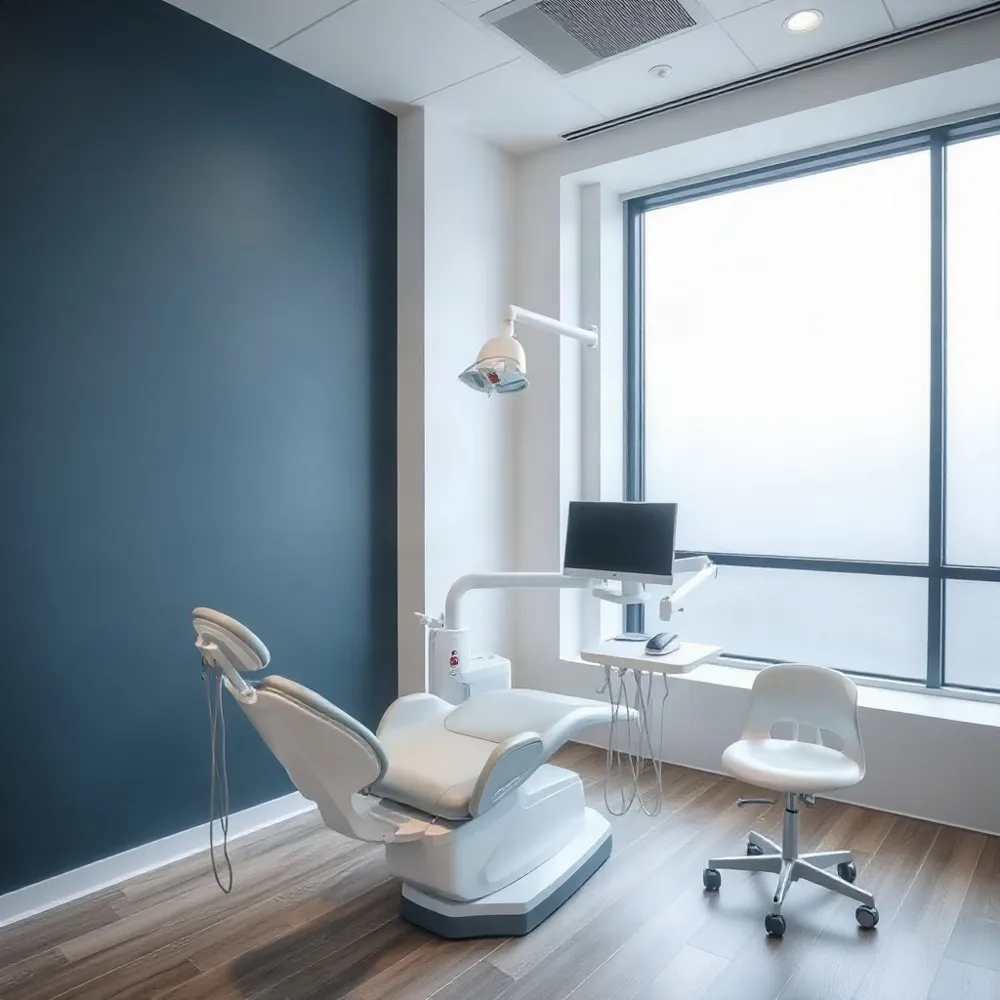 Regular dental cleanings are more than just a routine part of oral hygiene. They are an essential safeguard against a range of dental problems that can escalate into serious, and expensive, health issues. When you postpone or skip these appointments, you're not just delaying a cleaning. You're giving plaque and bacteria a head start, which can lead to consequences that are far costlier than the price of a preventive visit.
One of the primary risks of skipping professional cleanings is the development of gum disease. Plaque, a sticky film of bacteria, hardens into tartar if not removed professionally. This tartar irritates the gums and can lead to gingivitis, the earliest stage of gum disease. Gingivitis, characterized by red, swollen, and bleeding gums, is often painless and easy to overlook. However, if left untreated, it can advance to periodontitis, a more severe form of gum disease that damages the soft tissue and bone supporting your teeth.
The Ripple Effect on Your Overall Health
The impact of skipping dental cleanings extends far beyond your mouth. Research has established a strong link between oral health and systemic conditions like heart disease, diabetes, and respiratory infections. When your gums are inflamed due to periodontitis, harmful bacteria can enter your bloodstream, potentially triggering inflammation throughout your body. This can worsen existing health issues and increase your risk of experiencing serious complications. For a deeper look at these risks, consider the hidden dangers associated with postponing dental care, as outlined in our blog on the hidden dangers of skipping professional cleanings.
Preventive Care vs. Restorative Treatment Costs
From a financial perspective, routine cleanings are one of the most affordable ways to maintain your dental health. A professional cleaning and exam typically costs a fraction of what you'd pay for restorative procedures. By contrast, treating the consequences of neglect, such as fillings, root canals, or even tooth extractions, can amount to hundreds or even thousands of dollars. For example, the cost of a single filling can easily cover the expense of several cleanings, and avoiding restorative care is not a viable long-term strategy.
| Preventive Care | Intended Purpose | Typical Out-of-Pocket Cost |
|---|---|---|
| Routine Cleanings | Maintain oral health | $75 - $200 per visit |
| Dental Fillings | Repair cavities | $150 - $600 per tooth |
| Root Canals | Save infected tooth | $700 - $1,500 per tooth |
| Tooth Extraction | Remove unsalvageable tooth | $75 - $300 per tooth |
| Dental Implants | Permanent tooth replacement | $3,000 - $6,000 per implant |
These figures highlight a clear pattern: the cost of preventive care is significantly lower than the cost of treating dental problems that could have been prevented. At Dr. Parrella's, we emphasize the importance of regular exams and cleanings as a cost-effective strategy for protecting your smile and your budget. Skipping a cleaning might seem like a way to save money in the short term, but it typically leads to more extensive, and expensive, dental work down the road.
Regular dental visits are your first line of defense against a host of oral health problems. Beyond the financial aspect, professional cleanings remove plaque and tartar that your toothbrush can't reach, significantly reducing your risk of cavities and gum disease. By prioritizing these appointments, you're making a smart financial choice that also protects your overall health and well-being. If it's been a while since your last cleaning, consider scheduling an appointment to get back on track. You'll be doing yourself a favor that pays off for years to come.
Prioritize Your Oral Health
Skipping a professional cleaning rarely causes a problem overnight. Instead, it sets off a quiet chain of events inside your mouth that compounds over months and even years. What starts as a soft, nearly invisible film on your teeth hardens into tartar in as little as 24 to 48 hours when you skip brushing, and that buildup becomes the foundation for more serious trouble like gum disease and cavities.
From Plaque to Tartar: The Silent Build-Up
Plaque is a sticky layer of bacteria that clings to your enamel after every meal. Daily brushing and flossing can remove most of it, but no amount of brushing at home reaches the tartar once it forms below the gumline. According to the Centers for Disease Control and Prevention, nearly half of U.S. adults aged 30 and older show signs of gum disease.