Why Routine Matters for Every Age
Consistent daily routines help children feel safe, build independence, and reduce family stress, according to the American Academy of Pediatrics. These same principles apply to oral health — predictable habits at home and regular professional care work together to prevent problems before they start.
This article explores how daily brushing and flossing routines support lifelong healthy smiles and why regular checkups at a practice like drparrella.com are an essential part of that equation for every member of the family.
How Routines Benefit Children
 Consistent routines give children a sense of security and structure, helping them feel safe and build independence. According to the American Academy of Pediatrics, families need routines to organize life and prevent chaos; children thrive when schedules are regular, predictable, and consistent. This predictability reduces anxiety, as children know what to expect and feel more in control of their day.
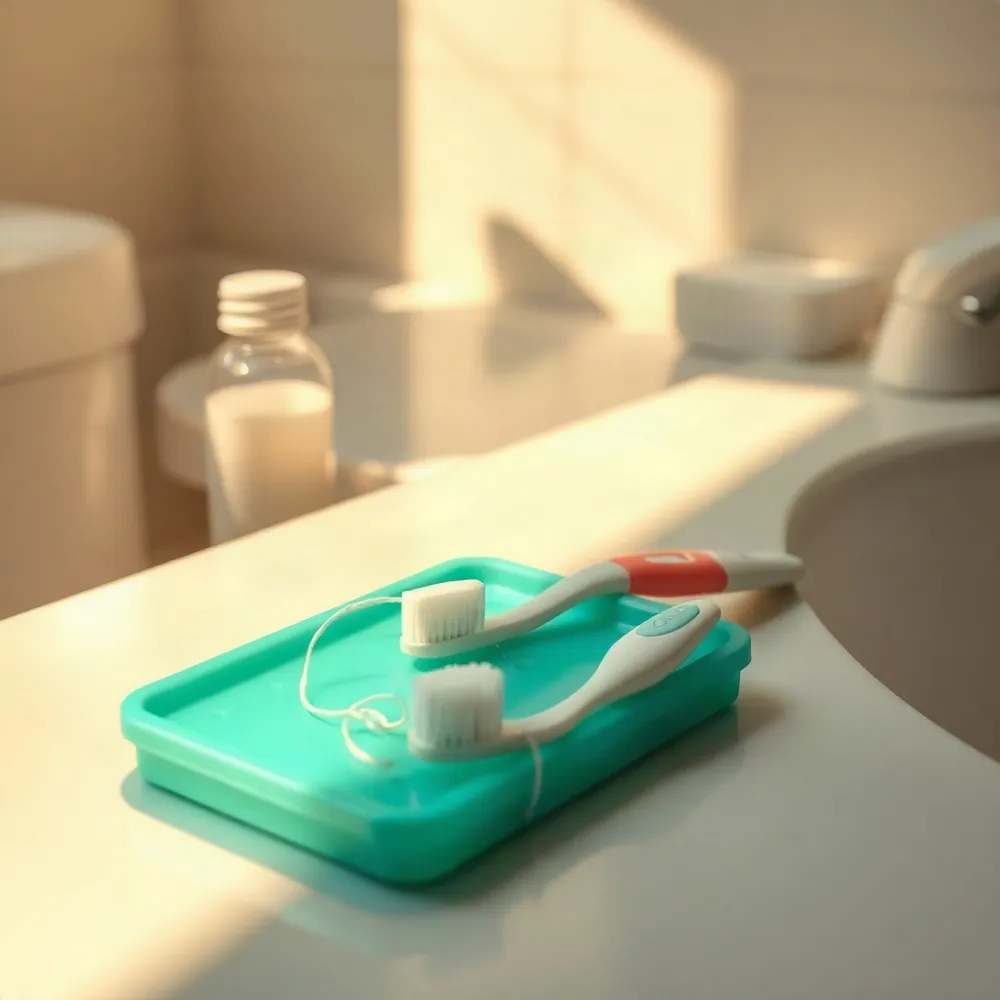
At home, consistent morning and bedtime routines make daily tasks like brushing teeth and healthy eating feel normal and important. A PBS article notes that routines guide positive behavior by giving children clear steps for tasks, reducing power struggles and teaching responsibility. For example, a child who follows the same set of steps each morning is more likely to remember to brush thoroughly without repeated reminders.
These habits are strong predictors of long-term success, supporting both learning and behavioral development. Research from the NIH highlights that routines reduce the number of decisions a person must make, making it easier to follow health recommendations. Children who grow up with consistent oral care routines are more likely to continue those practices as adults, which is reinforced through regular checkups at a practice like drparrella.com, where the team monitors growth and offers age-appropriate guidance.
When families work together to maintain routines, children are more likely to cooperate during dental visits and carry these positive practices into adulthood. The KidsHealth website emphasizes that starting good dental habits early—including brushing, flossing, and regular dentist visits—is the best way to keep children's teeth healthy. By making oral care a predictable part of the day, parents help children feel capable and confident, setting the stage for a lifetime of healthy smiles.
Daily Teeth Care for Kids
Good oral hygiene starts before the first tooth appears. After each feeding, clean a baby's gums with a damp washcloth to remove bacteria and prepare the mouth for healthy teeth.
Brushing Guidelines by Age
Once the first tooth emerges, brush twice a day for two minutes using a soft-bristled toothbrush. For children under three, use a grain-of-rice sized smear of fluoride toothpaste. For children ages three and older, use a pea-sized amount and teach them to spit out the excess. Angle the bristles toward the gum line and use gentle, small circular motions to clean all sides of each tooth.
When your child's teeth begin to touch, introduce daily flossing. An adult should help with flossing until the child develops the dexterity to do it independently, typically around age 10.
Diet and Hydration for Strong Teeth
A balanced diet rich in fruits, vegetables, and dairy supports healthy tooth development. Limit sugary snacks and drinks, especially sticky candy and juice. If your child consumes sugary items, serve them at mealtimes rather than as standalone snacks, and have them brush afterward. Encourage drinking fluoridated tap water to help strengthen enamel and protect against cavities.
Never let a child go to bed with a bottle containing milk, formula, or juice. The sugar in these liquids can pool around teeth during sleep, leading to early childhood cavities. Transition babies to a regular cup by their first birthday.
Leading by Example
Children learn oral hygiene habits by watching their parents. Make brushing and flossing a family routine — brush together in the morning and before bed. When children see adults following these steps, they are more likely to adopt the same habits. The practice at drparrella.com reinforces this approach with practical guidance for home care that works for every age.
For more detailed guidance on age-specific routines, see our article on establishing consistent oral hygiene routines early in life.
First Dental Visit and Early Checkups
 The American Academy of Pediatrics and the American Dental Association both recommend that a child see a dentist by age 1 or within six months of the first tooth coming in, whichever comes first. Starting this young may sound early, but it is the single most effective step to prevent cavities and tooth decay before they ever cause pain.
Tooth decay is the most common chronic disease among children in the United States, and many cases begin without any symptoms. An early checkup allows the dentist to monitor jaw growth, spot alignment issues, and catch problems like hidden cavities or early gum inflammation while they are still easy to treat. Regular visits also normalize the dental environment for a child, helping to reduce anxiety and build trust over time.
An Educational Opportunity for Parents
These early visits are as much for parents as they are for children. The dentist can demonstrate proper brushing techniques, advise on fluoride use, and offer guidance on diet — such as limiting sugary snacks and avoiding putting a child to bed with a bottle of milk or juice, a common cause of early childhood caries. At drparrella.com, the care team takes time to answer every question, helping families build habits that protect teeth for a lifetime.
A first visit that is positive and gentle can make a lasting impression. Children who feel comfortable at the dentist are more likely to maintain regular checkups as they grow, reducing the need for emergency care and more complex procedures down the road. Establishing this routine early creates a foundation of trust and good health.
What Routine Dental Care Includes
A routine dental visit is more than a quick cleaning. It is a structured checkup built on professional cleaning, a thorough examination, and personalized guidance. Each component works together to keep your teeth and gums healthy and to catch small issues before they become major problems.
Professional Cleaning and Plaque Removal
The cleaning portion of a routine visit focuses on removing plaque and tartar that daily brushing and flossing cannot reach. A dental hygienist uses specialized instruments to scrape away deposits from above and below the gum line. This step is important because tartar can only be removed by a professional, and if left in place, it can lead to gum disease National Institute of Dental and Craniofacial Research.
After the scaling, the hygienist polishes your teeth to remove surface stains and leave enamel feeling smooth. For children and some adults, a fluoride treatment may follow to strengthen enamel and help prevent cavities. At drparrella.com, these steps are part of a thorough cleaning routine designed for patients of all ages.
Comprehensive Oral Exam
Once the cleaning is complete, the dentist performs a full examination of your mouth. This includes checking each tooth for decay and wear, evaluating gum health for signs of inflammation, and inspecting existing fillings, crowns, or bridges. The dentist also examines your soft palate, throat, and neck for any abnormalities or signs of disease.
This is also when an oral cancer screening takes place. The dentist feels for lumps or irregular tissue and visually inspects the tongue, cheeks, and floor of the mouth. Early detection of oral cancer dramatically improves outcomes, making this screening a standard part of every routine exam.
Periodic X-Rays and Hidden Issues
Depending on your age, risk factors, and how long it has been since your last visit, the dentist may recommend X-rays. These images reveal problems that are invisible to the naked eye, such as cavities between teeth, infections at the root, bone loss from advanced gum disease, and developing teeth that have not yet erupted. Modern digital X-rays use very low radiation and are a safe, important diagnostic tool.
Personalized Advice for Daily Care
A routine visit ends with a conversation about your oral health habits. The dentist or hygienist offers guidance on brushing technique, flossing frequency, diet choices that affect teeth, and any products you might need, such as a fluoride mouthwash. This personalized advice helps you build stronger daily routines between visits, reducing the risk of cavities and gum disease over time.
| Component | What It Does | Why It Matters |
|---|---|---|
| Professional cleaning | Removes plaque and tartar; polishes teeth | Prevents gum disease; only a professional can remove hardened deposits |
| Fluoride treatment | Strengthens enamel | Reduces cavity risk, especially for children and at-risk adults |
| Comprehensive exam | Checks teeth, gums, and soft tissues | Detects decay, gum disease, and oral cancer early |
| Oral cancer screening | Inspects mouth and throat for abnormalities | Potentially life-saving; standard in every routine exam |
| Periodic X-rays | Reveals hidden cavities, infections, bone loss | Catches issues invisible to the naked eye |
| Personalized advice | Guidance on brushing, flossing, and diet | Improves home care habits and long-term oral health |
Benefits of Regular Checkups for All Ages
Regular dental checkups are the cornerstone of preventive care, helping to stop problems before they start. Professional cleanings remove plaque and tartar that daily brushing cannot reach, reducing the risk of cavities and gum disease. These visits also include an oral cancer screening, which can catch abnormalities in their earliest, most treatable stages. For patients of all ages, this routine care is far more affordable than treating advanced dental conditions later.
Checking in with your dentist every six months allows for early detection of small issues before they become painful, complex, or expensive. A minor cavity caught early can be treated with a simple filling, while a cavity left undetected may require a root canal or crown. This same principle applies to worn or failing restorations, such as fillings, crowns, and bridges, which your dentist can assess and repair during a routine exam before further damage occurs.
Oral health is closely tied to systemic health. Bacteria from infected gums can enter the bloodstream and contribute to serious conditions, including heart disease, diabetes complications, and respiratory infections. For this reason, maintaining healthy teeth and gums through routine visits supports your overall health. At drparrella.com, patients receive personalized care that considers both dental and general wellness.
Why Regular Checkups Matter for Children
For children, routine dental exams do far more than prevent cavities. They give the dentist a chance to monitor tooth eruption, jaw growth, and alignment. Early orthodontic screening can identify crowding or bite issues when they are easiest to correct. These visits also provide an opportunity for habit counseling on thumb-sucking or pacifier use, ensuring that oral development stays on track.
Starting regular dental visits early also helps children become comfortable in the dental chair, reducing anxiety and building a trusting relationship with the care team. This positive experience encourages them to maintain good oral hygiene habits as they grow. Dr. Parrella's practice in Somerville welcomes children of all ages in a family-friendly environment, making each visit a supportive step toward lifelong healthy smiles.
Simple Rules for Healthy Teeth
Remembering a handful of simple guidelines can make daily dental care and professional visits easy to follow for the whole family. These rules help ensure you and your children build routines that last a lifetime without feeling overwhelmed by complex advice.
The 2-2-2 rule is the most straightforward starting point: brush your teeth twice a day for two minutes each session, and visit the dentist twice a year. Brushing twice daily removes plaque and delivers fluoride to strengthen enamel, while the two-minute duration ensures you cover all tooth surfaces. Seeing your dentist every six months allows for professional tartar removal and early detection of issues like cavities or gum disease before they become serious.
The 3-3-3 Rule for Daily Care
Another helpful guideline is the 3-3-3 rule, which encourages brushing three times a day for three minutes each time, and waiting three minutes after eating before you brush. This approach can protect enamel from acid erosion that occurs right after meals. Waiting three minutes gives saliva time to neutralize acids and reduce the risk of scrubbing softened enamel.
The Rule of 7 for Orthodontic Timing
Children should have their first orthodontic evaluation by age 7, a standard known as the Rule of 7. At this age, most children have a mix of baby and permanent teeth, allowing the dentist to assess early alignment, bite issues, and jaw development. Early detection of problems like overcrowding can lead to simpler, less invasive interventions, reducing the need for more complex orthodontic treatment later.
For families in Somerville looking to establish healthy habits from the start, drparrella.com offers routine exams that monitor growth, check for early decay, and reinforce good oral hygiene. Combining the 2-2-2 rule with regular visits creates a reliable foundation for a lifetime of healthy teeth and gums.
Comfort and Care During Your Visit
 Dental anxiety is common among both children and adults, but it does not have to prevent you from getting the care you need. Many patients feel nervous about sounds, sensations, or a loss of control during a visit. The first step toward a more comfortable experience is to talk openly with your dental team about your concerns.
Discussing Anxiety with Your Dental Team
A compassionate team will listen without judgment and tailor the visit to your needs. Let the staff know what triggers your anxiety, whether it is the sight of needles, the sound of the drill, or simply being in the chair. At Dr. Parrella's practice, you can expect a calm, patient-centered approach where your comfort comes first.
Relaxation and Sedation Options
For mild anxiety, over-the-counter aids like melatonin or antihistamines (such as diphenhydramine) can help you relax before an appointment, but always check with your dentist or doctor first. Prescription medications, including benzodiazepines like Valium or Halcion, can be taken about an hour before your visit for a deeper sense of calm.
Many dental offices offer nitrous oxide, commonly known as laughing gas. It is a mild sedative that you inhale through a small mask, helping you feel relaxed while staying awake and able to respond. The gas wears off quickly, so you can drive yourself home. For more significant anxiety, oral sedation (a pill you take before the appointment) or IV sedation can help you feel drowsy and completely at ease throughout the procedure.
Creating a Positive Experience for Every Patient
Children also benefit from a gentle, reassuring approach. Explaining each step in simple terms, using distraction techniques like a favorite TV show or music, and praising cooperation all help build trust. For adults, knowing that preventive care is available in a safe, supportive environment can turn a stressful visit into a routine part of staying healthy.
The most important step is to have an honest conversation. Dr. Parrella and his team will work with you to find the safest and most effective option, whether it is a calming conversation, a comfortable blanket, or a prescribed sedative. A positive dental experience today can lay the foundation for a lifetime of healthy smiles.
Building Lifelong Healthy Smiles Together
Daily routines at home and regular professional checkups form the foundation for lifelong oral health. At drparrella.com, the care is personalized and compassionate — the practice has served the Somerville community since 1920.
Schedule a checkup today to start or continue your family's routine toward healthy smiles.